Can Dogs Get Colds? Understanding Canine Health
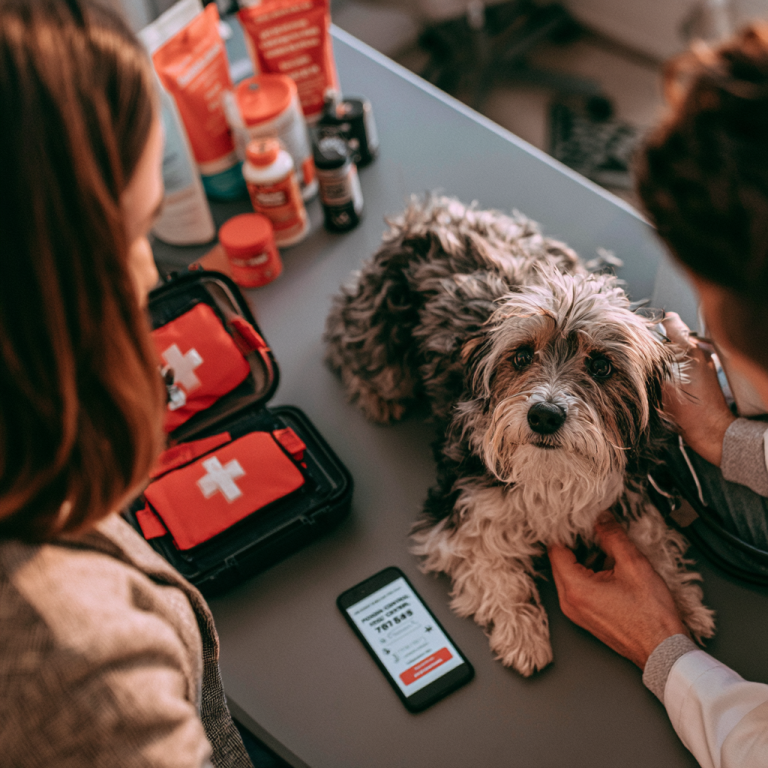
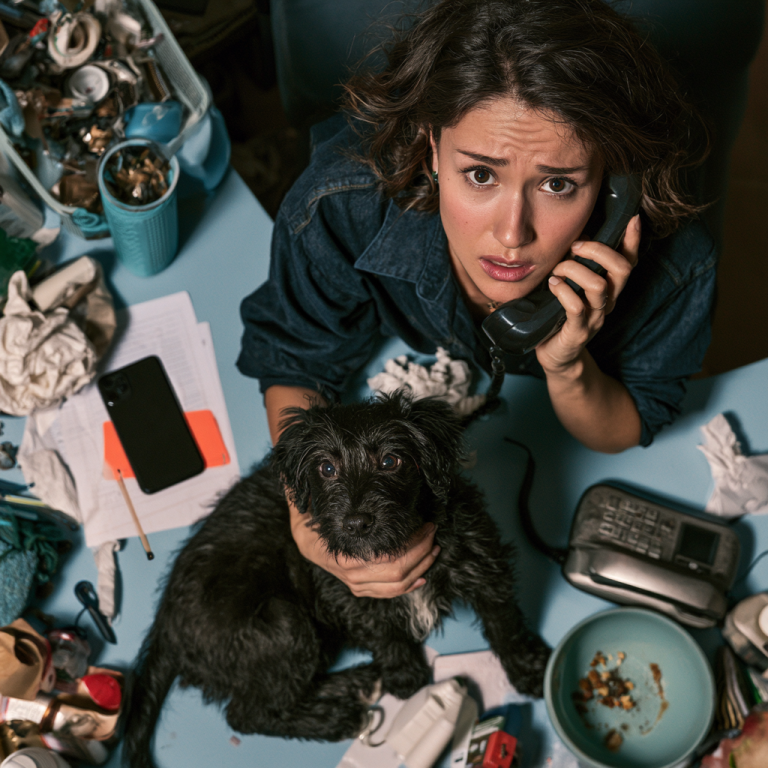
Can dogs get colds? As pet owners, it’s crucial to understand canine health and recognize when our furry friends may be feeling under the weather. Canine upper respiratory infections can resemble human colds, but the mechanisms and implications can vary significantly. In this article, we’ll explore the basics of canine colds, identify their symptoms, and discuss the appropriate steps to take when your dog shows signs of illness.
Quick answer: Yes, dogs can get colds, although these respiratory infections are often caused by different pathogens than human colds. While many symptoms may resemble those in humans, it’s essential to recognize the unique aspects of canine respiratory health.
Can Dogs Get Colds? Understanding the Basics
Dogs can indeed suffer from upper respiratory infections, often colloquially referred to as “colds.” However, the pathogens responsible for these infections can differ from those that cause colds in humans. Canine respiratory infections are generally caused by viruses, bacteria, or sometimes allergens, resulting in various symptoms and levels of severity.
Differences Between Colds in Humans and Dogs
While both humans and dogs can present similar signs of respiratory distress, such as coughing or sneezing, the underlying causes and reactions can differ. Here are some notable differences:
| Aspect | Humans | Dogs |
|---|---|---|
| Pathogens | Common cold viruses (e.g., rhinovirus) | Canine parainfluenza virus, Bordetella bronchiseptica, and other pathogens |
| Transmission | Airborne droplets, direct contact | Airborne particles, close contact with infected dogs |
| Severity | Mild to moderate, can lead to complications | Varies; can be mild but may lead to serious conditions like kennel cough |
| Treatment | Rest, hydration, over-the-counter medications | Rest, fluids, possible veterinary medications |
Understanding these differences is crucial in recognizing and addressing your dog’s symptoms effectively.
Common Canine Respiratory Issues
In addition to colds, dogs may experience various other respiratory conditions. Some of the more common issues include:
- Kennel Cough: A highly contagious condition characterized by a harsh cough, often resembling the sound of a honk. It’s spread in places where many dogs congregate.
- Canine Influenza: A viral infection that can lead to serious respiratory issues; symptoms include a persistent cough, nasal discharge, and fever.
- Allergic Reactions: Dogs can develop allergies to pollen, mold, dust mites, and other irritants, leading to sneezing, coughing, and nasal discharge.
- Fungal Infections: Though less common, certain environmental fungi can cause respiratory illness in dogs, leading to chronic cough and difficulty breathing.
Recognizing the differences between these conditions and a simple cold is key in providing timely and appropriate care for your dog.
Recognizing Symptoms of Colds in Dogs
Understanding the symptoms of a dog cold can sometimes be tricky, as many signs can overlap with other respiratory infections or conditions. As attentive pet owners, it’s essential to note the specific symptoms your dog displays.
Signs of Illness in Dogs
Symptoms of a cold in dogs can manifest in various ways. Here are the typical signs to watch for:
- Coughing: A mild, dry cough can indicate a cold, while a persistent or wet cough might signify a more severe condition.
- Sneezing: Frequent sneezing, especially accompanied by nasal discharge, is a common sign.
- Nasal Discharge: Clear or slightly cloudy discharge can occur; thick, colored discharge may indicate a bacterial infection.
- Lethargy: Infected dogs may exhibit less energy, preferring to rest rather than play.
- Loss of Appetite: Changes in eating habits might signal illness—watch for decreased interest in food.
- Fever: Elevated body temperature can occur with a cold, indicating an active immune response.
- Changes in Barking: A hoarse or altered bark may indicate throat irritation.
- Ear Infections: Ongoing respiratory distress may lead to secondary ear infections, signifying a need for vet attention.
Observing these symptoms closely will provide valuable insights into your dog’s health status.
When to Seek Veterinary Care
While many cold symptoms in dogs may resolve with proper care at home, there are scenarios where veterinary attention becomes crucial:
- If your dog exhibits severe lethargy or refuses to eat for more than 24 hours, prompt intervention may be necessary.
- Persistent coughing or difficulty breathing demands immediate veterinary assessment.
- Any discharge that is green, yellow, or thick may suggest a more severe underlying condition that warrants medical assessment.
- If multiple symptoms are combined (e.g., fever, nasal discharge, and lethargy), contacting a veterinarian is recommended.
- For dogs that are very young, elderly, or have existing health issues, early veterinary consultation is vital to prevent complications.
Always trust your instincts when it comes to your dog’s health. If you are unsure whether the symptoms are severe, it is better to consult with a veterinarian.
In conclusion, understanding whether dogs can get colds and recognizing the signs of respiratory illness are crucial aspects of responsible pet ownership. By paying attention to your dog’s health and seeking timely care when needed, you help ensure they remain happy and healthy.
Frequently Asked Questions
Can dogs get colds like humans?
Yes, dogs can get colds, but these are typically caused by different pathogens than those responsible for human colds. Canine colds often present as upper respiratory infections that can vary in severity.
What are the symptoms of a dog cold?
Symptoms of a cold in dogs can include sneezing, coughing, runny nose, lethargy, and loss of appetite. Observing these signs is crucial for understanding your dog’s health.
How to treat a cold in dogs?
Treatment for a dog cold may include providing a warm, comfortable environment, ensuring hydration, and offering easy-to-digest food. In some cases, veterinary attention may be needed, especially if symptoms persist.
Can dogs catch colds from humans?
Dogs generally do not catch colds from humans as the viruses responsible for human colds are species-specific. However, they can be affected by other canine-specific pathogens.
What should I do if my dog has a runny nose?
If your dog has a runny nose, monitor other symptoms to assess their overall health. If the condition persists or worsens, consult your veterinarian for further evaluation.
Are there vaccines for dog colds?
There are no specific vaccines for common dog colds, as these are usually caused by a variety of pathogens. However, vaccines for some serious respiratory diseases, like canine influenza and kennel cough, can help prevent infections.
How can I prevent my dog from getting sick?
To help prevent your dog from getting sick, ensure vaccinations are up to date, maintain proper hygiene, and limit exposure to infected animals. Regular vet check-ups and a balanced diet can also enhance their overall health.
When should I take my dog to the vet for a cold?
You should take your dog to the vet if symptoms like persistent coughing, difficulty breathing, or lethargy occur, especially if they last over a few days or worsen. Early intervention is crucial for health issues.