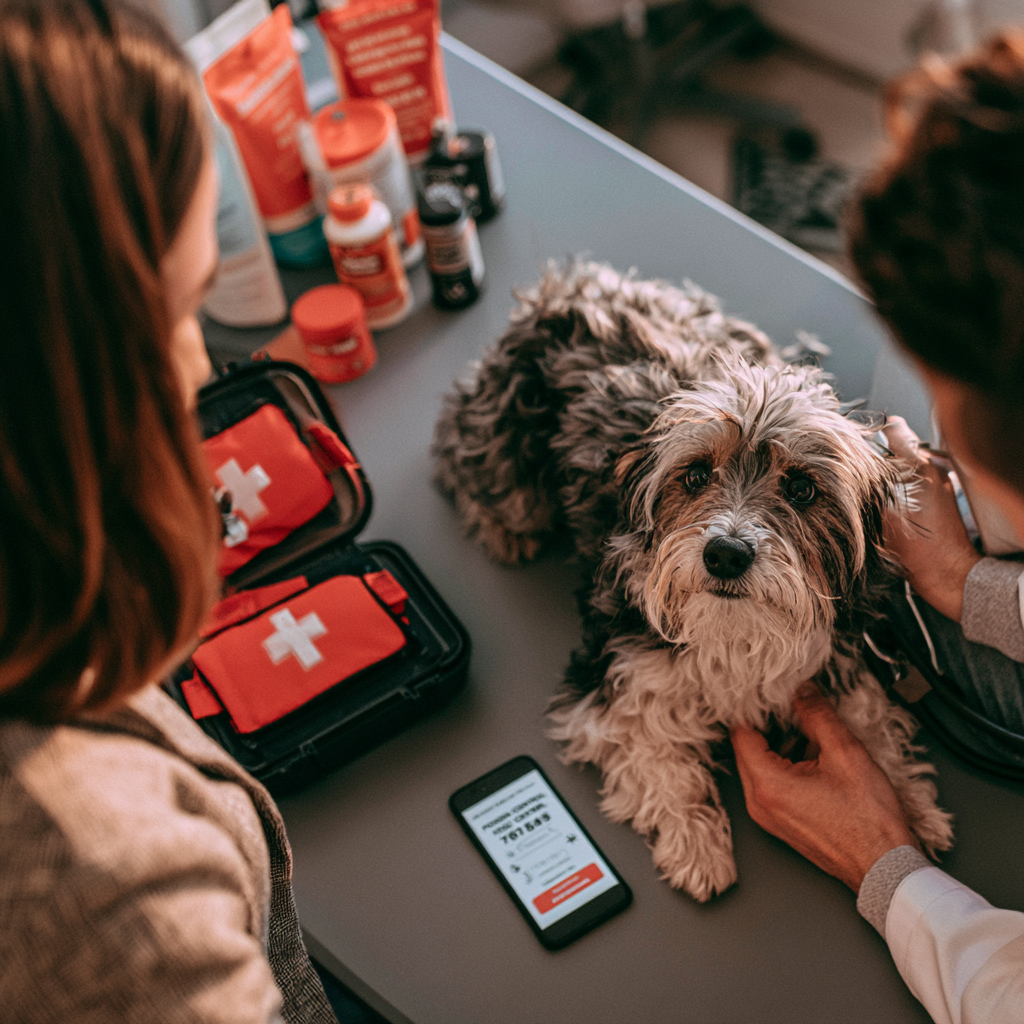
Animal Poison Control Number: Quick Access for Pet Emergencies
As a responsible pet owner, it’s crucial to be prepared for emergencies, including the risk of your furry friend ingesting harmful substances. That’s where the animal poison control number comes into play. Knowing the right contact can make a vital difference in how quickly your pet receives help. In this article, we will explore what the animal poison control number is, what actions you should take in case of a poisoning emergency, preventive strategies, and resources available to you.
Quick answer: The animal poison control number is a dedicated hotline for pet owners to call in case of suspected poisoning in their animals. It is essential to have this number handy for emergencies, with resources available through organizations like the ASPCA at 1-888-426-4435.
What is the Animal Poison Control Number?
Overview of the service
The animal poison control number is a specialized hotline designed to assist pet owners with cases of poisoning or exposure to toxic substances. Various organizations, most notably the American Society for the Prevention of Cruelty to Animals (ASPCA) and Pet Poison Helpline, operate these services. They provide round-the-clock access to trained veterinary professionals who can offer immediate guidance and recommendations for treatment.
How it operates in emergencies
When you call the animal poison control number, you will typically speak to a veterinary technician or a veterinarian. They will assess the situation based on the information you provide about your pet and the suspected toxin. This can include discussing your pet’s symptoms, the nature of the substance, and how long ago the exposure occurred. The expert will then guide you through the next steps, which may involve monitoring your pet at home or bringing them in for treatment.
Steps to Take in Poisoning Emergencies
First actions while waiting for assistance
- Stay calm: Panicking can make the situation feel more overwhelming. Take a deep breath to focus on your next steps.
- Remove the source: If your pet is in immediate danger, safely remove any toxic substances from access, but do not put yourself at risk.
- Observe your pet: Pay attention to any signs of distress or unusual behavior, as this information will be crucial for the expert you will speak with.
- Keep the pet calm: Try to soothe your pet and keep them as calm as possible until you receive further guidance.
Information to gather before calling
- The type of substance (brand and ingredient list, if available)
- The quantity your pet may have ingested
- Your pet’s age, weight, and breed
- A description of any symptoms your pet is exhibiting
- The time since the suspected ingestion occurred
Preventing Pet Poisoning
Common household toxins
- Food items: Chocolate, grapes, raisins, onions, garlic, and xylitol (often found in sugar-free products).
- Plants: Lilies, azaleas, and philodendrons can be highly toxic to pets.
- Medications: Human medications like acetaminophen, ibuprofen, and certain antidepressants can be dangerous.
- Household cleaners: Many cleaning products contain harmful chemicals. Always check labels for safety regarding pets.
Safe storage practices
- Store all cleaning products, medications, and chemicals on high shelves or in locked cabinets, out of your pet’s reach.
- Use child-proof containers for any products that could be harmful.
- Be mindful of food storage; never leave foods that are toxic to pets on counters or accessible tables.
- Educate family members about safe storage and monitoring pets during activities like cooking or gardening.
Resources for Pet Owners
Online tools and websites
- ASPCA Animal Poison Control: Their website offers resources about common toxins and emergency care advice.
- Pet Poison Helpline: Provides easily accessible online resources and an in-depth database to learn about various poisons and symptoms.
- Veterinary Partner: Operated by the Veterinary Information Network, it offers credible insights into animal health and emergency responses.
Local veterinary services
- Check if they offer after-hours emergency services for situations that arise outside regular hours.
- Look for vets with a good reputation in emergency care and specific poison control knowledge.
- Find out if they collaborate with local poison control centers for prompt answers and solutions.
When to Call the Animal Poison Control Number
Signs of poisoning in pets
- Vomiting or diarrhea, which can also appear with various gastrointestinal issues.
- Excessive drooling, which can suggest oral irritation.
- Changes in behavior such as lethargy, agitation, or sudden aggression.
- Difficulty breathing, which is a serious medical concern that requires immediate attention.
- Abnormal movements or seizures, which necessitate rapid veterinary intervention.
Immediate action steps
- If instructed, you may need to induce vomiting or administer activated charcoal, but only under guidance from a professional.
- Keep your pet calm and observe them closely for any further symptoms.
- Prepare to transport them to a veterinary clinic if recommended. Bring any substance packaging or labels with you.
Managing pet emergencies swiftly can greatly reduce the risks associated with poisoning. Keeping the animal poison control number readily available, understanding your pet’s environment, and knowing the signs of poisoning are key components of being a responsible pet owner.
For immediate access in critical situations, remember the number for the ASPCA: 1-888-426-4435. By being informed and prepared, you can provide your beloved pet with the best chance for a safe recovery in emergencies.
Frequently Asked Questions
What is the animal poison control number?
The animal poison control number is a dedicated hotline providing 24/7 assistance for pet owners dealing with potential poisonings. It connects you with professionals who can guide you through the situation and advise on the best course of action.
When should I call the animal poison control number?
Call the animal poison control number whenever you suspect your pet has ingested a toxic substance, or if you observe symptoms like vomiting, seizures, or lethargy. Prompt communication with professionals can help facilitate quick and effective treatment.
What information do I need before calling animal poison control?
Before calling, gather information such as the type and amount of substance ingested, your pet’s breed, size, age, and medical history, along with the time of ingestion. This information enables experts to provide more precise guidance.
How can I prevent my pet from being poisoned?
To prevent poisoning, store all toxic substances securely out of your pet’s reach and educate family members about the dangers. Regularly check and remove potential poisons from your home environment.
What are the most common household toxins for pets?
Common household toxins include chocolate, certain household cleaners, many houseplants, and human medications. Being aware of these substances allows for better prevention and safety measures for your pets.