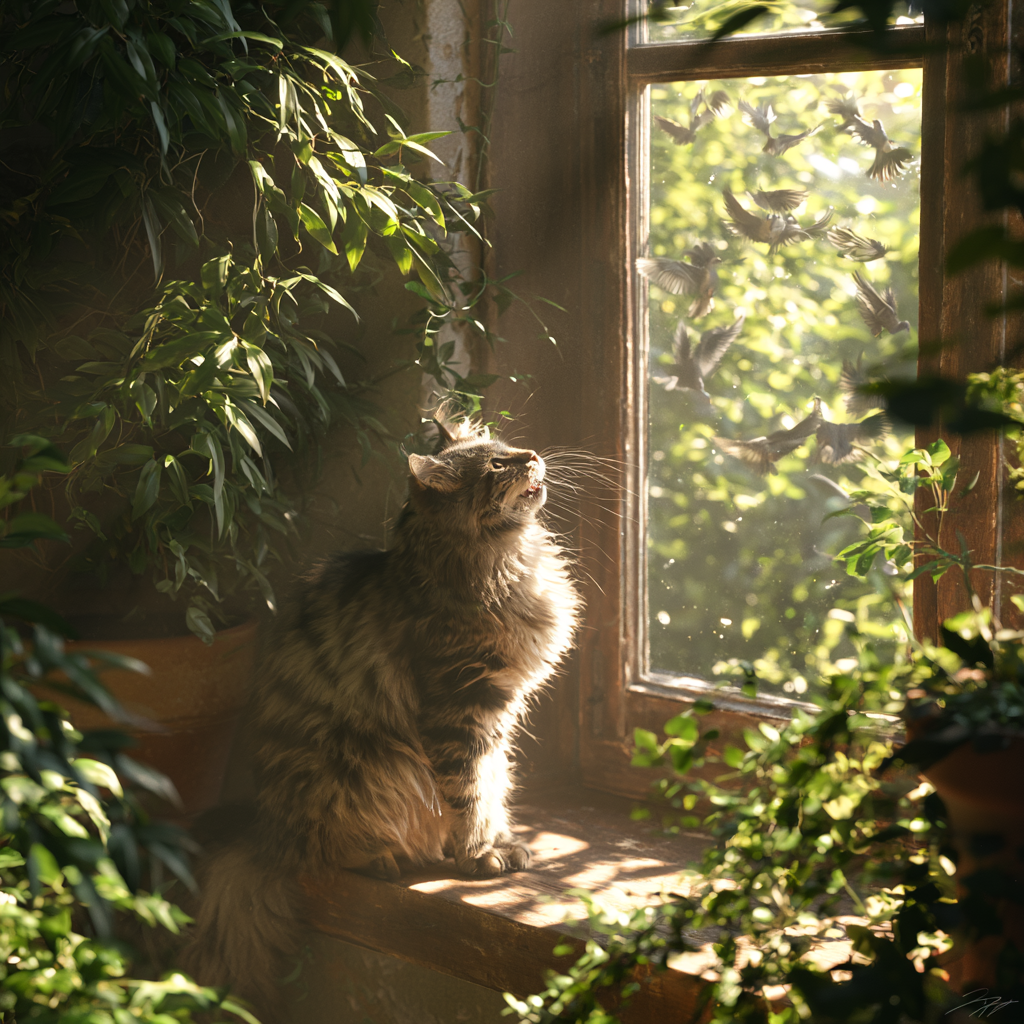
Why Do Cats Chirp: Uncovering the Mystery Behind This Behavior
Have you ever found yourself puzzled when your cat chirps unexpectedly? Understanding why do cats chirp can shed light on this intriguing aspect of feline behavior. Chirping is a unique sound that distinguishes itself from more commonly known vocalizations, and it often leaves cat owners curious about its origins and meanings. By delving into the reasons behind this behavior, we can better understand our feline companions and communicate more effectively with them.
Quick answer: Cats chirp for various reasons, including communication during hunting, play, or to capture their owner’s attention. The chirping sound can indicate excitement or mimic the sounds of their prey. In some cases, it might also signal stress or anxiety, making context essential for interpretation.
Understanding Why Do Cats Chirp
The Nature of Feline Communication
Cats have a fascinating range of vocalizations that they use to communicate, each serving a different purpose. Chirping is one of the more unique sounds, often described as a mix between a meow and a trill. It’s essential to recognize that chirping typically expresses a specific intent or emotion. Cats may chirp to communicate not just with other cats but also with their human caregivers, signaling excitement, curiosity, or even frustration.
Feline communication extends beyond vocalizations, including body language, tail position, and ear orientation. Observing a cat’s behavior during chirping can provide crucial insights into its emotional state. For instance, a cat that chirps with its tail held high and ears perked might be expressing excitement, while one that chirps with flattened ears could indicate a different mood altogether. Understanding this multifaceted communication style helps deepen our bond with them.
What Chirping Sounds Like
A cat’s chirp is often characterized by a high-pitched, somewhat staccato sound. It can resemble a combination of a meow and a purring trill, leading some to describe it as a “chirrup.” The pitch and tone can vary depending on the individual cat and the context; some may have short, quick bursts, while others might draw out the sound for a few seconds.
Chirps often vary in intensity and can seem different based on the situation. For instance, a particularly excited cat might emit a sharp, loud chirp that captures attention, whereas a softer chirp might serve as a more subtle form of communication. Listen for these variations the next time your cat chirps—consider the context, as it can greatly inform its meaning. Also, pay attention to the surrounding circumstances, as the same cat can produce various chirps in different situations.
Context and Situations When Cats Chirp
Chirping as a Hunting Mechanism
One of the primary contexts for cat chirping is during hunting or stalking behavior. Cats are instinctive hunters, and their vocalizations can mimic the sounds of small prey, such as birds or rodents. This mimicking may serve multiple purposes: it can function to attract attention from potential prey or signal excitement about the hunt.
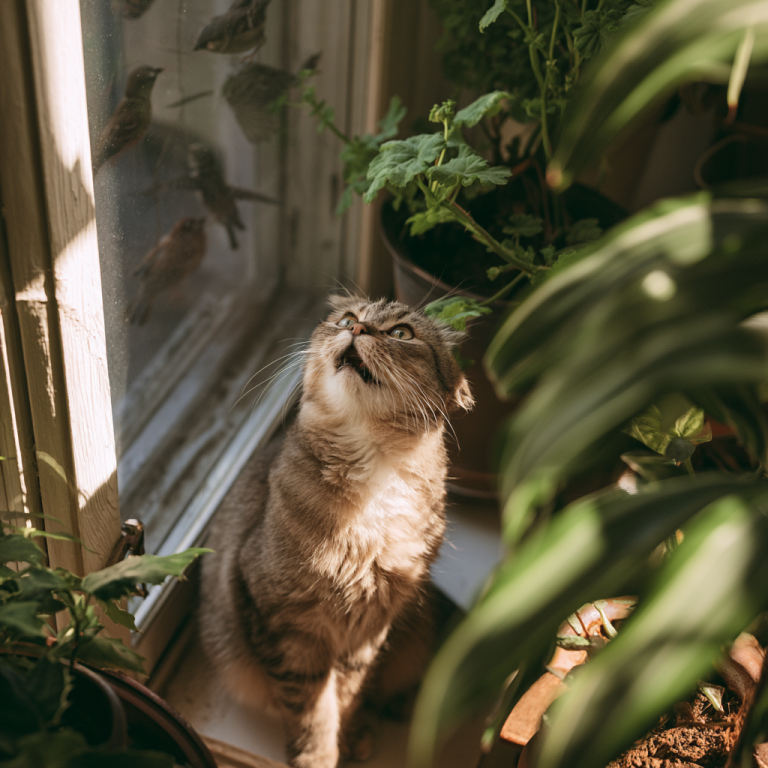
Observe your cat closely when it chirps while watching birds through a window or while stalking a toy. This behavior reflects its predatory instincts, even if the cat is in a safe, indoor environment. The sound may also act as an alert to other cats about potential food sources or as a means of maintaining focus during the hunt. Understanding this context helps us recognize the instinctual nature of our cats and appreciate their unique behaviors.
When Cats Chirp at Birds
Chirping can be particularly evident when a cat is observing birds or other small wildlife. This specific sound likely indicates a mix of excitement and frustration—excitement at the sight of potential prey and frustration at the inability to reach it. During these moments, it’s common to see a cat poised with its body low to the ground, tail twitching, and eyes wide open, focused intently on the action outside.
Some experts suggest that this behavior may also serve as a signal to bird watchers. By mimicking the sounds of small animals, cats may attract the birds’ attention, hoping to elicit a response, thereby making it easier to stalk or capture their intended prey. This instinctual behavior plays an essential role in the overall hunting process and showcases the complex relationship our pets have with their natural instincts.
Chirping During Playtime
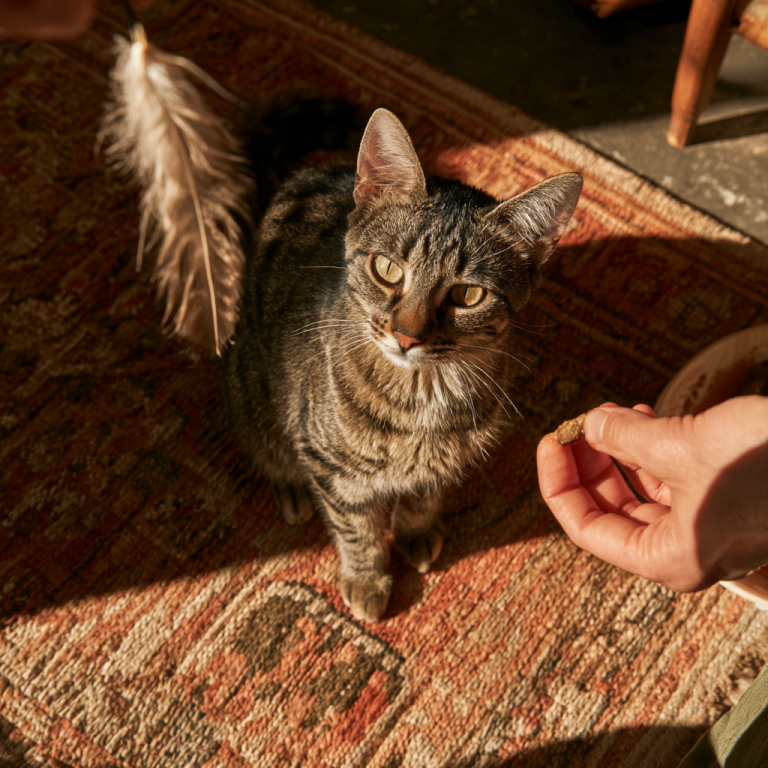
Many cats chirp during playtime, whether they are chasing a feather toy or engaging with another cat. This spirited chirping often reflects the joy and excitement of play, as they let out sounds to communicate their energy and intention. During interactive play sessions, you might notice these chirps increasing in frequency as the excitement builds.
In such situations, chirping can serve to engage the owner or another feline in the activity, enhancing the overall play experience. Listening to these sounds can help pet owners adjust their own behavior—perhaps by introducing new play patterns or toys based on the cat’s vocal cues, which can enrich the overall play and interaction.
Chirping vs. Other Vocalizations
Distinguishing Chirps from Meows
Chirps can often be mixed up with meows, but there are distinct differences between these vocalizations. While meows are generally longer and modulated sounds used primarily for communication with humans, chirps are shorter, more abrupt, and connect more closely with instinctual behaviors.
Additionally, meowing tends to express needs such as hunger, attention, or discomfort, often characterized by varying tones depending on the emotional context. In contrast, chirps often signify excitement or are tied to specific activities such as hunting or playing and may not be directed toward humans at all. Being aware of these differences can assist pet owners in responding appropriately to their cats’ communications.
Implications of Different Sounds
Different vocalizations can imply various emotions or needs in cats. For example, a series of rapid chirps could indicate curiosity or excitement about something they’ve seen, while a low growl or continuous meowing might convey insecurity or distress. Recognizing the context of these sounds, including the accompanying body language and environmental factors, provides essential insights into a cat’s well-being.
When you hear different kinds of vocalizations, take the time to observe your cat’s overall demeanor and surroundings. Understanding these subtleties allows us to respond more effectively to our feline companions’ needs, ultimately fostering a deeper bond and ensuring their comfort.
When Chirping Could Indicate Stress or Anxiety
Signs of Discomfort in Chirping
While chirping is often associated with excitement or playfulness, it can sometimes indicate stress or discomfort. A cat that chirps excessively or in a unique tone may be expressing anxiety or frustration in certain situations. Signs of discomfort might include a tense body posture, dilated pupils, flattening of ears, or rapid tail movement.
It’s essential to take note of these markers alongside chirping sounds. If your cat appears to be distressed while chirping, it may be worthwhile to assess its surroundings for potential stressors such as loud noises, unfamiliar animals, or changes in routine. Observing and addressing your cat’s environmental factors can lead to improved well-being and comfort.
How to Address Stress-Related Chirping
If you suspect your cat’s chirping is linked to stress or anxiety, there are several strategies you can use to manage the situation. First, evaluate your home environment to identify potential triggers. Consider whether recent changes, such as moving furniture or introducing new pets, could be causing distress.
- Create a Safe Space: Designate a quiet area where your cat can retreat when feeling overwhelmed. Provide comfortable bedding and familiar toys to foster a sense of security.
- Enhance Enrichment: Engage your cat with interactive toys and puzzles that promote mental stimulation, helping to alleviate boredom and anxiety.
- Gradual Exposure: If your cat exhibits stress in the presence of new people or animals, introduce them gradually. Allow your pet to explore new environments and situations at its own pace.
- Consult a Professional: If your cat’s stress-related chirping persists or escalates, consider seeking advice from a veterinarian or a certified animal behaviorist.
Engaging with and supporting your cat during distress is essential. A gentle, comforting approach helps build trust and encourages your feline companion to feel safe vocalizing its emotions.
In summary, understanding why do cats chirp offers valuable perspectives on feline communication and behavior. Recognizing the various contexts in which chirping occurs, distinguishing it from other vocalizations, and identifying stress-related indicators are vital steps for any cat owner. By tuning into your pet’s unique needs, you can foster a deeper bond while ensuring their emotional well-being.
Frequently Asked Questions
What does it mean when a cat chirps?
When a cat chirps, it often means they are excited or alert, especially in response to potential prey or during playtime. This sound can convey a range of emotions, so observing the context and body language is essential.
Why do cats chirp at birds?
Cats chirp at birds primarily as a reflection of their hunting instincts. This vocalization may signal excitement or frustration when they see birds but cannot reach them, mimicking the calls of potential prey.
Is chirping a sign of happiness in cats?
Chirping can indicate happiness, especially during play or while observing interesting stimuli, like birds. However, it is important to watch for other signs to gauge their overall emotional state.
Can a cat’s chirp mean something is wrong?
Yes, sometimes a cat’s chirp can indicate discomfort or stress, particularly if it is accompanied by other signs of anxiety. Observing their behavior and providing a calming environment can help address these situations.
Do all cats chirp?
Not all cats chirp, as vocalizations can vary widely among individuals and breeds. Some cats may be more prone to this behavior than others, reflecting their unique personalities.
How can I respond when my cat chirps?
When your cat chirps, respond by observing the context—whether they are alerting to a stimulus or excited during play. Engaging with them or investigating what they are observing can enhance the interaction and satisfy their curiosity.