Are Peaches Good for Dogs? Exploring the Truth
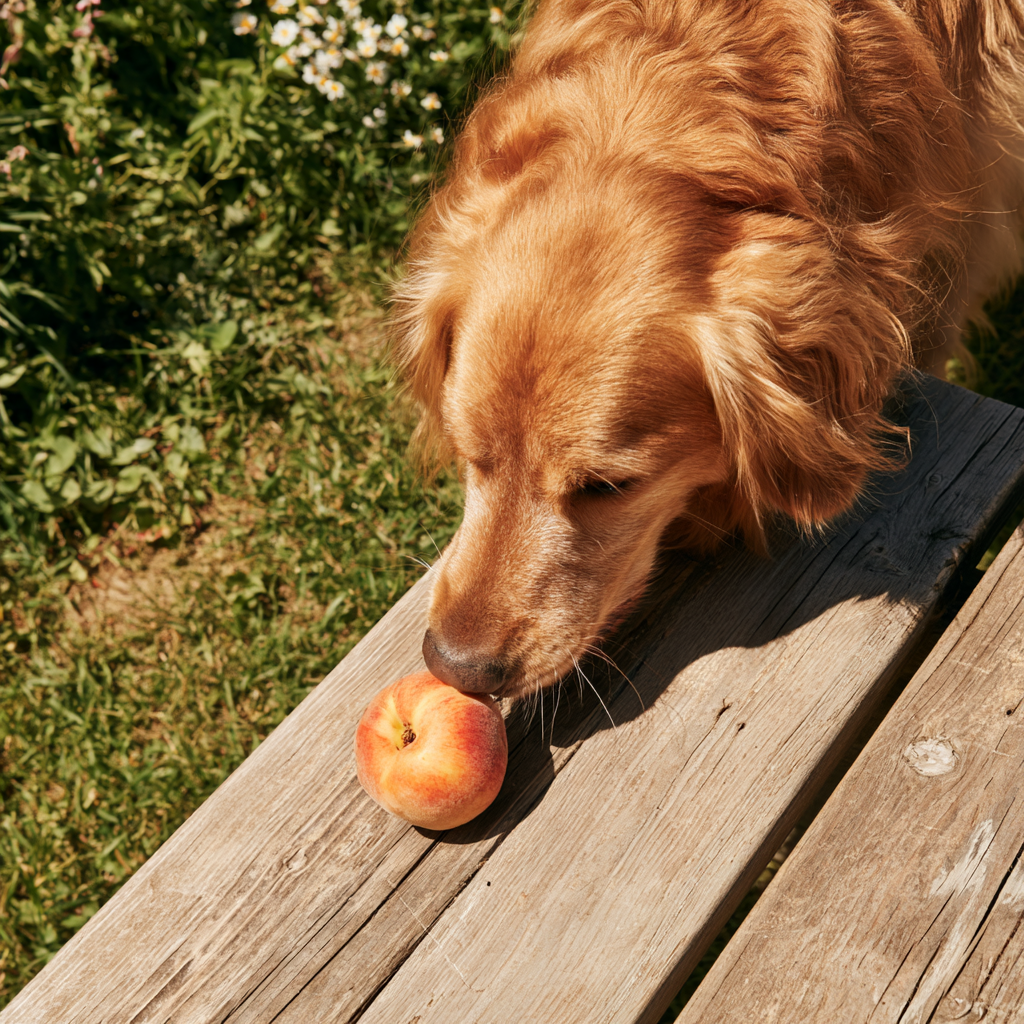
Are peaches good for dogs? This is a question many pet owners ponder, especially during the summer when these juicy fruits are plentiful. While peaches are delicious and often enjoyed by humans, ensuring they are safe and beneficial for our canine friends requires a closer look at their nutritional content and any associated risks. In this article, we will explore the benefits of peaches, potential risks, and how to introduce this fruit safely into your dog’s diet.
Quick answer: Yes, peaches can be good for dogs in moderation, as they provide vitamins, minerals, and hydration. However, it’s essential to be cautious about peach pits and to monitor your dog for any adverse reactions.
Nutritional Value of Peaches for Dogs
Vitamins and Minerals in Peaches
Peaches are packed with vitamins and minerals that can support your dog’s overall health. They are a good source of vitamin A, which is essential for maintaining good vision, healthy skin, and a robust immune system. In addition, peaches contain vitamin C, which plays a vital role in the synthesis of collagen and the proper functioning of the immune system.
Here’s a breakdown of some key vitamins and minerals found in peaches:
- Vitamin A: Supports vision and immune function.
- Vitamin C: An antioxidant that aids in immune support.
- Potassium: Helps with muscle function and maintaining fluid balance.
- Fiber: Assists in digestion and maintaining healthy gut flora.
When considering how these nutrients fit into your dog’s diet, it’s important to remember that dogs have different nutritional needs compared to humans. While peaches can be a tasty treat that provides some beneficial nutrients, they should only make up a small portion of a balanced diet, predominantly composed of high-quality dog food.
Antioxidants and Hydration Benefits
Peaches are also rich in antioxidants, which help combat oxidative stress in the body. These antioxidants can contribute to reducing inflammation and may support long-term health. Additionally, peaches have a high water content, helping to keep your dog hydrated, especially during warm weather or after exercise. This can be particularly beneficial for dogs who may not drink enough water.
The combination of antioxidants and hydration makes peaches an appealing option for dog owners looking to provide healthy, low-calorie snacks. However, it is crucial to introduce them into your dog’s diet thoughtfully.
Are Peaches Good for Dogs? Health Benefits
Support for Digestion
The fiber in peaches can be beneficial for your dog’s digestive health. Fiber helps to regulate digestion by supporting healthy bowel movements. A small piece of peach can serve as a natural laxative for dogs dealing with mild constipation. However, moderation is critical since too much fiber can lead to digestive upset.
In some cases, you may notice that your dog responds positively to the digestive benefits of peaches, particularly if they are prone to gastrointestinal issues. Always monitor your dog when introducing new foods and consider consulting your veterinarian for tailored advice.
Potential Weight Management Aid
With their sweet taste and low-calorie content, peaches can be a healthier alternative to higher-calorie treats. If a dog is overweight or has a tendency to gain weight easily, incorporating fruits like peaches in moderation can help with weight management efforts fueled by fewer calories while still offering flavorful variety.
However, it is essential to balance any treats with the dog’s overall food intake, ensuring they receive the necessary nutrients without excessive calories.
Potential Risks of Feeding Peaches to Dogs
Toxicity of Peach Pits
One of the most significant risks associated with feeding peaches to dogs is the presence of pits. Peach pits are hard and can pose a choking hazard. If ingested, they can lead to gastrointestinal blockages, requiring veterinary attention. Additionally, peach pits contain amygdalin, which can release cyanide when metabolized. While dogs would need to consume a significant amount to experience toxicity, it is still a crucial reason to ensure that all pits are removed before offering a peach to your dog.
When introducing peaches, always assess the fruit carefully and prioritize safety by discarding the pits.
Digestive Issues from Excessive Consumption
While small amounts of peach can benefit your dog’s diet, consuming too much can lead to digestive problems, such as diarrhea or upset stomach. The high fiber content, when overconsumed, can cause gastrointestinal discomfort. Therefore, it is best to start with small portions, observing how your dog reacts.
If your dog shows signs of distress after consuming peaches, such as vomiting or diarrhea, it’s advisable to consult with your veterinarian for guidance.
How to Safely Introduce Peaches to Dogs
Recommended Serving Sizes
When introducing peaches to your dog, moderation is key. A general guideline is to start with small pieces — about one to two slices for a medium-sized dog. Smaller dogs should be offered even less, typically one slice or a few small bites at first. Monitor your dog’s reaction to ensure they adapt well to the new treat.
The frequency with which you can offer peaches can vary depending on your dog’s size, health, and dietary needs. Generally, offering peaches as a treat a few times a week can be reasonable, while ensuring the bulk of their nutrition comes from balanced dog food.
Preparing Peaches for Dogs
Preparing peaches for your dog is simple and involves a few essential steps:
- Wash the peach thoroughly to remove any pesticide residue.
- Remove the pit completely before offering any part of the fruit.
- Slice the peach into small, manageable pieces to prevent choking.
- Introduce the peach slowly, monitoring your dog’s reaction to the new food.
Always ensure the peach is fresh and free of mold or rot before feeding it to your dog. If you decide to serve canned peaches, opt for those without added sugars or syrups.
Understanding Dogs’ Digestive Systems with New Foods
Monitoring for Allergic Reactions
When introducing any new food, including peaches, it’s essential to keep an eye out for potential allergic reactions. Symptoms may include itching, swelling, difficulty breathing, or gastrointestinal upset. If you observe any of these symptoms during or shortly after feeding your dog peaches, discontinue feeding them immediately and consult a veterinarian.
Every dog’s digestive system is unique, and while some may tolerate peaches well, others might have sensitivities. Introducing new foods should always be done cautiously.
Signs of Digestive Distress
Signs of digestive distress can vary but often include:
- Vomiting
- Diarrhea
- Stomach bloating or discomfort
- Lethargy or lack of interest in usual activities
If you notice any of these indications after feeding your dog peaches, it may be best to consult your veterinarian. Keeping an eye on their reaction will help ensure that any new treat in their diet remains a positive addition.
In conclusion, peaches can be a delicious and nutritious occasional treat for dogs when introduced properly and with caution. By being mindful of the potential risks and monitoring your dog’s response, you can enjoy sharing this summer fruit with your furry friend.
Frequently Asked Questions
Are peaches safe for my dog?
Yes, peaches can be safe for dogs when prepared correctly and served in moderation. Ensure that the pits are removed and monitor your dog for any adverse reactions.
What part of the peach can dogs eat?
Dogs can eat the fleshy part of the peach, but it is crucial to avoid the pit due to its toxicity and choking hazard.
How should I prepare peaches for my dog?
Prepare peaches by washing them thoroughly, removing the pit, and cutting the fruit into small, manageable pieces before serving.
Are canned peaches good for dogs?
Canned peaches are not recommended for dogs as they often contain added sugars or syrups, which can be harmful. Fresh, raw peaches are a healthier option.
What are the signs of peach poisoning in dogs?
Signs of peach poisoning may include difficulty breathing, vomiting, lethargy, or signs of abdominal pain. If these symptoms arise, consult a veterinarian immediately.
Can dogs eat peach pits?
No, dogs should not eat peach pits as they contain cyanogenic compounds that are toxic and pose a choking hazard.
How many peaches can a dog eat?
The number of peaches a dog can eat varies by size and individual tolerance. Start with a small piece and monitor for any digestive issues, adjusting accordingly.
Are there healthier alternatives to peaches for dogs?
Yes, there are many fruits that can be healthier alternatives to peaches, such as blueberries, apples (without seeds), or carrots, all of which provide nutritional benefits without the risks associated with peaches.