How Much Exercise Does a Dog Need Every Day? Insights and Tips
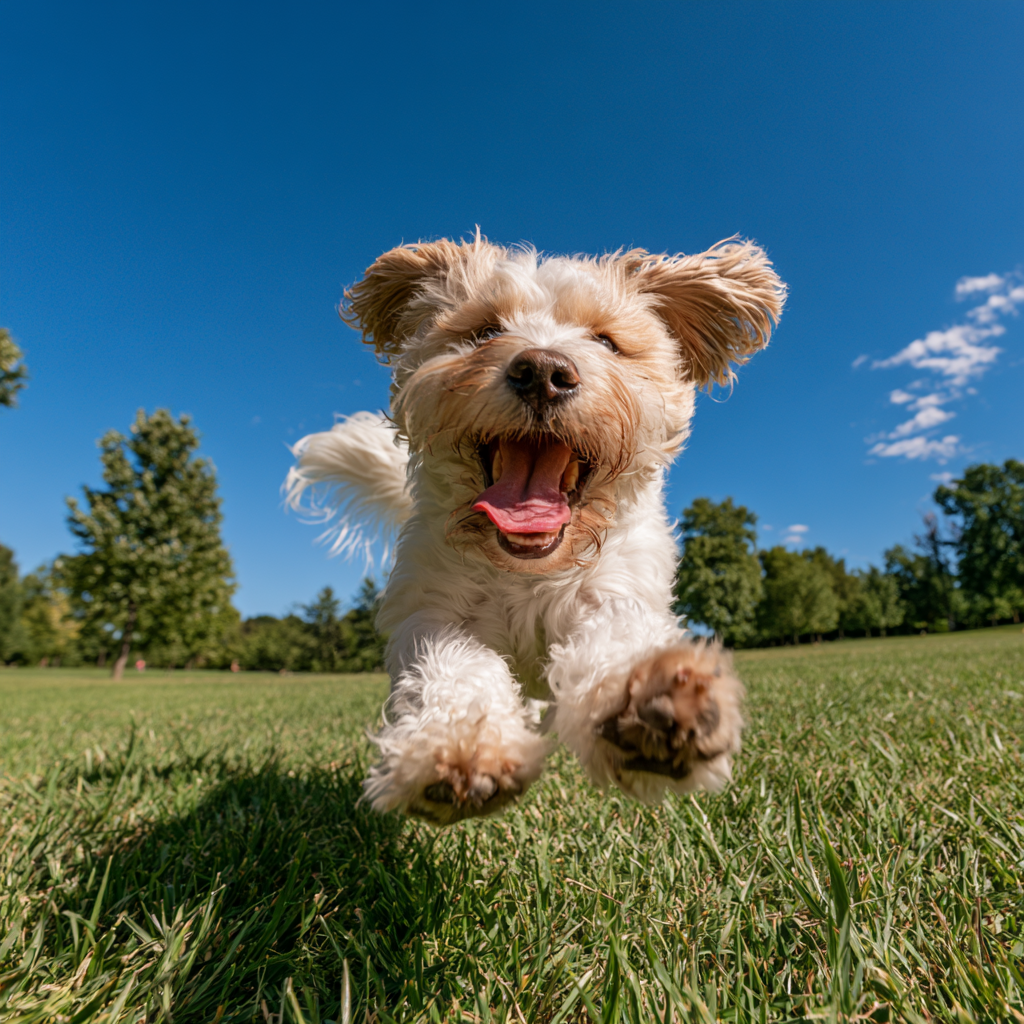
How Much Exercise Does a Dog Need Every Day? This question is crucial for every dog owner who wants to ensure their canine companion is healthy, happy, and well-adjusted. Exercise is not just about burning off energy; it also plays a vital role in mental and emotional well-being. Finding the right balance in your dog’s exercise routine can prevent behavioral issues and health complications while strengthening your bond with them. In this article, we’ll dive deep into understanding daily exercise needs based on various factors so you can provide the best care for your furry friend.
Quick answer: Generally, dogs need between 30 minutes to two hours of exercise each day, depending on factors like breed, age, and health. It’s essential to tailor this exercise to meet your dog’s specific needs and observe their behaviors and energy levels for guidance.
How Much Exercise Does a Dog Need Every Day?
Factors influencing exercise requirements
The exercise needs of a dog can vary significantly based on several factors that all contribute to their overall well-being. Understanding these factors helps determine the right amount of physical activity for your pet.
- Temperament: Dogs with higher energy levels, such as terriers or shepherds, typically require more exercise than more laid-back breeds. Excitable dogs may need more structured activities to channel their energy productively.
- Health and physical condition: A dog’s current health status can greatly influence their exercise needs. Dogs recovering from surgery, suffering from arthritis, or experiencing other health issues may need modified exercise routines to be safe and effective.
- Environment: Where you live also matters. Urban dogs may have less room to run freely, necessitating more structured walks and playtime at parks, while rural dogs may have more opportunities for extensive outdoor activities.
Breed-specific exercise needs
Breed characteristics play a crucial role in determining exercise needs. Certain breeds have been developed for specific tasks, which can influence their physical activity requirements.
| Breed Type | Exercise Requirement |
|---|---|
| Labrador Retriever | 1-2 hours daily |
| Bulldog | 30 minutes – 1 hour daily |
| Greyhound | 30 minutes – 1 hour daily, with sprinting sessions |
| Border Collie | 1-2 hours daily and mental stimulation |
| Shih Tzu | 30 minutes – 1 hour daily |
While this table provides a general guideline, always consider individual variability. Some dogs may need more or less exercise than the average for their breed, depending on their unique personality and lifestyle.
Age and health considerations
As dogs age, their exercise requirements change significantly. Puppies have a boundless amount of energy and need brief but frequent bursts of activity, while older dogs often require gentler forms of exercise. Here’s a closer look at how age affects exercise:
- Puppies: Young dogs may require about 5 minutes of exercise per month of age up to twice daily. This can include playing in the yard or supervised interactions with other pets.
- Adult Dogs: Most adult dogs need at least 30 minutes to 2 hours of exercise, depending on their breed and energy levels. This could stand as a dedicated walk, playtime in the park, or engaging in dog sports.
- Senior Dogs: Older dogs may have lower energy levels, but they still benefit from light exercises like short walks or gentle play sessions. Always tailor activities to their individual capabilities and health conditions.
It’s always a good idea to consult your veterinarian when adapting your dog’s exercise routine, especially if they have specific health issues that may require special considerations.
Daily and Weekly Exercise Recommendations
General guidelines by dog size
Dog size also heavily influences exercise requirements. Smaller breeds may need less exhaustive workouts, while larger breeds often thrive on longer, intensive activities. Here’s a breakdown to guide you based on size:
- Small Dogs (up to 20 lbs): Need about 30 minutes to 1 hour of exercise daily, typically consisting of several play sessions and walks.
- Medium Dogs (20-50 lbs): Require roughly 1-1.5 hours of exercise per day, mixing play with longer walks and fetch games.
- Large Dogs (50-80 lbs): Should engage in 1.5-2 hours of exercise daily, with plenty of opportunities for off-leash runs if safe.
- Extra-Large Dogs (over 80 lbs): Require 1-2 hours daily, balancing intense activities with walks to prevent overexertion.
Puppy and senior dog exercise needs
Balancing puppy exuberance with senior gentleness is key to maintaining healthy exercise habits. Puppies, as mentioned, require structured but short play sessions, while seniors benefit from light and consistent activities. Here’s a breakdown of their specific needs:
- Puppies: Short walks, supervised playdates, and gentle fetch can help them develop their coordination and social skills.
- Senior Dogs: Opt for leisurely strolls and gentle activities that create opportunities for bonding without the risk of injury. Monitoring their stamina and adjusting exercise accordingly is crucial.
Establishing a flexible exercise routine
A flexible exercise routine is important to adapt to your dog’s shifting energy levels and health status. To create such a routine, consider the following:
- Set a baseline: Start by observing your dog’s current habits and preferences to determine how much exercise they seem to enjoy or need.
- Adjust as needed: Be prepared to modify the routine based on your dog’s changing energy levels, health considerations, or lifestyle changes.
- Include variety: Rotate activities like walks, fetch, and agility exercises to keep them engaged and motivated.
- Observe behavior: Pay attention to signs of fatigue or boredom and make changes as necessary to keep your dog excited about their exercise.
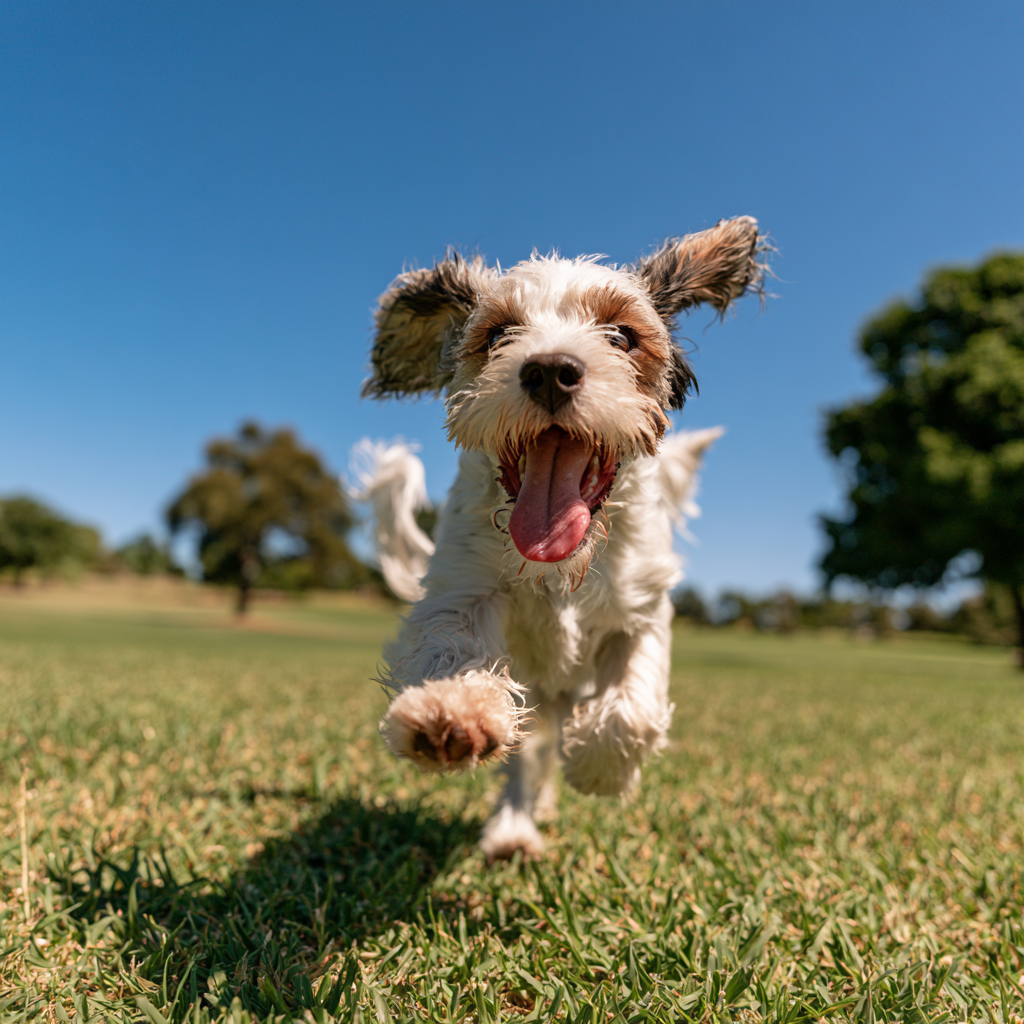
Recognizing Signs of Insufficient or Excessive Exercise
Common signs of under-exercised dogs
Dogs that are not getting enough exercise may display a variety of behavioral changes. These can include:
- Destructive behavior: dogs may chew on furniture or dig in the yard when they are bored or have excess energy.
- Hyperactivity: Lack of exercise can result in overly excited behavior or difficulty settling down.
- Excessive barking: Some dogs may vocalize more when they need an outlet for their energy.
It’s essential to consider the context of these behaviors. For instance, barking can also stem from other causes such as anxiety or excitement.
Signs of over-exercising a dog
Conversely, over-exercising can lead to injuries or exhaustion in dogs. Signs that a dog may be over-exercised include:
- Excessive panting: If your dog is panting heavily and struggles to catch their breath, they may need a break.
- Reluctance to continue: A dog that suddenly refuses to join in an activity they typically enjoy might be signaling they’ve had enough.
- Soreness or limping: Watch for any signs of physical discomfort post-exercise, which can indicate overexertion.
Monitoring your dog’s physical signals and finding the right balance is key to their health. Modifications to their routine should be made as necessary to keep them both safe and happy.
Addressing exercise needs during different life stages
Different life stages require different considerations regarding exercise. Here’s how to adjust your strategies:
- Puppies: Focus on short, fun play sessions that encourage exploration and help them learn about their environment.
- Adolescents: As dogs reach maturity, they may have bursts of energy, necessitating structured activities to channel their exuberance effectively.
- Adults: Regular exercise is vital for maintaining optimal health and weight; engaging them in activities they love will promote adherence to their routine.
- Seniors: Tailor exercise to be gentler and observational; activities may need to decrease in intensity but maintain frequency to sustain mobility.
Activities to Keep Your Dog Physically Fit
Outdoor activities and play
Outdoor exercise provides essential physical activity and mental stimulation for dogs. Activities like hiking, running, or playing fetch allow them to explore their surroundings and engage in natural behaviors. Here are some popular outdoor activities:
- Walking or jogging: Regular walks or jogs can help expend energy while providing social opportunities with other dogs and people.
- Fetch: This classic game encourages running and retrieving, which helps burn off a lot of energy in a playful context.
- Agility training: Setting up an agility course in your backyard or local park can provide excellent physical and mental stimulation.
Indoor exercises for dogs
Sometimes the weather or other factors warrant indoor activities for your dog. Here are some ideas that keep them moving:
- Stair exercise: Allowing your dog to run up and down the stairs can be an effective way to burn energy at home.
- Tug-of-war: A game of tug can engage your dog physically and mentally while also nurturing the bond you share.
- Hide and seek: This playful activity encourages obedience and mental engagement as your dog searches for you or treats hidden around the house.
Mental stimulation through play
Incorporating mental exercises into your dog’s routine is just as vital as physical activity. Engaging their brain can significantly improve their overall well-being and decrease unwanted behavior. Here are some ways to provide mental stimulation:
- Puzzle toys: These toys require dogs to work to obtain a treat, encouraging problem-solving.
- Training sessions: Teaching new tricks or reinforcing commands can challenge their intellect and keep their minds active.
- Interactive games: Engaging in games that require your dog to use their nose or memory, like scent work or hide-and-seek, can also help fulfill their mental exercise needs.
Finding the right balance of physical and mental stimulation is an ongoing process that involves observing your dog’s responses and adapting as needed. By tuning into what your dog enjoys and adjusting the exercise routine accordingly, you can vastly improve their quality of life.
Frequently Asked Questions
What factors affect how much exercise my dog needs?
Factors such as breed, age, health status, and energy level significantly influence how much exercise a dog requires each day. Individual temperament and the dog’s environment also play an essential role in determining their specific needs.
How much exercise do puppies need?
Puppies typically need several short bursts of activity throughout the day rather than extended sessions. A general guideline is about 5 minutes of exercise for each month of age, up to about 12-18 months, accommodating their developmental needs.
How can I tell if my dog is getting enough exercise?
Signs that a dog is getting enough exercise include a healthy weight, calmness at rest, and an overall balanced demeanor. If your dog appears content yet energetic during playtime and rests comfortably afterwards, their exercise needs are likely being met.
What are the signs of over-exercising a dog?
Signs of over-exercising can include excessive panting, limping, reluctance to participate in activities, or signs of pain during rest. If your dog exhibits any discomfort or extreme fatigue following exercise, it’s essential to reduce their activity level.
Can I exercise my dog too much?
Yes, it is possible to exercise a dog too much, particularly if they show signs of exhaustion or discomfort. Each dog has a threshold for physical activity, and it’s vital to observe their behavior and adjust accordingly to prevent potential injury.
How much exercise do senior dogs require?
Senior dogs typically need less rigorous exercise than younger dogs, often benefiting from 20 to 60 minutes of gentle activity each day. Tailoring the intensity and duration is essential, focusing more on low-impact exercises that promote health without causing strain.
What types of activities can I do with my dog?
Various activities can keep your dog engaged, including outdoor trips like hiking or fetching, indoor games like hide and seek, and interactive training sessions. Mixing physical and mental challenges helps keep activities interesting and beneficial.
How often should I take my dog for a walk?
Most dogs should go for walks at least once to twice a day, with each walk lasting 30 minutes to an hour, depending on their size and energy levels. Frequent short walks are often better than one long one, as they help maintain regular exercise habits.