Can Dogs Catch a Cold? Understanding Canine Respiratory Health
Can dogs catch a cold? This question often arises among pet owners who notice their furry friends sneezing, coughing, or exhibiting other signs of illness. While dogs don’t catch colds in the same way that humans do, they can suffer from respiratory infections that exhibit similar symptoms. Understanding how these infections affect our canine companions is crucial in ensuring their health and well-being.
Quick answer: Yes, dogs can catch colds, but they are more susceptible to respiratory infections caused by different viruses and bacteria than the common cold that humans experience. Symptoms can mimic those of a cold, but distinguishing between canine colds and serious respiratory illnesses is essential.
Can Dogs Catch a Cold?
Understanding Canine Respiratory Infections
Canine respiratory infections are a common issue that pet owners may encounter. Unlike humans, dogs can develop specific viral or bacterial infections, which can lead to symptoms often associated with colds, such as coughing, sneezing, and nasal discharge. The infections can be caused by a variety of pathogens, including adenoviruses, parainfluenza, and Bordetella bronchiseptica, the latter being known for causing kennel cough.
These infections typically spread through direct contact with an infected dog or by coming into contact with surfaces contaminated with respiratory secretions. Crowded environments, such as dog parks or boarding facilities, can facilitate the spread of these pathogens. Moreover, certain factors like stress or compromised immune systems can increase a dog’s susceptibility to these infections, highlighting the importance of providing a stable and healthy environment.
Differences Between Dog Colds and Human Colds
The term “cold” in dogs does not refer to the same viral illness found in humans. While both can experience respiratory infections, the causative agents and the ways they manifest differ significantly. Here are some key differences:
| Aspect | Dog Colds | Human Colds |
|---|---|---|
| Causative Agents | Viruses like parainfluenza and bacteria like Bordetella | Rhinoviruses and coronaviruses |
| Transmission | Direct contact and aerosolized droplets from cough/sneeze | Aerosolized droplets and surface contact |
| Symptoms | Coughing, sneezing, nasal discharge; more severe symptoms in some cases | Sore throat, runny nose, fatigue; generally mild symptoms |
| Treatment | Symptomatic relief and isolation; possible antibiotics for bacterial infections | Rest, hydration, over-the-counter medications |
Understanding these distinctions is crucial for pet owners in accurately assessing their dog’s health and deciding on appropriate action.
Identifying Symptoms of Illness in Dogs
Common Signs of Respiratory Issues
Recognizing symptoms in dogs is the first step toward addressing potential respiratory issues. Common signs include:
- Coughing: A persistent cough, especially if it sounds dry or honking, may indicate respiratory irritation.
- Sneezing: Occasional sneezing can be normal, but frequent sneezing may suggest a problem.
- Nasal Discharge: Clear or colored discharge from the nose can be a sign of respiratory infection.
- Lethargy: Reduced energy levels and unwillingness to engage in normal activities can signal illness.
- Labored Breathing: Watch for rapid or irregular breathing patterns, as this may indicate distress.
Being observant of these signs helps you react quickly if your dog shows symptoms of illness, ensuring timely care if needed.
Serious Symptoms That Require Vet Attention
Certain symptoms can indicate a more severe respiratory issue that requires professional intervention. These include:
- Persistent Coughing: If your dog coughs continuously for more than a day, this necessitates veterinary evaluation.
- Blue-tinged Gums or Tongue: Cyanosis can be a sign of decreased oxygen levels and requires immediate attention.
- Difficulty Breathing: Signs of distress while breathing, such as excessive panting or open-mouth breathing, warrant urgent veterinary care.
- High Fever: If your dog’s temperature exceeds 103°F (39.4°C), a vet should evaluate the situation.
- Loss of Appetite: A sudden decline in appetite lasting more than a couple of days can also be a cause for concern.
Observing these symptoms closely allows you to differentiate between mild and serious issues, leading to better outcomes for your furry friend.
Preventive Measures for Your Dog’s Health
Keeping Your Dog’s Environment Healthy
Maintaining a clean and healthy environment for your dog is an essential aspect of preventing respiratory infections. Here are some critical steps to take:
- Regular Cleaning: Disinfect toys, bedding, and common surfaces regularly to reduce pathogen presence.
- Ventilation: Ensure proper airflow in living spaces, as a well-ventilated area can help minimize the spread of viruses.
- Limit Exposure: Avoid crowded places or contact with sick animals to reduce the risk of transmission of respiratory pathogens.
- Maintain a Balanced Diet: A nutritious diet supports the immune system, enhancing your dog’s ability to fight off infections.
- Proper Hydration: Ensure your dog always has access to fresh water, as hydration is crucial for overall health.
By actively managing your dog’s environment, you can significantly reduce the likelihood of illness.
Importance of Regular Veterinary Check-ups
Regular veterinary check-ups are paramount for maintaining your dog’s health and catching potential issues early. Vets can provide vaccinations specifically targeting respiratory diseases, such as those caused by Bordetella or canine influenza.
Some of the key vaccinations that help prevent respiratory infections include:
- Bordetella vaccine: Protects against kennel cough and is especially important for dogs that frequently visit boarding facilities or parks.
- Canine influenza vaccine: Recommended for dogs in high-risk environments to prevent influenza outbreaks.
- Rabies vaccine: Not directly related to respiratory infections but critical for overall health and legal compliance.
Keeping your dog’s vaccination updated is a proactive step toward preventing respiratory diseases.
Home Remedies and Care During Illness
Safe Home Remedies for Mild Symptoms
For mild respiratory symptoms, some home remedies can provide relief. However, it’s important to approach them cautiously and observe your dog’s response. Here are a few:
- Steam Therapy: A warm bath or sitting in a steamy bathroom can help clear nasal passages.
- Honey: Small amounts of honey can soothe a sore throat, as long as your dog is not diabetic.
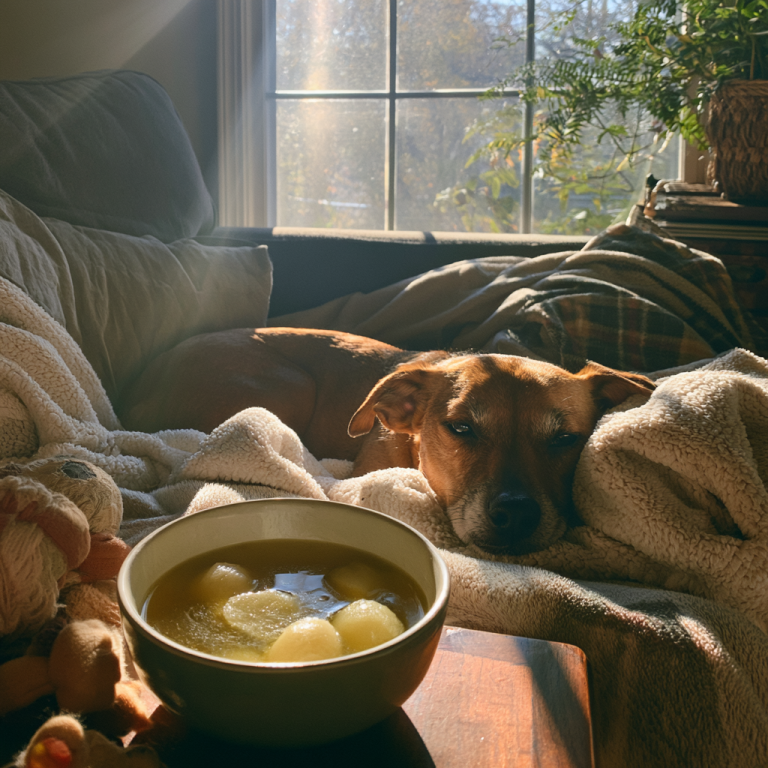
- Hydration: Encourage your dog to drink water; adding low-sodium broth can entice them if they’re reluctant.
- Rest: Provide a quiet and comfortable place for your dog to rest while recovering from mild symptoms.
However, avoid certain over-the-counter human medications and products that can be toxic to dogs, and always err on the side of caution.
When to Seek Professional Help
Knowing when to seek professional help is crucial for your dog’s safety. If your dog exhibits any serious symptoms as previously outlined or if mild symptoms do not improve within a few days, a veterinary consultation is warranted.
Some additional signs to watch for include:
- Persistent lethargy that interferes with daily life.
- Increased respiratory rate or effort even at rest.
- Vocalization of pain or discomfort during coughing or swallowing.
- Severe nasal discharge that is green or has an unusual odor.
By staying alert and aware of these indicators, you can help ensure that your dog receives the necessary care in a timely manner.
Frequently Asked Questions
What are the symptoms of a cold in dogs?
Symptoms of a cold in dogs can include coughing, sneezing, a runny nose, lethargy, and a loss of appetite. Dogs may also exhibit labored breathing or unusual vocalizations.
How can you tell if your dog is sick?
Signs of illness in dogs can manifest as changes in behavior, decreased energy, or lack of appetite. Additionally, physical symptoms like vomiting, diarrhea, or coughing may indicate sickness.
Can dogs catch human colds?
Dogs do not catch human colds as the viruses responsible for colds in humans typically do not infect dogs. However, they can suffer from their own respiratory infections.
What should I do if my dog has a cold?
If your dog exhibits mild cold symptoms, provide a comfortable resting area and ensure they stay hydrated. Monitor their condition closely and consult a veterinarian if symptoms persist or worsen.
How to prevent colds in dogs?
To prevent colds in dogs, maintain a clean environment, ensure adequate ventilation, and limit exposure to crowded areas. Regular veterinary check-ups and vaccinations are also critical for preventive health care.