Canine Colds Treatment: How to Help Your Dog Recover
Canine colds treatment is an important topic for pet owners, especially during colder months when respiratory illnesses can become more common. Just like humans, dogs can catch colds due to a variety of factors. Understanding the symptoms, treatment options, and when to seek veterinary care can ensure your furry friend recovers quickly and comfortably.
Quick answer: Canine colds treatment typically includes home remedies, nutritional support, and, in some cases, veterinary intervention. If your dog shows severe symptoms or exhibits signs of respiratory distress, it is essential to consult a veterinarian promptly.
Understanding Canine Colds
What are the Symptoms of a Cold in Dogs?
Recognizing the symptoms of a cold in dogs is crucial for timely treatment. While some signs may seem mild, they can affect your dog’s overall well-being. Common symptoms include:
- Runny Nose: A clear or cloudy discharge may occur.
- Coughing: Dogs might develop a dry cough that can sometimes sound harsh.
- Sneezing: Frequent sneezing could indicate nasal irritation.
- Fatigue: Your dog may show signs of lethargy, appearing less energetic than usual.
- Reduced Appetite: A decreased interest in food is common during illness.
- Fever: Elevated body temperature may occur, though this is challenging to assess without a thermometer.
It’s important to understand that cold symptoms can overlap with those of more serious conditions, such as kennel cough or canine influenza. For instance, if your dog experiences severe coughing or significant difficulty breathing, it could suggest a more serious health issue. Monitoring your dog closely for changes in behavior and vital signs is essential.
How Can Dogs Catch Colds?
Dogs can catch colds through several routes, primarily viral infections. Common causes include:
- Direct Contact: Close contact with an infected dog can facilitate the spread of respiratory viruses.
- Aerosol Transmission: Coughing and sneezing can release pathogens into the air, which can be inhaled by other dogs.
- Environmental Factors: Changes in temperature, humidity, or exposure to cold drafts can weaken a dog’s immune system, making them more susceptible.
- Stress: Any factor that weakens a dog’s immune response, such as stress or another underlying condition, can increase susceptibility to colds.
Understanding these routes of transmission can help you take preventive measures to protect your dog, especially if they are frequently around other dogs or in unfamiliar environments.
Canine Colds Treatment Options
Home Remedies for Cold Symptoms
When considering home remedies for treating canine colds, several options can alleviate symptoms and support recovery. Here are some commonly recommended approaches:
- Humidifier Use: Adding moisture to the air can help ease respiratory congestion. A humidifier in the room where your dog sleeps can provide relief.
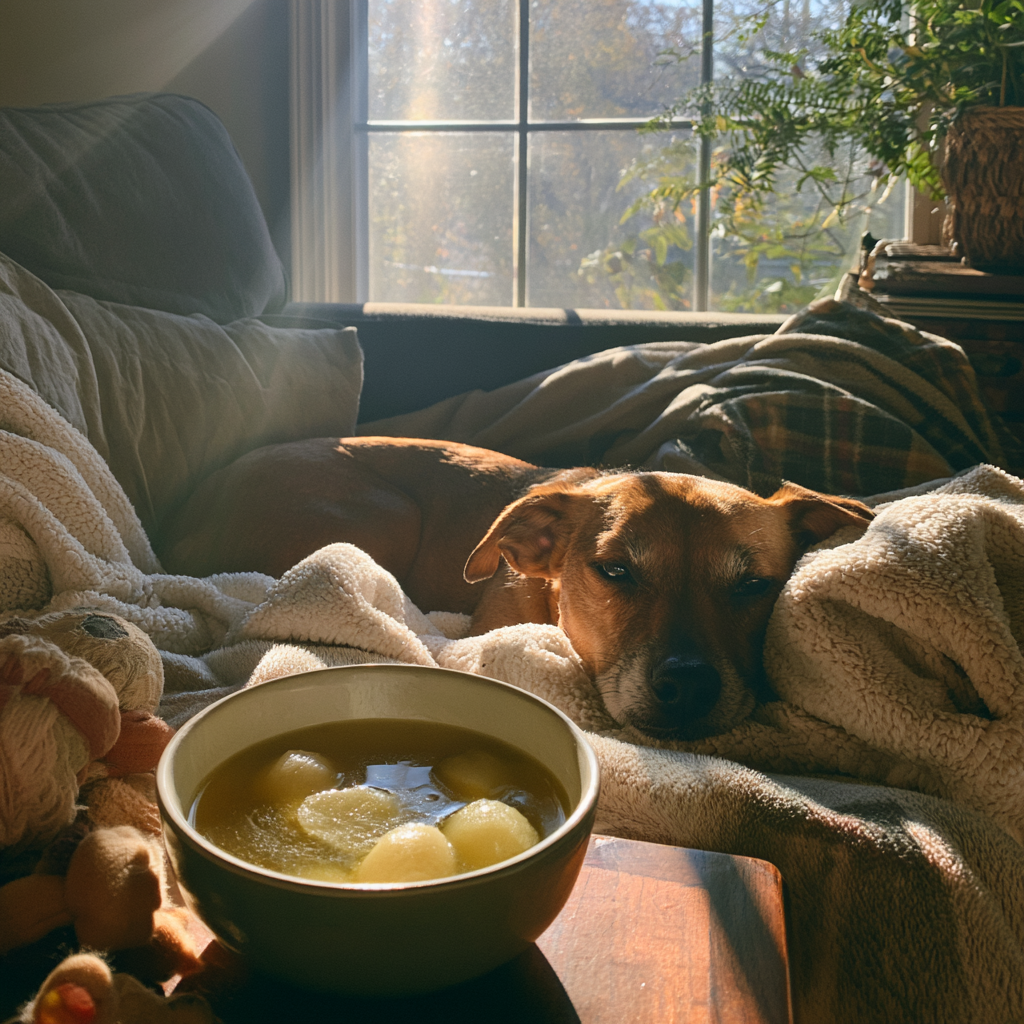
- Fluid Intake: Ensure your dog stays hydrated. Encouraging water consumption or offering low-sodium broth can support recovery.
- Warmth: Keeping your dog warm and cozy can make them feel more comfortable. Make sure they have a soft blanket in their resting area.
- Honey: In small amounts, honey can help soothe your dog’s throat. Consult your vet for the appropriate dosage based on your dog’s size—typically, a teaspoon may be suitable for larger breeds.
Be cautious with dosage, especially when using remedies like honey; for example, small dogs might only require a smaller fraction of a teaspoon and should always avoid excessive quantities. Observe your dog for any adverse reactions, such as gastrointestinal upset, and discontinue use if issues arise.
Nutritional Support During Recovery
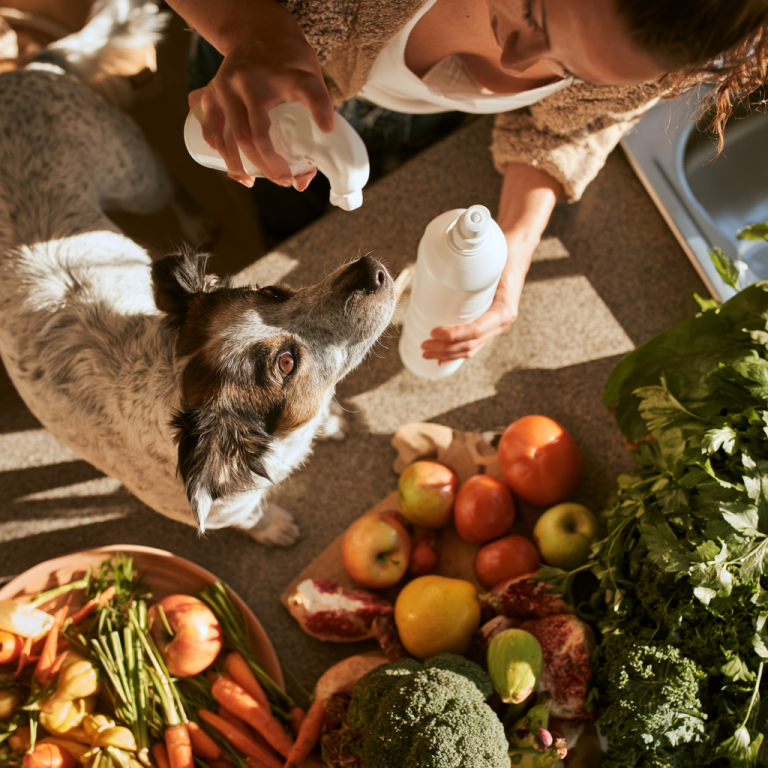
Maintaining a nutritious diet can significantly assist in your dog’s recovery from a cold. Focus on the following:
- High-Quality Dog Food: Choose dog food that is rich in vitamins and minerals, contributing to better immune support.
- Warm Meals: Heating your dog’s food can make it more appealing and easier to eat if they have a reduced appetite.
- Supplements: Probiotics and omega fatty acids can support immune function. Speak with your veterinarian about suitable options for your dog.
Ensure that while you provide nutritional support, the food is balanced for your dog’s age, size, and health status to avoid any dietary imbalances during their recovery.
Veterinary Treatments and Medications
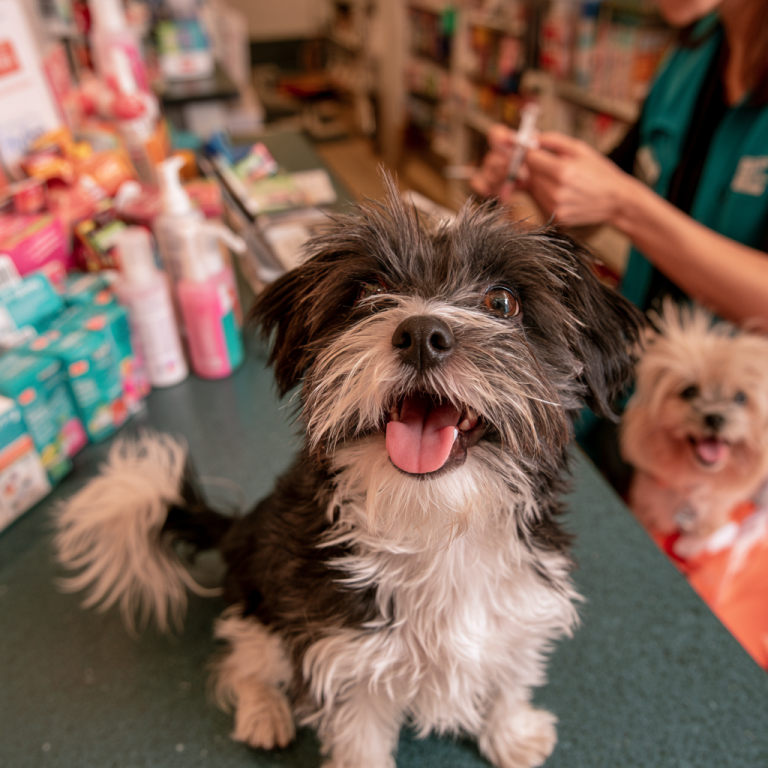
While many dogs can recover from colds without veterinary intervention, some cases may require professional care. If your dog exhibits severe or persistent symptoms, your veterinarian may prescribe:
- Adequate Diagnostics: Vet visits may include physical examinations, throat swabs, or blood tests to rule out more serious conditions.
- Antibiotics: If a bacterial infection is suspected alongside a viral cold, antibiotics may be prescribed to combat secondary infections.
- Antitussives: Medications that suppress cough can be recommended if the cough is dry and distressing.
- Anti-inflammatories: If your dog is experiencing significant discomfort, anti-inflammatory medications may be needed.
Always follow your vet’s instructions regarding medication dosages and schedules. Observing your dog for signs of improvement or decline during treatment is essential, as this can inform further veterinary decisions.
When to Seek Veterinary Care
Signs That Require Immediate Attention
Certain signs indicate when canine colds treatment should escalate to veterinary attention. Look out for:
- Difficulty Breathing: If your dog is struggling for breath, it is a serious concern that requires immediate evaluation.
- Severe Lethargy: If your dog appears lethargic or isn’t responding as usual, it may indicate a more serious health issue.
- Persistent Vomiting or Diarrhea: Gastrointestinal upset alongside cold symptoms can exacerbate health concerns and requires veterinary intervention.
- High Fever: A fever over 103°F (39.4°C) that persists can indicate a more serious infection needing immediate care.
Recognizing these warning signs ensures that any potential complications receive timely management.
Preventative Measures to Protect Your Dog
Preventative care can significantly reduce the chances of your dog catching a cold. Consider these measures:
- Vaccinations: Ensure your dog is up to date on all vaccinations, particularly those for infectious respiratory diseases.
- Regular Vet Check-ups: Regular veterinary exams can catch existing conditions that may compromise your dog’s immune system.
- Limiting Exposure: Avoid exposing your dog to other dogs in crowded settings, especially during peak cold seasons.
- Healthy Lifestyle: Encourage a balanced diet and regular exercise to help keep your dog’s immune system robust.
While some breeds may be more susceptible to respiratory problems, such as Bulldogs and Pugs due to their short snouts, individual factors like history and overall health play a more significant role in immune function.
Observing your dog’s health and being proactive can make a substantial difference in their well-being.
Frequently Asked Questions
Can I use over-the-counter medicines for my dog’s cold?
It’s generally not recommended to use over-the-counter medicines designed for humans, as they may not be safe or effective for dogs. Always consult your veterinarian before administering any medication to your pet.
How can I ease my dog’s cold symptoms at home?
You can ease your dog’s cold symptoms by ensuring they stay hydrated, providing a warm and humid environment, and encouraging rest. Additionally, warm, nutritious foods can help stimulate their appetite.
When should I take my dog to the vet for a cold?
If your dog’s symptoms persist for more than a few days, worsen, or if you notice signs such as difficulty breathing or severe lethargy, it’s advisable to consult your veterinarian.
Are canine colds contagious to other pets?
Yes, canine colds can be contagious to other dogs, particularly in environments like dog parks or kennels. On the other hand, they are generally not transmissible to cats or other animals.