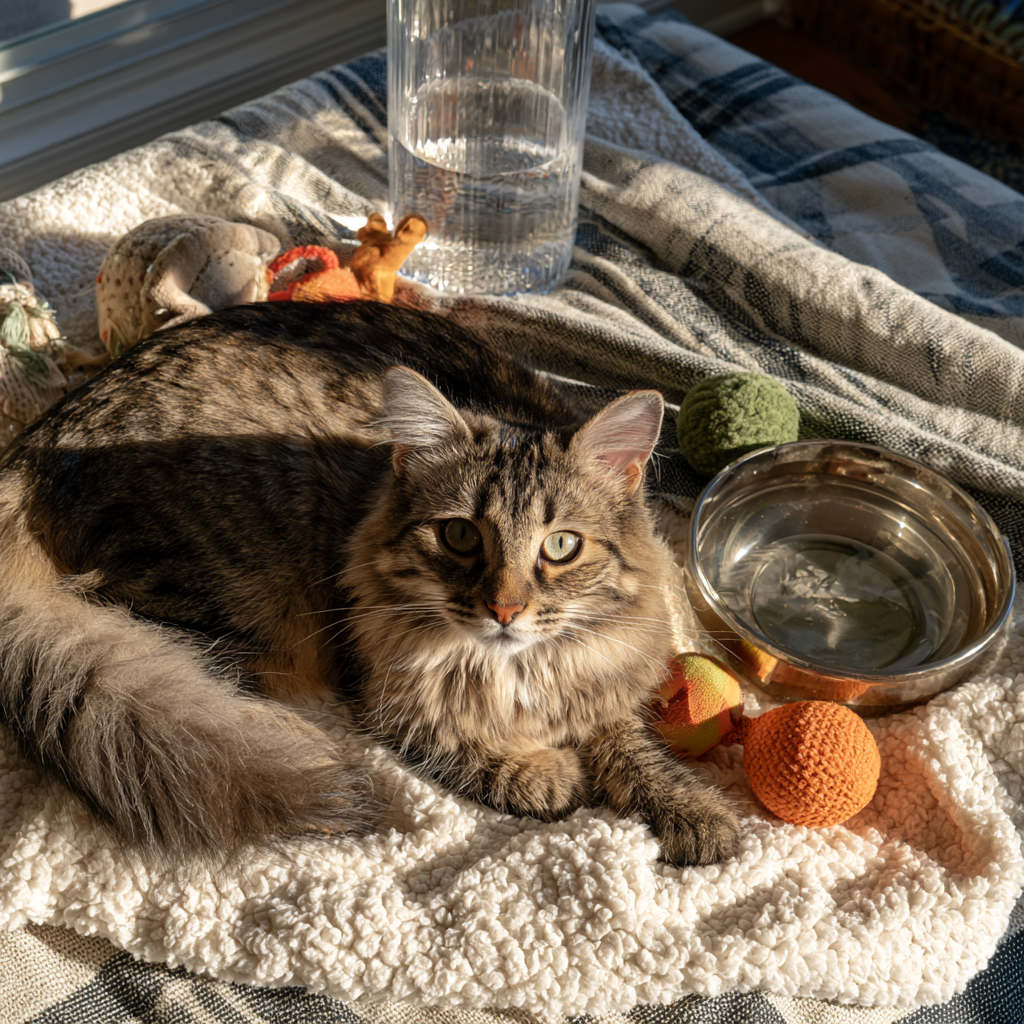
Cat Anxiety Symptoms: Recognize and Manage Them Effectively
Understanding cat anxiety symptoms is vital for maintaining your feline friend’s well-being. Many cats experience stress, which can manifest in various ways, impacting their behavior and health. Recognizing these signs early on allows you to take effective measures to comfort your pet and reduce their anxiety, creating a happier environment for both of you.
Quick answer: Common cat anxiety symptoms include excessive grooming, hiding, and changes in eating habits. Observing these signs closely can help you address your cat’s anxiety with appropriate interventions.
Identifying Cat Anxiety Symptoms
What Are Common Signs of Cat Anxiety?
Recognizing cat anxiety symptoms is the first step toward helping your feline companion. While each cat is unique, some common signs include:
- Excessive Grooming: Cats may groom themselves to the point of developing bald patches, which can indicate they are stressed.
- Hiding: If your cat starts spending more time in secluded spots, it might be feeling anxious about its environment.
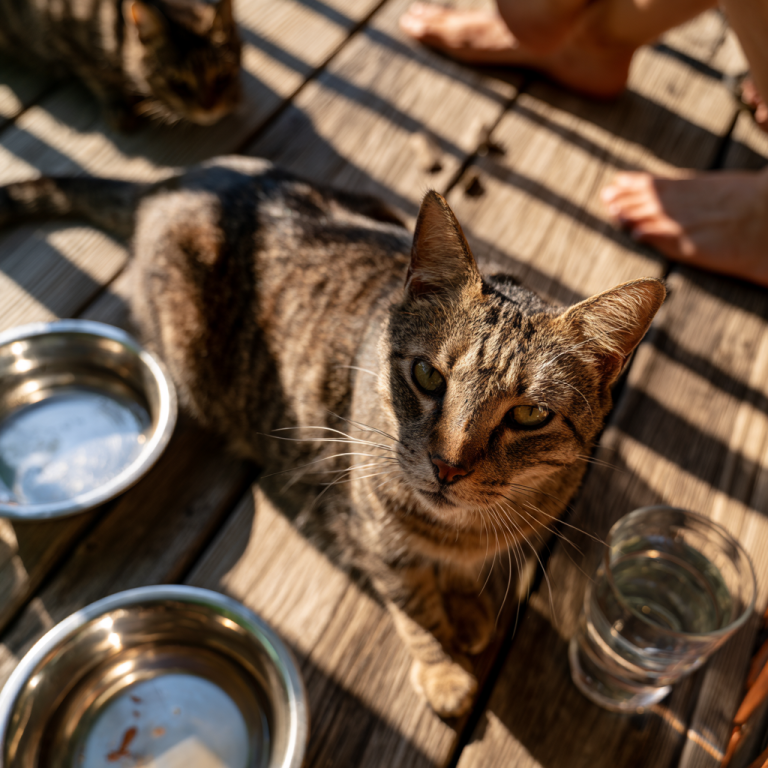
- Changes in Eating Habits: A sudden increase or decrease in appetite may symbolize anxiety or stress.
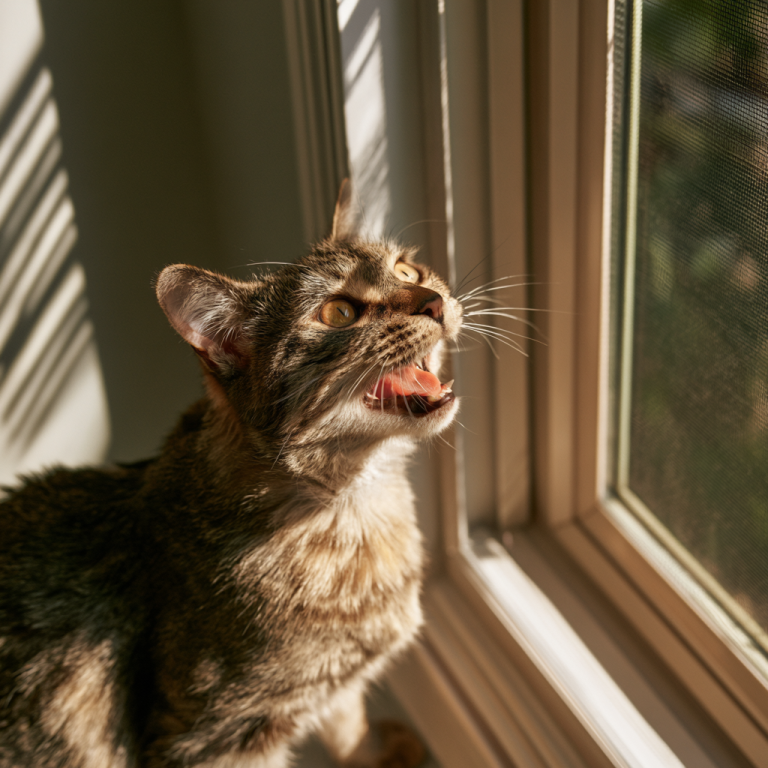
- Vocalization: Increased meowing or yowling can signal that your cat is feeling insecure or distressed.
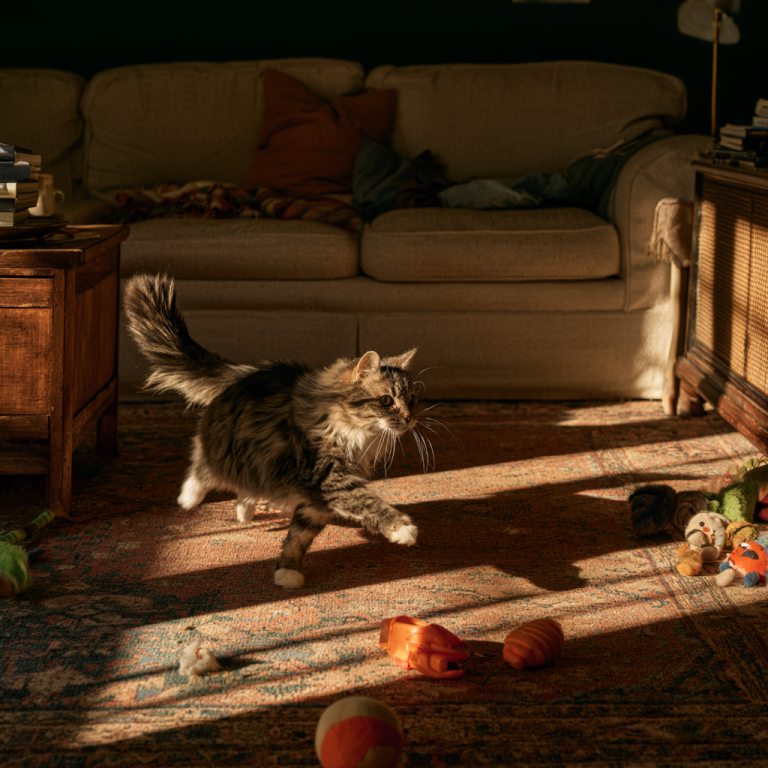
- Destructive Behavior: Scratching furniture or knocking things over may be an outlet for stress-induced energy.
Behavioral Changes to Look Out For
In addition to the common signs mentioned, behavioral changes can often signal underlying anxiety in your cat. You may notice that your once social cat becomes more withdrawn or less active. It can also exhibit uncertainty when faced with familiar situations. For example, if a cat that usually greets you at the door suddenly retreats under the couch, this could be a red flag. Observe your cat’s reactions to established routines, as any shift may highlight discomfort or anxiety. Additionally, if your cat starts to excessively meow or follow you around more than usual, this may signify a need for reassurance.
Physical Symptoms Indicative of Anxiety
Recognizing Physical Manifestations
Cat anxiety symptoms are not only behavioral; physical symptoms can also present themselves. Some signs include:
- Rapid Breathing: An accelerated breathing rate can indicate anxiety, especially in stressful situations.
- Body Language: A tense body stance, along with flattened ears or a tucked tail, can suggest discomfort and fear.
- Vomiting or Diarrhea: Stress can lead to gastrointestinal issues, so if your cat experiences these symptoms frequently, it may be worth investigating.
Recognizing these physical manifestations allows you to consider the root causes of anxiety and how best to address them. Providing a calm atmosphere can help mitigate these symptoms before they escalate.
The Importance of Regular Vet Check-ups
Maintaining regular veterinary check-ups is crucial for your cat’s overall health and well-being. Not only can your vet provide a physical assessment to rule out medical issues contributing to anxiety, but they can also offer strategies to manage stress effectively. Behavioral changes are often linked to health problems, so it’s wise to ensure that your cat’s anxiety isn’t causing underlying health issues or vice versa. Regular check-ups also help you stay informed about your cat’s specific needs and any environmental factors, such as potential allergens, that might be playing a role in their anxiety.
Managing Cat Anxiety at Home
Creating a Safe Environment
One of the most effective ways to manage cat anxiety symptoms is by crafting a safe and nurturing home environment. Here are some strategies to consider:
- Designate a Safe Space: Provide a quiet area where your cat can retreat, with cozy bedding and toys, to ensure it feels secure.
- Avoid Sudden Changes: Keep the home environment consistent by minimizing drastic changes in furniture arrangement or routine activities.
- Encourage Exploration: Use cat trees or access to windows to create stimulating areas. This enables your cat to feel engaged while also having the option to monitor their surroundings safely.
By taking these steps, you can help establish a calm atmosphere that minimizes stress triggers and allows your cat to feel more secure in its territory.
Interactive Games and Activities
Engaging your cat in interactive games and activities can also alleviate anxiety. Feline play is not just for enjoyment; it promotes mental stimulation and can significantly reduce stress levels. Here are some ideas:
- Interactive Toys: Invest in toys that encourage exploration, such as feather wands or laser pointers, to help fulfill your cat’s hunting instincts.
- Puzzle Feeders: Use feeders designed to challenge your cat’s intelligence, turning mealtimes into fun, engaging experiences.
- Regular Playtime: Establish a routine that includes daily play sessions. This consistency can help your cat feel secure and reduce anxiety levels.
Through these activities, you create opportunities for exercise and mental engagement, which can lower anxiety levels and promote a more balanced emotional state.
Long-term Solutions for Cat Stress
Behavioral Therapy Options
If you recognize persistent anxiety in your cat, behavioral therapy might be a worthwhile avenue to explore. Techniques such as positive reinforcement training can help change undesirable behaviors linked to anxiety. For instance, rewarding your cat for calm behavior during stressful situations, like visits from guests, can gradually help them acclimate. Additionally, consider consulting with a certified animal behaviorist who can analyze your cat’s specific behaviors through individualized support and tailored intervention strategies.
When to Consider Medication
In some cases, medication might be necessary to manage severe anxiety symptoms effectively. If your cat’s anxiety is significantly impacting its quality of life, discussing medication options with your veterinarian is crucial. They may prescribe anti-anxiety medications as part of a holistic approach, combining pharmaceuticals with behavioral modification techniques and environmental changes. Regular follow-ups with your veterinarian will help monitor the effectiveness of the treatment and make any necessary adjustments.
Recognizing and addressing cat anxiety symptoms can lead to a more fulfilling relationship with your pet. By understanding the signs of anxiety, providing a safe environment, engaging them in play, and considering professional help when necessary, you can empower your cat to feel more secure and comfortable in its surroundings.
Frequently Asked Questions
How can I tell if my cat is anxious?
Common signs of cat anxiety include excessive grooming, hiding, changes in eating habits, increased vocalization, and destructive behavior. Observing any unusual behavioral shifts can help indicate anxiety.
What should I do if my cat shows anxiety symptoms?
Start by creating a safe environment and engaging your cat in interactive play. If symptoms persist, consider consulting your vet for tailored strategies or potential medication.
Are there specific breeds prone to anxiety?
While breed can play a role in behavior, individual temperament and experiences are more predictive of anxiety than breed alone. Some cats may have predispositions, but many factors contribute to anxiety.
Can cat anxiety be treated without medication?
Yes, anxiety can often be managed without medication through behavioral modifications, creating a stable environment, and using interactive play tailored to your cat’s preferences.
What environmental factors can cause anxiety in cats?
Changes in the home, such as moving, new pets, or loud noises can contribute to anxiety. Additionally, a lack of stimulation or secure spaces in the home can also exacerbate stress.
How does cat anxiety impact their health?
Anxiety can lead to various health issues, including changes in appetite, gastrointestinal problems, and weakened immune function. Addressing anxiety is crucial to maintaining overall health and well-being.