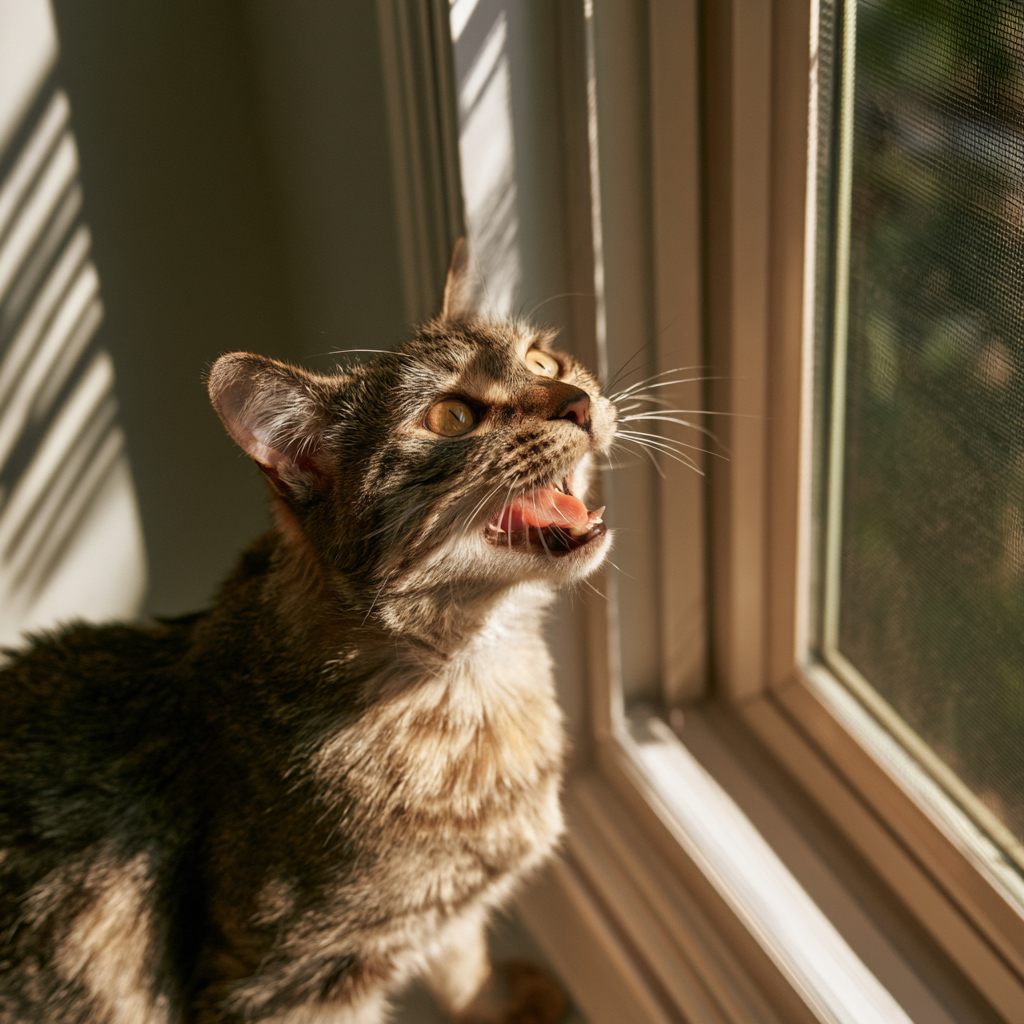
Cat Chattering Meaning: Unraveling the Mystery
Cat chattering meaning can often puzzle cat owners, especially when their feline friends produce this peculiar sound. You may be sitting quietly when your cat suddenly begins to emit a series of rapid, choppy sounds, leaving you wondering what exactly is happening. Understanding this behavior requires insight into the motivations and emotions that drive our cats, making it a fascinating subject for pet enthusiasts.
Quick answer: Cat chattering is a vocalization often associated with predatory excitement or frustration. While it is commonly observed in cats watching birds or small animals, it can also arise during play or stress. The sound may vary, and understanding its context is key to interpreting the specific meaning behind it.
Understanding Cat Chattering Meaning
What is cat chattering?
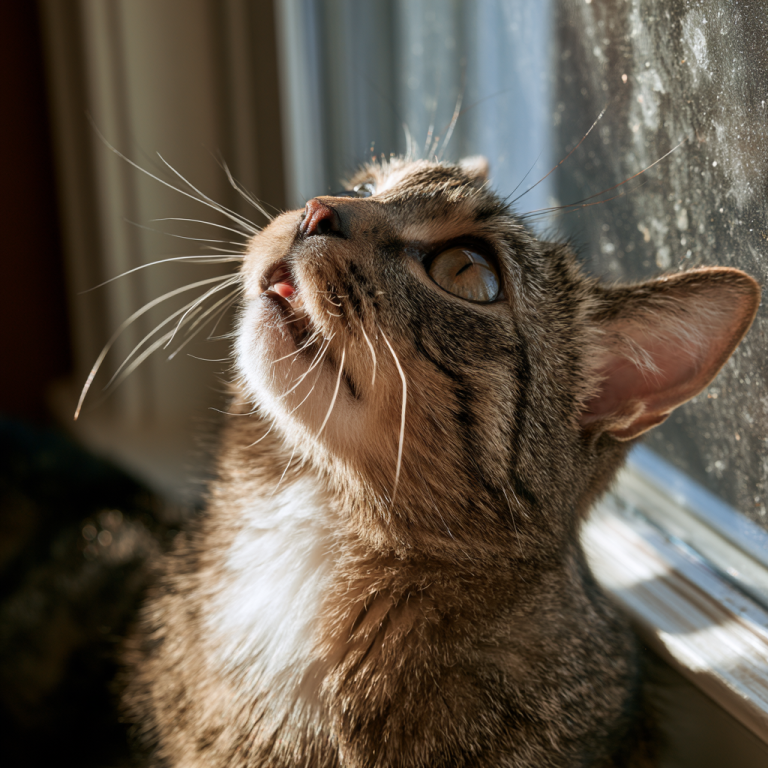
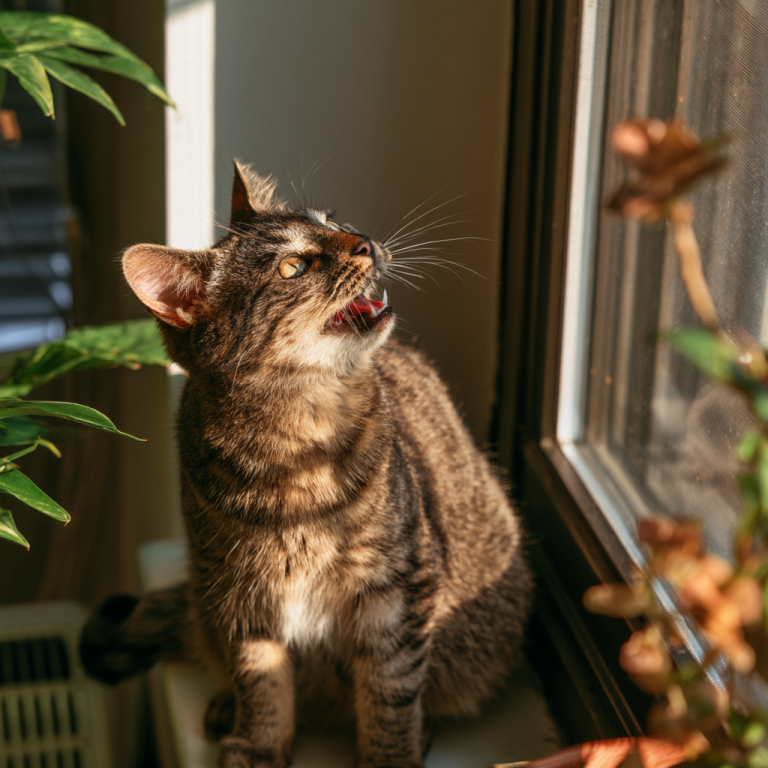
Cat chattering is a unique vocalization characterized by a series of abrupt, repetitive sounds. You might notice your cat making this noise while being fixated on something, such as a bird outside the window. The chatter itself can sound like a mix of soft chirps and growls, and it typically lasts several seconds. This behavior can be both intriguing and bewildering, as the rapid-fire sounds often come out of nowhere.
The psychology behind chattering
The psychology behind cat chattering is still a subject of debate among researchers, but several theories provide insight into why cats engage in this behavior. One prevalent hypothesis suggests that the sound mimics the calls of birds or small animals, potentially serving as a hunting instinct. This mimicking could be an evolutionary adaptive mechanism designed to lure prey within striking distance.
Additionally, chattering may express excitement or frustration. When a cat sees something it wishes to hunt but cannot access, the frustration can manifest as vocal chattering, signaling that they are both intrigued and thwarted. Understanding this psychological aspect allows owners to better interpret their cat’s emotional state and motivations when it starts chattering.
Comparing Cat Chattering to Other Sounds
Chirps and trills versus chattering
While cat chattering is distinctive, it often gets compared to other vocalizations, particularly chirps and trills. Both chirps and trills are designed to communicate and can express various emotions. Chirps are typically short, sharp sounds made by cats to get attention, while trills serve as a friendly greeting or expression of excitement.
Here’s a brief
| Sound Type | Characteristics | Meaning |
|---|---|---|
| Chattering | Rapid, choppy vocalization, often while observing prey | Excitement or frustration |
| Chirps | Short, sharp sounds | Attention-seeking or playful behavior |
| Trills | Soft and elongated sounds | Greeting or expressing affection |
What other sounds signify
Cats have a diverse range of vocalizations beyond chattering, each serving a distinct purpose. Understanding these other sounds can enhance an owner’s ability to respond appropriately to their pet’s needs. Common vocalizations include:
- Meowing: Signifies a variety of requests — from hunger to affection.
- Growling: Indicates discomfort, hostility, or irritation.
- Hissing: A clear sign of a defensive attitude or fear response.
By recognizing the meanings of these sounds, you can better interpret your cat’s emotional state and needs.
Cat Chattering in Different Contexts
Chattering while watching prey
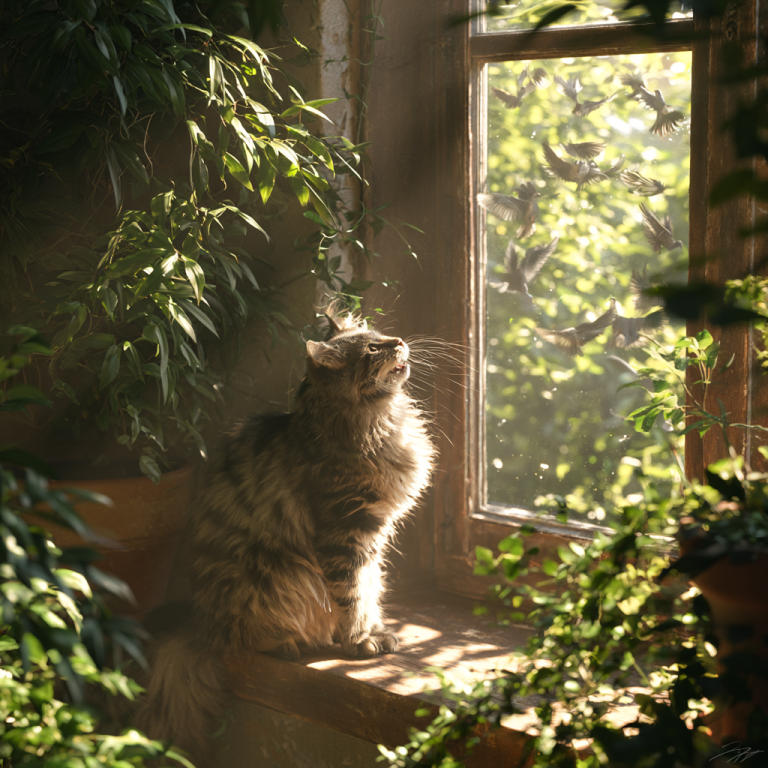
One of the most common situations where you’ll hear cat chattering is when your feline is observing potential prey. This behavior often occurs during birdwatching or when they spot a squirrel. You may observe your cat crouching low with its eyes wide, focused intently on the target. The chattering in this context likely stems from their natural hunting instincts, combining excitement with an underlying frustration at being unable to pursue their interest. You might watch them twitch their tails and pace back and forth as well, displaying signs of high energy directed toward the source of their fascination.
Chattering during play or stress
Chattering can also emerge during play or moments of stress. If a cat is playing with a wand toy, for instance, it may resort to chattering as it mimics hunting behavior, showcasing its excitement and engagement with the game. Conversely, if a cat finds itself in a highly stimulating or stressful environment—perhaps due to loud noises or the presence of other pets—it might resort to chattering as a stress response. It’s crucial to assess the context in which the chattering occurs to draw meaningful conclusions about your cat’s emotional state.
Signs of Stress or Excitement
Identifying negative triggers
Identifying stress triggers in your cat can be essential to maintaining its well-being. Signs of stress may include:
- Withdrawal from interactions or hiding in secluded spaces
- Changes in eating habits, such as a sudden loss of appetite
- Aggression or excessive vocalizations, including hissing or growling
- Excessive grooming or changes in litter box habits
If your cat is chattering while exhibiting these signs, it may be responding to something distressing in its environment. Observing these indicators can help you intervene by reducing stressors or providing a calming environment.
Interpreting your cat’s overall demeanor
Not only is it important to focus on the chattering itself, but also on your cat’s overall demeanor at that moment. A calm, relaxed body posture with ears pointing in the direction of its focus might reflect pure excitement directed toward a bird beyond the window. In contrast, a tense posture, puffed up fur, or flattened ears while chattering indicates heightened stress or fear. Observing these subtle body language cues in conjunction with vocalizations will offer a holistic understanding of your cat’s emotional landscape.
How to Respond to Cat Chattering
Engaging your cat positively
When you notice your cat chattering, engaging with them positively can enhance their experience. A few suggestions to connect with your cat can include:
- Offer a toy that mimics hunted prey, encouraging play and mimicry of their natural instincts.
- Provide a safe space where they can watch their preferred targets, ensuring that they feel comfortable and secure.
- Play soothing music or use calming pheromones if stress is suspected, to help reduce anxiety.
Each cat is unique, so observe their reactions to gauge what works best—some may appreciate your interaction while others may prefer to remain undisturbed.
When to consult a veterinarian
If your cat’s chattering escalates or is accompanied by signs of distress, it’s advisable to consult a veterinarian. Additionally, if you notice significant behavioral changes, such as a sudden increase in vocalizations or a loss of interest in activities they once enjoyed, these may warrant further investigation. A veterinarian can help rule out any underlying medical issues or offer advice on coping strategies for stress or anxiety.
Overall, understanding cat chattering meaning helps us evoke empathy for our feline companions. By tuning into their sounds and behaviors, we can better respond to their emotions and needs, leading to a healthier, happier pet-owner relationship.
Frequently Asked Questions
What does it mean when a cat chatters?
Cat chattering often signals excitement or frustration, typically related to a hunting instinct. It may occur when they see birds or other prey that they cannot reach, reflecting both a desire to engage and a response to stimulation.
Is cat chattering a sign of hunting?
Yes, cat chattering is frequently associated with hunting behaviors. Cats may chatter when they spot potential prey, indicating a mixture of excitement and frustration stemming from their instinctive urge to hunt.
Can cat chattering indicate distress?
While chattering generally reflects excitement related to hunting, it can also be a response to stress or anxiety in some situations. Observing your cat’s body language is crucial in determining if the chattering is a sign of distress.
How can I interpret my cat’s sounds?
Interpreting your cat’s sounds involves considering context, body language, and individual vocalizations. Listening for nuances in the sounds they make can help you understand their emotions and needs better.
What causes cats to make chattering noises?
Cats typically make chattering noises as a response to something exciting, such as spotting potential prey. It may also demonstrate their frustration at being unable to hunt or play effectively.
Are there specific triggers for cat chattering?
Specific triggers for cat chattering often include sightings of birds or other small animals, engaging with toys resembling prey, or even feeling frustrated in high-stimulus environments.
What should I do if my cat chatters frequently?
If your cat chatters frequently, paying attention to the context and its behavior is essential. Engage your cat with appropriate toys and activities, and consult a veterinarian if you notice significant changes in vocalizations.
Is cat chattering common among all breeds?
While chattering can occur in all breeds, individual differences in personality and behavioral tendencies may affect the frequency and context of this vocalization. Each cat may chime in more or less based on its unique traits and experiences.