Cultural Symbolism: What Cats Represent in History and Mythology
Cultural Symbolism: What Cats Represent in History and Mythology is a fascinating exploration of how these enigmatic creatures have woven their way through the tapestry of human culture. Throughout history, cats have been viewed not just as companions, but as profound symbols, taking on multiple meanings across different societies and eras. Their elegance and mystery have often prompted admiration, reverence, and sometimes fear. This article delves into the multifaceted symbolism of cats, drawing from ancient civilizations to contemporary belief systems.
Quick answer: Cats have represented various symbols throughout history and mythology, including protection, fertility, and mystery. In different cultures, they are seen as guardians, magical beings, or even omens, illustrating a rich tapestry of beliefs surrounding these animals.
Cultural Symbolism: What Cats Represent in History and Mythology
The role of cats in ancient Egyptian society
Cats held a revered status in ancient Egyptian society, symbolizing grace, protection, and fertility. Egyptians celebrated these animals for their hunting skills, particularly in controlling vermin that threatened grain supplies. The goddess Bastet, often depicted with a lioness or as a domestic cat, represented home, fertility, and domesticity. She was believed to protect the household and was associated with the nurturing aspects of motherhood, making cats central to both familial and agricultural wellbeing.
Additionally, Egyptians went to great lengths to honor their feline companions; they built temples, such as the one in Bubastis dedicated to Bastet. Cats were often mummified and buried with elaborate ceremonies, reflecting the belief that they would continue to guide and protect their owners in the afterlife. This profound reverence transforms the cat into not just a pet but a vital spiritual companion, believed to foster safety and prosperity.
Cats in Roman and Greek mythology
In Roman and Greek mythology, cats were not as prominently featured as in Egyptian culture, but they still held significant symbolic meaning. Ancient Greeks often associated cats with the goddess Artemis, the protector of the hunt, wildlife, and the moon. As her sacred animal, the cat represented independence and intuition, traits that resonated with the hunters and gatherers of ancient times.
Roman mythology took a different direction with the character of the goddess Libertas, who was sometimes accompanied by a feline. Here, cats symbolized liberty and independence, echoing the Roman values of freedom and self-determination. Notably, the Greeks also held a superstitious belief that cats could be seen as omens, carrying premonitions of prosperity or misfortune.
Feline symbolism in Asian cultures
In many Asian cultures, cats bear rich symbolism that transcends mere companionship. In Japan, the “Maneki Neko,” or beckoning cat, is a widely recognized symbol of good fortune and prosperity. Typically depicted with one paw raised, this cat is believed to attract wealth and success to its owner. Its presence in shops and homes reflects the cultural belief that the cat serves as a guardian spirit, watching over and inviting blessings.
In China, cats symbolize protection and often feature in folklore as guardians against evil spirits. The famous story of the “White Cat” warns of the dangers of neglecting one’s duties. Moreover, Buddhist traditions view cats as creatures of mindfulness, reminding humans of the importance of living in the present. The confluence of these beliefs illustrates how deeply ingrained feline symbolism is in the cultural fabric of Asia.
Norse mythology and the significance of cats
Norse mythology places a significant emphasis on the role of cats, particularly in the lore surrounding the goddess Freyja. Often depicted riding a chariot pulled by two large cats, Freyja embodies love, fertility, and war. Cats, in this context, symbolize independence and mystery, qualities that were revered in Norse societies. They are seen as protectors, aiding in the harvest and providing guidance in both life and death.
Additionally, legends suggest that cats were believed to bring good luck, especially to women, in matters of love and fertility. The reverence for these creatures extended to their inclusion in various cultural practices and superstitions, where possessing a cat was thought to bring blessings and abundance.
Common myths about cats in Western folklore
Various myths and stories about cats have emerged in Western folklore, often imbued with both magic and fear. One prevalent theme is the association of black cats with witchcraft. During the Middle Ages, these black felines were believed to be witches’ familiars, thought to possess supernatural powers. This belief often led to tragic outcomes, as superstition fueled fear, resulting in the persecution of both cats and women accused of witchcraft.
Conversely, there are also positive myths surrounding cats, such as the belief that they can sense and ward off negative energy. Folklore dictates that a cat’s presence in a household can bring luck and prosperity. These dualities in perception reveal society’s complex relationship with cats, intertwining admiration with suspicion and reverence with fear.
The Spiritual and Superstitious Aspects of Cats
Cats as symbols of fertility and motherhood
Throughout various cultures, cats have been emblematic of fertility, motherhood, and nurturing instincts. This association likely stems from their highly maternal behavior, as female cats exhibit affectionate and protective traits towards their kittens. The ability of cats to reproduce frequently and raise numerous offspring strengthens their connection to fertility.
In folklore, this symbolism extends to agricultural societies where cats were seen as protectors of grain and food supplies, embodying the ideals of abundance. Their nurturing presence is also metaphorically linked to nurturing environments for families. Thus, cats symbolize not only the beauty of motherhood but also the sustenance necessary for life.
The role of black cats in superstition
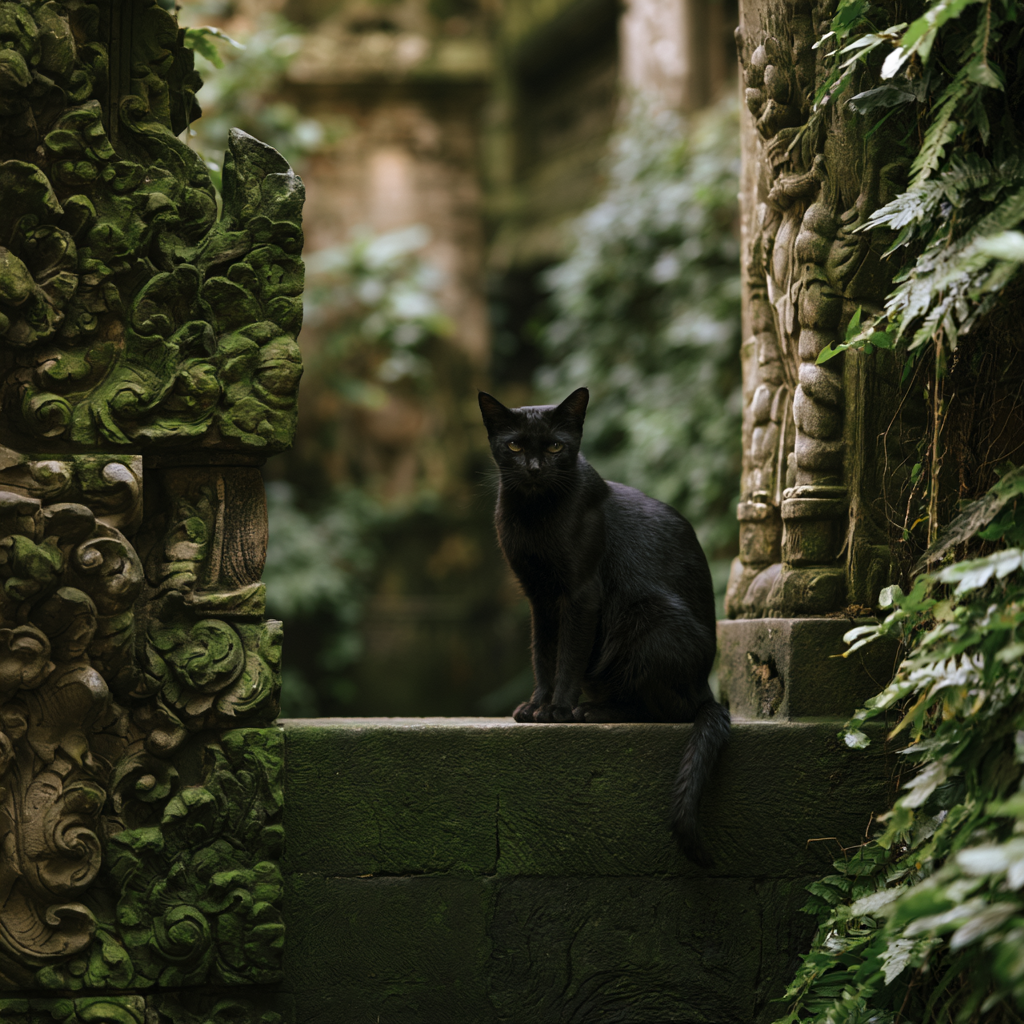
Black cats have held a controversial position in various cultures, particularly due to their association with superstitions and folklore. For many, they represent bad luck and are often seen as omens of misfortune. This belief is deeply rooted in historical associations with witchcraft, particularly during the 16th and 17th centuries when cats, especially black ones, were linked to witches or feared as harbingers of malevolence.
Alternatively, other cultures view black cats as omens of good fortune. In Scotland, a strange black cat’s arrival at one’s home is considered a sign of prosperity. The duality of black cat symbolism reveals how perceptions can differ widely, based on geographical and cultural contexts. Observing a cat’s behavior can help discern these beliefs, as no single trait uniformly defines all black cats.
Cats in various religious contexts
Cats appear in a variety of religious contexts, often embodying different values and beliefs. In Islam, for instance, cats are respected animals and are often associated with cleanliness and piety. It is believed that the Prophet Muhammad had a fondness for cats, encouraging their care. This positive depiction stands in stark contrast to how they are viewed in some Western traditions.
In Hinduism, cats are often regarded with indifference; they do not hold a significant role in religious texts, but some stories and local practices suggest they are guardians of the home, similar to their function in other cultures. Overall, the role of cats in religion varies widely, with each belief system offering unique interpretations that reflect broader values about life, morality, and spirituality.
Cultural variations in cat symbolism
Cats are viewed through varying lenses in different cultures around the world, reflecting a rich tapestry of beliefs. In Russia, for example, cats are regarded as symbols of luck, so much so that it’s common to see cats in restaurants and cafes to attract patrons. Conversely, in certain regions of Africa, cats are seen as symbols of protection, believed to ward off evil spirits.
Table of cultural symbolism illustrates these diverse perceptions:
| Cultural Context | Symbolism |
|---|---|
| Ancient Egypt | Protection, fertility, divinity |
| Japan | Prosperity, good fortune |
| Western Folklore | Superstition, luck (positive and negative) |
| Islamic Culture | Cleanliness, respect, companionship |
| Norse Mythology | Independence, protection, fertility |
These variations in interpretation highlight how the feline form elicits a range of emotions, symbolizing everything from mystery and good luck to independence and nurturing. Despite cultural differences, one common theme persists: cats possess a unique vitality that resonates deeply within the human experience.
Frequently Asked Questions
What do cats symbolize in different cultures?
Cats symbolize various qualities depending on cultural context. In ancient Egypt, they represented divinity and protection, while in Japan, they often symbolize good fortune through the Maneki-neko. Conversely, in some Western cultures, they can be associated with superstition and misfortune.
How have cats been viewed historically?
Historically, cats have been viewed through a complex lens, oscillating between reverence and fear. In ancient societies, they were often worshiped and protected, whereas in medieval times, they faced persecution related to superstitions about witchcraft.
What is the significance of cats in mythology?
Cats hold significant roles in various mythologies, symbolizing both protective spirits and enigmatic entities. In Norse mythology, they are linked to fertility and domesticity, while in Roman and Greek traditions, they align with themes of independence and guardianship.
Why are cats associated with witchcraft?
Cats, particularly black ones, have been linked to witchcraft since the Middle Ages, when they were believed to be familiars of witches or manifestations of evil. This association contributed to widespread superstition and fear surrounding these animals.
What are common myths about cats?
Common myths about cats include the belief that they have nine lives or that they can steal a person’s breath. These stories reflect cultural attitudes toward cats, often highlighting their mysterious and elusive nature.
How are cats represented in ancient art?
In ancient art, cats are frequently portrayed as symbols of protection and divinity, especially in Egyptian art. They are depicted in various ways, often alongside deities or as cherished household companions, emphasizing their cultural importance.