Can You Keep a Galago as a Pet? What to Know About Bush Babies
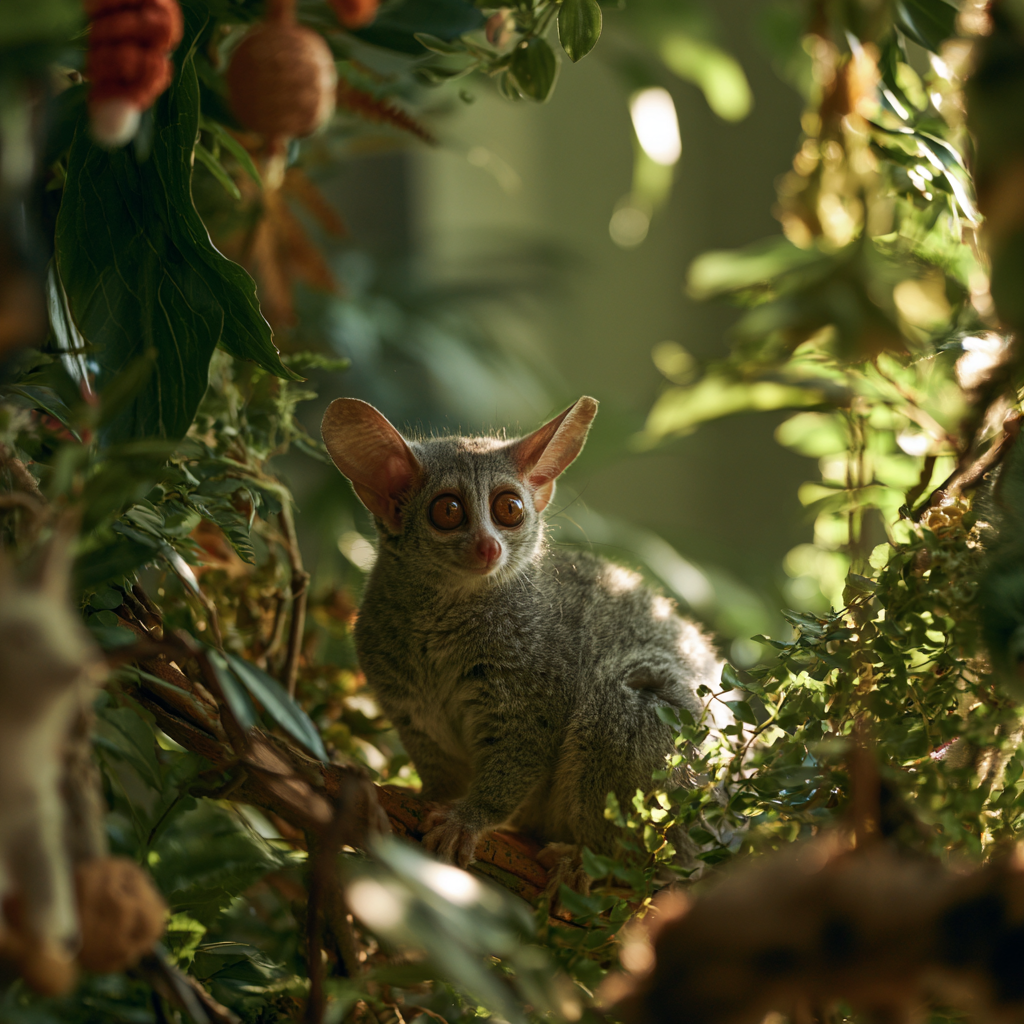
Can You Keep a Galago as a Pet? What to Know About Bush Babies. Galagos, often fondly referred to as bush babies, are small, nocturnal primates known for their large eyes and charming, agile movements. Their unique appearance and behaviors can captivate the hearts of animal lovers, leading to the question of whether these exotic animals make suitable pets. Understanding the complexities of their care and well-being is essential before considering bringing a galago into your home.
Quick answer: Keeping a galago as a pet can be challenging due to their specific needs, including nocturnal habits and socialization requirements. Moreover, legal considerations must be taken into account, as ownership is regulated in many areas.
Can You Keep a Galago as a Pet? What to Know About Bush Babies
Legal considerations for owning a galago
Before contemplating the ownership of a galago, it is crucial to be aware of the legal restrictions that may apply in your region. In many places, keeping exotic animals like galagos requires specific permits or may be entirely prohibited. For instance, some states in the U.S. classify them under exotic animal regulations, requiring prospective owners to navigate local wildlife laws. Additionally, organizations like the International Exotic Animal Sanctuary emphasize the importance of understanding both state and local laws governing the ownership and care of such species.
To ensure you remain compliant, you should:
- Research your local laws regarding exotic pet ownership.
- Check if you need a license or permit to own a galago.
- Explore regulations concerning the care, housing, and welfare of exotic animals.
Failing to adhere to relevant laws can result in fines, confiscation of the animal, and even legal action, thus making thorough research a non-negotiable first step in deciding to keep a galago as a pet.
Are galagos good pets?
The question of whether galagos make good pets is complex and depends largely on the owner’s lifestyle and ability to meet the animal’s needs. Galagos are primarily nocturnal, which means they are most active during the night. This trait can significantly affect daily routines, as these creatures typically require stimulation and interaction during their active hours. Owners should be prepared to spend time with their galago in the evenings rather than during typical daytime hours.
Moreover, galagos have specific social needs and thrive on interaction, both with their human companions and potentially with other galagos. Inadequate socialization can lead to behavioral problems, such as aggression or fearfulness. It’s common for galagos to become stressed if they lack sufficient mental and physical stimulation. Potential owners must also consider:
- The amount of space available for the animal to explore and climb.
- The potential for noise, as galagos can be quite vocal, especially at night.
- The need for a consistent routine to help reduce stress.
Ultimately, while galagos can form strong bonds with trusted caregivers, the commitment to provide an enriched environment and proper care is essential in determining whether they are suitable as pets.
Essential Care Tips for Galagos
Proper habitat setup for bush babies
Creating an appropriate habitat for galagos is vital to their overall well-being. These animals are arboreal by nature, meaning they are adapted to live in trees, and as such, their enclosure should mimic this environment as closely as possible. A well-designed habitat allows galagos to climb, explore, and indulge in their natural behaviors.
Consider these key components when setting up a habitat:
- Size: An enclosure should be spacious, ideally at least 6 feet tall and 4 feet wide, to accommodate climbing and jumping behaviors.
- Materials: Use durable, non-toxic materials, incorporating branches, ropes, and platforms to facilitate movement and exploration.
- Climate Control: Maintain a comfortable temperature range between 75°F and 85°F (24°C to 29°C) with appropriate humidity levels.
- Environmental Enrichment: Place hiding spots, swings, and toys in the habitat to stimulate their curiosity and encourage natural behaviors.
Regularly cleaning the habitat is important to prevent disease and ensure a healthy environment. Observing their behaviors will also help in making adjustments in their habitat to better suit their needs.
Dietary needs and feeding habits of galagos
Feeding galagos involves understanding their varied diet in the wild, which consists mainly of fruits, insects, and tree gums. Replicating this in captivity is crucial to maintaining their health. A well-balanced diet helps support their unique nutritional needs and provides enrichment through foraging behaviors.
Here’s what to keep in mind when preparing their diet:
- Fruits: Offer a variety of fresh fruits, such as bananas, apples, and mangoes, cut into small, manageable pieces.
- Insects: Provide protein sources by including mealworms, crickets, or other insects to mimic natural feeding habits.
- Specialized Diets: Consider commercially available diets formulated for nocturnal primates that include necessary vitamins and minerals.
Feeding should happen in the evening when galagos are most active, as they naturally forage at night. Fresh water should always be available to keep them hydrated. Proper dietary management is crucial, as obesity and malnutrition can lead to severe health issues over time.
Understanding galago behavior and socialization
Galagos have distinct behavioral traits that new owners must understand to ensure proper care. They are naturally inquisitive and intelligent animals that thrive in environments that challenge their mental capacities. Socialization is key to preventing behavioral issues.
When introducing a new galago to your home, it is advisable to:
- Allow them to acclimate to the new environment gradually, minimizing stress.
- Observe their body language, noting signs of comfort or stress—for instance, a relaxed tail indicates comfort, while an agitated posture might suggest fear.
- Engage them with interactive play using toys or feeding techniques that mimic foraging.
Investing time in socialization helps develop trust and reduce aggressive tendencies. Failing to socialize adequately can lead to issues such as shyness or aggression, complicating the owner-animal relationship.
Health care and common ailments in bush babies
The health care of galagos is a crucial part of responsible ownership. Regular veterinary care by a professional familiar with exotic animals is essential for preventive health measures. Galagos can be prone to certain ailments, such as dental problems, obesity, and parasites, which necessitate routine monitoring and care.
Preventive care should include:
- Regular veterinary check-ups to monitor health and identify any potential issues early.
- Dental care, including providing chew-safe materials to help maintain healthy teeth.
- Monitoring weight and encouraging exercise to prevent obesity.
Owners should also be aware of behavioral changes that might indicate health problems, such as lethargy or changes in appetite. If you notice any unusual symptoms, such as difficulty in movement or visible distress, it is advisable to seek veterinary attention promptly.
Frequently Asked Questions
What do galagos eat?
Galagos primarily consume a diet of insects, fruits, and specialized primate pellets. Offering a variety of foods that mimic their natural diet is essential for their health.
How big do galagos get?
Galagos, or bush babies, typically weigh between 3 to 5 pounds and measure around 12 to 16 inches in length, depending on the species. Their small size and agile physique contribute to their playful nature.
What is the lifespan of a galago?
In captivity, galagos can live around 12 to 14 years, though lifespan may vary based on diet, environment, and overall care. Their longevity highlights the need for a long-term commitment from potential owners.
Can galagos be trained?
While galagos can learn certain behaviors and respond to social cues, training requires patience and understanding. They respond best to positive reinforcement techniques, which can help in socialization and routine management.
What do I need for a galago habitat?
A galago habitat should include vertical space for climbing, soft bedding, hiding spots, and enrichment items. Proper temperature and humidity control, along with safety features, are also crucial.
Are galagos social animals?
Galagos are social creatures and benefit from interaction with others of their kind or humans. Adequate socialization is vital for their emotional well-being and can help reduce anxiety and stress.