Scottish Shorthair: An Overview of Traits and Care
The Scottish Shorthair is a beloved breed known for its charming appearance and endearing personality traits. Originating from Scotland, this breed combines robustness with an elegant demeanor, making them a popular choice among cat enthusiasts. In this article, we will delve into the rich history, unique physical characteristics, personality traits, health considerations, and care tips specific to the Scottish Shorthair, providing you with a comprehensive overview of what makes this breed so special.
Quick answer: The Scottish Shorthair is a robust and affectionate breed with a history rooted in Scotland. They are known for their short, plush coat, stocky build, and friendly disposition, making them excellent companions for families and individuals alike.
Origin and History of the Scottish Shorthair
Early beginnings and development
The Scottish Shorthair’s history can be traced back to the early 19th century when it is believed this breed emerged as a result of domestic cats interbreeding with British shorthairs and local Scottish wildcats. The breed gained recognition due to its distinctive features, particularly its rounded face and stocky, muscular body. Originally, the Scottish Shorthair was praised for its hunting skills, as it was adept at catching mice and other small rodents, a crucial trait for rural homes in Scotland.
As the breed matured, it began to captivate cat enthusiasts, leading to the formation of breeding programs in the 1960s that focused on preserving their unique traits. Their early development saw a variety of color patterns, but breeders eventually standardized appearance to create the Scottish Shorthair we recognize today.
Cultural significance and recognition
In the decades that followed, the Scottish Shorthair gained popularity across Europe and eventually reached North America. The breed was officially recognized by various cat registries, including The International Cat Association (TICA) and the Cat Fanciers’ Association (CFA). The Scottish Shorthair has since become a symbol of proud Scottish heritage, frequently featured in folklore and cultural representations celebrating their charm and faithful companionship.
Physical Characteristics of Scottish Shorthairs
Coat and color variations
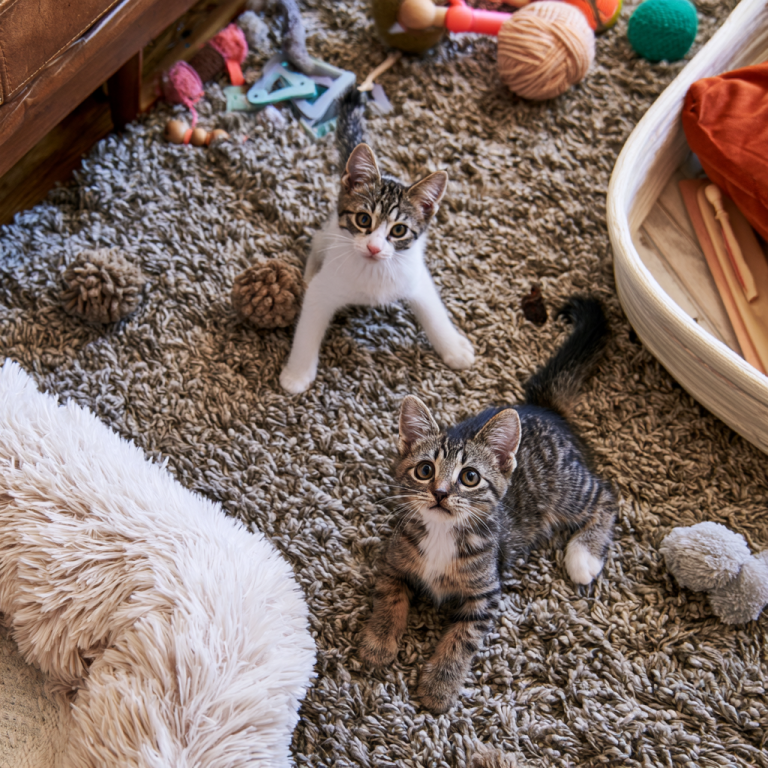
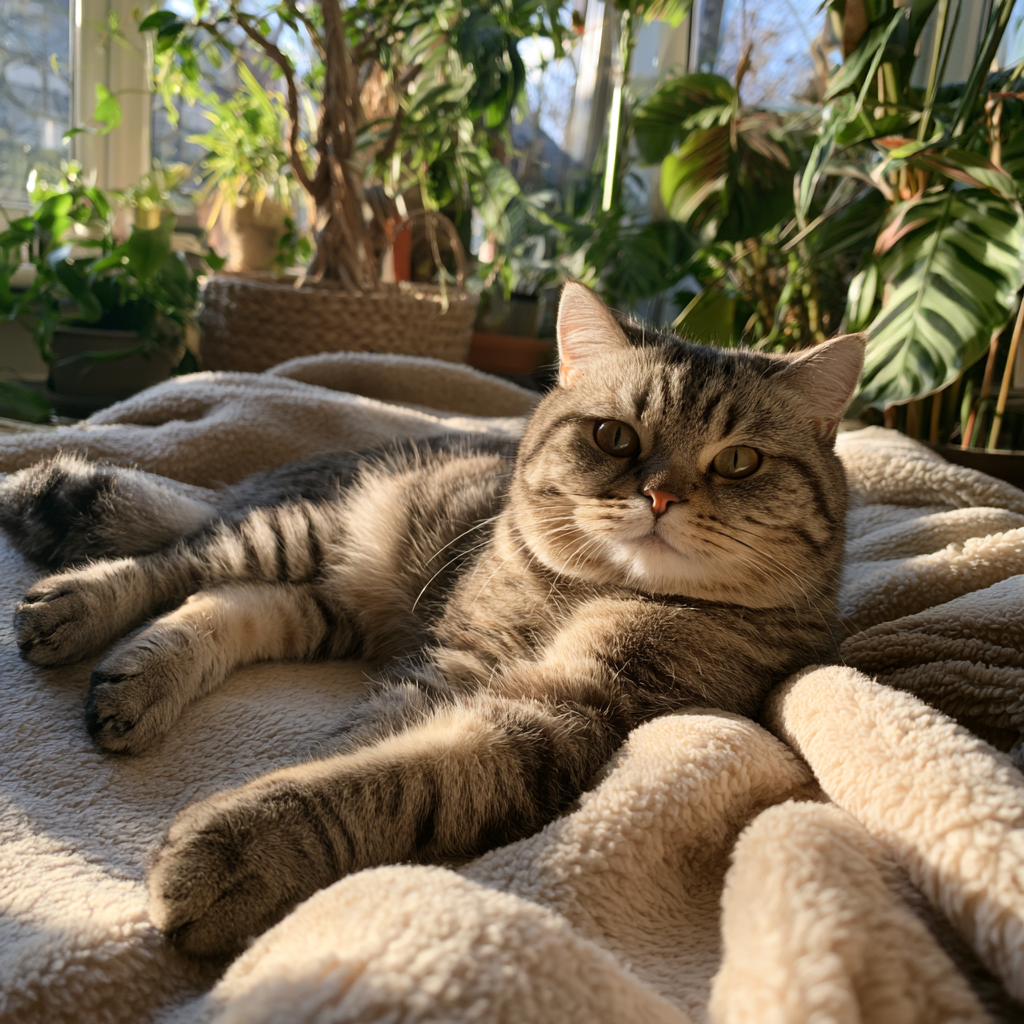
One of the defining traits of the Scottish Shorthair is its short, dense coat, which feels plush and soft to the touch. The coat can come in various colors and patterns, including solid, tabby, bicolor, and more. Some common color variations are blue, cream, and white, often with striking markings that enhance their appearance. This diversity in coat colors allows each Scottish Shorthair to have its unique look, making them even more endearing to their owners.
Overall, their coat requires minimal grooming compared to long-haired breeds, but regular brushing can help reduce shedding and maintain the coat’s luxurious texture.
Body structure and size
Scottish Shorthairs possess a robust and stocky body structure, characterized by a broad head, rounded cheeks, and strong jaws. Their well-developed muscles contribute to their sturdy build, making them appear larger than they actually are. This breed typically weighs between 7 to 13 pounds, with males being generally larger than females. Their short legs and wide-set paws add to their distinctive silhouette, allowing them to move gracefully despite their heavier appearance.
Scottish Shorthairs have a medium-sized body with a sturdy bone structure. Their eyes are large and round, often showcasing a vivid color that complements their coat, adding to their overall charm.
Understanding the Personality Traits of Scottish Shorthairs
Social behavior and interactions
Scottish Shorthairs are known for their friendly and affectionate nature, making them excellent companions for families and individuals alike. They tend to be adaptable and social, often forming strong bonds with their owners. These cats enjoy being included in family activities and will often follow their humans around, displaying their loyal disposition. While they can be playful, they also have a calm demeanor, which makes them well-suited for both lively and quiet households.
The breed is not known to be overly demanding, allowing them to retain a sense of independence while still desiring companionship. This balance leads to a rewarding relationship with their owners as they enjoy affection and attention without being overly clingy.
Common behavioral quirks
Each Scottish Shorthair may exhibit unique behavioral quirks that can range from playful antics to curious exploratory behaviors. For instance, they may enjoy engaging in playful bursts of energy, showcasing their hunting instincts through pouncing on toys or chasing after feather wands. Their inquisitive nature often leads them to investigate their environment, sometimes squeezing into tight spaces or atop high furniture to survey their territory.
Some Scottish Shorthairs might also express quirky habits like kneading soft surfaces with their paws, practicing a comforting behavior learned from kittenhood. Observing these traits provides insight into their personality, creating endearing moments between you and your pet.
Health Considerations for Scottish Shorthairs
Common health problems
While Scottish Shorthairs are generally healthy, like all breeds, they can be predisposed to certain health issues. One common concern is hypertrophic cardiomyopathy (HCM), a genetic condition that affects the heart muscle, potentially leading to heart disease. Other possible concerns include obesity, especially if they lack exercise or have an unbalanced diet, and dental issues, which may arise if teeth are not properly cared for.
Monitoring your Scottish Shorthair for signs of health changes, such as changes in appetite, energy levels, or behavior, will be essential in catching potential issues early.
Preventive care and veterinary visits
Routine veterinary care is vital for maintaining your Scottish Shorthair’s health. Regular check-ups can help identify and manage potential health issues before they escalate. Most veterinarians recommend annual examinations for adult cats and more frequent check-ups for those with underlying health conditions or advanced age.
Additionally, keeping up with vaccinations, parasite prevention, and dental care is crucial. A healthy diet combined with routine exercise will also contribute to your cat’s overall well-being. When in doubt, consulting your veterinarian can provide tailored advice for the specific needs of your Scottish Shorthair.
Grooming and Care Tips for Scottish Shorthairs
Daily care routines
Maintaining a consistent daily care routine is important for the well-being of your Scottish Shorthair. Begin with regular brushing, ideally once or twice a week, to keep their coat healthy and reduce shedding. Bathing isn’t necessary, but occasional baths may be beneficial if your cat gets particularly dirty or messy.
Additionally, cleaning their litter box regularly and providing fresh water daily helps maintain a hygienic environment. Regularly checking their ears and teeth can help prevent health problems while ensuring your Scottish Shorthair feels comfortable and secure in their home.
Dietary needs for optimal health
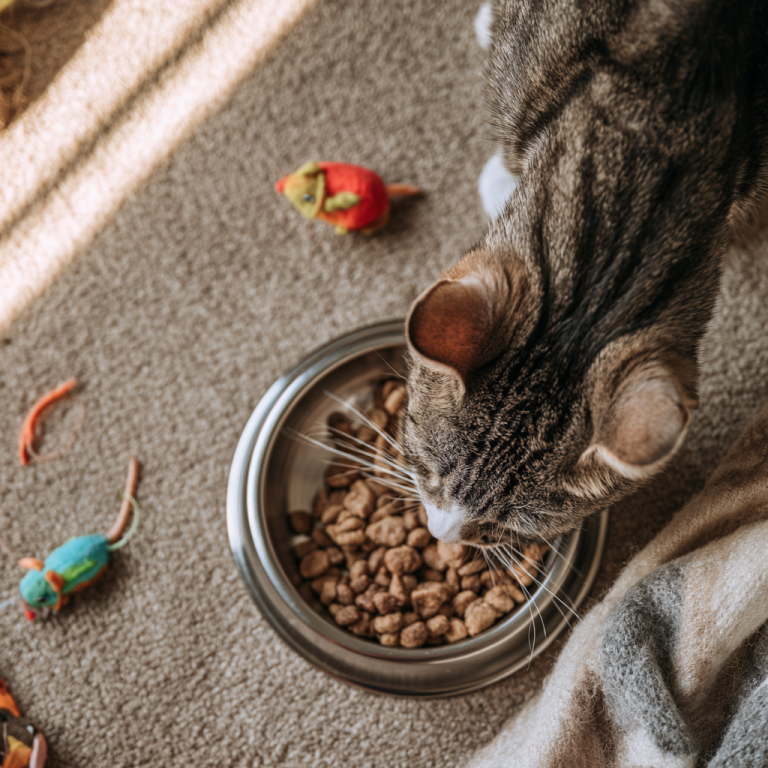
Offering a balanced diet tailored to your Scottish Shorthair’s age, size, and energy level is vital for their long-term health. High-quality cat food formulated specifically for felines should be the foundation of their diet, incorporating both dry and wet options. Ensure that the food contains adequate protein, essential vitamins, and minerals to meet their nutritional needs.
Always provide access to fresh water, as hydration is essential for their overall health. Monitor your cat’s weight and portion sizes to prevent obesity, which can lead to various health issues. Consulting your veterinarian for dietary recommendations ensures that your Scottish Shorthair receives optimal nutrition throughout their life.
Frequently Asked Questions
What is the personality of a Scottish Shorthair?
Scottish Shorthairs are known for their friendly and affectionate nature, making them great companions. They tend to be adaptable and social, enjoying the company of their families while maintaining a balanced sense of independence.
How do you care for a Scottish Shorthair?
Caring for a Scottish Shorthair involves maintaining a consistent daily routine that includes regular grooming, providing a balanced diet, and ensuring routine veterinary check-ups. Monitoring their health and behavior is also essential for their well-being.
What are common health issues in Scottish Shorthairs?
Scottish Shorthairs may be prone to certain health issues, particularly hypertrophic cardiomyopathy (HCM) and obesity. Regular veterinary visits and monitoring health changes can help address potential concerns early.
How much grooming do Scottish Shorthairs need?
Scottish Shorthairs require minimal grooming due to their short, dense coat, but weekly brushing is recommended. This helps reduce shedding and maintains their luxurious appearance while also allowing for regular checks for any skin or health issues.
What is the average lifespan of a Scottish Shorthair?
The average lifespan of a Scottish Shorthair is typically between 12 to 15 years. However, with proper care, a balanced diet, and regular veterinary visits, some may live even longer.