Cat Calming Treats: How They Can Help Your Feline Friend
Finding ways to ease stress and anxiety in our feline friends is a priority for many cat owners. Cat calming treats can be an effective way to help soothe your pet during stressful situations such as thunderstorms, car rides, or even new visitors in the home. These treats not only offer a tasty reward but can also provide calming effects that allow your cat to feel more secure in their environment.
Quick answer: Cat calming treats are specially formulated snacks designed to help reduce anxiety and stress in cats. They often contain natural ingredients like amino acids or herbal extracts that promote relaxation without sedation.
Understanding Cat Calming Treats
What are cat calming treats?
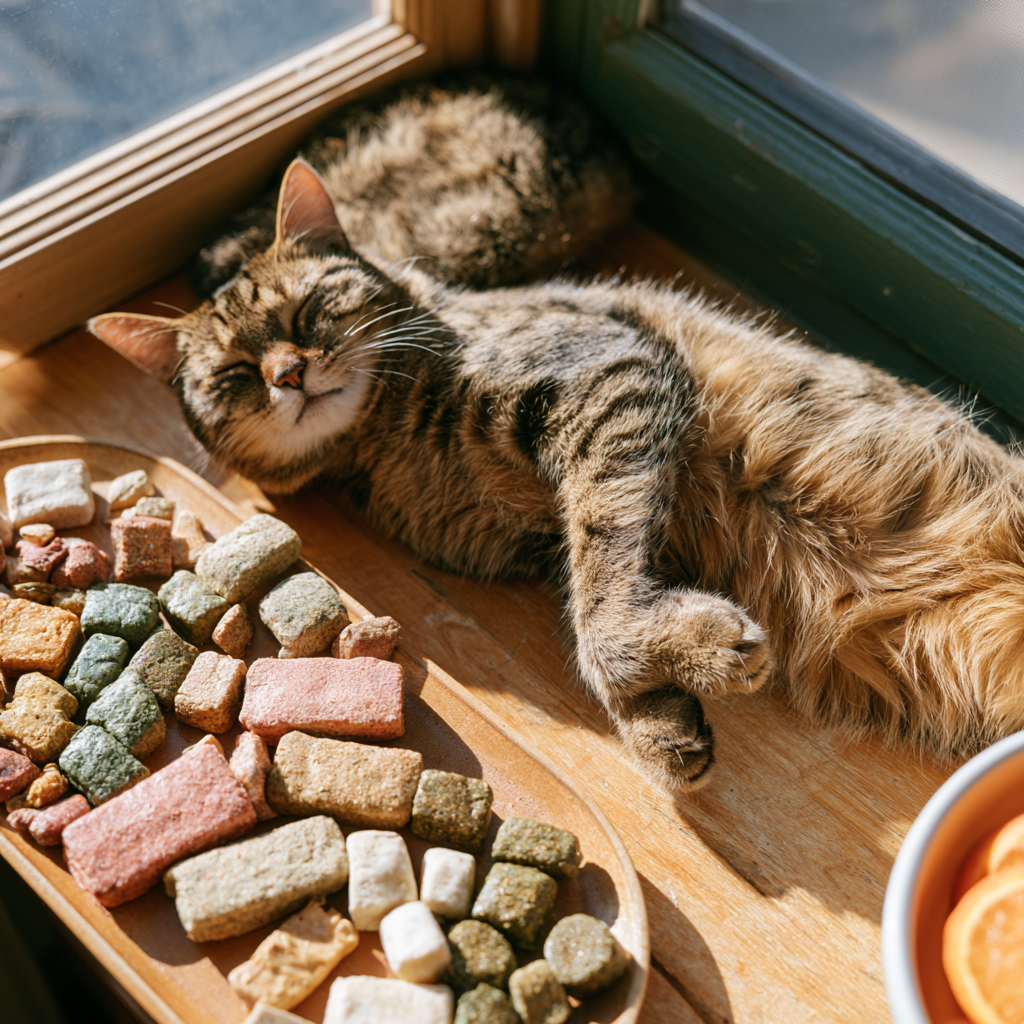
Cat calming treats are specially designed snacks that combine flavor with ingredients intended to ease anxiety and stress in cats. They come in various formulations, often powered by natural ingredients that promote relaxation. These treats can be beneficial during stressful situations or transitions, such as moving to a new home, introducing a new pet, or even during trips to the veterinarian. It’s important to keep in mind that the effectiveness of these treats can vary from cat to cat based on individual temperament and circumstances.
How do cat calming treats work?
Most cat calming treats work by incorporating specific active ingredients that influence your cat’s mood and behavior. Common active components include:
- Valerian root: Often used for its sedative properties.
- L-theanine: An amino acid known to promote relaxation without causing drowsiness.
- Chamomile: A herbal remedy frequently associated with calming effects.
These ingredients can influence neurotransmitters in the brain, promoting a sense of calm when your cat ingests them. However, it is essential to observe how your specific cat reacts, as individual responses may vary.
Choosing the Right Cat Calming Treats
Ingredients in calming treats
When selecting cat calming treats, it’s important to pay attention to the ingredients list. Effective treats should contain a blend of natural elements known for their calming capabilities. The quality of ingredients is crucial, as some may be more effective than others. Here’s a breakdown of ingredient considerations:
- Natural vs. synthetic: Aim for treats with natural ingredients over synthetic additives.
- Type of calming agents: Look for treats that contain herbal or amino acid-based calming agents.
- Allergens: Be aware of any potential allergens that could trigger your cat’s sensitivities.
What ingredients should I look for in calming treats?
When selecting calming treats, the following ingredients are recommended:
- L-theanine: Known for its potential to reduce anxiety without sedation, making it a suitable choice for various situations.
- Thiamine (Vitamin B1): This vitamin may help reduce stress-related behaviors.
- Valerian root: Its aroma can have a calming effect on cats.
- Paw paw: Often used in calming products, it has properties that may help manage stress.
Always consult product labels and choose ones that suit your cat’s preferences and dietary restrictions. If you’re uncertain, you might also consider the advice of a veterinarian to ensure you’re making the right choice.
When and How to Use Cat Calming Treats
When to use calming treats
Cat calming treats can be particularly helpful in specific scenarios. Here are some ideal times to consider administering these treats:
- Before travel: Offer treats a few hours before a car ride or trip to the vet.
- During stressful events: Use them during loud noises like fireworks or thunderstorms.
- Before introducing new pets: Help minimize stress in multi-pet households.
Understanding your cat’s typical behavior during distressing situations will also guide your timing for introducing calming treats. Pay attention to when your cat seems most anxious to maximize the effectiveness of the treats.
Signs your cat may need calming aids
Your cat may benefit from calming treats if you notice several signs of stress or anxiety. Here are some common indicators:
- Hiding: If your cat often retreats to hidden spots during stressful situations.
- Excessive grooming: Over-grooming can be a stress-related behavior.
- Vocalizations: Increased meowing or yowling may indicate distress.
- Changes in appetite: A sudden loss of interest in food can signal anxiety.
Monitoring your cat’s behavior can help you decide when to turn to calming aids to support their emotional well-being.
Risks and Alternatives
Risks and side effects of calming treats
While cat calming treats are generally well-tolerated, there are potential risks and side effects to consider. Some cats may experience:
- Gastrointestinal upset: Ingredients in some treats may cause mild digestive issues.
- Allergic reactions: Certain ingredients can provoke allergies in susceptible cats.
- Over-reliance: Using calming treats too frequently could mask underlying problems that might need attention.
It’s essential to start with the recommended dosage and observe your cat’s reaction. If any adverse effects occur, discontinue use and consult a veterinarian.
Alternatives to calming treats
If calming treats don’t seem to work for your cat, or if they show adverse reactions, there are several alternatives to consider:
- Environmental modifications: Creating a safe and quiet space can help reduce anxiety.
- Engagement strategies: Interactive toys and play sessions can also divert attention from stressors.
- Behavioral interventions: Consultation with a veterinarian can provide tailored behavioral strategies.
Additionally, some cats may benefit from other calming products, such as pheromone diffusers or sprays, which help create a soothing environment. Integrating a multi-faceted approach can often yield the best results in managing anxiety.
Frequently Asked Questions
Are there any side effects of cat calming treats?
While many cats tolerate calming treats well, some may experience gastrointestinal upset or allergic reactions. It’s important to monitor your cat for any adverse effects and consult a veterinarian if you have concerns.
Can I make my own cat calming treats?
Yes, you can make your own cat calming treats using safe, calming ingredients like pumpkin puree, chamomile, or catnip. Always ensure the ingredients are pet-safe and consult with a veterinarian for guidance on formulation.