Why Does My Dog Eat Dirt? Understanding Your Pet’s Behavior
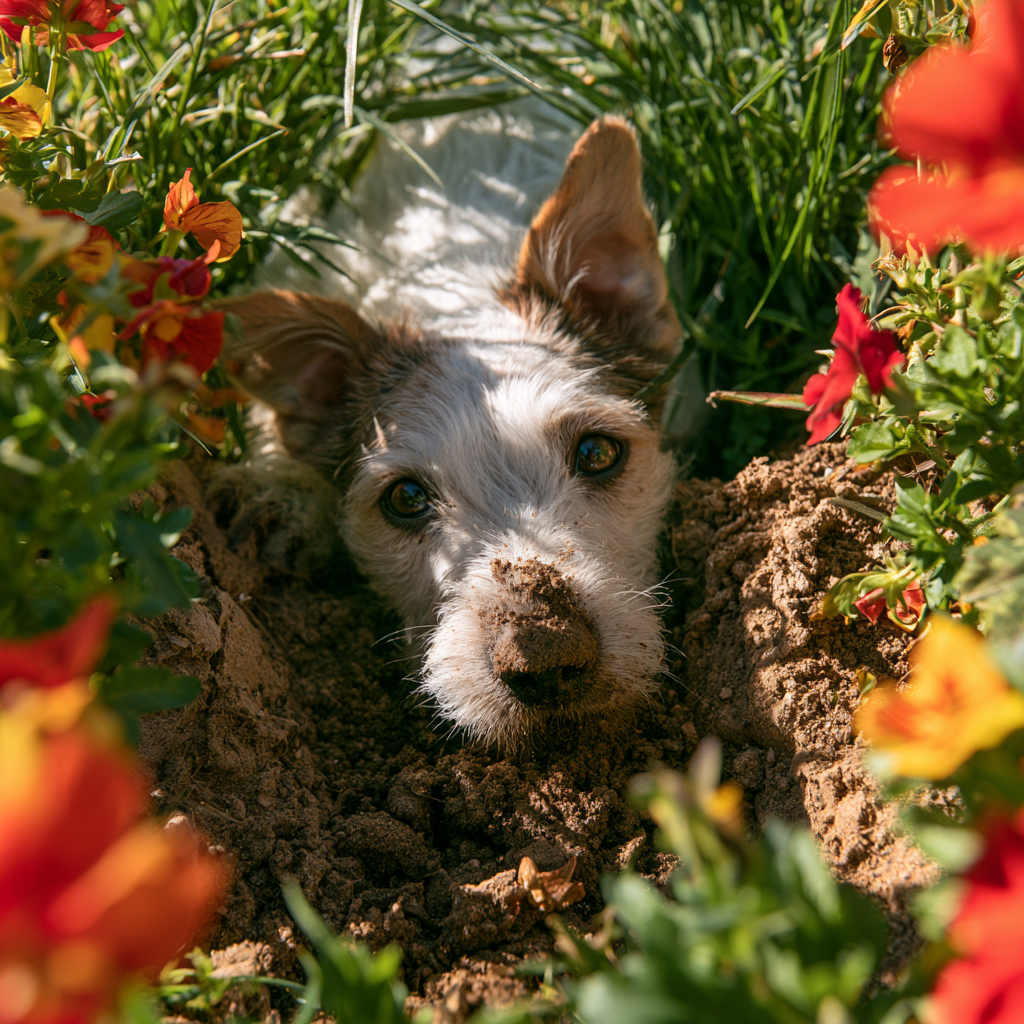
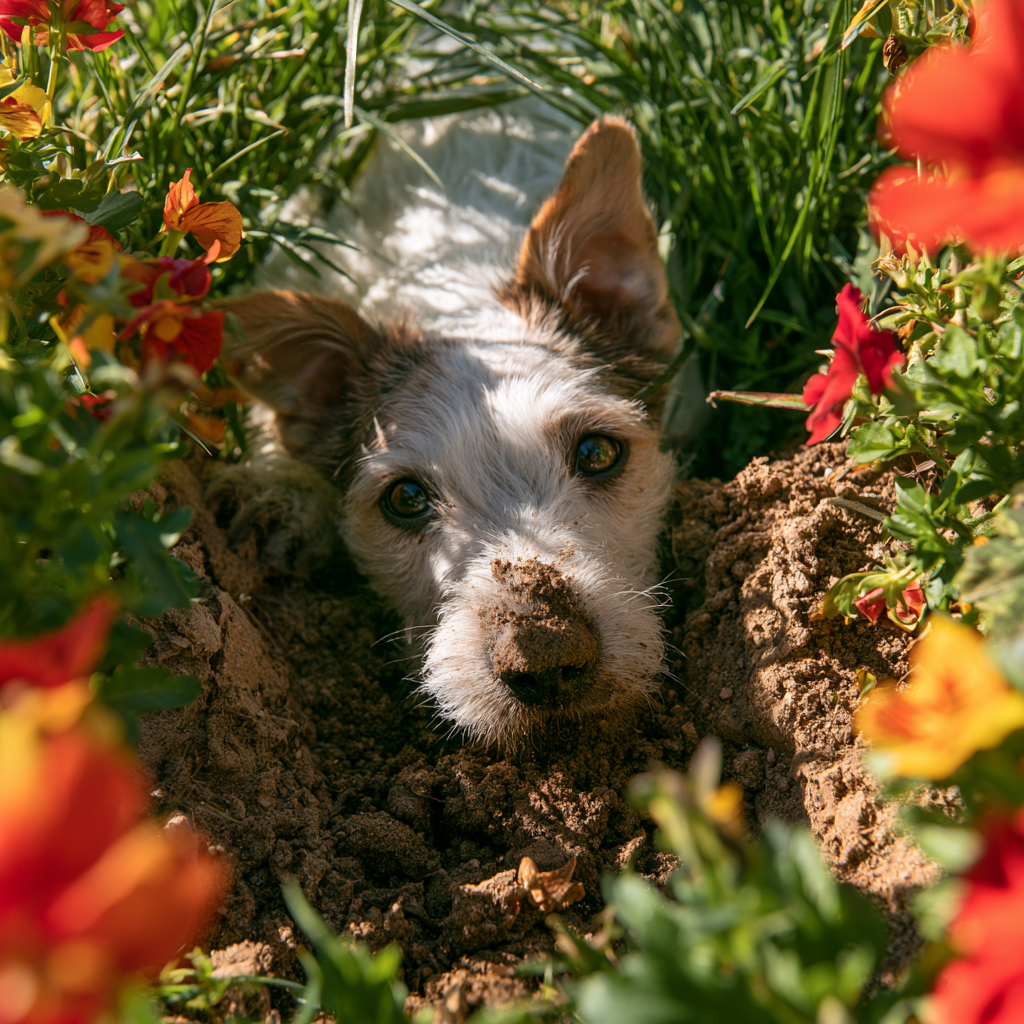
Understanding why your furry friend engages in certain behaviors can be both fascinating and perplexing. One behavior that often leaves dog owners scratching their heads is the tendency for dogs to eat dirt. This brings us to the question: Why does my dog eat dirt? Several factors can contribute to this behavior, which may range from dietary deficiencies to instinctual habits. Exploring the reasons behind this peculiar eating habit can help you better address and manage it for your pet’s well-being.
Quick answer: Dogs may eat dirt for various reasons, including hunger, dietary deficiencies, boredom, or even curiosity. While occasional dirt eating is usually not harmful, it can pose health risks if done excessively or if the dirt contains harmful substances. Understanding your dog’s behavior is essential for determining when intervention is necessary.
Understanding the Question: Why Does My Dog Eat Dirt?
Common reasons dogs eat dirt
There are a number of common reasons that could explain why your dog has taken a liking to snacking on dirt. These may include:
- Dietary deficiencies: Dogs might eat dirt to compensate for a lack of certain nutrients in their diet. Minerals such as iron, calcium, or even trace elements might be lacking, leading them to seek out the earth to fulfill these needs.
- Hunger: Sometimes, dogs may eat dirt simply because they are hungry or not receiving enough food. If you notice your dog frequently digging for something to eat, evaluate their diet and consider making adjustments.
- Curiosity: Dogs are naturally curious creatures. During walks or playtime in the yard, they may be inclined to sample their environment, which can include dirt. This is often more common in younger dogs, who are still exploring their surroundings.
- Anxiety or boredom: Dogs left alone for long periods may develop stress or boredom-related habits. Eating dirt could provide a way for them to cope with anxiety or simply find stimulation.
- Instinctual behavior: In some cases, ancestors of domestic dogs would dig and eat dirt to uncover burrowing animals or root systems. This instinctual behavior may persist in some breeds and individual dogs.
Behavioral factors influencing this behavior
Various behavioral factors can further influence a dog’s tendency to consume dirt. Understanding these can provide valuable insights into your pet’s preferences and lead to tailored strategies for intervention.
- Age: Puppies and younger dogs are more likely to explore and engage in behaviors like dirt eating. As dogs mature, they often become more discerning about what they consume.
- Environmental influences: Dogs raised in environments where dirt is abundant, like farms or backyards, may develop a habit of eating dirt simply because of exposure. Observing their environment can clarify whether this is a learned behavior.
- Social interactions: Dogs that see other dogs engaging in dirt consumption may mimic this behavior. If your pet has friends who share this odd habit, it might be worth monitoring their playdates.
Health Risks and Implications of Dirt Consumption
Potential health issues related to eating dirt
While many dogs eat dirt occasionally without any serious implications, excessive or continuous consumption may present health concerns. Some potential issues to be aware of include:
- Intestinal blockages: If a dog eats large quantities of dirt, this can lead to obstruction in the digestive tract. Signs of this issue may include vomiting, lethargy, or a lack of appetite.
- Parasitic infections: Dirt may contain parasites or pathogens that can enter your dog’s system. This could manifest in symptoms such as diarrhea, vomiting, or changes in behavior.
- Toxin ingestion: In certain regions, dirt may contain toxic substances or chemicals, especially if treated with pesticides or fertilizers. Be vigilant and ensure your dog doesn’t have access to contaminated areas.
Is it harmful for my dog to eat dirt?
Considering the potential health risks, the question of whether it is harmful for your dog to eat dirt often depends on the frequency and amount consumed, as well as the overall context. Occasional consumption may not pose a serious risk, especially if your dog appears healthy and active. However, if you notice any of the above symptoms or if dirt eating becomes a habitual behavior, it’s crucial to consult a veterinarian. Signs like persistent vomiting, changes in stool, or increased lethargy may warrant immediate professional attention.
How to Discourage Your Dog from Eating Dirt
Practical tips to prevent dirt eating
If you’re concerned about your dog’s habit of eating dirt, there are several practical steps you can take to discourage this behavior and redirect their attention:
- Enhance their diet: Ensure your dog is receiving a well-balanced diet. Consult your veterinarian for recommendations on high-quality dog food that meets their nutritional needs.
- Increase exercise and mental stimulation: Providing more physical activity and stimulating toys can help alleviate boredom. Engaging in activities that mentally challenge your dog can redirect their focus away from dirt.
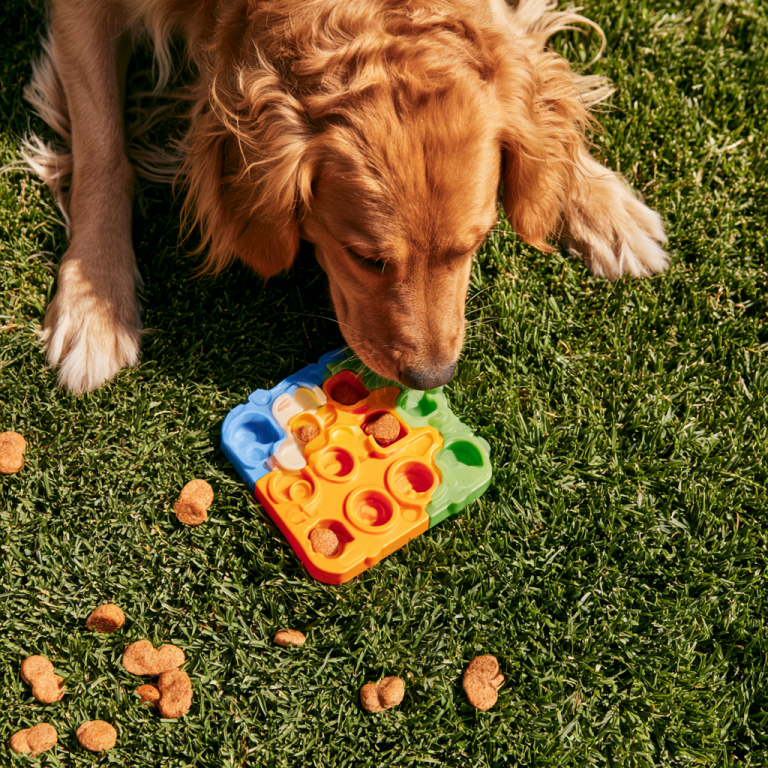
- Provide alternatives: Offer your dog safe chew toys or treat-dispensing puzzles as alternatives to digging in the dirt. This can keep them occupied and satisfied.
- Manage environment: If possible, restrict access to areas with loose dirt or untreated soil. Providing designated digging areas, filled with safe materials, can satisfy their instincts without harming them.
When to consult a veterinarian
Consulting a veterinarian should be a priority if you notice that your dog’s dirt-eating habits are excessive, especially if accompanied by concerning symptoms. Key indicators include:
- Persistent vomiting or diarrhea
- Signs of digestive distress, such as bloating or difficulty passing stool
- Changes in appetite or excessive lethargy
- Any signs of pain or discomfort
Consulting a veterinarian ensures a comprehensive assessment of your dog’s health and behavior, and they can provide personalized guidance based on your pet’s unique needs.
Frequently Asked Questions
What does it mean when a dog eats dirt?
When a dog eats dirt, it can mean several things, including nutritional deficiencies, curiosity, stress, or simply a behavioral habit. Context is crucial, as different dogs may have varying motivations for this behavior.
How can I stop my dog from eating dirt?
To prevent your dog from eating dirt, ensure they receive a balanced diet, provide adequate exercise, and create a distraction when they show interest in dirt. Redirecting attention towards acceptable toys or activities can be effective.
What should I do if my dog eats dirt frequently?
If your dog frequently eats dirt, monitor their health for any concerning symptoms such as vomiting or diarrhea. It’s recommended to consult a veterinarian to rule out underlying health issues and receive tailored advice for behavior modification.
Are certain breeds more likely to eat dirt?
While some breeds may exhibit more curiosity or specific behaviors due to genetic predispositions, dirt eating can occur in any breed. Individual temperament, environment, and experience play a more significant role than breed alone.