Why Do Dogs Lick People? Understanding Canine Behavior
Why Do Dogs Lick People? It’s a question many pet owners find themselves pondering while observing their furry friends. One moment your dog is cheerfully greeting you, and the next, they’re enthusiastically licking your face, hands, or even your feet. The reasons behind this seemingly quirky behavior can be varied, ranging from expressions of affection to signals of stress. Understanding these motivations can significantly enhance the bond between you and your canine companion, providing insights into their emotional landscape.
Quick answer: Dogs lick people primarily as a sign of affection and to communicate their feelings. Licking can also stem from environmental factors or stress, revealing underlying emotions or desires that pet owners should observe closely.
Understanding Why Do Dogs Lick People?
Affection and Bonding
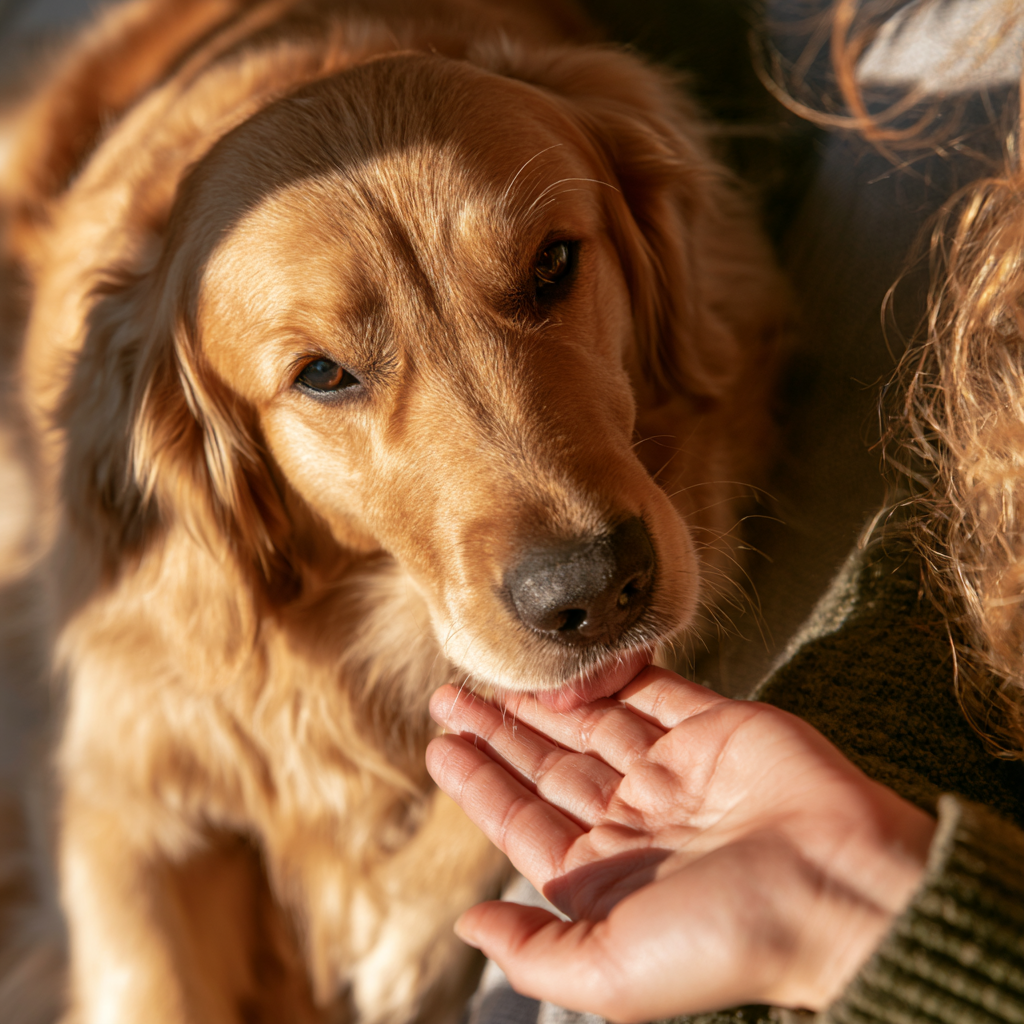
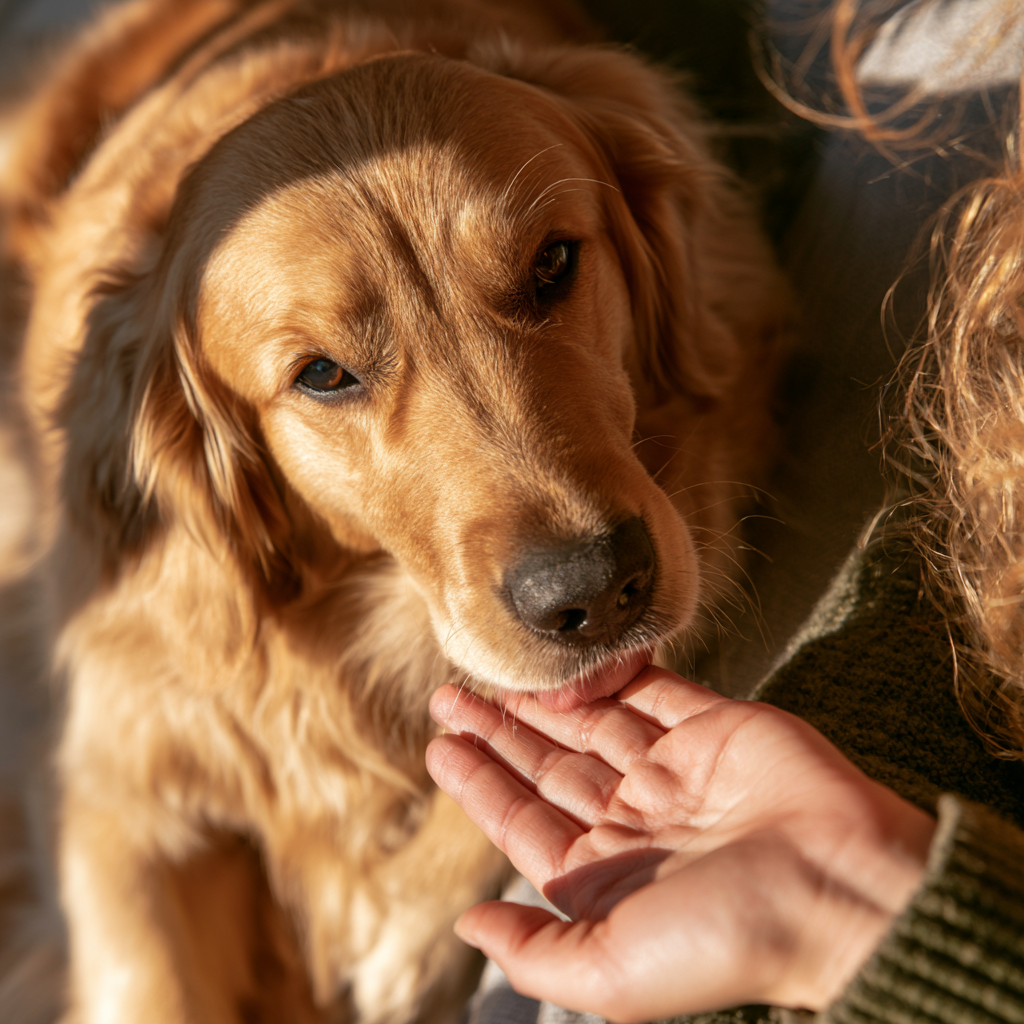
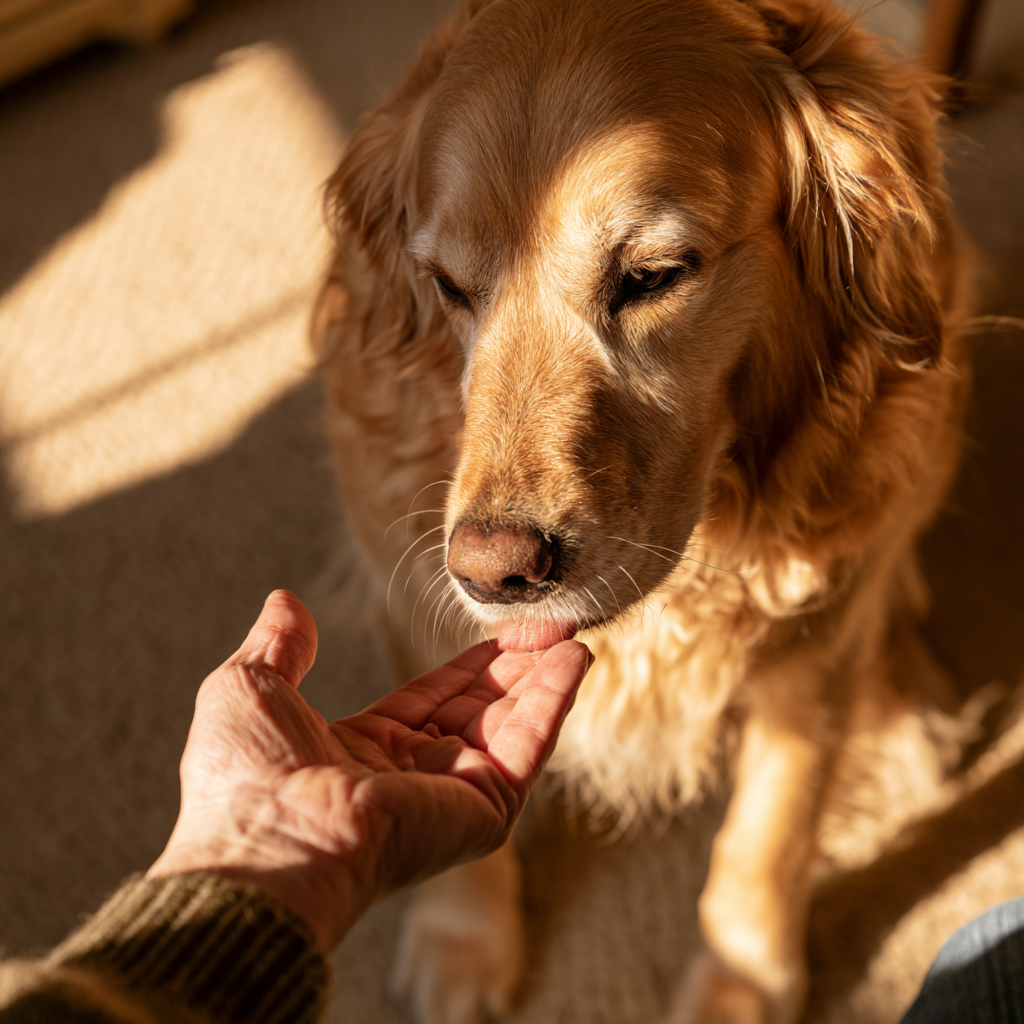
The most common reason dogs lick people is to express affection. This behavior can be traced back to their puppyhood, where licking is a natural way for mother dogs to bond with their pups. When your dog licks you, it can signify love, trust, and a desire for closeness, often reinforcing the emotional connection between you and your furry friend.
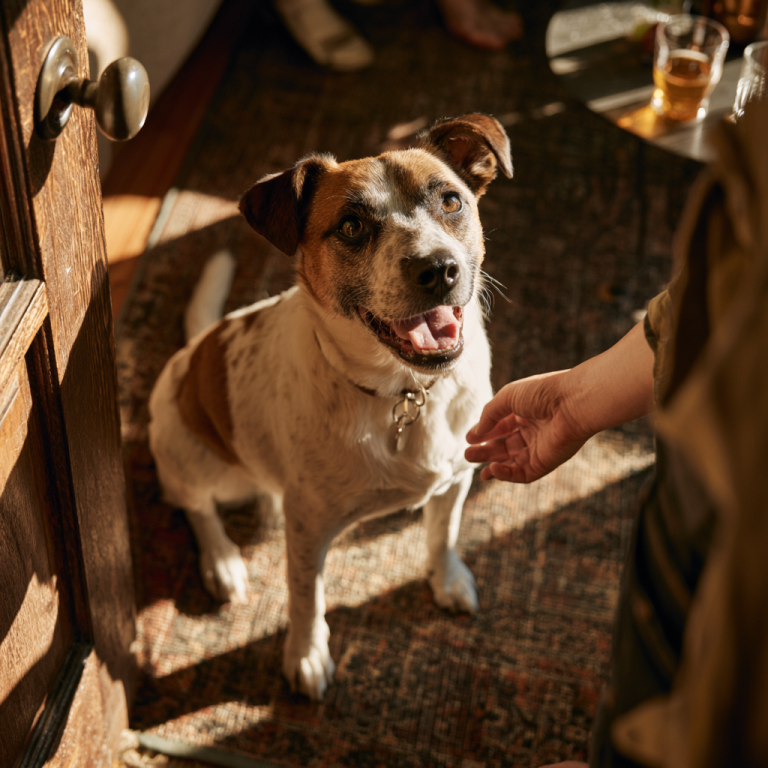
Dogs may frequently lick their owners when they are excited or greeting them after a long absence. For instance, imagine coming home after a hectic day; your dog greets you with joyful barks, wagging their tail vigorously, and immediately starts showering you with licks. This enthusiastic licking can be a sign that they are happy to see you and want to share their affection.
In addition to direct interactions, licking can also be a learned behavior from positive reinforcement. If you respond to your dog’s licking with laughter, petting, or encouraging words, they may become more inclined to engage in this behavior as a way of seeking your attention and affection in the future.
Communication and Signals
Licking serves as a form of communication for dogs, conveying various messages based on context. Dogs may lick as a means of greeting not only their owners but also other dogs and animals. This behavior can signify submission and pacification, helping to defuse potential conflicts. For example, if your dog meets a new dog and begins licking them, they may be trying to show that they mean no harm and are friendly.
Moreover, the act of licking can also indicate an emotional response to a situation. For instance, a dog lingering on your hand or face could be seeking comfort or reassurance. It’s essential for dog owners to pay attention to their pet’s body language and the environment to interpret these signals accurately. If the licking is accompanied by tail wagging, relaxed ears, or play bows, it generally signifies a positive interaction. However, if the licking appears compulsive or happens alongside body tension and avoidance, the behavior may indicate stress or discomfort, warranting further investigation by the owner.
Taste and Environment Influence
Dogs are naturally curious creatures, and their heightened sense of smell and taste significantly influences their behavior, including licking. They may lick people to explore different tastes on human skin, often attracted to salt from sweat or lotions we wear. Additionally, the environment plays a critical role; if you’ve recently handled food or other items with appealing scents, your dog may be drawn to you for further exploration.
As an owner, you can observe your dog’s licking patterns in relation to their environment to understand the behavior better. For example, if your dog licks you more after you’ve been cooking, it could be a reaction to the enticing smells they associate with food. To manage this behavior, consider implementing routines where your dog is given a “place” to enjoy their own treats while you prepare meals or socialize in the kitchen. This can channel their licking behavior into appropriate contexts while helping to reinforce a calm environment.
Licking can also be influenced by the dog’s experiences. A dog that has received attention or rewards after licking may continue the behavior because it has learned to associate licking with positive reinforcement. Therefore, dog owners should actively monitor and manage situations where licking becomes excessive or disruptive.
The Role of Stress and Anxiety in Licking
Understanding the context in which licking occurs is crucial, particularly when it stems from stress or anxiety. In these instances, licking may serve as a calming mechanism for dogs, allowing them to self-soothe in a stressful environment.
Behavioral Training Perspectives
From a behavioral training standpoint, it’s essential to recognize that licking can become compulsive if it stems from stress. Assessing factors that may contribute to anxiety—the introduction of new pets, changes in the household, or loud noises—can help dog owners address the cause rather than just manage the symptom.
Training techniques can be employed to redirect licking behavior from unhealthy patterns. For instance, teaching an alternative behavior such as sitting or going to their designated space can offer dogs an outlet for their anxiety without resorting to repeat licking.
Additionally, environmental enrichment plays a critical role in managing stress and anxiety for dogs. Providing toys, interactive games, and regular exercise can reduce the inclination to lick as a coping mechanism. Engaging with your dog through training sessions and mentally stimulating activities can divert their attention from licking and encourage more desirable behaviors.
Interpreting Dog Licking in Different Contexts
Interpreting licking behavior requires context, observation, and understanding of your dog’s unique personality and history. For example, if your dog licks your hand while you’re petting them, this may be an indication of affection or contentment. Conversely, if your dog exhibits licking behavior while hiding, or when confronted with a stressful situation such as a thunderstorm, it may suggest an emotional response tied to anxiety.
Recognizing these distinctions allows you to respond appropriately. For instance, if licking seems linked to anxiety, implementing a safe space where your dog can relax and feel secure may be beneficial—using items like a favorite blanket or toy can help provide comfort. If licking persists despite moderate interventions, it’s essential to consult with a veterinarian or a certified animal behaviorist who can provide tailored strategies for coping with anxiety-related licking.
In summary, dog licking behavior is multifaceted, arising from a mix of affection, curiosity, and potential anxiety. By observing and interpreting these behaviors contextually, pet owners can strengthen their relationship with their dogs while ensuring their emotional and physical needs are met.
Frequently Asked Questions
What does it mean when a dog licks you?
When a dog licks you, it can signify affection, an attempt to communicate, or even a response driven by curiosity regarding your scent and environment. Observing the context and accompanying behaviors can help clarify the motivation behind the licking.
Is it normal for dogs to lick people?
Yes, it is generally considered normal for dogs to lick people. Licking can express affection, serve as a communication tool, or be a way to explore their environment.
Should I be concerned if my dog licks me?
Mild licking is usually normal and can be a sign of affection or curiosity. However, if licking becomes excessive or is accompanied by signs of stress or anxiety, it may be worth consulting with a veterinarian or a behaviorist to address potential underlying issues.
Why do dogs lick your face?
Dogs may lick your face as a way to seek attention, express affection, or gather information about you. This behavior may also be rooted in their instinct to nurture and bond with their caregivers.
How can I stop my dog from licking?
To reduce licking, redirect your dog’s attention to a toy or engage them in another activity. Providing clear boundaries and using positive reinforcement for non-licking behaviors can help modify the action.
Do dogs lick when they’re anxious?
Yes, licking can be a sign of anxiety in dogs. If a dog licks excessively in stressful situations, it may indicate they are trying to self-soothe or cope with their anxiety.
What are affectionate dog behaviors?
Affectionate behaviors in dogs include cuddling, following you around, gentle nuzzling, and licking. These gestures often indicate that your dog feels safe and bonded with you.
How do dogs show love?
Dogs typically show love through various behaviors, such as wagging their tails, resting their heads on you, licking, and following you closely. These actions reflect their emotional connection and desire for companionship.