Why Do Dogs Lick Their Paws? Understanding Common Causes
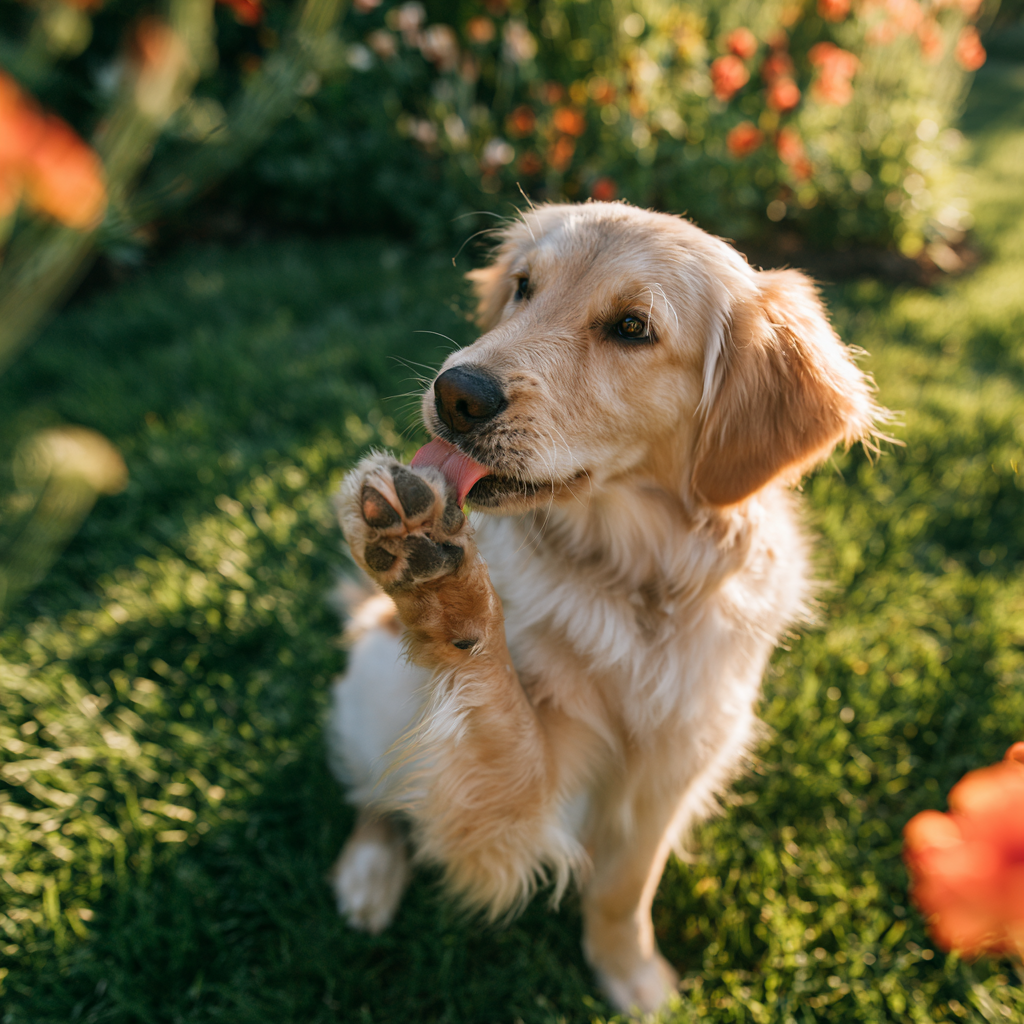
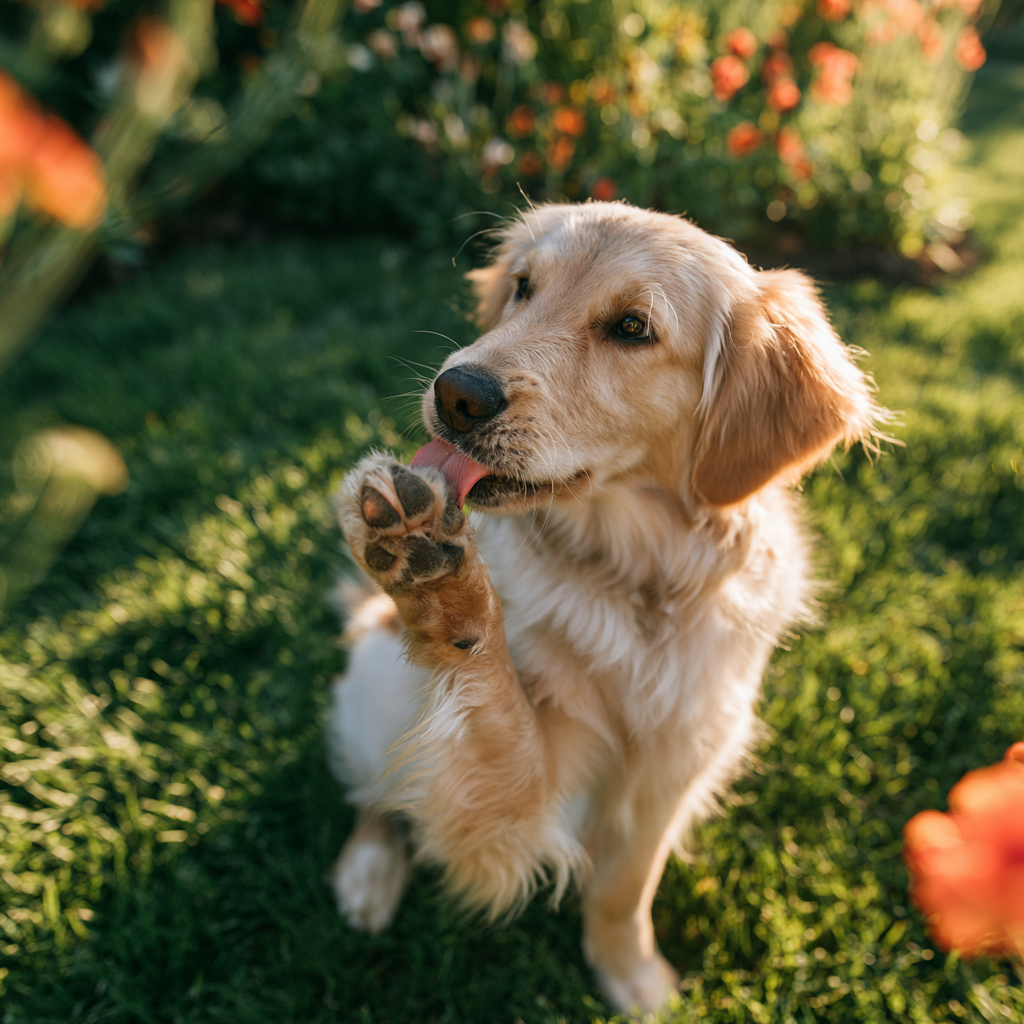
Why do dogs lick their paws? This common behavior can puzzle many dog owners, prompting questions about whether it’s just a natural instinct or if there’s a deeper issue at play. Paw licking can range from occasional grooming to frequent, obsessive behavior. Understanding the various reasons why dogs engage in this activity can help you differentiate between harmless habits and potential health concerns.
Quick answer: Dogs lick their paws for various reasons, including natural instincts for grooming, behavioral responses to stress or boredom, and health-related issues such as allergies or irritants. It’s essential to observe the frequency and context of this behavior to determine if it requires further attention.
Why Do Dogs Lick Their Paws?
Natural Instincts and Comfort
Paw licking is often rooted in natural instincts. Dogs are instinctual groomers, much like cats, and they may lick their paws as a way to keep them clean. This behavior is particularly common after walks or outdoor playtime, as dogs may pick up dirt, small debris, or even water on their paws. Breeds with longer fur may exhibit more noticeable paw licking as they manage tangles or irritations caused by environmental factors.
Beyond cleanliness, paw licking can serve as a self-soothing mechanism, offering comfort to dogs. For instance, during stressful situations—like thunderstorms or separation anxiety—dogs may lick their paws to calm themselves. In fact, specific breeds with a predisposition for anxiety, such as Border Collies or Cavalier King Charles Spaniels, might exhibit this behavior more frequently. If you notice your dog licking their paws in a consistent manner, paired with other anxious behaviors, it might indicate they are seeking reassurance.
Additionally, owner interaction can play a role in how dogs develop their habits. Puppies, during their early learning phases, often imitate soothing behaviors they observe in their mothers or adult dogs. This can establish paw licking as a comfort routine. Some dogs may also develop it through positive reinforcement if the act leads to attention from their owners, inadvertently encouraging more licking.
Behavioral Factors Behind Paw Licking
While grooming is a natural instinct, excessive paw licking may point to behavioral issues. Dogs may lick their paws due to boredom and lack of stimulation, especially in active breeds like Labrador Retrievers and Australian Shepherds. Without enough mental and physical exercise, your dog may resort to self-directed behaviors such as paw licking to relieve their pent-up energy.
Stress and anxiety are other significant behavioral factors. Changes in routine, new additions to the household, or even minor disruptions can lead dogs to engage in repetitive behaviors like paw licking as a coping strategy. Over time, this can develop into a habit that’s hard to break without intervention. Observing your dog’s body language and environmental triggers can provide insights into whether their paw licking is stress-induced.
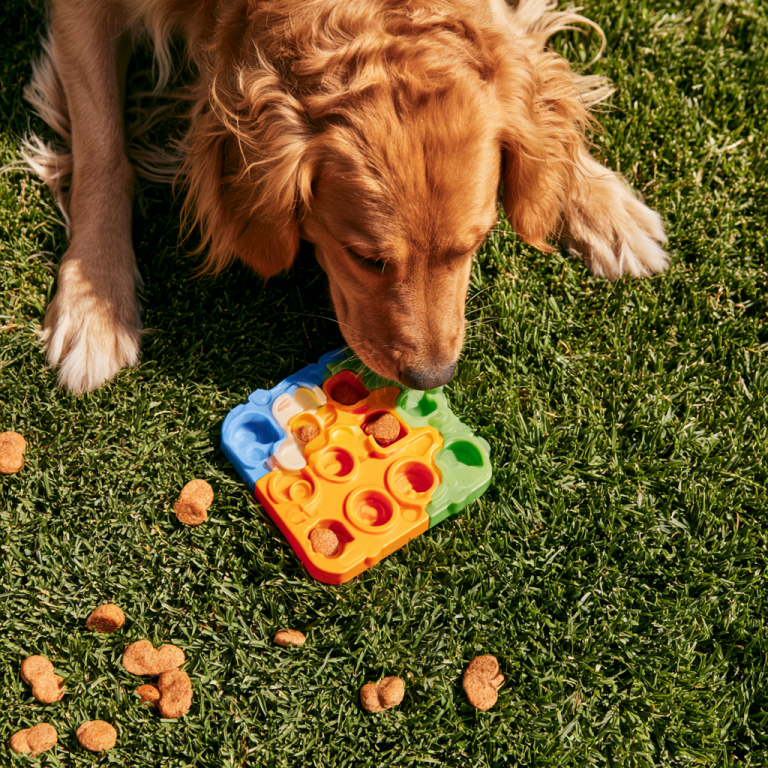
Training can also help alleviate problematic paw licking by redirecting your dog’s focus. Techniques such as offering toys, engaging in regular play sessions, or providing puzzle feeders can diminish boredom and mitigate stress. Incorporating regular training sessions can also help build a bond with your dog while addressing any behavioral concerns.
Health Considerations Related to Paw Licking
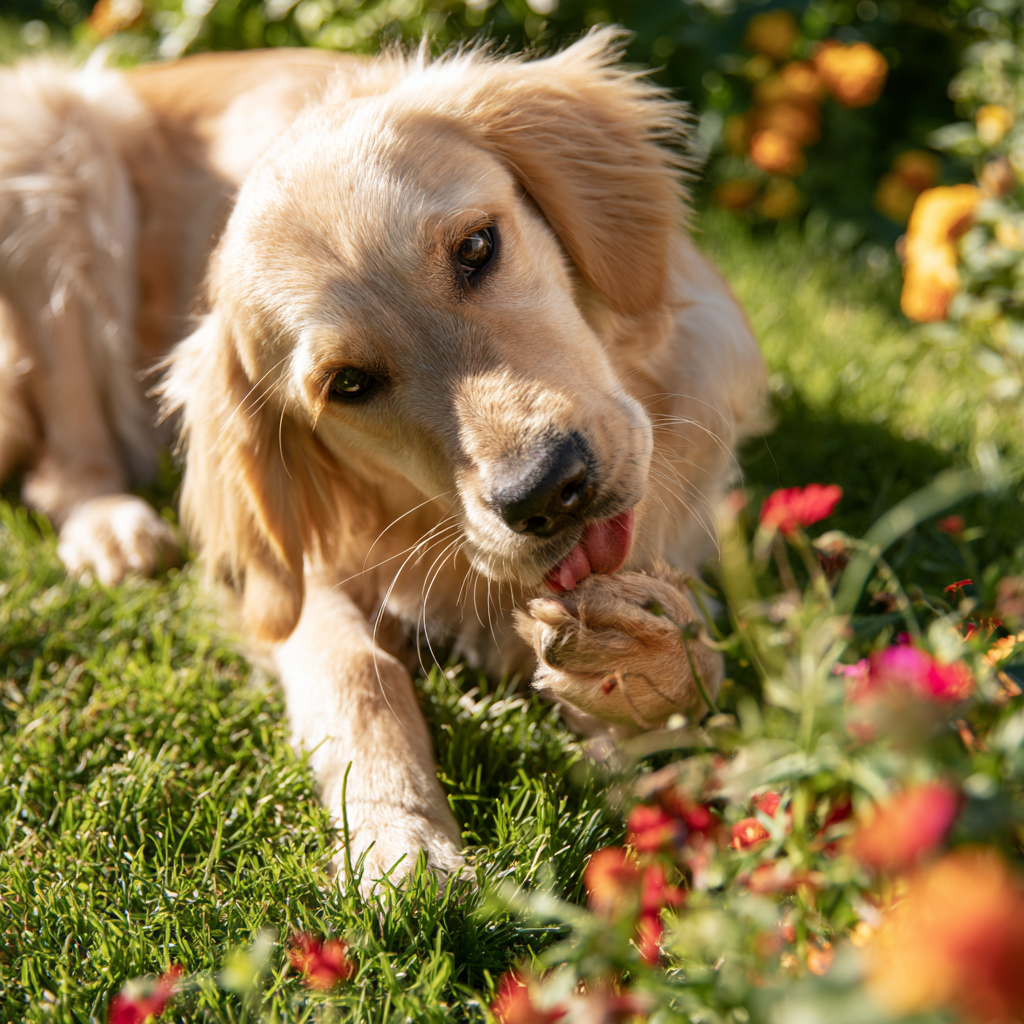
While natural instincts and behavioral factors play a role in paw licking, underlying health issues cannot be overlooked. If licking is excessive or appears compulsive, it’s prudent to investigate further for potential health concerns.
Allergies and Irritants
One of the most common health-related reasons dogs lick their paws is due to allergies. Dogs can be sensitive to various allergens, including certain foods, pollens, dust mites, and chemicals in their environment. Food allergies, in particular, may manifest through digestive issues or skin irritations, often accentuated by paw licking as the dog tries to soothe discomfort. Identifying and removing allergenic substances from your dog’s diet or environment can often alleviate these symptoms.
Similarly, irritants such as salt from roads, lawn chemicals, or even certain fabrics can cause sensitivity. For instance, if a dog frequently licks their paws after spending time outdoors, it may be reacting to something it came into contact with. Observing whether your dog exhibits paw licking behavior after specific activities can help you pinpoint potential irritants.
Signs of Paw Irritation
As paw licking often stems from irritation or discomfort, there are several signs to watch for that may indicate the need for veterinary attention. Look for the following symptoms:
- Redness or swelling between the toes or on the pads.
- Paw hair loss or skin lesions.
- Foul odor emanating from the paws.
- Excessive biting or chewing of the paws.
- Changes in behavior, such as increased lethargy or withdrawal.
If any of these signs are present, it’s essential to monitor your dog closely. Underlying conditions such as fungal infections, bacterial infections, or autoimmune disorders can lead to persistent problems and require prompt treatment to prevent further discomfort.
When to Consult a Veterinarian
Knowing when to seek professional help regarding your dog’s paw licking is crucial for their well-being. Here are specific indicators that it’s time to consult a veterinarian:
- If the licking is excessive and disrupting normal behavior.
- Noticeable signs of irritation or injury on the paws.
- A change in dietary habits or weight, suggesting an underlying health issue.
- Current medications or conditions, as these may exacerbate paw licking.
- If it appears to be pain-related, observed through limping or reluctance to walk.
By working closely with your veterinarian, you can determine the best approach to manage your dog’s behavior, address any health issues promptly, and ensure your dog remains healthy and happy.
Frequently Asked Questions
Is it normal for dogs to lick their paws?
Yes, occasional paw licking is normal behavior for dogs as they groom themselves. However, if the licking becomes excessive or compulsive, it may indicate a problem that requires attention.
What does it mean when a dog licks its paws a lot?
Excessive paw licking can signify various issues, including allergies, irritants, boredom, or even behavioral problems. Monitoring the licking’s context and frequency can help determine its cause.
How can I stop my dog from licking its paws?
Providing sufficient physical and mental stimulation, addressing any potential environmental irritants, and considering behavioral training can help reduce paw licking. Always consult a veterinarian for persistent issues.
Should I worry if my dog is licking its paws?
You should be concerned if the licking is excessive, accompanied by signs of irritation or discomfort, or if it leads to changes in your dog’s health. Consulting a veterinarian is advisable in such cases.
What allergies make dogs lick their paws?
Common allergens include pollen, dust mites, and specific food ingredients. Environmental irritants such as chemicals or materials can also cause dogs to lick their paws if they lead to itchiness or discomfort.