Why Does My Dog Sigh? Understanding Canine Sighing Behavior

Why Does My Dog Sigh? This intriguing question has crossed the minds of many pet owners. In the quiet moments, as your dog takes a deep breath and lets out a long, soft sigh, you might wonder what those sounds mean. Is it a sign of happiness, boredom, discomfort, or something else? Understanding the nuances behind canine sighing behavior can help you decode your furry friend’s emotional state, leading to a stronger bond between you and your pet.
Quick answer: Dogs sigh for various reasons, including expressing contentment, relief, boredom, or stress. The emotional context and accompanying body language are crucial for interpreting what a sigh means at any given moment.
Why Does My Dog Sigh? Understanding Canine Sighing Behavior
The emotional context of a dog’s sigh
To grasp the meaning behind your dog’s sigh, it’s essential to pay attention to the emotional context. Dogs communicate through a combination of vocalizations, body language, and facial expressions, and a sigh is often one piece of this puzzle. For many dogs, a sigh can reflect their inner emotional state, similar to how humans express feelings through various sighs. A soft, long sigh might indicate a release of tension, while a huff or a short, sharp sigh might signal impatience or mild frustration.
Another key factor in interpreting your dog’s sigh lies in their history or past experiences. A dog that has learned to associate certain situations with stress, such as thunderstorms or visits to the vet, may sigh more frequently in those contexts. This sigh may serve as a coping mechanism, signaling their emotional response and letting you know that they are feeling uneasy.
Common reasons behind dog sighing
Dogs can sigh for numerous reasons, and understanding these can help you determine your pet’s emotional state. Some common reasons for dog sighing include:
- Contentment: A soft sigh while lying comfortably next to you often indicates happiness and contentment.
- Relief: After a stressful event or a bout of excitement, like returning from a walk, a sigh can signify that your dog is finally relaxed.
- Boredom: An exaggerated sigh while lounging around might suggest that your dog is looking for engagement or stimulation.
- Stress or anxiety: A short or sharp sigh may suggest that your dog is feeling anxious, particularly if it is accompanied by other signs of distress, like pacing or panting.
Being attentive to these contexts can provide deeper insights into your dog’s emotional landscape and help you respond appropriately.
Is Sighing a Sign of Comfort or Distress?
Interpreting sighs in different situations
Understanding whether your dog’s sigh signifies comfort or distress requires observing their body language and context. A relaxed dog will often display loose body posture, relaxed ears, and soft eyes alongside a peaceful sigh. You may witness them sinking into their bed or stretching out comfortably while exhaling a soft sigh.
Conversely, if your dog’s sigh is sharp or accompanied by tense body language—like a stiff posture, raised hackles, or becoming withdrawn—it may indicate discomfort or unease. For example, if your dog is resting in a new environment where they might feel insecure, a sudden sigh might reveal their apprehension as they adjust.
In some cases, sighing can serve as a bridge between physical comfort and mental stimulation, suggesting that a dog is bored rather than distressed. For instance, if your dog sighs after attempting to engage you with toys, they may simply be expressing a need for more interaction.
Sighing and signs of contentment
When interpreting sighs, it’s also helpful to identify other signs of contentment. A dog that is happy and relaxed will often exhibit behaviors such as a wagging tail, loose body posture, or playful movements. When combined with a peaceful sigh, these signs reinforce the notion that your dog is in a good place emotionally.
It can be beneficial to observe your dog’s sigh in various contexts. For example:
- During a relaxed evening at home, a sigh might mean your dog is peacefully decompressing from the day.
- After a play session, a deep sigh may indicate tiredness and readiness for a nap.
By understanding the full range of signals accompanying a sigh, you can confidently assess your dog’s emotional state and provide the needed support.
Differences in Sighing Based on Dog Personality
Sighing in relaxed versus anxious dogs
Personality plays a significant role in how often and in what manner dogs sigh. Relaxed dogs tend to communicate their contentment through soft, prolonged sighs, often coupled with a sense of calmness in their demeanor. An anxious dog, on the other hand, may exhibit sighs that are sharper and more frequent, particularly during stressful events or unfamiliar situations. For example, an anxious dog may sigh multiple times while navigating a crowded space, indicating discomfort and a desire to find relief.
While individual reactions can vary widely, it’s essential to recognize patterns that align with your dog’s specific personality traits. Some dogs are naturally more skittish and sensitive, while others might be more resilient and adaptable. Paying attention to these differences can offer great insights into their sighing behavior.
How breed influences sighing behavior
While individual temperament is crucial, breed characteristics can also shape how dogs display their sighing behaviors. Certain breeds may trend toward more expressive vocalizations. Breeds that are known for their expressiveness, such as Beagles, might showcase a broader range of sighs, reflecting their emotional states more clearly. Conversely, more reserved breeds, like greyhounds, may sigh less frequently but still communicate contentment or distress in their own subtle ways.
| Breed | Typical Sighing Behavior |
|---|---|
| Beagle | Expressive, frequent sighs often indicating excitement or discontent. |
| Golden Retriever | Soft sighs indicating happiness or relaxation. |
| Greyhound | Less frequent sighs, often revealing comfort or the need for space. |
Each breed will have nuances in their expressions of sighing, reinforcing the importance of knowing your dog’s individual traits and how they align with breed tendencies.
When to Be Concerned About Your Dog’s Sighs
Signs that may indicate pain or stress
While sighing can be a normal part of your dog’s communication, certain behaviors may prompt concern. If you notice your dog sighing along with other signs such as limping, difficulty getting up, panting, or agitation, it may indicate pain or discomfort. Frequent sighing, especially if accompanied by changes in appetite, sleeping patterns, or social behaviors, can signal underlying health issues or increased stress levels. For instance, a dog that suddenly begins to sigh frequently during car rides may be experiencing travel anxiety or discomfort.
Seeking veterinary advice for concerning behaviors
If you observe a sudden change in your dog’s sighing patterns or if it is coupled with other concerning symptoms, it’s essential to consult a veterinarian. They can help determine if there is an underlying health issue or if behavioral adjustments are needed. Never hesitate to reach out for professional advice if something feels off, as timely intervention can make a significant difference in your dog’s quality of life.
By understanding the subtleties of dog sighing behavior, we can better connect with our canine companions. Observing the context, their personality, and any accompanying signals allows us to share in their experiences—whether they are relaxed and content or looking for a little extra reassurance. Ultimately, each sigh can serve as a valuable opportunity for building trust and enhancing your relationship with your dog.
Frequently Asked Questions
Is my dog’s sighing a sign of stress?
A dog’s sigh can indicate stress, especially if it coincides with other anxiety-related behaviors like pacing or restlessness. However, sighing is not exclusively a sign of distress; context is key in interpreting its meaning.
What does it mean when my dog sighs and rolls over?
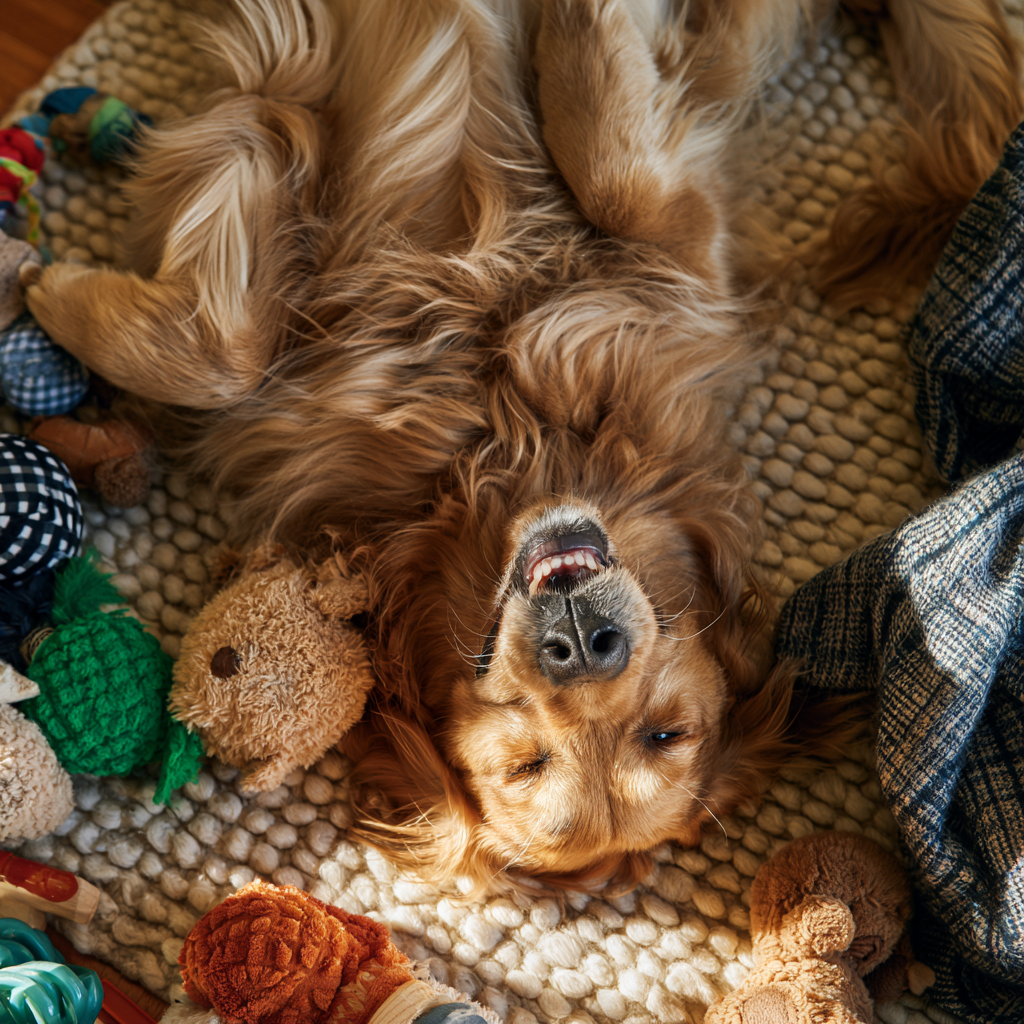
When a dog sighs and rolls over, it typically signifies relaxation and comfort. This behavior suggests that your dog feels secure enough to expose its belly, which is a vulnerable position.
Do all dogs sigh?
Not all dogs will sigh; it depends on various factors, including personality, breed, and emotional state. Some dogs may express themselves differently, using other vocalizations or body language instead.
Can sighing indicate pain in dogs?
While sighing can indicate discomfort, it alone is not a definitive sign of pain. If your dog’s sighing occurs along with other signs of distress or pain, it may be worth consulting your veterinarian.
How can I tell what my dog is trying to communicate?
Observing your dog’s body language, vocalizations, and overall context is vital to understanding their communication. By closely monitoring their behavior and reactions, you can gain insight into what your dog is trying to convey.
Are there different types of dog sighs?
Yes, dogs can have various types of sighs that differ in tone and length. For example, a long, deep sigh might indicate contentment, while a short, sharp sigh could express frustration or impatience.