Dog Cold Symptoms Treatment: A Complete Guide
Dog cold symptoms treatment is a critical topic for pet owners looking to ensure their four-legged friends remain comfortable and healthy during chilly weather. Although dogs are generally resilient, they can still experience cold symptoms that may lead to discomfort or possible health issues. Understanding how to identify these symptoms and effectively treat them at home can make a significant difference in your dog’s overall well-being.
Quick answer: If your dog shows symptoms of a cold, including coughing, sneezing, and nasal discharge, you can often treat mild cases at home with rest and hydration. However, if symptoms persist or worsen, it’s essential to consult a veterinarian.
Understanding Canine Cold Symptoms
Common Dog Cold Symptoms
When observing dog cold symptoms, it’s essential to recognize the specific signs that indicate your furry friend might be suffering from a cold. These symptoms can vary in severity and duration, so keeping a close eye on your dog is crucial. Below are some of the most common symptoms associated with canine colds:
- Coughing: Frequent coughing can indicate throat irritation often associated with a cold.
- Sneezing: Similar to humans, sneezing can be a way for dogs to expel irritants in their nasal passages.
- Nasal discharge: You might notice a clear or cloudy discharge from your dog’s nose, which can become thicker over time.
- Watery eyes: Excessive tearing can accompany nasal symptoms and may indicate congestion.
- Lethargy: Cold symptoms might make dogs more tired than usual, finding it hard to engage in play or activities.
- Loss of appetite: Illness can lead to a decreased appetite, making it essential to monitor your dog’s eating habits.
- Fever: In some cases, a slight increase in body temperature may be present.
The severity and combination of symptoms can help you determine the right course of action. For instance, mild coughing once or twice a day may not necessitate a visit to the vet, while persistent coughing coupled with lethargy and poor appetite can indicate a more severe issue that requires professional help.
How to Differentiate from Other Illnesses
It can be challenging to distinguish dog cold symptoms from those of other canine illnesses, given the overlap in symptoms. Recognizing the differences can help you decide whether at-home care is appropriate or if a veterinary visit is warranted. Here are some conditions with similar symptoms:
| Condition | Common Symptoms | Key Differences |
|---|---|---|
| Canine Flu | Coughing, nasal discharge, lethargy, fever | Canine flu often presents with a high fever and can progress rapidly. |
| Canine Kennel Cough | Persistent cough, nasal discharge, lethargy | This condition usually involves a dry, honking cough and can be highly contagious. |
| Heartworm Disease | Coughing, lethargy, decreased appetite | Heartworm typically causes coughing after exercise and may cause weight loss over time. |
| Allergies | Sneezing, runny eyes, nasal discharge | Allergy symptoms often fluctuate with environmental changes and may respond to antihistamines. |
Understanding these distinctions can inform your decision on how to treat your dog cold symptoms. If there is any uncertainty about your dog’s health or if symptoms persist beyond a few days, it is advisable to consult a veterinarian for definitive diagnosis and treatment.
Dog Cold Symptoms Treatment
At-Home Treatments for Dog Colds
If your dog shows mild cold symptoms, several at-home treatments may provide relief. Here are some steps you can take:
- Hydration: Ensure your dog has access to fresh water. Hydration helps thin mucus and contributes to overall health.
- Rest: Allow your dog ample time to rest. Limiting physical activity can aid in their recovery.
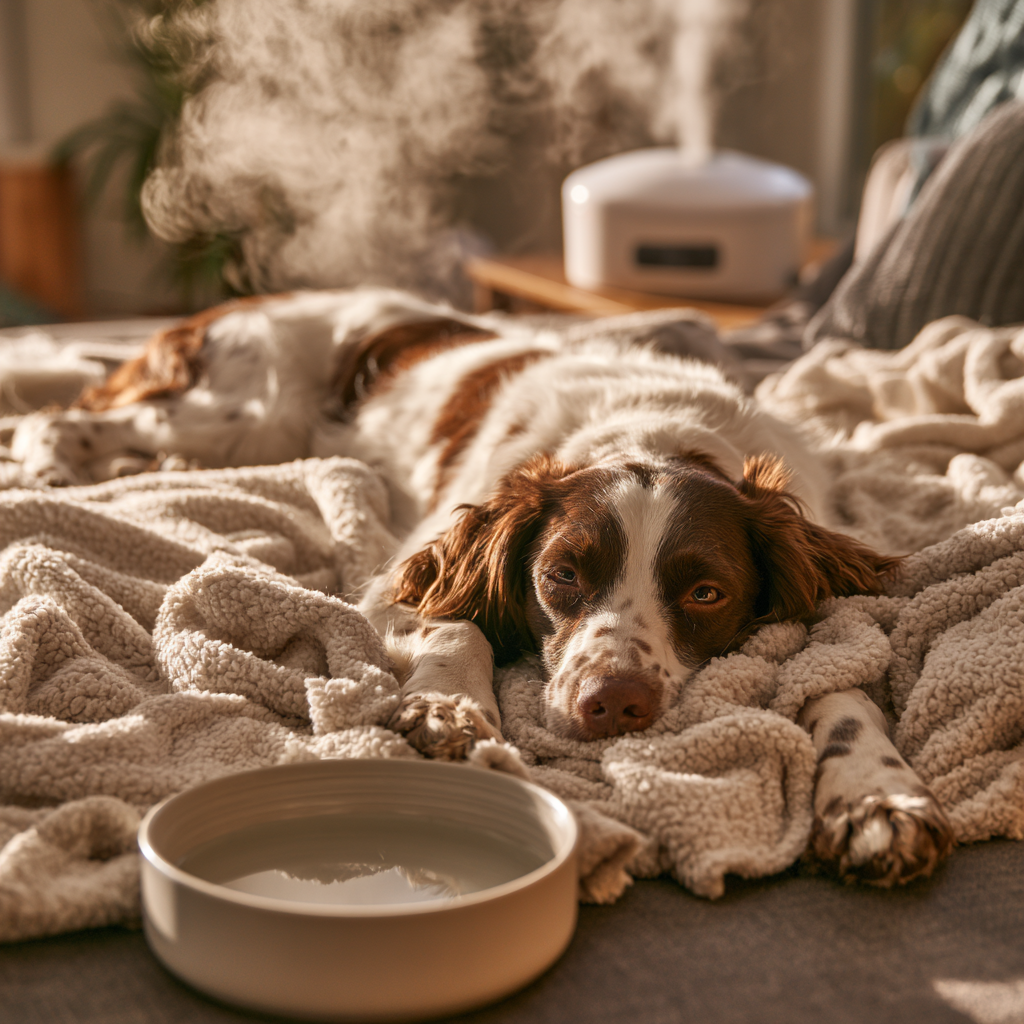
- Humidifier use: Introducing moisture into the air can ease breathing. A humidifier in the room where your dog sleeps may alleviate nasal discomfort.
- Warm environment: Keep your dog in a warm, draft-free space to help them stay comfortable and support their immune response.
- Nutrition: Maintain an appealing diet. Enhance your dog’s meal with warm, moist food to stimulate their appetite.
Monitoring your dog closely during this time is crucial. If symptoms do not show signs of improvement within a few days or if they worsen, it may be time to consult with a veterinarian.
When to Consult a Veterinarian
Recognizing when to seek veterinary help can be critical in managing your dog’s health effectively. Watch for these signs that indicate you should consult a veterinarian:
- Symptoms persist for more than three days without improvement.
- A combination of symptoms, such as coughing with difficulty breathing.
- High fever (over 103°F) or significant lethargy.
- Loss of appetite lasting more than 24 hours.
- Vomiting or diarrhea accompanying cold symptoms.
Prompt attention can prevent further complications, so when in doubt, it’s better to reach out to a veterinary professional for guidance. This is particularly important for puppies, elderly dogs, or dogs with pre-existing health conditions, as they may be at greater risk.
Using Natural Remedies Safely
Many pet owners consider natural remedies when treating dog cold symptoms, believing that they may be gentler alternatives to conventional treatments. However, caution is necessary. Here are some natural remedies often considered, along with important safety notes:
- Honey: Tiny amounts can soothe a sore throat, but avoid it for dogs under one year due to potential botulism.
- Chicken broth: Warm, low-sodium broth can entice a dog to hydrate and eat. Ensure there are no onions or garlic, which are toxic to dogs.
- Ginger: Some say ginger promotes respiratory health, but it should be used in moderation to avoid stomach upset.
- Eucalyptus: While steam from eucalyptus oil may help with breathing, it should never be ingested and must be appropriately diluted to avoid toxicity.
Before introducing any new natural remedy, consult your veterinarian. They can provide tailored advice based on your dog’s health history and potential interactions with any medications they might be receiving.
Preventing Cold in Dogs
Tips for Keeping Your Dog Warm
Preventing cold symptoms is often more effective than treating them. Here are some tips to help keep your dog warm during colder months:
- Dress for the weather: Consider a coat or sweater for short-haired or small breeds when temperatures drop significantly, particularly below 32°F (0°C).
- Limit outdoor time: Avoid extended outdoor playtime during severe weather. Consider providing indoor entertainment to keep your dog active.
- Access to shelter: Ensure outdoor dogs have a warm, insulated space to retreat when exposed to cold conditions.
- Warm bedding: Provide soft, warm bedding in a draft-free area inside your home to promote comfort.
Different breeds have varying tolerance to cold weather. Breeds with thicker coats, like Huskies or Malamutes, may fare better than short-haired dogs like Beagles or Dobermans. Be attentive to your dog’s specific needs and adjust your care accordingly.
Seasonal Precautions for Outdoor Dogs
Outdoor dogs face unique challenges during cold months, requiring added vigilance from pet owners. To help your furry friend stay healthy, consider these seasonal precautions:
- Regular check-ins: Monitor your outdoor dog frequently to ensure they are not showing early signs of cold stress, such as shivering or chattering teeth.
- Provide fresh water: Ensure they have access to water that isn’t frozen over, as staying hydrated is critical, even in colder temperatures.
- Grooming: Regular grooming during colder months ensures a well-maintained coat that can provide adequate insulation against the cold.
- Health assessments: Regular veterinary check-ups can catch any underlying issues that may affect your dog’s ability to tolerate cold.
By taking these precautions, you can better support your outdoor dog during winter months and help prevent cold symptoms from developing.
Frequently Asked Questions
What are common cold symptoms in dogs?
Common cold symptoms in dogs include coughing, sneezing, runny nose, lethargy, loss of appetite, and sometimes fever. Symptoms can present differently depending on the individual dog.
How can I treat a dog with a cold at home?
You can treat a dog with a cold at home by providing rest, ensuring hydration, using a humidifier, offering warm foods, and maintaining cleanliness in their environment. Observe your dog’s symptoms carefully and seek professional help if needed.
When should I take my dog to the vet for cold symptoms?
If your dog’s cold symptoms persist beyond a few days, if they show severe lethargy, refuse to eat, or exhibit difficulty breathing, it’s best to consult a veterinarian for further evaluation.
Are there any natural remedies for a dog cold?
Yes, natural remedies like honey for older dogs and low-sodium chicken broth can help soothe symptoms. Always consult your veterinarian before using any natural treatment to ensure it’s safe for your pet.
What can I do to prevent my dog from getting a cold?
To prevent colds in dogs, ensure they have a warm and dry environment, limit outdoor exposure during extreme weather, and maintain a healthy, nutrient-rich diet. Regular veterinary checkups can also help monitor their health.