Can Dogs Eat Grapefruit? Important Safety Information
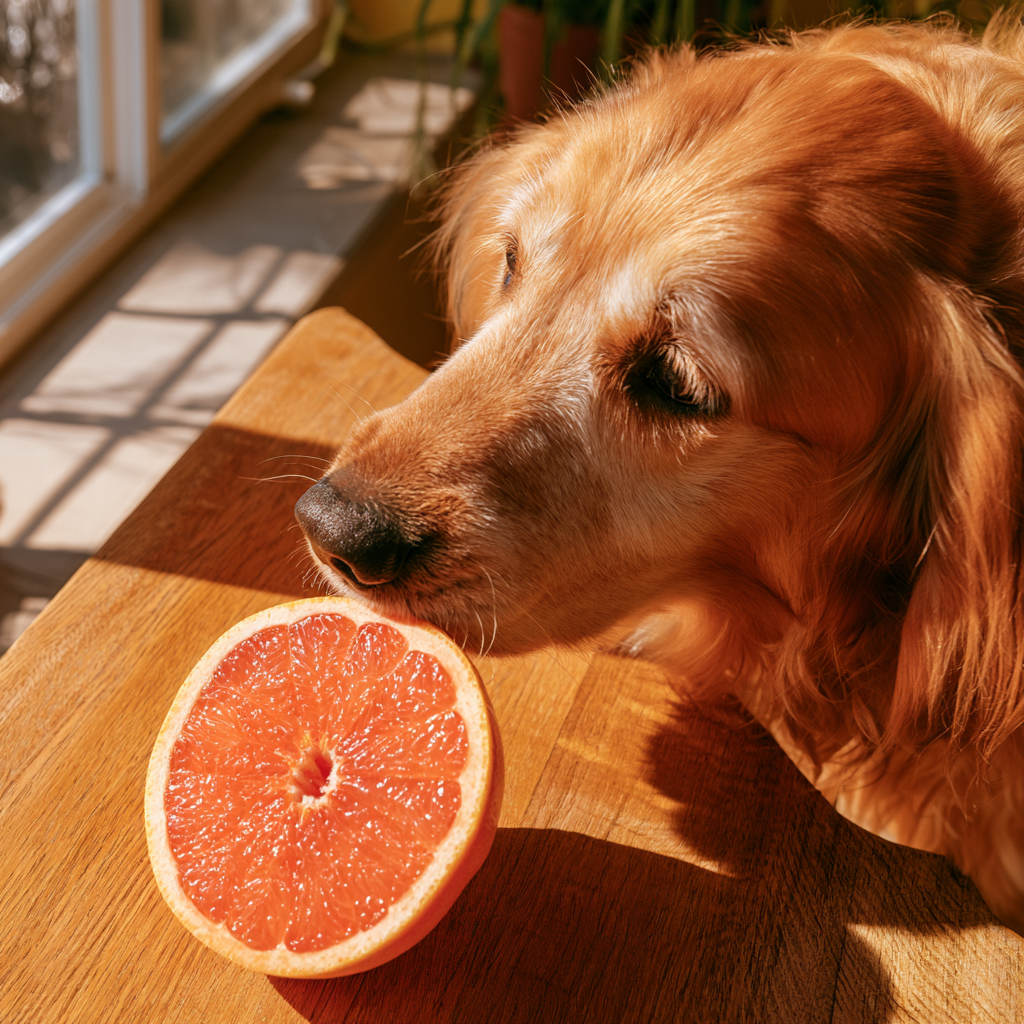
As pet owners, we often wonder about the safety of various human foods for our furry friends. One common question that arises is, “can dogs eat grapefruit?” This vibrant fruit, known for its tangy goodness, is a staple in many households. However, before sharing this citrus treat with your dog, it’s crucial to understand its nutritional value, possible risks, and how to react if your canine companion happens to consume it.
Quick answer: While dogs can have small amounts of grapefruit, it’s important to be cautious. Grapefruit contains compounds that can be harmful to dogs and may lead to potential risks. Always consult your veterinarian before introducing new foods to your dog’s diet.
Can dogs eat grapefruit safely?
When considering whether dogs can eat grapefruit safely, it’s essential to look at both the nutritional benefits and potential hazards associated with this fruit.
Nutritional aspects of grapefruit
Grapefruit is packed with several nutrients that can be beneficial to human health, such as vitamin C, potassium, and antioxidants. However, the effects of these nutrients on dogs differ significantly from their effects on humans. Here are some key nutrients found in grapefruit and their potential relevance to dogs:
- Vitamin C: While grapefruit is high in vitamin C, most dogs can produce this vitamin naturally, making additional supplementation unnecessary. In some cases, excess vitamin C might lead to digestive upset.
- Fiber: Grapefruit contains fiber, which can aid in digestion. However, dogs typically require fiber from other, more palatable sources, such as certain vegetables or grains. Grapefruit does not serve as a primary fiber source.
- Antioxidants: Grapefruit contains antioxidants, which can contribute to overall health. Yet, dogs can receive adequate antioxidants through a balanced diet designed for their specific needs.
Considering these aspects, grapefruit may not offer substantial benefits to dogs compared to other fruits. For example, apples, blueberries, and bananas are often safer and more beneficial options for our canine companions.
Can dogs have grapefruit juice?
Grapefruit juice, similar to the whole fruit, is often a topic of concern for dog owners. Citrus fruits, including grapefruit, can pose similar risks whether consumed whole or in juice form. The concentrated sugars and acids in grapefruit juice can lead to digestive discomfort for dogs. Additionally, grapefruit juice may contain additives or sweeteners that are unsafe for dogs.
To prioritize your dog’s health, it’s best to avoid giving them grapefruit juice altogether and to choose safer juice alternatives, like pure pumpkin or carrot juice, that are more easily digestible and beneficial.
Potential risks of grapefruit for dogs
Despite the nutritional benefits of grapefruit, it’s crucial to understand the associated risks. Grapefruit contains compounds that can interfere with medications and can affect certain breeds more significantly than others.
Signs of adverse reactions in dogs
If a dog consumes grapefruit, it can lead to various adverse reactions. While not every dog will react negatively, common signs to watch out for include:
- Gastrointestinal upset: Symptoms may include vomiting, diarrhea, or discomfort.
- Loss of appetite: A sudden disinterest in food can indicate distress.
- Behavioral changes: If your dog seems lethargic or unusually restless, it may be a sign of discomfort.
If you notice any of these signs, it’s essential to monitor your dog closely and consult with your veterinarian to determine if further action is needed. Individual reactions can vary, so what may be safe for one dog might not be for another, especially if health issues or allergies are present.
What to do if a dog eats grapefruit
If your dog eats grapefruit, there are several steps you should consider to ensure their safety:
- Stay Calm: Panicking won’t help you or your dog. Assess the situation carefully.
- Observe: Watch your dog for any immediate reactions. Monitor for vomiting, diarrhea, or abnormal behavior.
- Consult Your Veterinarian: If your dog shows any signs of distress or if you’re unsure about the amount of grapefruit consumed, contact your veterinarian promptly.
- Prevent Future Occurrences: To avoid similar incidents, keep grapefruit and other potentially harmful foods out of your dog’s reach. Consider using dog-proof containers or placing food items in locations that your dog cannot access.
Being proactive and informed can help ensure your dog’s well-being and reduce fear associated with food sharing.
As a responsible pet owner, it’s crucial to understand the dietary needs and restrictions of your dog. Grapefruit isn’t a necessary addition to your dog’s diet, and many safer fruit options can provide nutritional benefits without the associated risks. Alternatives like blueberries, apples (without seeds), or slices of banana can often be better choices for a dog-friendly treat.
Frequently Asked Questions
Is grapefruit toxic to dogs?
Grapefruit is not classified as toxic to dogs, but it can lead to digestive issues and may interact adversely with certain medications. It’s generally advisable to avoid giving grapefruit to dogs.
What fruits should dogs avoid?
Dogs should avoid fruits like grapes, raisins, and cherries, which can be toxic. Additionally, any fruit with high sugar content or acidity should be given cautiously.
How much grapefruit can a dog eat?
If a dog does consume grapefruit, it should be in very small quantities due to the fruit’s potential to cause digestive disturbances. It’s always best to consult a veterinarian before introducing any new foods.
What to do if my dog eats grapefruit?
If your dog eats grapefruit, monitor them for signs of discomfort such as vomiting or diarrhea. If they show any concerning symptoms or consume a substantial amount, consult your veterinarian for professional guidance.