Finding Your New Best Friend: How to Choose a Responsible Puppy Store
Finding Your New Best Friend: How to Choose a Responsible Puppy Store is an important step in welcoming a new furry member into your family. The process of choosing the right puppy store can significantly influence the health and temperament of your future pet. A responsible puppy store not only values animal welfare but also aims to provide you with the information and resources necessary for a successful pet ownership journey.
Quick answer: To find a responsible puppy store, prioritize transparency regarding breeding practices, health assessments, and socialization efforts. Look for shops that offer a comprehensive understanding of each puppy’s background, provide health guarantees, and maintain an open dialogue about puppy care.
Finding Your New Best Friend: How to Choose a Responsible Puppy Store
What to Look for in a Responsible Puppy Store
When embarking on the journey of finding a puppy, understanding what constitutes a responsible puppy store is crucial. Here are some key attributes to seek out:
- Transparency: A reputable store should be open about their breeding sources. They should be willing to provide information about the breeders they work with and the conditions under which the puppies were raised.
- Health records: Responsible puppy stores offer complete health records for each puppy. This includes vaccinations, deworming schedules, and any veterinarian evaluations. Knowledgeable staff should be able to explain these documents clearly.
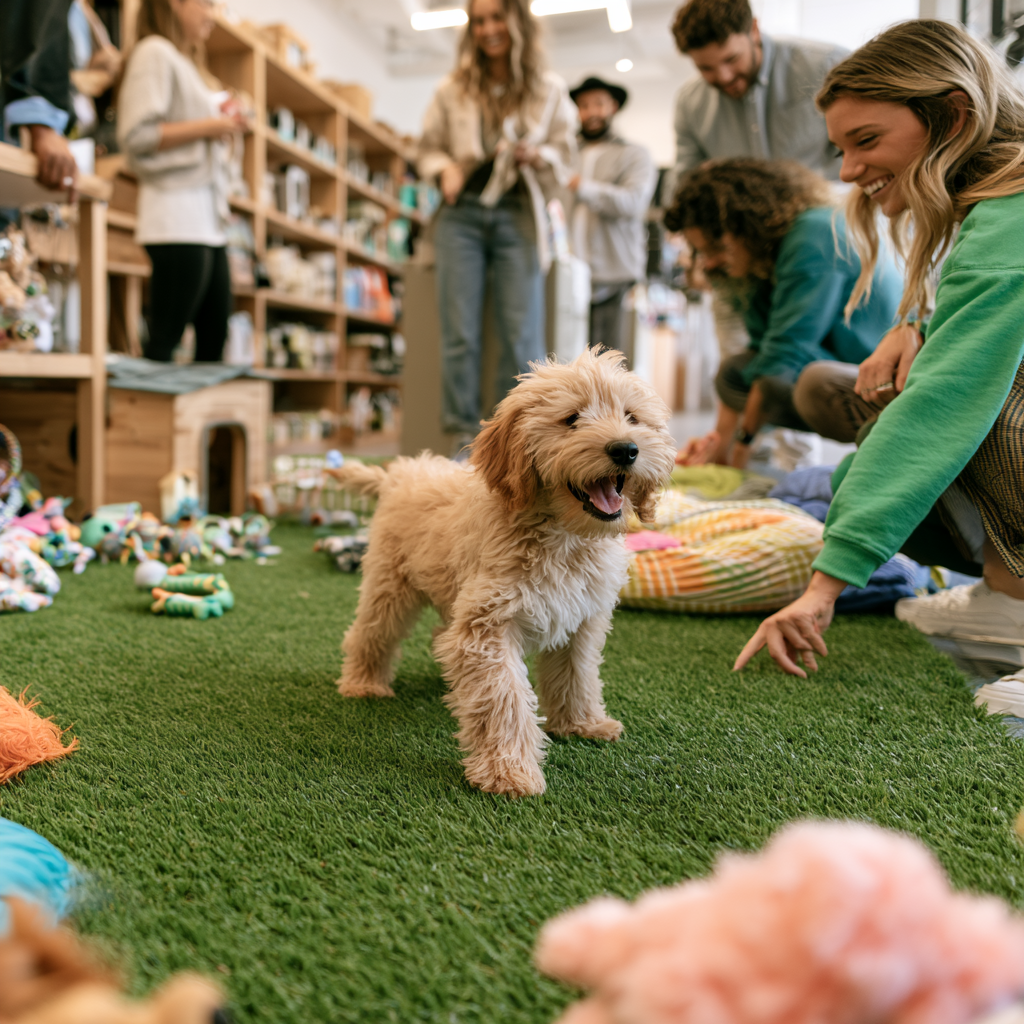
- Socialization efforts: Puppies should be raised in environments that encourage social interactions with both humans and other animals. Inquire about how the store promotes early socialization, as this significantly influences a puppy’s behavior.
- Customer education: A good puppy store is committed to educating new puppy owners. They should provide resources on puppy care, training, and behavior to help you prepare for life with your new friend.
- Returns and guarantees: Responsible stores often have policies in place regarding the return of puppies for any reason, allowing owners time to reconsider their decision. Additionally, they provide health guarantees which demonstrate their commitment to animal welfare.
It’s important to express your desire to meet the puppies’ parents, if possible. This can give you insight into the temperament and health of the puppies you are considering.
Signs of a Reliable and Ethical Puppy Store
While there are many aspects to assess, certain signs can help confirm the store’s reliability and ethics:
- Cleanliness and Care: The store environment should be clean, well-kept, and safe. Puppies should be housed in spacious, hygienic conditions that promote their health and comfort.
- Staff Knowledge: Employees should demonstrate a clear understanding of the breeds on offer, including their characteristics and needs. They should be willing to answer your questions thoroughly and provide additional resources.
- Customer Reviews: Look for positive testimonials and reviews online to gauge other customers’ experiences. A reliable store will often have a strong reputation within the community.
- Legal Compliance: Check if the store adheres to local animal welfare laws and regulations. They should maintain licenses for operating as a pet business and follow ethical breeding practices.
Investigating a puppy store thoughtfully enables you to perceive red flags early, leading you toward a more responsible choice for adopting a new family member.
Evaluating Puppy Health and Socialization
Understanding a puppy’s health and socialization is essential for ensuring a happy and well-adjusted pet. Evaluating these factors can give you insight into the puppy’s temperament and may prevent behavioral issues down the road.
Questions to Ask Before Purchasing a Puppy
Before settling on a puppy, it’s important to engage in a proactive dialogue with the puppy store staff. Here are several critical questions to consider:
- Can I see the health documents? Always request to see the health records of the puppy, including vaccination history and any vet assessments.
- What socialization experiences has this puppy had? Understanding how the puppy has been raised can provide insights into its future behavior and social skills.
- What is the store’s return policy? Familiarize yourself with the store’s policies regarding returns or exchanges if the puppy doesn’t fit your family.
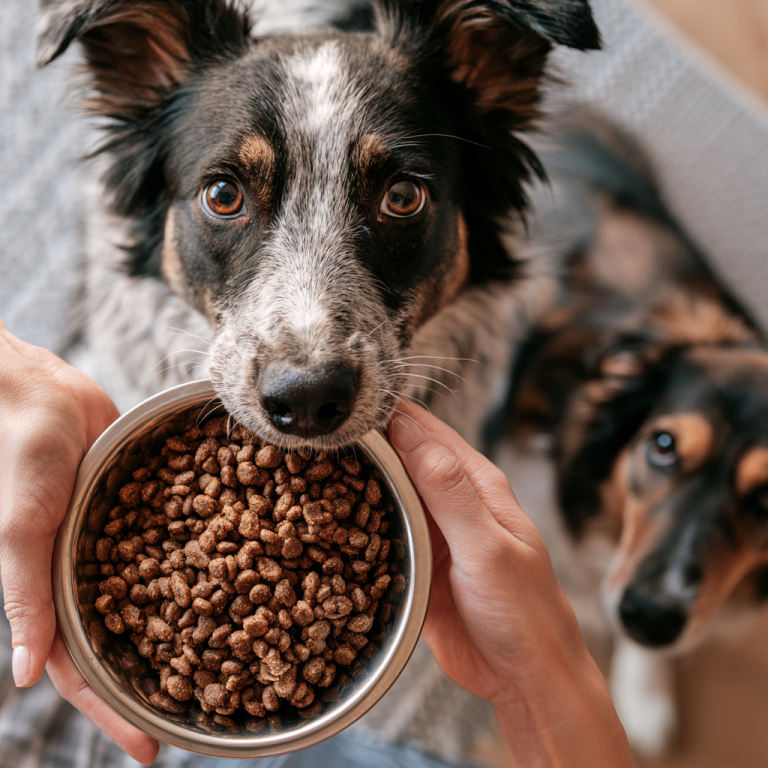
- What type of food has the puppy been eating? Feeding practices can influence a puppy’s health. Get recommendations for transitioning the puppy to your chosen dog food.
- How can I continue socialization? Ask for guidance on how to continue socializing your puppy post-purchase, which can include puppy classes and playdates with other dogs.
By engaging thoughtfully, you not only gather vital information but also gauge the store’s commitment to providing you and your puppy with ongoing support. This personal interaction can give insight into their level of accountability and concern for animal welfare.
Understanding Puppy Health Assessments
A thorough health assessment is a critical component of responsible puppy purchasing. It assures potential owners that their new companion is in good health before the purchase. Here’s what to consider:
- Qualified Veterinarian: Ensure the puppy has been examined by a qualified veterinarian. This professional should have relevant experience with companion animals and a solid understanding of breed-specific health issues.
- What was included in the health assessment? Understand what the assessment entailed, including vaccinations, your puppy’s physical condition, and any congenital health concerns noted during the examination.
- Follow-up Care: Responsible puppy stores should provide information on follow-up veterinary care, including regular check-ups and vaccinations.
- Vet Contact Information: Ask for the contact information of the veterinarian who performed the assessments so that you can verify the examination details and health records.
Additionally, consider discussing the importance of researching veterinary practices in your area. Getting a puppy is a long-term commitment that extends beyond the purchase, as ongoing medical care will be essential for your puppy’s well-being.
It is essential to recognize that the decisions made during this purchasing process significantly impact the puppy’s future wellbeing.
When searching for your new family member, remember that adopting from rescue organizations can also be a responsible option, providing loving homes for pets in need. Each puppy has its own background and needs, so prioritizing responsible practices is vital when finding your new best friend.
Frequently Asked Questions
What should I look for in a responsible puppy store?
Look for transparency regarding breeding practices, a clean and safe environment, knowledgeable staff, health guarantees, and opportunities for socialization. Observing these factors can help ensure you’re choosing a responsible puppy store.
How can I tell if a puppy store is reputable?
A reputable puppy store often has positive customer reviews, well-behaved puppies, a commitment to owner education, and a fair return or health guarantee policy. These signs indicate a focus on animal welfare and customer satisfaction.
What questions should I ask a puppy store before buying?
Ask about the puppy’s health history, the lineage of the puppy, socialization experiences, resources for new owners, and the store’s return policy or health guarantees. These questions will provide insight into the store’s practices.
What are the signs of a healthy puppy at a store?
Signs of a healthy puppy include active and playful behavior, alertness, clean fur, bright eyes, and no visible health issues like coughing or lethargy. Healthy puppies typically engage positively with their environment.
Are there alternatives to buying from a puppy store?
Yes, alternatives include adopting from animal shelters or rescue organizations, where there are often many puppies in need of homes. Additionally, reputable breeders dedicated to responsible breeding practices can be good sources for finding a puppy.