Why Do Dogs Dig Holes? Exploring Common Reasons
Why Do Dogs Dig Holes? This behavior can leave many pet owners puzzled, often leading to frustration and concern. Digging is a common activity observed in dogs, and understanding the underlying reasons is key to addressing it effectively. Dogs may dig for a variety of reasons, from natural instincts to playfulness, anxiety, and environmental factors. In this article, we will explore why your furry friend might be exhibiting this behavior and how you can manage it.
Quick answer: Dogs dig for various reasons including natural instincts, play, boredom, or anxiety. Understanding their motivation is crucial for effectively addressing and redirecting the behavior.
Why Do Dogs Dig Holes? Understanding the Behavior
Natural instincts driving digging
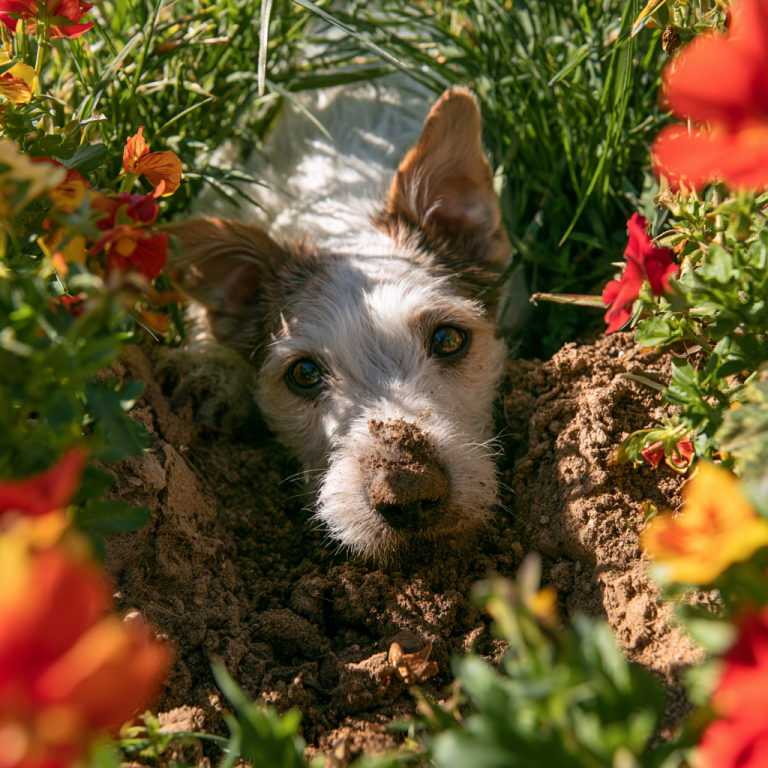
Digging is a behavior deeply ingrained in many dog breeds, stemming from their ancestral roots. For example, terriers were bred to hunt vermin, and their instinct to dig comes from a need to burrow and search for prey. This behavior can manifest in various ways, such as creating holes in the yard or digging through blankets and cushions at home. Recognizing whether your dog’s digging is driven by instinct or another factor requires careful observation.
To differentiate instinctive digging from behavior driven by anxiety or boredom, consider the context and patterns:
- Time of day: Does your dog dig primarily during specific times, like early morning or late evening? Instinctual digging may correspond with natural hunting or foraging hours.
- Location: Is your dog digging in particular areas like under bushes or trees? This could indicate a search for burrowing animals or an instinct to create a den.
- Behavioral patterns: Observe if the digging is accompanied by excited behavior, such as tail wagging or barking. This can signal that they are engaging in playful digging rather than exhibiting anxiety-related behavior.
Digging as part of playtime
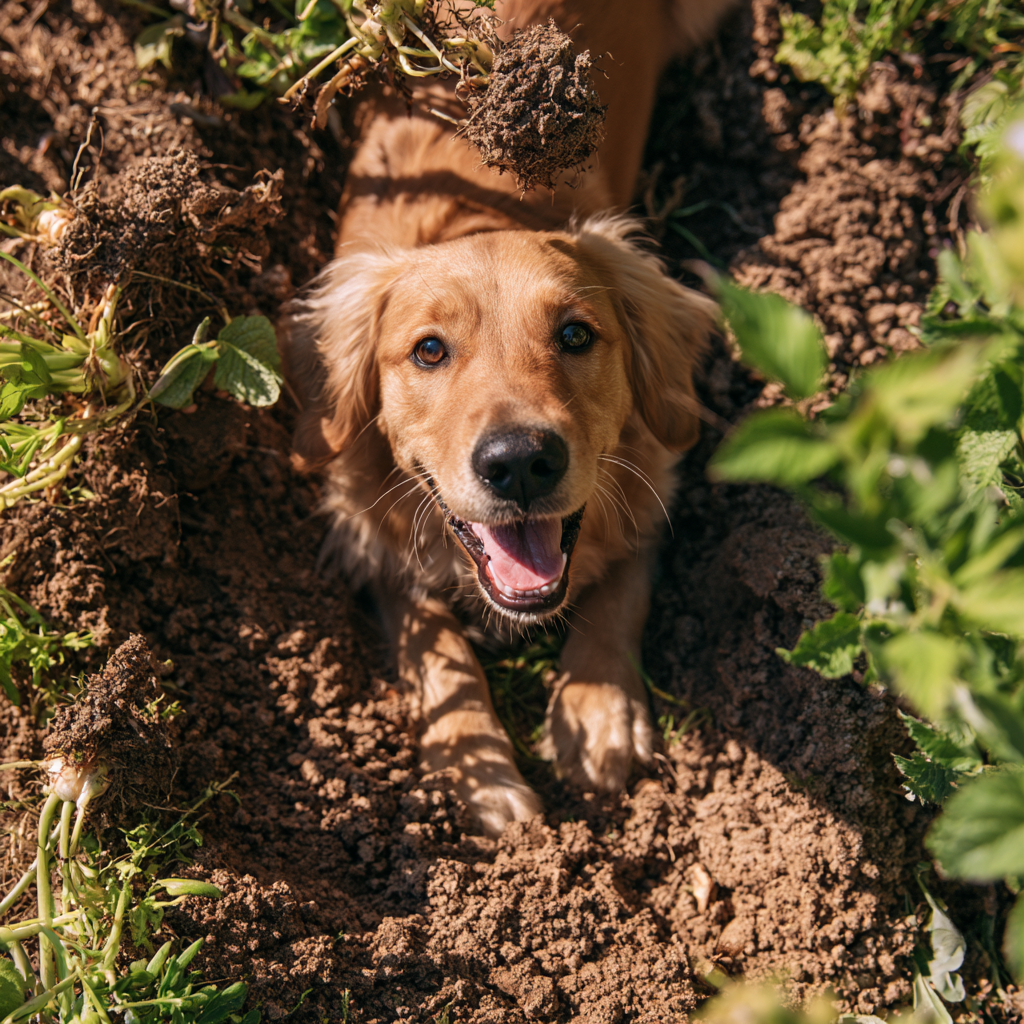
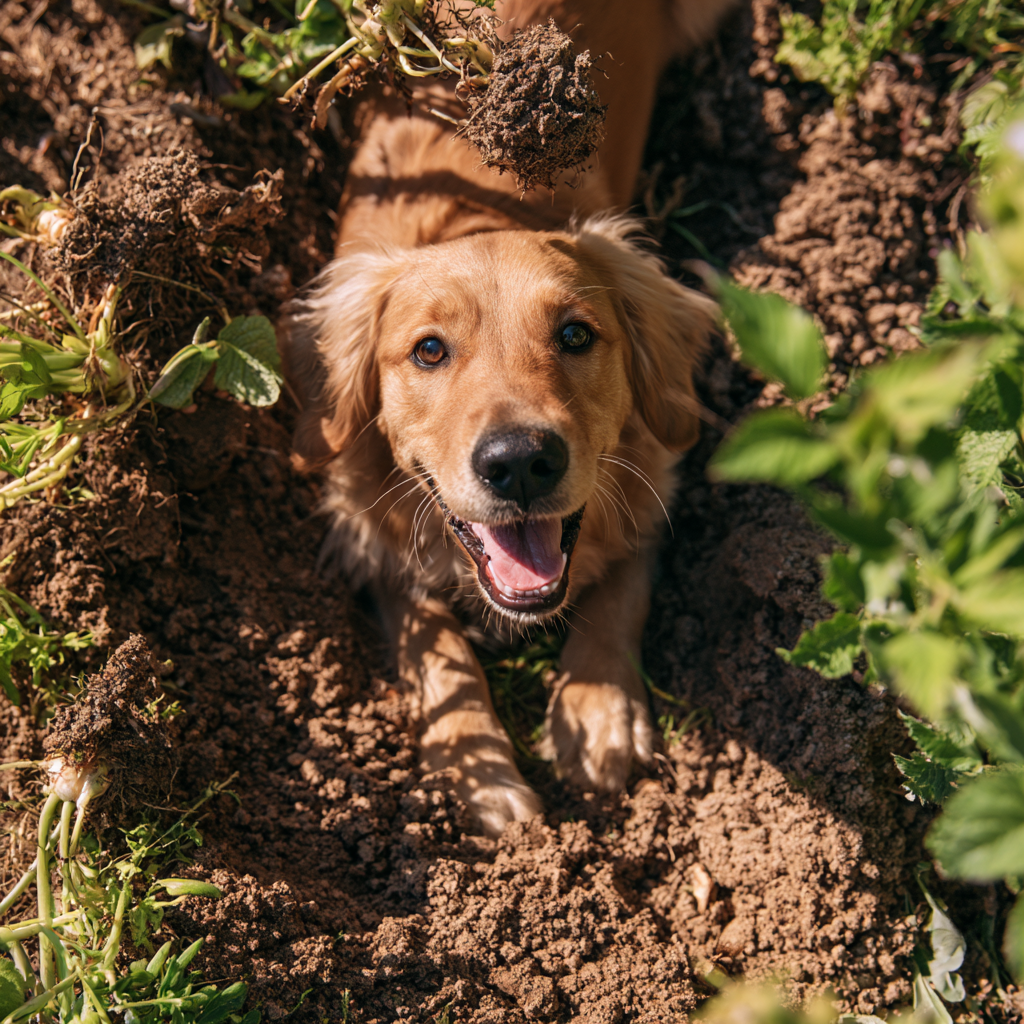
Play is a vital part of a dog’s life, and digging can often form an integral part of their playful behavior. Dogs, especially young ones, may dig as a way to engage with their environment or when playing with their owners or other dogs. For many dogs, the act of digging can be enjoyable, similar to how they would chase a ball or wrestle with a toy.
To encourage this playful behavior in appropriate settings, consider the following:
- Structured playtime: Engage your dog with toys or in games that redirect their digging tendency. For instance, throwing toys can keep them occupied and help channel their energy productively.
- Designated digging areas: If your dog enjoys digging, a dedicated sandbox or digging pit can provide a safe and satisfying outlet for this instinct. Encourage your dog to dig there by burying toys or treats as incentives.
Anxiety and Environmental Factors
Signs of anxiety in dogs
Digging behavior may also signal underlying anxiety issues in dogs. Recognizing the signs of anxiety is crucial in determining whether this is the cause of your dog’s digging. Symptoms can include:
- Excessive barking or whining: Vocalizations may indicate stress or discomfort in their environment.
- Pacing: If your dog frequently walks in circles or looks restless, they may be experiencing anxiety.
- Destructive behavior: Digging can escalate to chewing or tearing furniture, especially if your dog is really stressed.
- Withdrawal or hiding: If your dog is seeking out secluded spots or avoiding interaction, they might be feeling anxious.
Identifying specific triggers for anxiety can help in managing the situation. Common causes may include:
- Loud noises such as thunderstorms or fireworks
- Separation from family members or their favorite companion animals
- Changes in household dynamics, such as moving to a new home or welcoming a new pet
Impact of environment on digging behavior
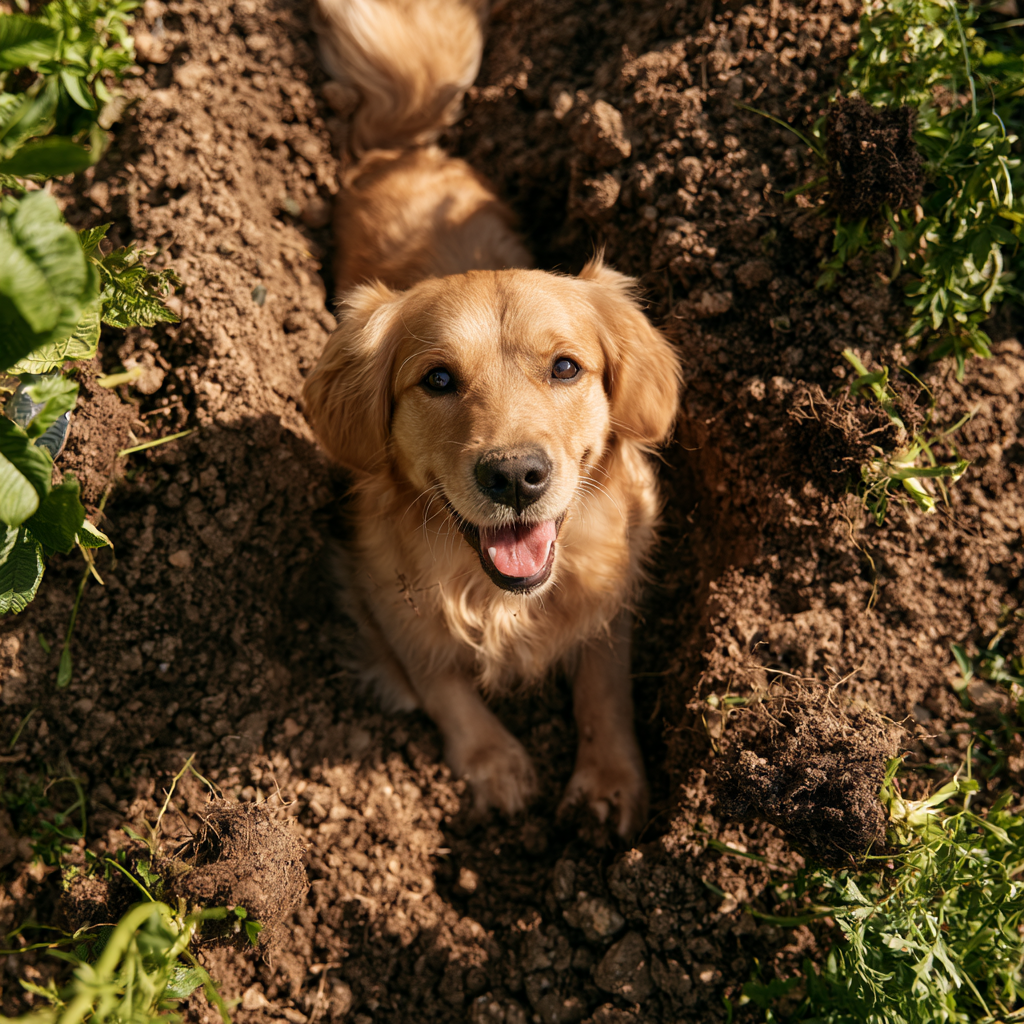
The environment plays a significant role in how and when dogs choose to dig. An environment that is unstimulating or lacks adequate physical or mental stimulation can lead to increased digging behavior. Conversely, a well-structured environment with ample opportunities for exercise and engagement can help mitigate this tendency.
To enhance your dog’s environment, consider implementing the following:
- Regular exercise: Daily walks, play sessions, and engaging activities can help expend excess energy and reduce unwanted digging behaviors.
- Interactive toys: Puzzle toys and treat-dispensing gadgets can provide mental stimulation, keeping dogs occupied and decreasing anxiety-driven digging.
- Socialization: Regular interactions with other dogs and people can aid in providing a sense of security and reduce anxiety levels.
Health Issues Related to Digging
Potential health concerns
While digging is often a natural behavior associated with play or instinct, it can sometimes indicate underlying health issues. Certain conditions may compel dogs to dig more frequently, from skin irritations to more serious concerns.
For example:
- Skin allergies: Dogs may dig to relieve itching from allergies affecting their skin.
- Parasites: Fleas or ticks can cause discomfort that leads to digging as dogs try to alleviate the irritation.
- Pain or discomfort: Issues related to their paws or joints may prompt dogs to dig to relieve discomfort.
If you notice your dog exhibiting excessive digging or signs of distress, it’s important to rule out potential health problems by consulting a veterinarian. They can conduct a thorough examination and determine if there are any medical reasons behind your dog’s behavior.
When to seek veterinary advice
It’s advisable to consult a veterinarian if you observe any of the following:
- Persistent digging: If your dog continues to dig excessively despite providing distractions and outlets.
- Behavior changes: Note if there’s a sudden increase in digging alongside other behavioral changes such as appetite loss or increased aggression.
- Physical symptoms: Look for issues like skin irritations, limping, or other signs of discomfort that may need medical attention.
Addressing the underlying reasons for digging can help enhance your dog’s overall well-being and strengthen your bond. Through proactive measures and thoughtful intervention, you can support your furry friend in a way that aligns with their needs.
Frequently Asked Questions
What are the common reasons dogs dig holes?
Common reasons dogs dig holes include natural instincts, playfulness, anxiety, and boredom. Observing your dog’s behavior and surroundings can help you determine the motivation for their digging.
Is digging a sign of anxiety in dogs?
Digging can be a manifestation of anxiety in dogs. Signs such as excessive digging, along with other anxious behaviors like pacing or vocalization, may indicate that your dog is experiencing stress.
How can I prevent my dog from digging holes?
To prevent digging, provide ample mental and physical stimulation through exercise, play, and safe digging areas. Designating a specific spot for digging can satisfy their instincts while protecting your garden.
Do certain dog breeds dig more than others?
Yes, some dog breeds, like terriers, are more prone to digging due to their genetic history. However, individual temperament and environment also play significant roles in a dog’s digging behavior.
What should I do if my dog digs excessively?
If your dog digs excessively, assess their environment and consider consulting a veterinarian. Persistent digging might be a sign of underlying anxiety or health issues that require professional assessment.