Why Do Dogs Eat Grass? Exploring the Reasons and Implications
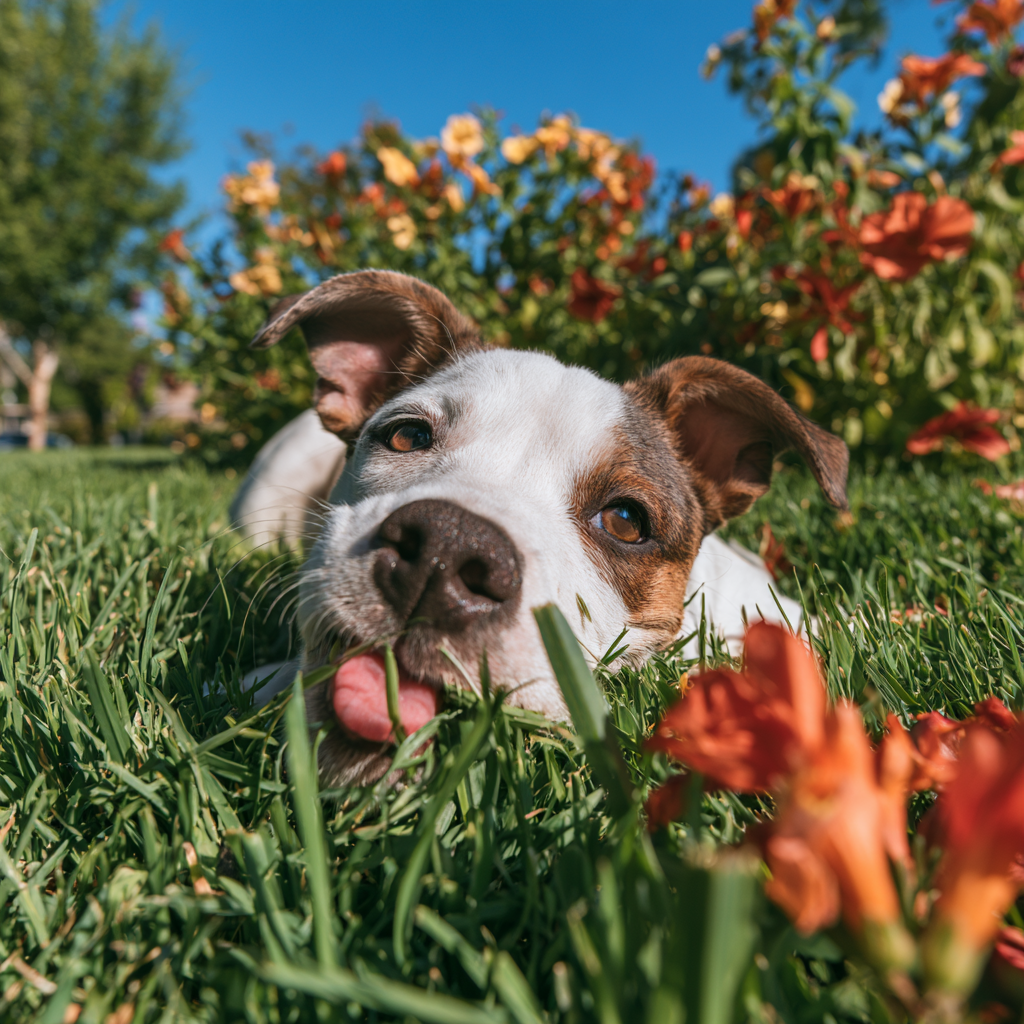
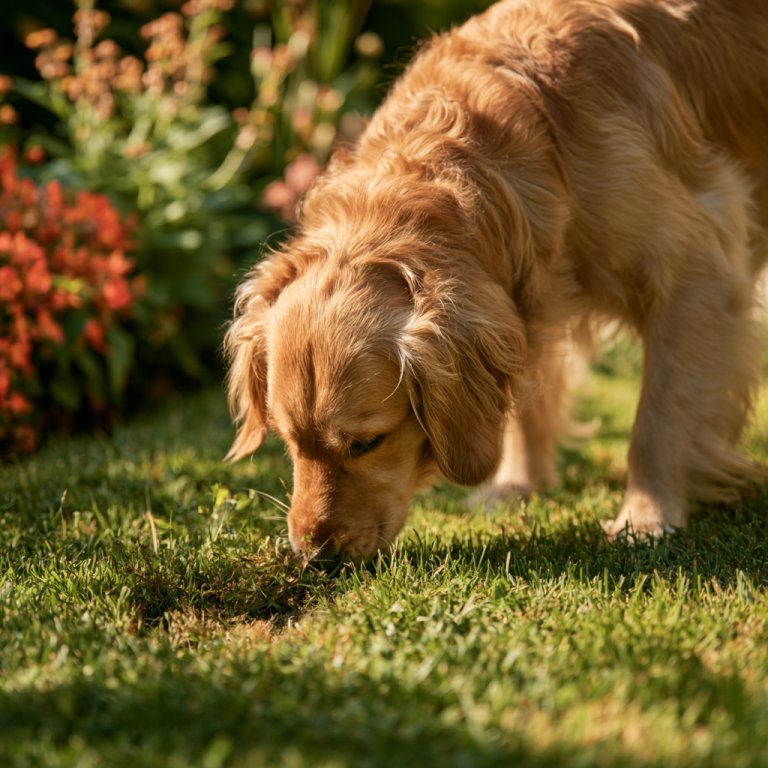
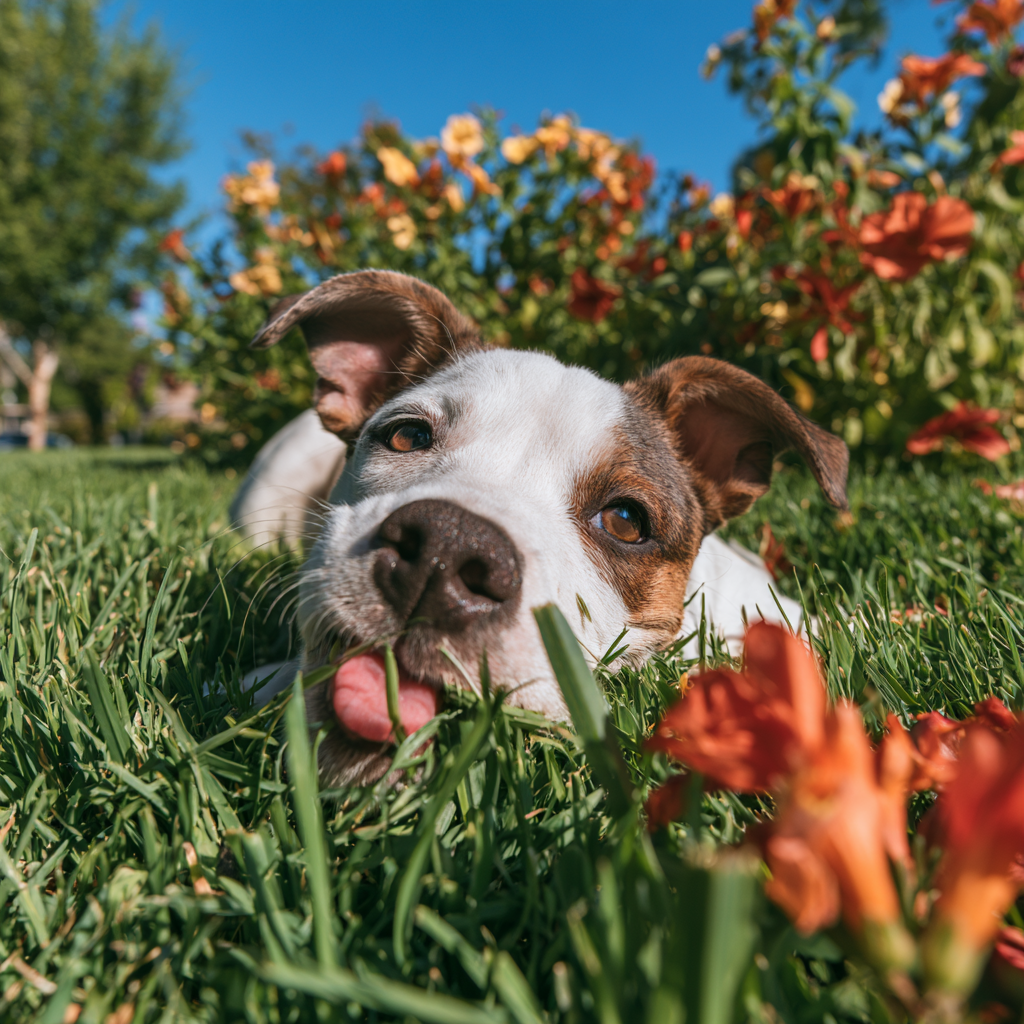
Why do dogs eat grass? This question often puzzles pet owners and leads to concerns about their furry companions’ health. While this behavior may seem odd, it’s actually fairly common among dogs. Understanding the reasons behind this habit can help you address any potential issues and better support your pet’s well-being.
Quick answer: Dogs may eat grass due to natural instincts, curiosity, or certain health-related reasons. While it’s generally normal behavior, persistent grass eating could indicate underlying health issues, potentially warranting a consultation with a veterinarian.
Understanding Why Do Dogs Eat Grass?
Natural instincts and evolutionary behavior
One reason dogs might eat grass relates to their natural instincts and evolutionary behavior. Wild ancestors of domestic dogs would consume the entire prey, including the stomach contents that often contained plant matter. This behavior may have been beneficial for their nutrition, supplying them with additional fiber and nutrients. Even though your pet is domesticated now, these instincts can remain, leading them to nibble on grass as a possible instinctual behavior.
Common health-related reasons for eating grass
Grass eating can also be linked to certain health-related issues. While many dogs graze without any underlying problems, some may consume grass for specific health reasons, including:
- Gastrointestinal discomfort: Dogs sometimes eat grass when they are feeling nauseous or have an upset stomach. The ingestion of grass can induce vomiting, which brings temporary relief.
- Nutritional deficiencies: Some dogs may eat grass if their diets lack necessary nutrients, particularly fiber. They instinctively seek out plant material to supplement their diets.
- Parasites: Intestinal parasites can affect a dog’s gut health, leading to discomfort. In some cases, dogs may seek grass to alleviate their symptoms.
If you notice your dog eating grass frequently, observe any related symptoms such as vomiting, diarrhea, or signs of distress. If these issues persist, consider consulting your veterinarian to rule out any health conditions that could be at play.
Behavioral Aspects of Grass Eating
Stress and anxiety as motivators
Stress and anxiety are significant motivators for some dogs when it comes to grass eating. When a dog feels anxious, whether due to changes in their environment, lack of stimulation, or separation from their owner, they might resort to various behaviors, including consuming grass. This can serve as a coping mechanism, as chewing or consuming can be soothing for them.
To identify if your dog’s grass consumption is anxiety-related, pay attention to other signs of stress, such as excessive barking, pacing, or changes in behavior. Providing a consistent routine, enriching activities, or, if necessary, consulting a veterinarian or animal behaviorist can help alleviate your dog’s anxiety and reduce this behavior.
Curiosity and exploration in dogs
Curiosity drives many dogs to explore their environment, and grass presents an easily accessible option for investigation. Dogs often use their mouths to explore textures, tastes, and smells. When they encounter grass, they might simply chew on and eat it out of sheer curiosity. This behavior can be particularly common in puppies and younger dogs who are still learning about their surroundings.
To manage this behavior, you can redirect your dog’s attention to safer or more appropriate toys, ensuring they remain engaged during walks or playtime. Offering alternatives can help fulfill their exploratory instincts without resorting to grass consumption.
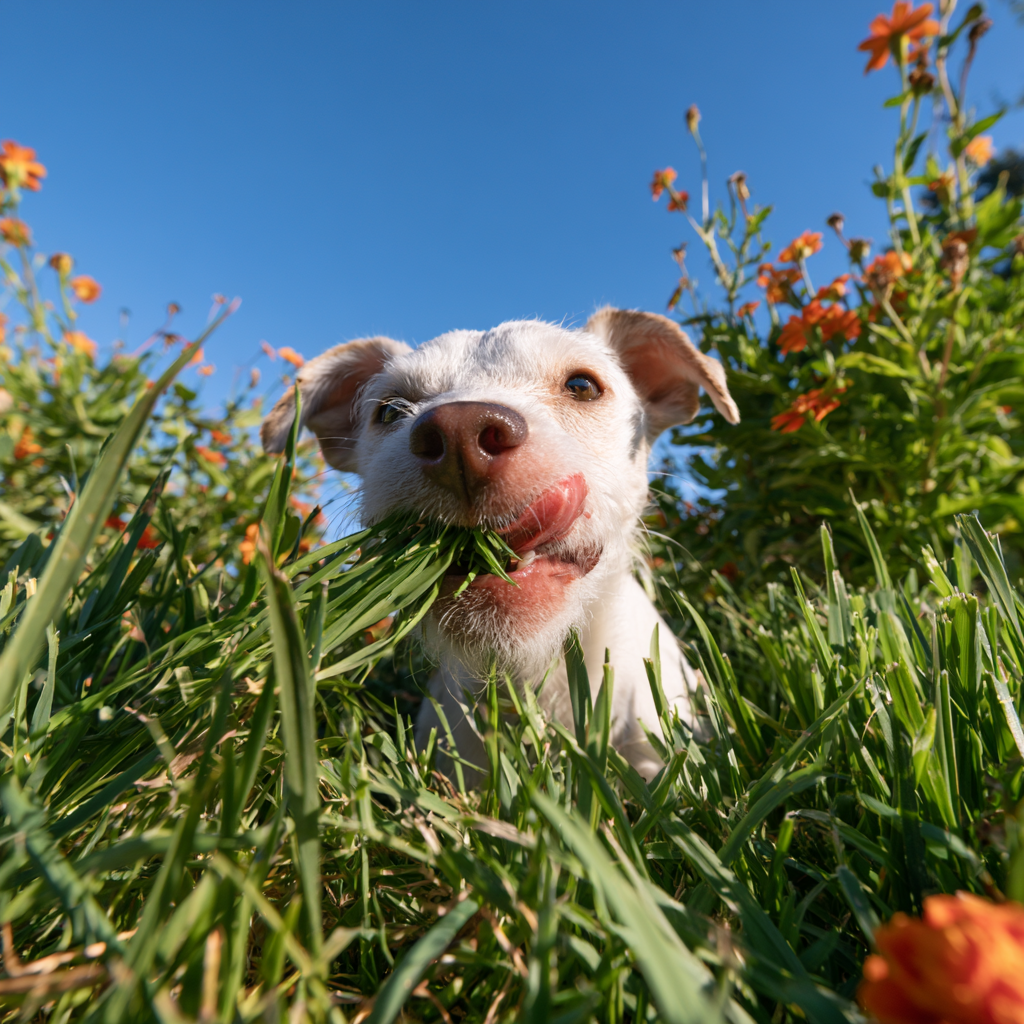
Preventing Problematic Grass Eating
If your dog’s grass eating becomes excessive or if you suspect it’s tied to health or behavioral issues, there are several strategies to consider. Here are some actionable tips:
- Boost their diet: Ensure your dog’s diet is well-balanced, containing essential nutrients. You might consider adding dietary fiber—like pumpkin or green beans—to their meals if recommended by a veterinarian.
- Provide alternatives: Offer your dog chew toys or treats that satisfy their natural chewing or exploring instinct. Puzzle toys with hidden treats can also provide mental stimulation and reduce persistent grass eating.
- Manage stress: Monitor your dog’s environment for stressors and alleviate any issues you can. Consistent routines and engaging activities can help reduce anxiety levels.
- Consult a professional: If you remain concerned or notice unusual patterns of grass eating, reach out to your veterinarian or an animal behaviorist for tailored solutions.
Safety Note
While most grass is generally safe for dogs to consume, certain types of grass or chemically treated lawns can be harmful. Avoid allowing your pet to eat grass from areas that may be treated with pesticides, herbicides, or fertilizers. Always monitor your dog for any adverse reactions, and if symptoms arise after eating grass, consult your veterinarian.
In summary, understanding why do dogs eat grass involves recognizing various reasons, including instinctual behaviors, stress, and potential health concerns. By observing your dog’s behavior and taking proactive measures, you can address any issues while allowing them to engage with their environment in a safe way.
Frequently Asked Questions
Why do dogs eat grass?
Dogs may eat grass due to natural instincts, dietary needs, or even behavioral reasons such as curiosity and anxiety.
Is eating grass harmful to dogs?
Generally, eating grass is not harmful to dogs, but it’s crucial to ensure they are not consuming chemically treated or harmful plants. Monitoring their behavior is important to rule out any health concerns.
Does eating grass make dogs sick?
Some dogs may vomit after eating grass, which could be their way of relieving stomach discomfort. However, not all dogs experience sickness from eating grass, and many do so without issue.
What does it mean when dogs eat grass?
When dogs eat grass, it could indicate a variety of motivations, including nutritional deficiencies, discomfort, or simply curiosity. Observing the circumstances around this behavior is key to understanding its cause.
Should I stop my dog from eating grass?
It’s not necessary to stop your dog from eating grass unless it leads to vomiting or health issues. If you have concerns, consulting a veterinarian can provide clarity on your pet’s behavior.