Dog Poison Control: Essential Steps Every Owner Should Know
Every dog owner should be aware of the importance of dog poison control, as our furry companions can often find themselves in precarious situations involving toxic substances. Understanding the signs of poisoning and knowing how to react can save your dog’s life in critical moments. This guide will help you recognize symptoms of poisoning, implement preventive measures, and respond effectively if your dog is ever in danger.
Quick answer: Dog poison control involves recognizing symptoms of poisoning, removing harmful substances, and taking immediate action when poisoning is suspected. If you think your dog has ingested a toxic substance, contact your veterinarian or an emergency pet poison hotline right away.
Recognizing Symptoms of Dog Poisoning
Common signs to watch for
Observing your dog for any signs of distress is crucial in dog poison control. Common symptoms often include:
- Vomiting
- Diarrhea
- Excessive drooling
- Loss of appetite
- Weakness or lethargy
- Difficulty breathing
These signs can vary significantly depending on the type of toxin involved. For instance, some poisons may cause gastrointestinal issues, while others can affect the dog’s neurological state.
Behavioral changes indicating distress
Behavioral changes can often serve as red flags for dog poisoning. A normally playful dog may suddenly withdraw or exhibit signs of anxiety. Look out for specific behaviors such as:
- Pacing or restlessness
- Whining or whining excessively
- Hiding or seeking solitude
- Increased aggression or fearfulness
Monitoring these changes in conjunction with physical symptoms can provide valuable insights into your dog’s condition.
Physical symptoms of poisoning
Aside from behavioral signs, you may also observe notable physical symptoms of poisoning. These include:
- Unusual reactions, such as tremors or seizures
- Changes in heart rate, either too fast or too slow
- Pale or bluish gums
- Abnormal pupil dilation or constriction
Quickly recognizing these symptoms can help you act promptly and seek the necessary help.
Dog Poison Control: Preventive Measures
Dog-proofing your home
Effective dog poison control starts at home with safe practices for dog-proofing your living environment. Consider the following tips:
- Secure all food items in cabinets or containers with childproof locks.
- Store medications and cleaning supplies high up and out of reach.
- Use gates to block access to hazardous areas.
- Inspect your home for loose wires that may pose a choking hazard.
Taking proactive steps will create a safer space for your dog and reduce the risk of accidental poisoning.
Identifying and removing toxic substances
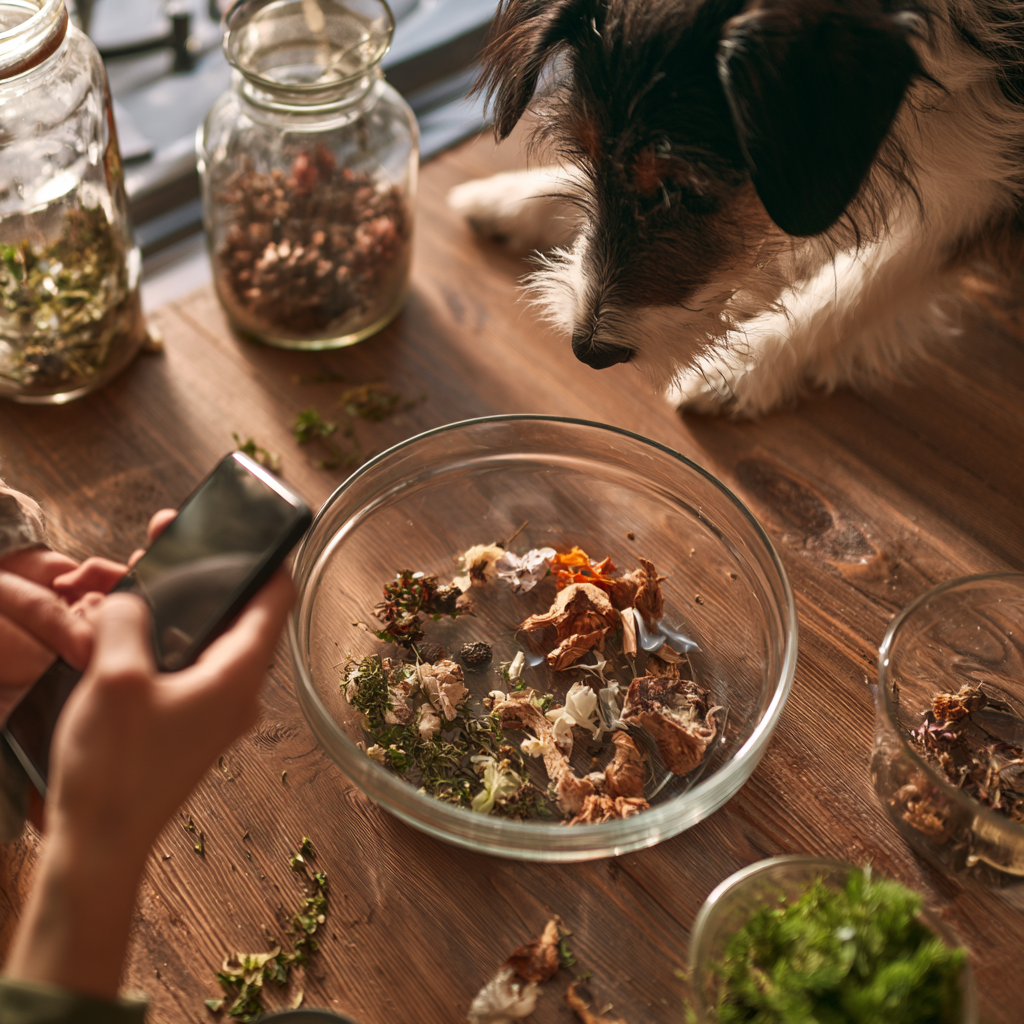
It’s essential to identify common household items that may be toxic to dogs. Start by performing an inventory of potential hazards, including:
- Human medications
- Certain plants like lilies and azaleas
- Common chemicals found in household cleaners
Removing these items or safely storing them away from your pet’s reach is a vital step in maintaining a poison-free home. Regularly reassess this inventory to avoid new risks that may arise.
Choosing safe plants for your garden
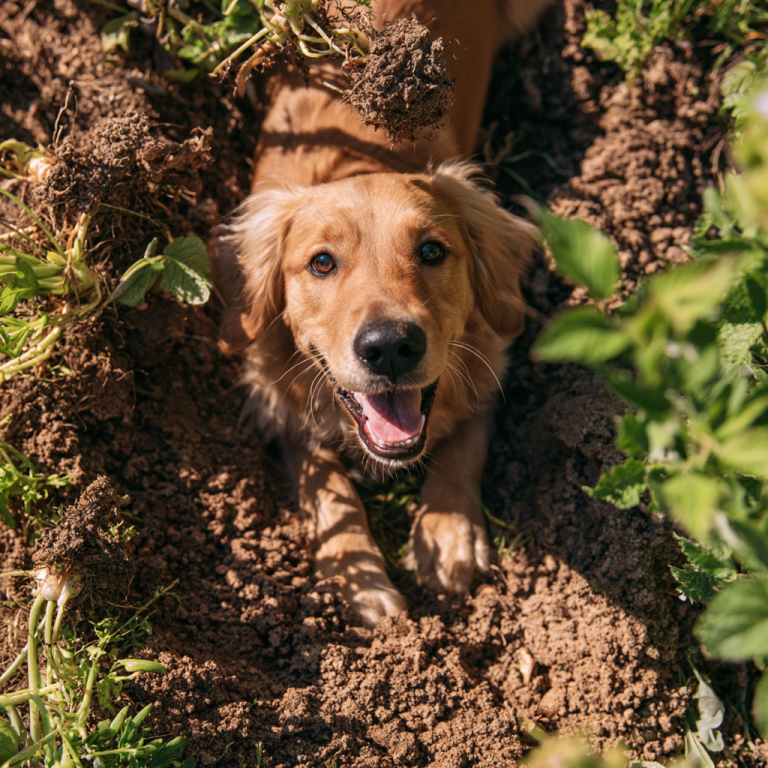
If you have a garden, selecting dog-safe plants can significantly enhance your dog’s well-being. Some dog-friendly plants include:
- Marigolds
- Sunflowers
- Herbs like basil and parsley
Avoid planting toxic options such as cocoa mulch, foxglove, and yew, which can be extremely harmful if ingested. Always research plants before introducing them to your garden or home.
Immediate Actions for Suspected Poisoning
First aid steps to take
If you suspect your dog has been poisoned, the initial response is crucial. While waiting for professional help, follow these first aid steps:
- Stay calm and safely confine your dog to prevent further ingestion of harmful substances.
- Identify the poison if possible, and note the amount and time of exposure.
- Do not induce vomiting unless instructed by a veterinarian, as some substances can cause more damage if vomited.
Always prioritize your safety while assessing the situation and preparing to act.
How to contact a vet
Contacting a veterinarian or an established animal poison control center should be your next step. When you call, provide the following information:
- Your dog’s age, weight, and breed.
- A detailed description of the suspected poison.
- Any symptoms you have observed.
The more information you provide, the better equipped the veterinary professional will be to assist you. Do not delay in calling for help.
Preparing for a vet visit after poisoning
When you arrive at the vet’s office, be prepared to share everything you have gathered regarding the poisoning incident. Bring in any remnants of the poison, if applicable, as this can help the vet determine the best course of action. Ensure you have your dog’s medical history ready and prioritize discussing any past health problems that could influence treatment.
Common Toxins in the Home
Everyday items that can poison dogs
Many items in your home can be toxic to dogs. These include:
- Chocolate, which contains theobromine
- Xylitol, a common sugar substitute found in sugar-free products
- Grapes and raisins, which can lead to kidney failure
Awareness of these everyday items can bolster your dog poison control efforts considerably.
Foods and plants to avoid
There are several foods and plants that are toxic to dogs. Avoid giving your dog:
- Avocado, which contains persin
- Macadamia nuts, known for causing weakness
- Onions and garlic, which can damage red blood cells
Additionally, ensure that any plants within your home or yard are safe for dogs, removing any known toxins as previously discussed.
Household chemicals that are dangerous
Household chemicals may also pose serious risks. Common chemicals that can be dangerous to dogs include:
- Antifreeze, which has a sweet taste that attracts pets
- Bleach, often found in cleaning products
- Pesticides used for lawn care or indoor pest control
Store these products in secure locations away from your pets to mitigate risks.
Veterinary Intervention for Poisoned Dogs
What to expect during a vet visit
During a vet visit for suspected poisoning, the veterinarian will likely perform a thorough examination of your dog. They may ask you detailed questions about what happened, how much was ingested, and the timeline of events. Expect further diagnostics such as blood tests or x-rays depending on the situation.
Common treatments for dog poisoning
Treatment will depend on the substance involved, but some common interventions include:
- Inducing vomiting or administering activated charcoal to limit toxin absorption.
- Fluids to help with dehydration or kidney function.
- Medications to treat specific symptoms or counteract toxins.
The choice of treatment will depend on the specific poison and your dog’s condition.
Long-term care after recovery
After your dog recovers, long-term care may involve dietary changes, increased monitoring, and follow-up vet visits. Consult with your veterinarian about any special diets or medications needed to ensure optimum health after poisoning. Maintaining a close observation of your dog’s behavior can also be essential during their recovery phase.
Frequently Asked Questions
What are the signs of dog poisoning?
Signs of dog poisoning can include vomiting, diarrhea, lethargy, excessive drooling, and behavioral changes such as anxiety or withdrawal. Observing your dog for any unusual symptoms is key for early detection.
What should I do if I think my dog has been poisoned?
If you suspect your dog has been poisoned, contact your veterinarian or a pet poison control hot line immediately. Provide them with detailed information about the suspected toxin and your dog’s symptoms.
Which foods are toxic to dogs?
Foods toxic to dogs include chocolate, grapes, onions, garlic, and xylitol. These items can cause a variety of health issues, ranging from gastrointestinal distress to severe organ damage.
How can I prevent my dog from being poisoned?
You can prevent poisoning by dog-proofing your home, removing or securing toxic substances, and educating yourself about harmful foods and plants. Regularly assess your living space for any potential hazards.
When should I call a vet for dog poison control?
You should call a vet for dog poison control if you suspect your dog has ingested a toxic substance or is showing signs of poisoning. Quick action can be crucial in treating poisoning effectively.