How Often Should You Brush Your Dog? A Complete Guide
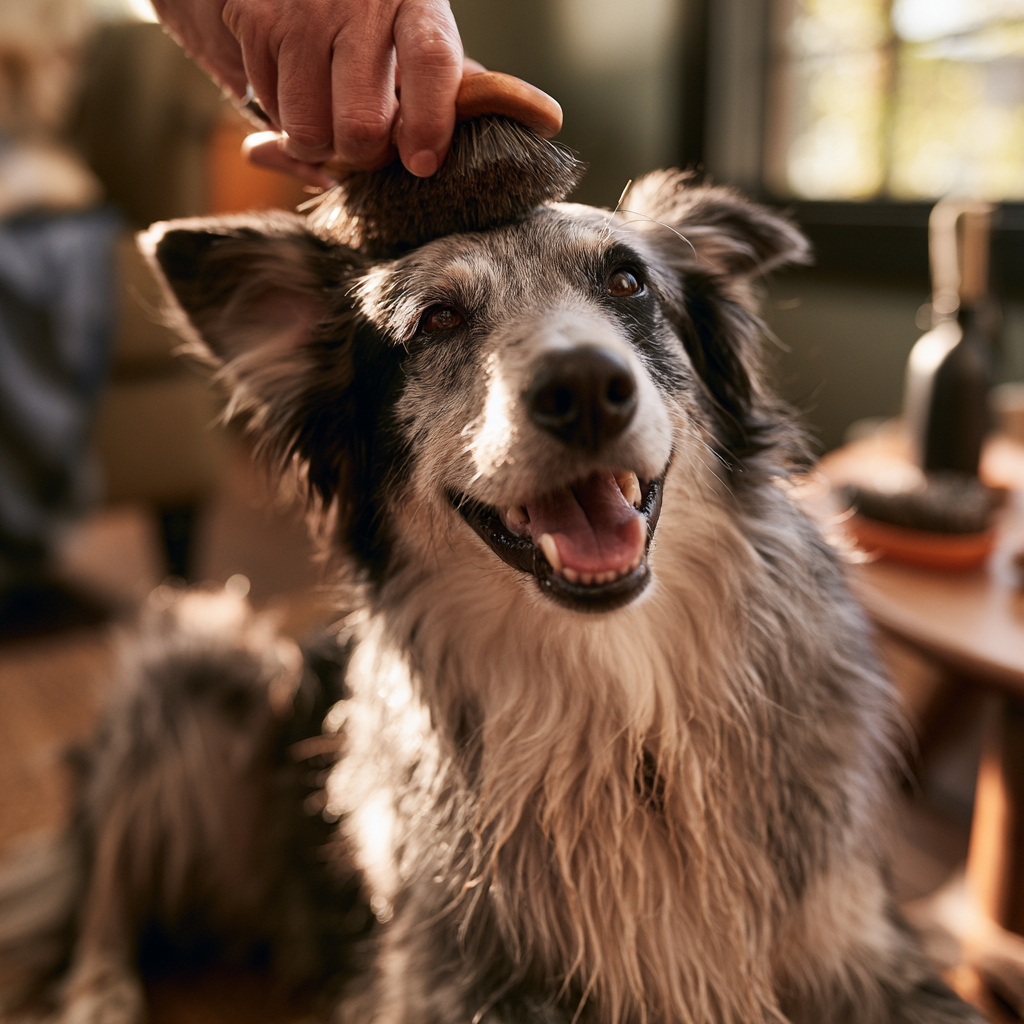
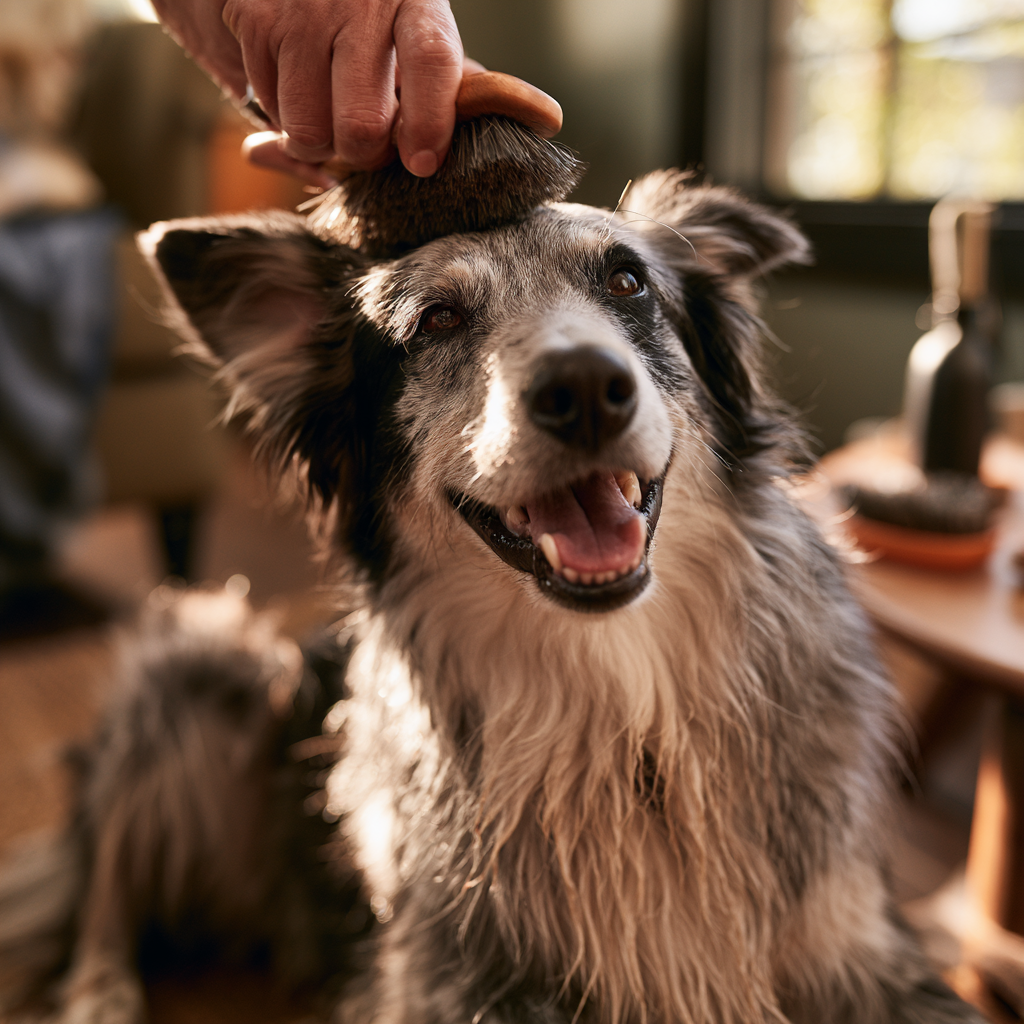
How Often Should You Brush Your Dog? This is a common question many dog owners grapple with, and it’s essential for maintaining both your dog’s coat and their overall well-being. Regular brushing not only helps remove dirt and loose hair but also provides an opportunity to check for skin issues, parasites, and variations in your dog’s behavior. Understanding the right frequency for grooming based on your dog’s specific needs can significantly enhance their comfort and health.
Quick answer: Generally, you should brush your dog at least once a week, but this can vary based on your dog’s coat type, age, and lifestyle. Long-haired breeds typically require more frequent grooming, while short-haired breeds may need less. Always observe your dog’s coat and adjust the brushing frequency accordingly.
How Often Should You Brush Your Dog?
Factors determining brushing frequency
Several factors influence how often you should brush your dog to maintain their coat and skin health effectively. Understanding these can help you create a more tailored grooming routine:
- Coat Type: Dogs have varying coat types, including short, medium, long, curly, or wiry, all of which affect brushing frequency. For instance, long-haired breeds may require daily brushing to prevent matting, while short-haired breeds might only need brushing once a week.
- Shedding Seasons: Many dogs shed more during seasonal changes, particularly in spring and fall. During these periods, increased brushing (up to several times a week) can help manage loose fur and reduce the amount of hair around your home.
- Activity Level: Active dogs that spend much time outdoors may require more frequent brushing to remove dirt, debris, and tangles. If your dog enjoys swimming or rolling in the grass, you may need to brush them every few days.
- Health and Age: Puppies and older dogs may need different grooming frequencies. Puppies often have softer coats that require gentle brushing, while senior dogs might experience changes in skin and coat health that necessitate closer attention.
Different needs for long-haired vs short-haired breeds
Understanding the specific grooming needs of different coat types is essential for effective brushing. Here’s a brief overview:
| Coat Type | Recommended Frequency | Brush Type |
|---|---|---|
| Short-haired | Once a week | Slicker brush or rubber curry brush |
| Medium-haired | Once a week to bi-weekly | Bristle brush and comb |
| Long-haired | Daily | Paddle brush and comb |
| Curly or wiry | Every few days to weekly | Pin brush and slicker brush |
Benefits of Regular Brushing
Improving coat health and reducing shedding
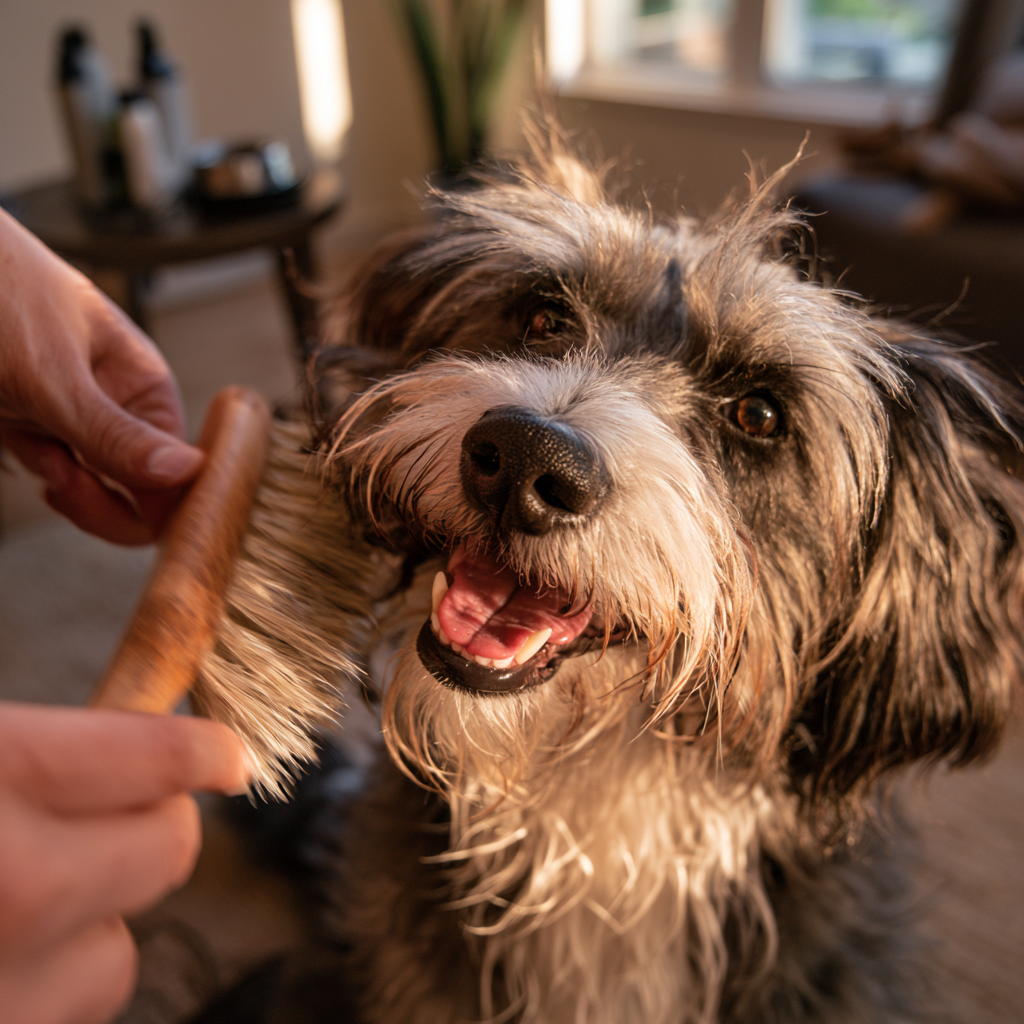
Regular brushing provides numerous benefits, notably for your dog’s coat health and your home environment. A consistent grooming routine can:
- Remove loose hair: Brushing helps eliminate dead hair, directly reducing shedding and keeping your living space tidy.
- Distribute natural oils: Brushing stimulates the skin and helps distribute natural oils through the coat. This leads to a shinier, healthier appearance.
- Prevents matting: For long-haired breeds, daily brushing is essential to prevent tangles and mats that can cause discomfort and skin problems.
- Check for irritations: Regular grooming allows you to spot signs of irritation, lumps, or bumps on your dog’s skin, enabling early detection of possible issues.
Strengthening the bond between you and your dog
Brushing your dog also enhances your relationship with them. The process can be a comforting routine that promotes trust and connection. Here are some benefits to consider:
- Positive interaction: Engaging in grooming sessions creates opportunities for affectionate interactions, reinforcing positive associations.
- Physical touch: Gentle brushing provides physical contact that can be soothing for many dogs, increasing their comfort level with you.
- Establishing routine: Regular grooming sessions help create a structured routine, which can be comforting for dogs, especially those that may experience anxiety.
Tailoring Your Brushing Routine
Signs your dog needs more frequent brushing
Recognizing when your dog may need more frequent brushing is vital for maintaining coat health. Look for the following indicators:
- Increased shedding: If you notice more hair on your furniture or clothing, it may be time to step up the brushing frequency.
- Tangles or mats: If you find tangles forming, especially in long-haired breeds, they likely need brushing more frequently to prevent discomfort and skin irritation.
- Greasy or dull coat: A build-up of dirt and oils can lead to an unkempt appearance. More frequent brushing can improve the coat’s shine and cleanliness.
- Skin irritations: Look for signs of excessive scratching or licking, which may indicate that brushing is needed to relieve discomfort or check for underlying skin issues.
Adjusting techniques for anxious dogs
For dogs that are anxious or fearful about brushing, adjusting your approach is crucial to ensure a positive experience. Consider the following tips:
- Start slow: Begin with short sessions, using gentle movements and a soft brush to acclimate your dog to the brushing process.
- Use treats: Incorporate high-value treats during brushing to create positive associations. This helps reinforce the idea that grooming is a good experience.
- Watch body language: Pay attention to your dog’s body signals. Signs of anxiety may include tensing up, trying to move away, or whining. If these occur, stop and give them a moment to relax before continuing.
- Choose calming environments: Brush your dog in a quiet area free from distractions, which can help ease their anxiety.
Ultimately, the key to developing a successful brushing routine lies in observing your dog’s specific needs and signals. Adjusting your approach according to their comfort level ensures that grooming remains a pleasant experience for both of you.
Frequently Asked Questions
How often should you brush a long-haired dog?
Long-haired dogs typically require daily brushing to prevent tangling and matting. Consistent grooming maintains coat health and comfort for these breeds.
Is it okay to brush a dog every day?
Yes, daily brushing is often beneficial, especially for long-haired breeds or during shedding seasons. However, it’s essential to tailor the frequency based on your dog’s coat type and individual needs.
What are the benefits of regularly brushing your dog?
Regular brushing improves coat health by distributing natural oils, reduces shedding and dirt accumulation, and allows you to spot potential skin issues early. It also enhances the bond between you and your dog through positive interactions.
How do I know if my dog needs brushing?
Signs that your dog may need brushing include an increase in loose fur around the house, visible tangles or mats in their coat, and signs of discomfort such as scratching or fidgeting.
Can brushing too much harm my dog?
Excessive brushing may cause skin irritation, especially if the brush is too harsh for their coat type or if significant pressure is used. Always observe your dog’s reaction and adjust your technique accordingly.
What type of brush is best for my dog’s coat?
The best brush for your dog’s coat depends on its type; slicker brushes are ideal for long-haired dogs with tangles, while bristle or rubber brushes work well for short-haired breeds. Choosing an appropriate tool enhances comfort and effectiveness.
How can I make brushing my dog a positive experience?
To create a positive brushing experience, use gentle techniques, reward your dog with praise or treats, and keep sessions brief initially. Gradually increase the duration and ensure a calm environment to help reduce anxiety.