How to Tell If Your Dog Is Stressed: Recognizing Key Signs

How to Tell If Your Dog Is Stressed is an important topic for dog owners, as recognizing stress in our pets can significantly impact their well-being. Dogs, like humans, experience stress due to various internal and external factors. Being able to detect signs of stress not only enhances our understanding of their emotional state but also helps us provide better care and support.
Quick answer: To tell if your dog is stressed, observe for signs such as excessive panting, pacing, or avoidance behaviors. Understanding the context of these signals is crucial to accurately interpreting your dog’s emotional state. Pay attention to your dog’s unique responses to different stressors and adjust your handling accordingly.
Understanding Dog Stress
What Causes Stress in Dogs?
Stress in dogs can stem from a variety of sources, which can differ vastly between individuals. Common triggers include:
- Change in Routine: Dogs thrive on predictability, so alterations like a new work schedule or relocation can cause anxiety.
- Loud Noises: Fireworks, thunderstorms, or even construction noises can be particularly unsettling for many dogs.
- Social Interactions: Not all dogs are comfortable with other pets or strangers, and unfamiliar interactions can lead to stress.
- Health Issues: Pain or illness can also manifest as stress, making it essential to rule out medical causes when behavioral changes arise.
Recognizing that each dog is an individual with unique experiences and sensitivities is crucial. A new puppy may handle a bustling environment differently than an older dog, and understanding individual histories can clarify why certain triggers cause stress in one dog and not another.
Impact of Stress on Dog Health
Stress can have significant effects on a dog’s physical health, along with their emotional well-being. Prolonged stress may lead to a host of health issues, including:
- Weakened Immune System: Chronic stress can impair the immune system, making dogs more prone to infections or illnesses.
- Behavioral Issues: Anxiety and stress can result in destructive behaviors, excessive barking, or aggression.
- Digestive Problems: Stress can affect appetite and digestion, causing issues like vomiting or diarrhea.
- Changes in Sleep Patterns: Stressed dogs may sleep less or experience disrupted sleep, leading to further health concerns.
Understanding the impact of stress on overall health underscores the importance of recognizing and addressing stress early on.

How to Tell If Your Dog Is Stressed
Physical Signs of Dog Stress
Recognizing physical signs of dog stress involves observing a combination of behaviors and reactions. Some common indicators include:
- Panting: While panting can indicate heat or excitement, excessive panting in a calm environment often signals stress.
- Tucked Tail: A dog with its tail tucked may be fearful or anxious, but remember this can also be due to excitement or submissiveness.
- Ears Back: Ears that are pinned back can indicate stress, especially if accompanied by other signs such as avoidance or cowering.
- Excessive Drooling: This can occur due to stress, along with lack of a clear stimulus, and should be monitored.
- Body Tension: A rigid posture, along with a lowered head or reluctance to move, can also indicate stress in your dog.
It’s essential to consider the context surrounding these physical signs. For example, panting following a playful romp might simply indicate exertion rather than stress. Always evaluate the full picture to gain a clearer understanding.
Behavioral Changes Indicating Stress
Behavioral adjustments in dogs can serve as significant indicators of stress. Look for these common changes:
- Avoidance Behaviors: Dogs may retreat to their safe space or avoid interaction when feeling overwhelmed.
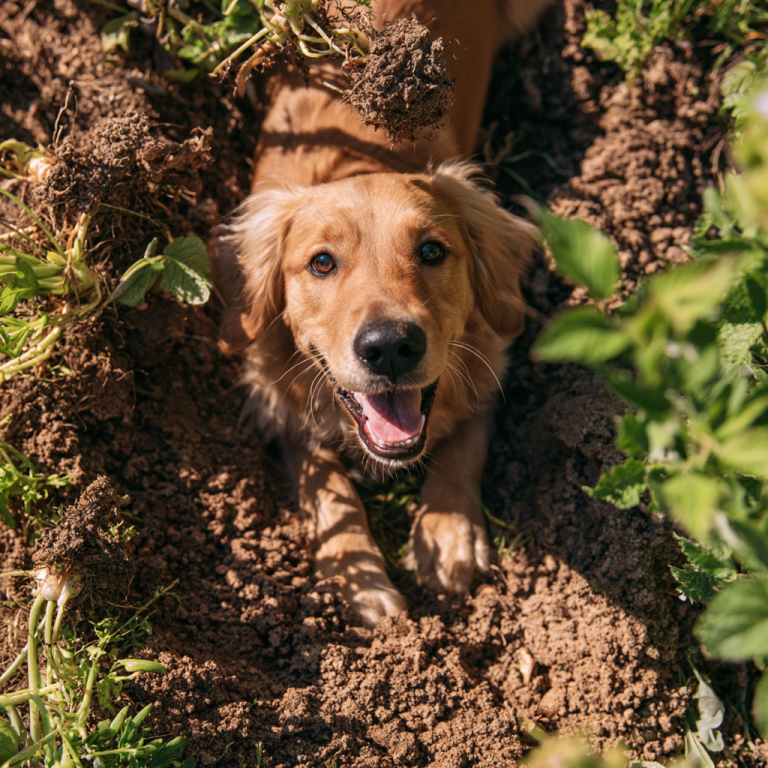
- Destructive Behavior: Chewing, digging, or eliminating in inappropriate areas can stem from anxiety, particularly in previously well-mannered dogs.
- Hyperactivity: Some dogs may respond to stress with heightened activity, exhibiting restlessness or pacing.
- Excessive Barking or Whining: Vocalizations may increase, particularly in response to stressors like strangers or loud noises.
- Changes in Appetite: Stress can lead to a sudden increase or decrease in appetite, which may indicate emotional distress.
Observing these behaviors in various settings can help you differentiate between situational stress and more persistent issues.
Environmental Triggers of Dog Stress
Understanding environmental factors is vital when considering how to tell if your dog is stressed. Common triggers may include:
- New Pets or People: Introducing new members into your household can create tension. Each pet may react differently based on their history.
- Travel: Changes in location can be disorienting and stressful for dogs, especially if they are not well-acquainted with travel.
- Household Changes: Renovations, frequent visitors, or even rearranging furniture can cause a shift in your dog’s environment that may lead to anxiety.
Being mindful of these potential triggers in daily life can help you proactively address your dog’s stress needs.
Supporting Your Dog’s Emotional Well-being
Stress Relief Techniques
Various techniques can aid in relieving your dog’s stress and promoting their emotional health. Consider these strategies:
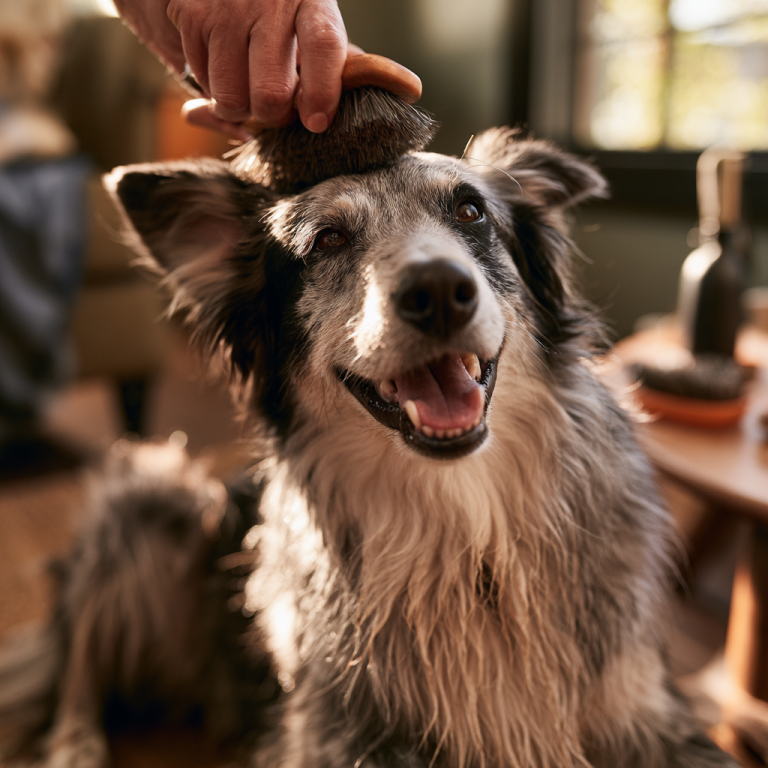
- Grooming: Regular grooming can be soothing and a bonding experience for both you and your dog.
- Safe Spaces: Provide a quiet, comfortable area where your dog can retreat when feeling stressed.
- Enrichment Activities: Puzzle toys, scent work, and interactive games can engage your dog’s mind and distract from stressors.
- Calm Environment: Playing soothing music or using aromatherapy with dog-safe essential oils may help create a calming atmosphere.
- Regular Exercise: Physical activity is key in reducing stress levels; daily walks or playtime provide mental and physical stimulation.
Tailoring these techniques to fit your dog’s personality and preferences is paramount.
Positive Signals that Indicate Your Dog is Relaxed
Recognizing when your dog feels relaxed can also help you gauge their overall well-being. Positive signals of relaxation may include:
- Loose Body Posture: A relaxed dog will have a loose, wiggly body and will likely approach you with a calm demeanor.
- Soft Eyes: A dog with soft, relaxed eyes may blink slowly or look at you without tension, indicating comfort.
- Playful Behaviors: Engaging in play or soliciting attention is typically a sign that your dog feels secure and happy.
- Sleeping Comfortably: A dog that sprawls out and rests soundly is often in a safe and relaxed environment.
Understanding these relaxed behaviors helps establish a balanced approach to your dog’s emotional health, providing reassurance that they feel safe and secure.
—
Recognizing how to tell if your dog is stressed involves a nuanced understanding of their signals, individual differences, and context. By observing their behavior closely and employing effective stress reduction strategies, we can enhance their well-being and ensure they lead fulfilling, happy lives.
Frequently Asked Questions
What are the physical signs of stress in dogs?
Physical signs of stress in dogs include panting, a tucked tail, shaking or trembling, changes in posture, and excessive licking or grooming. Observing these signs in context can help determine if your dog is experiencing stress.
How to tell if my dog is anxious?
Signs of anxiety in dogs can manifest as increased barking or whining, avoidance behaviors such as hiding, destructive behaviors, and changes in appetite. Monitoring your dog’s behavior in various situations can aid in identifying anxiety.
Can stress lead to health issues in dogs?
Yes, prolonged stress can contribute to numerous health problems, including digestive issues, weakened immune systems, and potential behavioral problems. Addressing stressors promptly can help protect your dog’s health.
How can I help my stressed dog?
You can help a stressed dog by creating a safe space, ensuring regular exercise, engaging in positive reinforcement training, and using calming products. These measures can support your dog’s emotional well-being and reduce stress levels.