Buff Tabby Cat: Unique Traits and Personality Insights
The buff tabby cat is a striking and beloved breed, known for its warm, sandy-colored coat and unique personality traits. With their eye-catching appearance and often amiable demeanor, buff tabby cats have captured the hearts of many cat enthusiasts. Understanding the individual characteristics of these engaging felines requires exploring not only their physical traits but also their temperament and behavior.
Quick answer: Buff tabby cats are often recognized for their distinctive light orange or tan coat marked by classic tabby patterns. Their temperaments can vary widely, but many are known to be friendly and social, making them great companions for families and individuals alike.
Understanding the Buff Tabby Cat
What makes a cat a buff tabby?
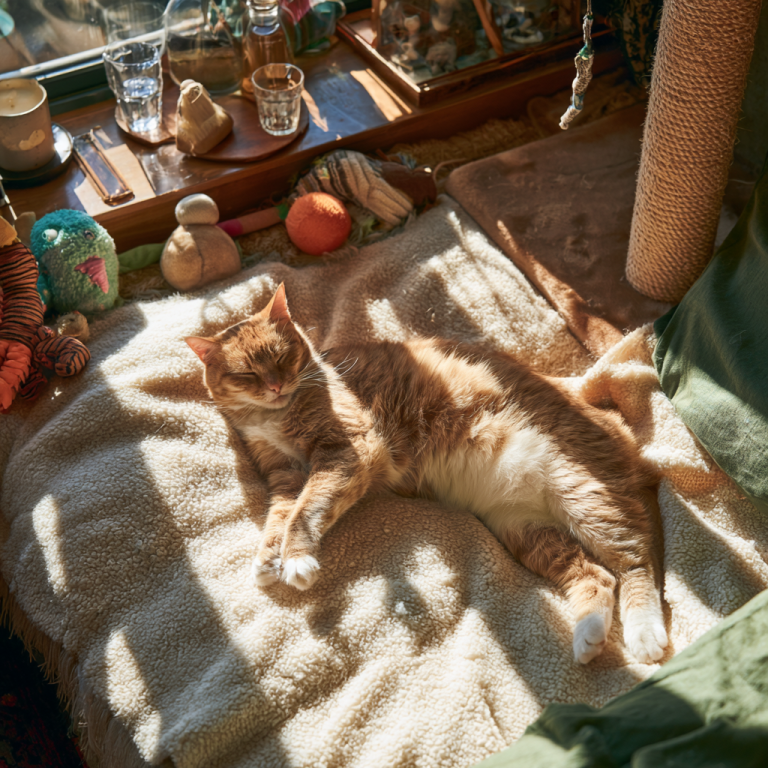
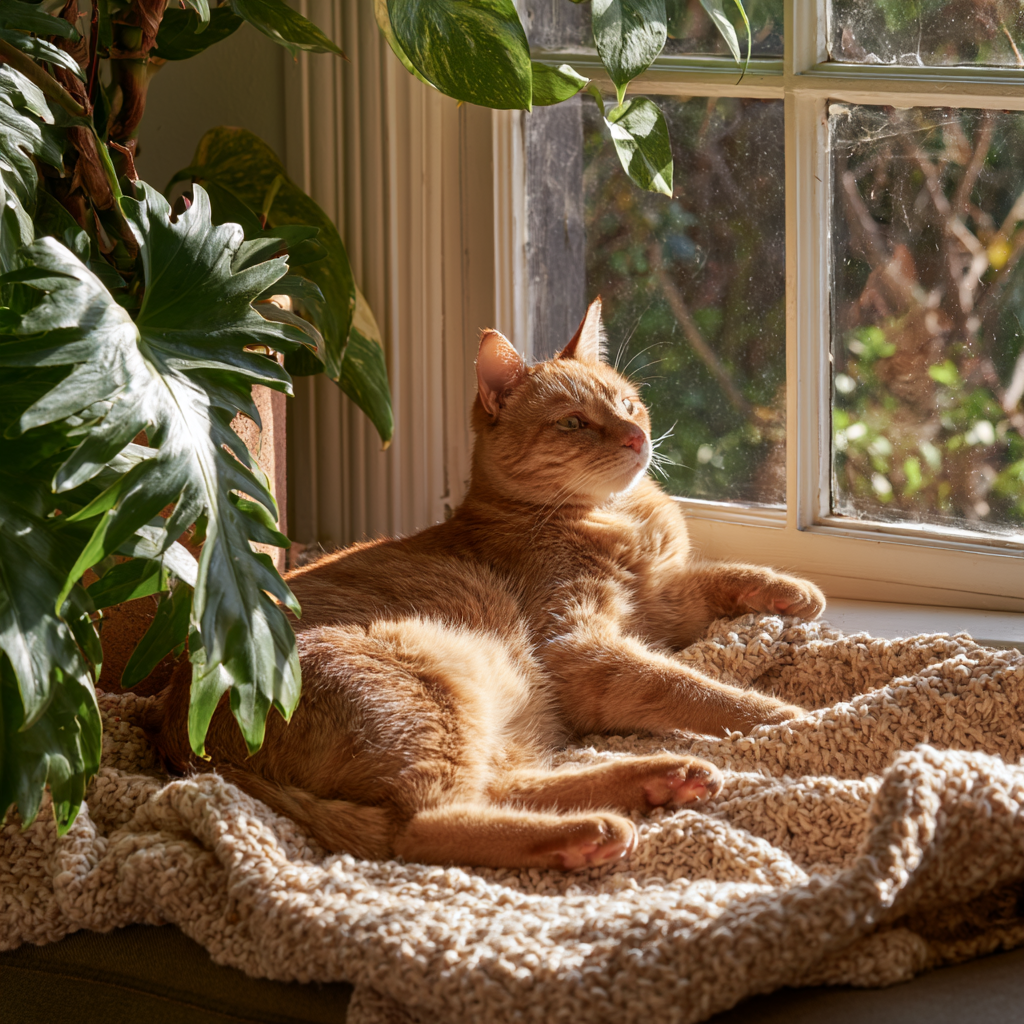
The term “buff tabby” describes a specific coloration and pattern found in cats rather than a distinct breed. This coloration is characterized by a light orange or tan coat, typically featuring the traditional tabby pattern. Tabby cats can exhibit several different markings, including:
- Classic tabby: Swirling patterns across the body.
- Mackerel tabby: Narrow stripes that run parallel down the sides.
- Spotted tabby: Coat adorned with large, visibly distinct spots.
- Ticked tabby: Each hair banded with different colors, giving a “ticked” appearance.
While the coloration alone can help categorize a buff tabby, recognizing their friendly disposition often completes the picture. Buff tabbies are not a breed by themselves, but rather a color variation that can occur in several different breeds.
Physical characteristics of buff tabby cats
Buff tabby cats share several physical characteristics that make them distinctive. While these traits may vary among individuals, some common physical features include:
- Coat color: A warm, light orange or tan coat with tabby markings.
- Eyes: Golden or copper-colored eyes that contrast beautifully with their warm fur.
- Size: Generally, buff tabby cats are medium to large in size, depending on their breed.
- Build: A well-muscled body with a strong bone structure is typical; they may also have rounded faces and tufted ears.
- Tail: Their tail often has a darker stripe down the center, typical of tabby markings.
These characteristics contribute to their charming presence and make them easily recognizable amongst other cats. Their delightful appearance is often complemented by their engaging personalities.
Temperament and Behavior of Buff Tabby Cats
Are buff tabby cats friendly?
Buff tabby cats are often celebrated for their friendly and sociable nature. Many owners report that these cats tend to be affectionate, enjoying companionship with their human family members. However, it is essential to recognize that individual temperament can vary widely. Factors like upbringing, socialization, and environment play a significant role in shaping a cat’s personality.
Common traits often associated with buff tabby cats include:
- Affectionate: Many buff tabbies enjoy being petted and cuddled. They may curl up next to you or follow you around the house.
- Playful: These cats often retain their playful spirit into adulthood, engaging in interactive play with toys or exploring their surroundings.
- Curious: Buff tabby cats typically exhibit curiosity, often investigating new objects and changes in their environment.
- Vocal: Some buff tabby cats are known to express themselves vocally, often meowing or purring to get attention or engage with their humans.
That said, not all buff tabbies will exhibit these traits uniformly. Observing individual behaviors can provide insights into your specific pet’s preferences and personality.
Social behavior and interaction with humans
The social behavior of buff tabby cats can be as diverse as their individual personalities. While many buff tabby cats display a friendly disposition, interaction styles can vary widely. Some owners may find that their buff tabby loves human interaction, while others may prefer a more reserved approach. Here are some behaviors to observe in your buff tabby during interactions:
- Seeking attention: Pay attention to body language if your buff tabby approaches you; they may rub against your legs or meow for attention.
- Grooming behavior: Cats often groom as a sign of affection, so if your buff tabby licks you, consider it a compliment!
- Playfulness: If your cat brings toys to you or initiates play, this indicates a desire for bonding and interaction.
- Respecting space: Note whether your buff tabby sometimes retreats when feeling overwhelmed. Giving them the option to embrace interactions or step back is essential for positive engagement.
Understanding your individual buff tabby’s preferences is vital for healthy interactions. While some may thrive on being the center of attention, others may require encouragement and gentle engagement to feel comfortable.
Safety Note: Observe your buff tabby cat for signs of stress or discomfort, such as hiding, hissing, or excessive grooming. If you notice these behaviors frequently, consider consulting with a veterinarian or a professional animal behaviorist.
Myths and Misconceptions about Buff Tabby Cats
Despite their popularity, several myths surround buff tabby cats. Understanding these misconceptions can help potential owners make informed decisions:
- Myth: All buff tabby cats are the same. In reality, there is significant variation in behavior and personality among buff tabby cats, even among those of the same color.
- Myth: Buff tabbies are lazy. While some may enjoy lounging, many buff tabby cats are quite active and playful, requiring mental and physical stimulation.
- Myth: Buff tabby cats don’t bond with owners. This is not true; while some buff tabbies may be more independent, many form strong attachments to their human companions.
Recognizing the individual traits and characteristics of your buff tabby will enhance your bond and understanding of these lovely cats.
Practical Care Tips for Buff Tabby Cats
To ensure that your buff tabby cat thrives, consider these tailored care tips that address their specific needs:
- Diet: Provide a balanced, high-quality diet suitable for your cat’s age and health. Monitor their weight and adjust food portions to avoid obesity.
- Grooming: Regular brushing can help manage shedding and prevent matting in their coat. This practice also allows for inspecting their skin for any abnormalities.
- Environmental enrichment: Offer a variety of toys and interactive challenges to keep your buff tabby engaged. This could include puzzle feeders, climbing structures, or even simple laser pointers.
- Regular vet check-ups: Routine veterinary care is essential for maintaining health. Schedule regular vaccinations, dental care, and screenings to address any potential health issues early.
These care practices not only support the health of your buff tabby but also enhance their quality of life and overall happiness.
As you continue your journey with your buff tabby cat, remember that their unique temperament and personalities require individualized attention and care. With the right support, your feline companion can thrive and bring joy to your household.
Frequently Asked Questions
How to care for a buff tabby cat?
Caring for a buff tabby cat involves regular grooming to maintain their coat health, providing a balanced diet, and ensuring they receive adequate veterinary care. Additionally, engaging them in play and offering a stimulating environment can enhance their quality of life.
What health issues do buff tabby cats face?
Buff tabby cats can be prone to some common health issues that affect cats in general, such as dental disease, obesity, and certain genetic disorders. Regular veterinary check-ups and monitoring their diet can help mitigate these risks.
What is the lifespan of a buff tabby cat?
The lifespan of a buff tabby cat generally ranges from 12 to 16 years, depending on their overall health, lifestyle, and genetics. Providing quality nutrition and regular veterinary care can contribute to a longer, healthier life.