How to Make Your Cat Feel Safe in Your Home

How to Make Your Cat Feel Safe is essential for ensuring a harmonious and loving environment at home. Cats are sensitive creatures, and creating a safe space for them can significantly impact their well-being and behavior. Understanding their needs and how to respond to them can foster a loving relationship and a peaceful household. Let’s explore various strategies to promote safety and security for your feline companion.
Quick answer: To make your cat feel safe, create a peaceful environment by understanding their behavior, designating safe spaces, engaging them in play, building trust, and managing stressful situations. Observing your cat’s reactions and providing an enriching environment can enhance their sense of security.
How to Make Your Cat Feel Safe: Creating a Peaceful Environment
Understanding Feline Body Language
Understanding feline body language is crucial in helping your cat feel safe. Cats communicate primarily through body posture, tail position, ear orientation, and facial expressions. For instance, a cat with a relaxed body, upright tail, and ears facing forward may be feeling secure and happy. In contrast, a cat that is crouching with flattened ears and a puffed tail might be experiencing fear or anxiety.
Observing how your cat displays these behaviors in various situations can provide insight into their comfort levels. A baseline understanding of their usual behavior can help you identify when they may be feeling stressed or threatened. For example, if your cat suddenly hides when a loud noise occurs, it’s likely that they are frightened. Documenting these reactions can help you better understand what makes your cat feel unsafe or comfortable, aiding in your efforts to create a more supportive environment.
Identifying Stress Triggers
Identifying stress triggers for your cat involves careful observation of their environment and routines. Common triggers include loud sounds, new people, or even changes in routine. Pay close attention to your cat’s behavior when these situations occur. Are they hiding, vocalizing more than usual, or exhibiting changes in appetite?
To effectively document these changes, consider keeping a diary noting when specific triggers occur and how your cat reacts. For instance, you might observe that your cat becomes withdrawn when visitors arrive or tends to hide during thunderstorms. Noting these details will help you develop strategies to manage those triggers and create a more secure environment.
Creating Safe Spaces and Comfort Zones
Designating Safe Areas in the Home
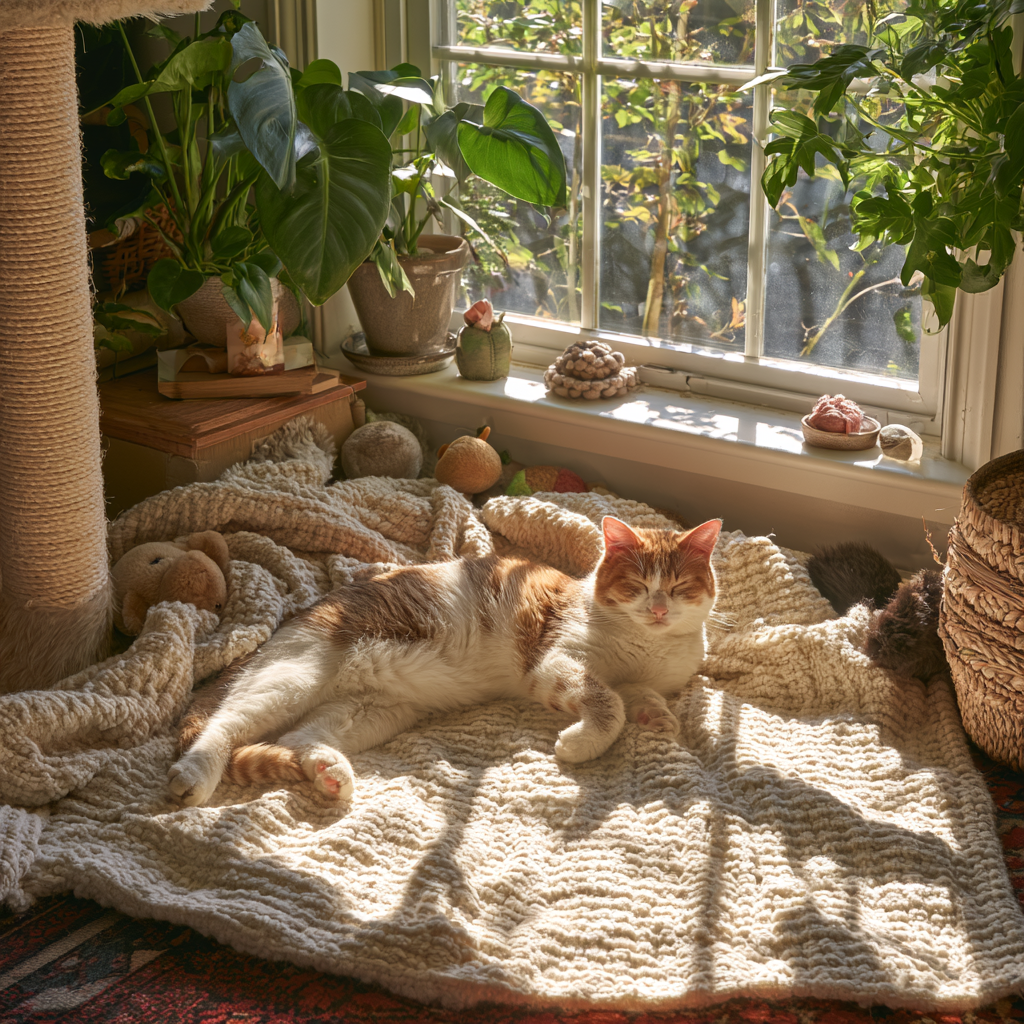
Creating safe spaces within your home is vital for your cat’s sense of security. Cats naturally seek out hiding spots where they can retreat when they feel threatened. Designate areas, such as a quiet room or a cozy corner with minimal foot traffic, where your cat can relax undisturbed.
Ensure that these safe zones are equipped with essential amenities. Include food, water, a litter box, and a comfortable resting area. It’s beneficial to carpet or blanket the space for added comfort. Providing vertical spaces, like cat trees or shelves, can also allow your cat to observe their surroundings from a safe vantage point. Remember to let your cat explore their space at their own pace; this empowerment is essential to help them understand that they are in a protective environment.
Using Cozy Bed Linings and Hiding Spots
When it comes to providing comfort, using cozy bed linings and creating hiding spots can greatly enhance your cat’s feeling of safety. Cats enjoy unique bedding, such as soft blankets, cat beds with high sides, or even an old sweater of yours. However, preferences can vary widely among individual cats.
Observe where your cat tends to curl up or feel the most relaxed. They may prefer a specific location, like a sunny window or an unobtrusive corner. Be attentive to their choices, and you can better tailor their sleeping arrangements. Offering a variety of options will allow them to choose what feels safest and most comfortable.
Engaging Your Cat: Play and Interaction
Choosing the Right Toys for Stress Relief
Selecting the right toys is essential in helping your cat relieve stress. Toys that mimic prey, such as small balls or feather wands, can engage your cat’s hunting instincts and provide mental and physical stimulation. Additionally, consider puzzle toys that require your cat to figure out how to access treats; these not only keep them entertained but also encourage problem-solving skills.
It’s important to monitor your cat’s reactions to different toys. Some cats might feel overwhelmed by too many options or prefer a specific type of interaction. This observation can guide you in selecting toys that help your cat feel more secure and comfortable during play.
Incorporating Interactive Playtime
Interactive playtime is an excellent way to bond with your cat and facilitate their feeling of safety. Engaging with your cat using toys, such as lasers or feather toys, allows them to express their natural instincts while reinforcing your relationship. Try to incorporate short sessions multiple times a day, keeping each session around 10–15 minutes to maintain their interest and excitement.
Pay attention to your cat’s body language during play. If they appear overly tense or stop playing altogether, it’s a good idea to give them a break and allow them to retreat if needed. Create an environment where your cat knows they can say no to interactions, further establishing a sense of safety in the relationship.
Trust Building Techniques for Your Cat
Developing a Routine for Consistency
Establishing a consistent routine can be immensely beneficial in making your cat feel safe. Cats are creatures of habit and thrive on predictability. Regular feeding times, play sessions, and grooming can foster a reassuring environment where your cat knows what to expect.
Consider creating a daily schedule that incorporates these elements. Additionally, if there are particular activities that visibly relax your cat, such as gentle brushing or quiet time on your lap, include these in the routine. Predictable interactions help build trust and instill a sense of control for your feline companion.
Using Treats to Strengthen Bond
Using treats can be an effective strategy in strengthening the bond between you and your cat. Offer small treats during positive interactions, such as when your cat approaches you or engages in play. However, it’s vital to do this mindfully. Be observant of your cat’s reactions; if they appear stressed or hesitant to take the treat, it might be wise to reduce the frequency or opt for a lower value treat.
Consider using healthy treats to prevent overindulgence while reinforcing positive behavior. Slowly building up to offering treats during certain activities, like grooming or nail trimming, can also help your cat associate these typically stressful situations with positive experiences.
Managing and Mitigating Stressful Situations
Reassurance During Loud Noises
Loud noises can be particularly stressful for many cats. To help your cat feel safe during such events, it’s vital to offer reassurance. Speak softly and calmly, allowing your cat to approach you when they’re ready.
Creating a safe space they can retreat to during storms, fireworks, or loud parties can significantly help. You might consider using calming products, such as pheromone diffusers or anxiety wraps, to provide additional support. Additionally, playing soft music can create a soothing atmosphere. Do note that while these products may assist in calming your cat, individual responses can vary, so ongoing observation is necessary.
Introducing New Animals or People Gradually
When introducing new animals or people to your home, it’s essential to do so gradually to minimize stress for your cat. Start by allowing your cat to observe the new individual from a safe distance. You can use a barrier, like a baby gate or a separate room, to let them get used to the presence of the newcomer without direct interaction.
After a few days of peaceful observation, you can initiate brief, controlled introductions. Always allow your cat to dictate the pace; if they want to retreat, honor their decision. Provide plenty of treats and praise for calm behaviors during these introductions, reinforcing positive experiences. Monitoring interactions and being patient in the process will help your cat feel safe around new additions to the household.
Frequently Asked Questions
What are the signs of an anxious cat?
An anxious cat may exhibit behaviors such as hiding, excessive grooming, vocalizing more than usual, or displaying a prickled tail. Changes in appetite or litter box habits can also indicate distress.
How can I create a safe environment for my cat?
To create a safe environment, provide quiet, designated areas for your cat to retreat, minimize stressors by observing their behavior, and ensure they have access to comfortable bedding and hiding spots.
What should I do if my cat feels threatened?
If your cat feels threatened, it’s important to give them space and time to calm down. Avoid forcing interactions and allow them to retreat to a safe area where they can feel more secure.
How do I reassure my cat during stressful situations?
During stressful situations, reassure your cat with a calm presence and a soothing voice. Creating a quiet space and allowing your cat to escape potential stressors can also enhance their comfort level.
What toys help to calm a cat?
Toys that mimic hunting behavior, such as feather wands or puzzle toys, can help calm a cat by engaging their natural instincts. Additionally, interactive toys that provide mental stimulation can alleviate boredom and stress.