Why Do Dogs Roll on Their Backs? Exploring Canine Behavior
Why Do Dogs Roll on Their Backs? It’s a captivating behavior that many dog owners have witnessed, often prompting a mix of curiosity and delight. This seemingly playful act is multifaceted, reflecting various emotional states and instinctual behaviors. While some dogs roll over with abandon, inviting belly rubs and affection, others might do so as a response to stress or discomfort. Understanding the underlying reasons for this behavior can enhance our connection with our canine companions and help us better interpret their needs and feelings.
Quick answer: Dogs roll on their backs for several reasons, including showing trust, engaging in play, or communicating discomfort. The interpretation of this behavior often depends on the individual dog’s personality, past experiences, and the context in which it occurs.
Understanding Canine Behavior: Why Do Dogs Roll on Their Backs?
Natural instincts and evolutionary behaviors
To appreciate why dogs roll on their backs, it’s essential to recognize their natural instincts and the evolutionary behaviors that have shaped them. Wild canines, such as wolves, often engage in rolling behaviors as part of their social communication. This instinct can be traced back to their ancestors, where rolling on their backs could indicate submission or playfulness with others in the pack.
Domestication has nuanced these behaviors further. For example, breeds with a strong herding instinct, like Border Collies, may roll over to solicit play or interaction. Conversely, more reserved breeds, such as the Shiba Inu, may display this behavior less frequently, even among familiar companions. It’s vital to remember that individual characteristics—formed by age, early training, or past interactions—can influence how dogs express these instincts, meaning not every instance of back-rolling will convey the same message.
Submissive behavior and trust signals
Rolling over on their backs can also be a sign of submission among dogs. This behavior indicates that a dog feels secure in its environment and trusts those around it. A dog displaying its belly is often attempting to signal that it doesn’t pose a threat, making it an important display in canine social interactions.
However, the subtleties of this behavior can vary from one dog to another. For example, a dog that has experienced abuse or neglect may roll onto its back in an anxious manner, which differs from a relaxed display of trust. Observing the overall body language is crucial; a stiff posture or a tucked tail during back rolling might suggest fear rather than comfort. Understanding how each individual dog behaves in various contexts allows for better interpretation of their intentions and emotions.
The Joyful Side of Rolling: Playfulness and Relaxation
Happiness and comfort in familiar environments
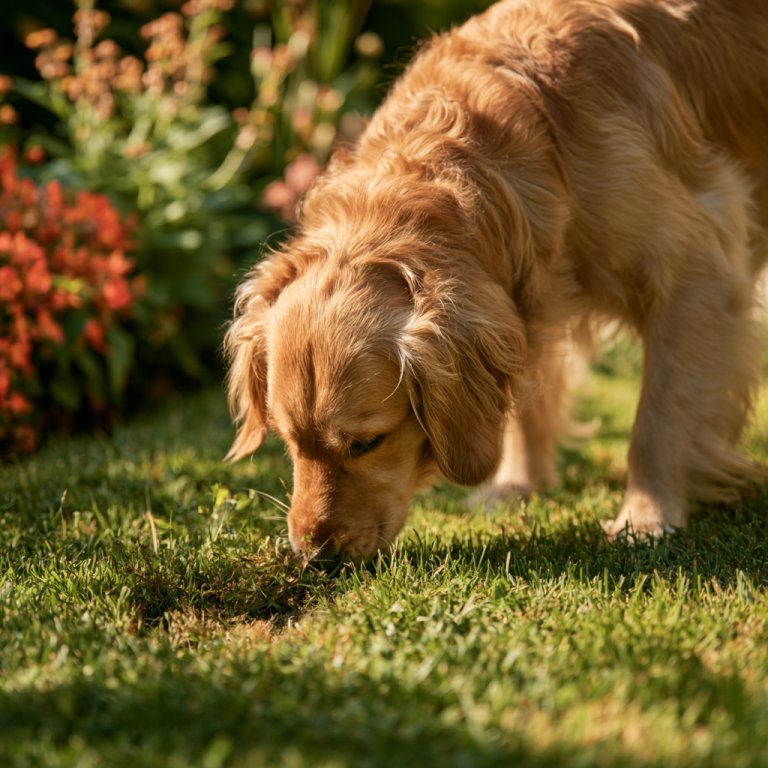
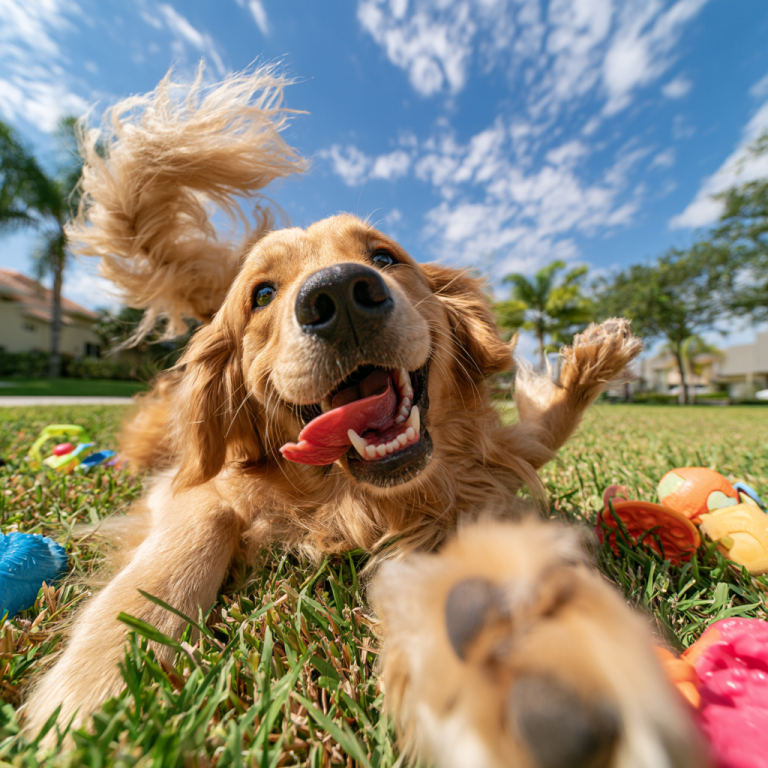
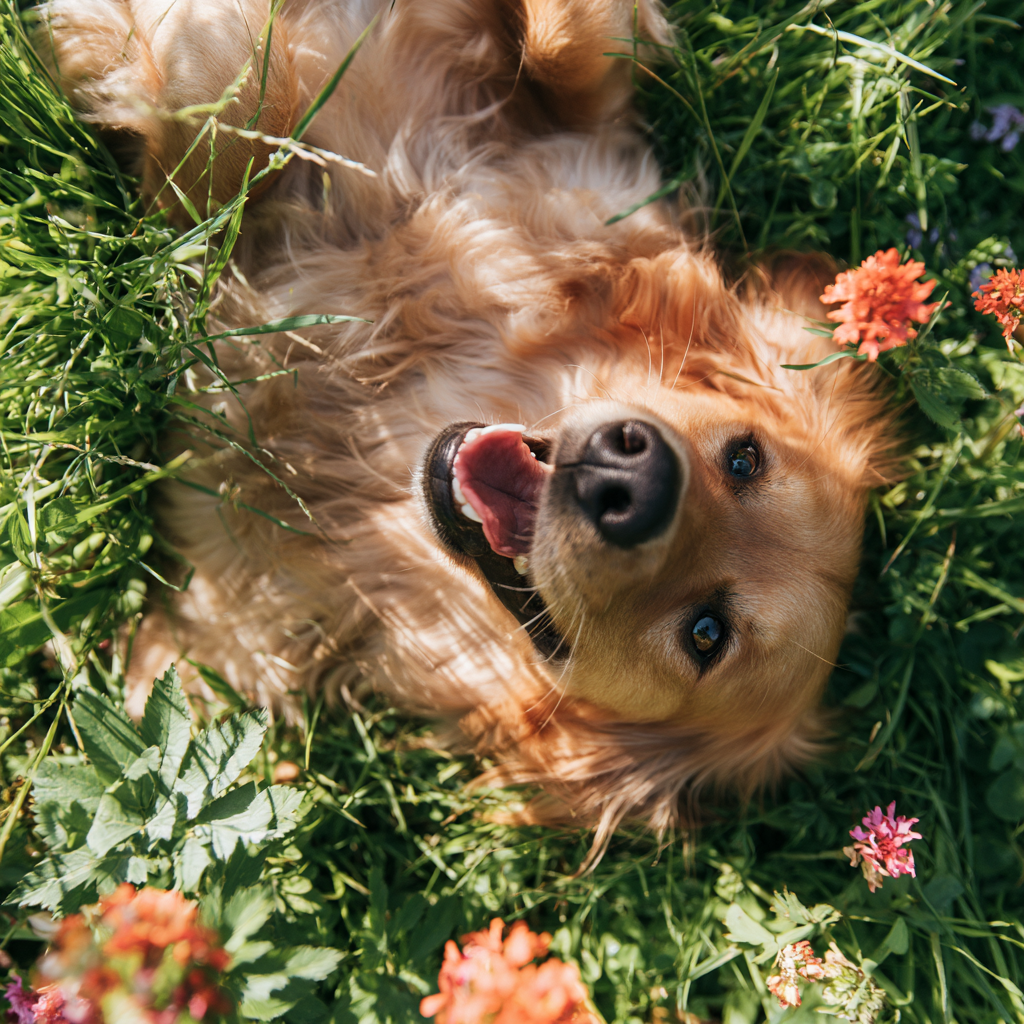
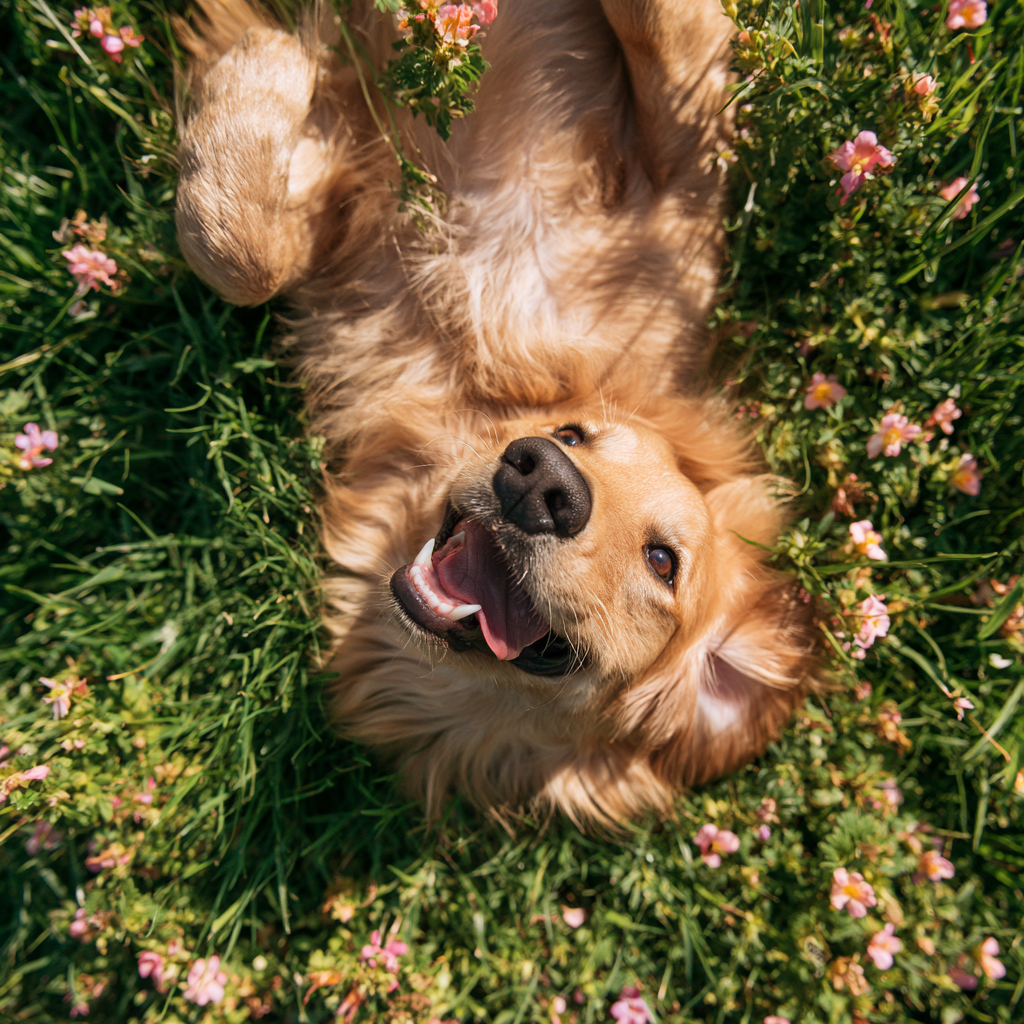
For many dogs, rolling on their backs is a delightful expression of happiness and relaxation. When in a familiar environment, such as their home or yard, a dog may gleefully roll about, showcasing their comfort and joy. This playful behavior serves as a way for them to release pent-up energy or simply enjoy the moment. You might observe your dog rolling in grass after a good romp at the park, appearing carefree and at ease.
Recognizing a joyful roll is often straightforward; look for additional signs of relaxation such as a wagging tail, open mouth, or playful barks accompanying the behavior. These indicators highlight a dog’s contentment and willingness to engage with their surroundings, enhancing their social interactions and overall happiness.
How rolling can signify a playful invitation
Beyond mere joy, rolling on their backs can act as an invitation to play. A dog that invites you to join them by rolling over is typically signaling excitement and a desire for interaction. In these moments, they may assume a play bow, baring their bellies as an opportunity for a fun exchange. It’s not uncommon for dogs to engage with other dogs in this manner as well, using rolling as a way to encourage friendly engagement.
As owners, we can respond to this playful behavior by joining in, whether by reaching down to scratch their belly or rolling around with them. This reciprocal interaction strengthens our bond and enriches their playful experience. However, it’s essential to gauge the dog’s body language throughout the exchange; if they become stiff or overly excited, it might be time to slow down and assess their comfort level.
Cautionary Signals: When Back Rolling Might Indicate Anxiety
Unfamiliar situations and defensive posture
While rolling on their backs can signify trust and playfulness, it’s crucial to recognize that it can also indicate anxiety, especially in unfamiliar situations. A dog that feels threatened may roll onto its back as a defensive tactic, trying to diffuse tension without resorting to aggressive behaviors. This roll can be confusing, as it visually resembles a relaxed posture; however, the context reveals the stress behind it. For example, such behavior might occur during a visit to the vet or around unfamiliar dogs.
Pay close attention to the accompanying signals. A dog that rolls in a tense environment may have flattened ears, a tucked tail, and wide, anxious eyes, which can be distinguishable from signals of comfort. In these cases, the best response is to provide the dog with space and reassurance. Giving them room to retreat can help alleviate their anxiety, allowing them to re-approach the situation on their terms.
Understanding the context of back rolling
Understanding the context in which back rolling occurs is key to interpreting a dog’s behavior accurately. Different scenarios can influence how rolling is received. For instance, a dog rolling on its back during an exciting play session with a close companion is likely expressing joy. In contrast, a dog returning to this position after encountering a stressful stimulus—like loud noises or an aggressive dog—may be seeking comfort or indicating fear.
Observe the dog’s previous experiences with certain situations. Age, past trauma, and social interactions can significantly shape their responses. For example, a rescue dog with a history of mistreatment may roll as an involuntary response to fear, while a young puppy may showcase this behavior purely as playfulness. The important takeaway is to assess the dog’s overall demeanor, considering their unique personality and experiences before making assumptions about their motivations.
Recognizing and understanding why dogs roll on their backs offers a window into their emotions and instincts. Whether it’s expressing trust, inviting play, or indicating discomfort, the context and individual traits matter significantly. With patience and careful observation, we can interpret the signals our furry friends give us, strengthening our bond and ensuring their well-being.
Frequently Asked Questions
Is rolling on the back a sign of submission?
Yes, rolling on the back can be a sign of submission, as it indicates a dog’s non-threatening stance and willingness to show trust. This behavior commonly occurs in social situations, especially with other dogs.
Do dogs roll on their backs when they are happy?
Dogs often roll on their backs when they are happy, particularly in familiar and comfortable environments. This behavior frequently accompanies playful actions, such as wagging tails and playful nudges.
What does it mean when a dog rolls over?
When a dog rolls over, it can signify a variety of emotions, including playfulness, trust, or even anxiety. Understanding the surrounding context and the dog’s overall body language is essential for accurate interpretation.
Should I be concerned if my dog rolls on its back?
Rolling on its back isn’t inherently a cause for concern, but it can indicate anxiety in certain situations. If accompanied by signs of distress, it’s best to observe the context and give your dog some space.
How can I interpret my dog’s body language when rolling?
To interpret your dog’s body language when rolling, consider their overall posture, ear position, and context. Look for accompanying signals, such as a wagging tail, which may indicate playfulness, versus tense muscles or pinned ears, which could suggest discomfort.