Cat Symbolism: Understanding the Significance in Culture
Cats have long captured the human imagination, evoking a rich tapestry of meanings and representations across various cultures. Cat symbolism encompasses the interpretations and feelings we attribute to these enigmatic creatures, highlighting their significance from ancient times to the modern era. In this exploration, we’ll delve into the meanings behind cat symbolism and its importance in diverse cultural contexts.
Quick answer: Cat symbolism varies widely across cultures, often signifying independence, mystery, and protection. In different societies, cats are revered for their spiritual significance, association with freedom, and roles as protectors or even harbingers of good fortune.
What is Cat Symbolism?
Defining cat symbolism
Cat symbolism refers to the diverse meanings and representations that cats hold across different cultures and belief systems. These interpretations often relate to the characteristics and behaviors of cats themselves, such as their agility, independence, and enigmatic nature. From nurturing companions to elusive hunters, cats evoke a range of emotions and thoughts, leading to varied symbolism.
At its essence, cat symbolism can be understood through observing how these animals interact with humans and their environment. They can embody mystery, intuition, and the balance between domesticity and wildness, leading to rich interpretations and associations in folklore, religion, and spiritual practices.
Overview of its importance in culture
The importance of cat symbolism in culture is vast, impacting various aspects of art, literature, and everyday life. Cats appear in numerous mythologies and legends, serving as symbols of protection, luck, and spiritual guidance. Their presence in cultural narratives often reflects societal values, beliefs, and the human-animal relationship.
In contemporary times, cat symbolism remains relevant, with themes re-emerging in media, fashion, and social discourse. The evolving perception of cats illustrates how these animals continue to inspire, represent, and connect us to deeper emotional experiences reflecting independence, mystery, and companionship.
Cultural Beliefs about Cats
Cat symbolism in ancient Egypt
In ancient Egypt, cats were held in the highest esteem, symbolizing protection, fertility, and grace. The goddess Bastet, often depicted as a lioness or a domestic cat, embodied these qualities and was revered as a protector of the home and family. Egyptians believed that cats brought good luck and safety to their households, reflecting their esteemed status in society.
Killing a cat, even accidentally, could result in severe punishment, highlighting the deep cultural reverence for these animals. They were often depicted in art and sculpture, showcasing their divine connection and the belief that they served as guardians for their owners, overseeing their spiritual and physical well-being.
Cats in Japanese culture
Japanese culture has a rich relationship with cats, featuring them prominently in its art, folklore, and symbolism. One of the most iconic representations is the “maneki-neko,” a beckoning cat believed to bring good fortune and prosperity to its owner. This figurine can be found in homes and businesses, symbolizing a welcoming presence.
Moreover, Japanese folklore often includes cats with supernatural abilities, capable of transforming into human form. These stories reflect the dual nature of cats as both domestic companions and mysterious beings, intertwining their roles with spiritual beliefs about luck, protection, and the afterlife.
European folklore and cat symbolism
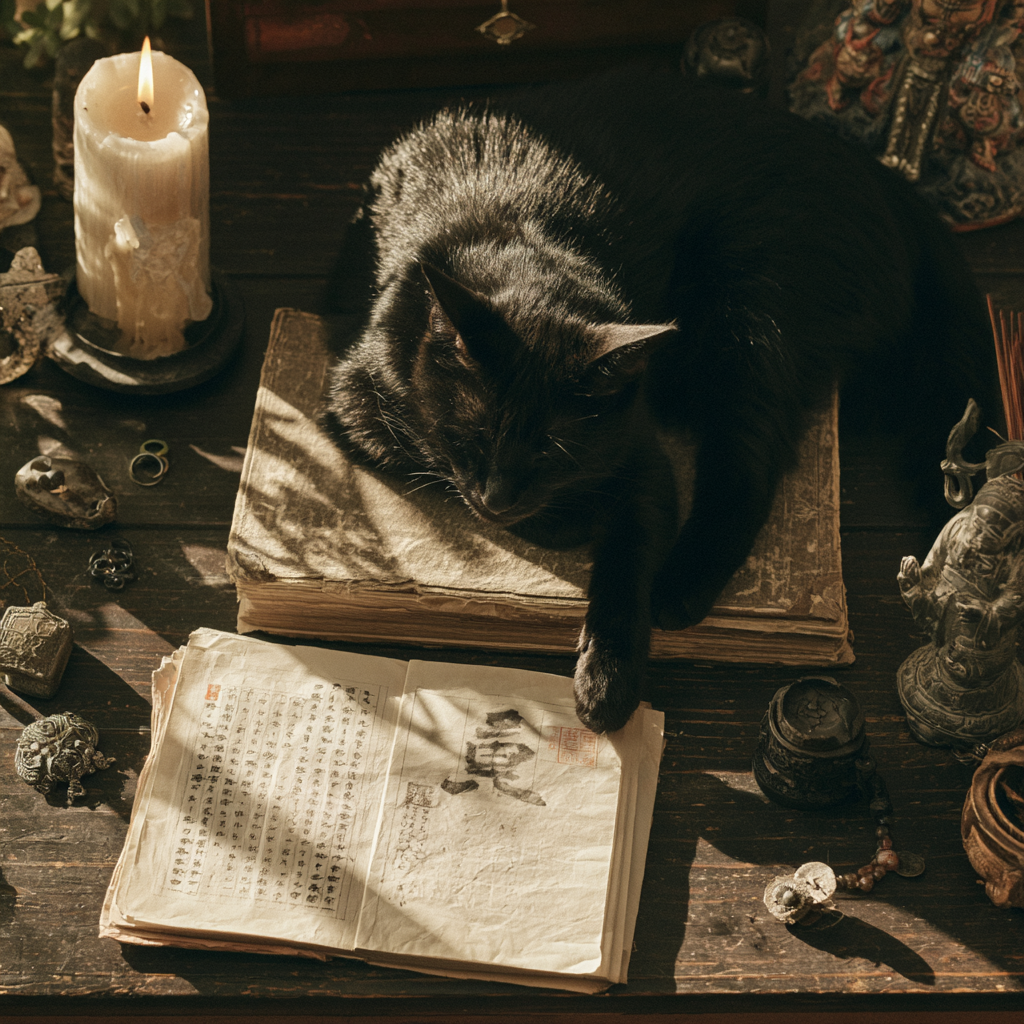
In European folklore, cats have embodied a spectrum of symbolism, ranging from fear to protection. During the Middle Ages, they were often associated with witchcraft and superstition, leading to a widespread belief that black cats brought bad luck. This belief stemmed from a deeper association between cats and the mysterious, often seen as familiars of witches.
Conversely, in some cultures, cats were seen as protectors of grain and homes, valued for their prowess in controlling rodent populations. Their ability to navigate both revered and maligned spaces reveals the complex attitudes towards cats in European history, highlighting their dual role in culture as both guardians and subjects of superstition.
Spiritual and Mythical Interpretations of Cats
Cats in spirituality
Cats hold a significant place in spiritual practices across various cultures, often symbolizing intuition, mystery, and spiritual sensitivity. Many cultures view cats as guardians of the spiritual realm, possessing a heightened awareness that allows them to perceive things beyond human understanding. This sensitivity to energy and emotion can make them essential companions in spiritual practices and healing.
Additionally, some spiritual beliefs suggest that cats serve as guides for their owners, helping to navigate through personal challenges and transformations. Their independent nature encourages individuals to embrace their own intuition and foster self-awareness, aligning with themes of personal growth and enlightenment.
Mythical representations of cats in various religions
Cats also appear in various religious and mythical contexts around the world. In ancient Norse mythology, the goddess Freyja was associated with cats, often depicted riding in a chariot pulled by these graceful animals. Freyja’s connection to love, beauty, and fertility highlights the significant role cats played in representing feminine power and intuition.
In Hinduism, the goddess Shashthi is occasionally depicted with a cat, reinforcing the animal’s association with fertility and motherhood. These mythical representations reflect the complexity of cat symbolism in religion, ranging from protectors to embodiments of divine feminine qualities.
Independence and Freedom: The Essence of Cats
Cats as symbols of independence
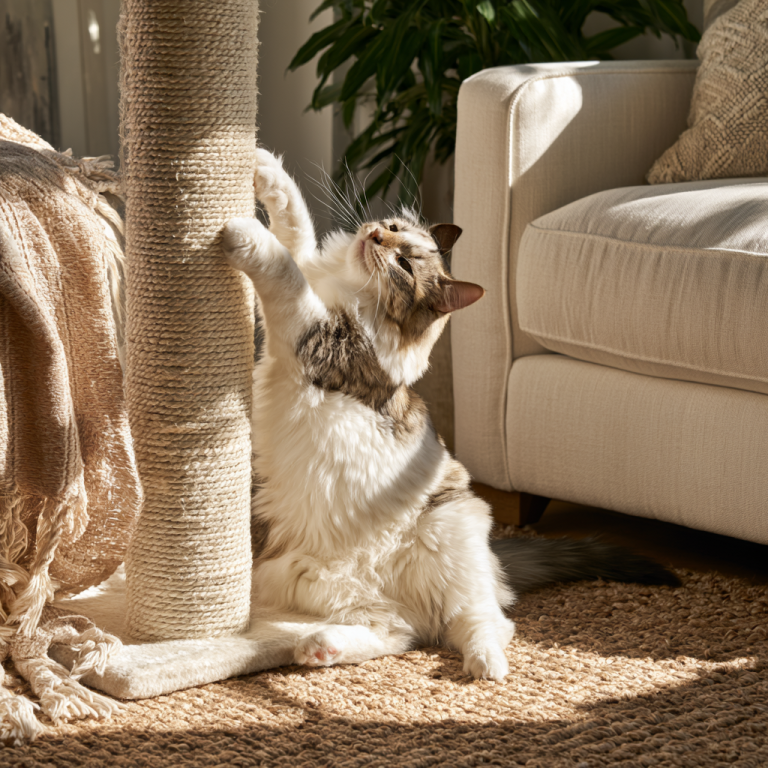
Cats are often perceived as the epitome of independence in the animal kingdom. Their natural behaviors, such as wandering alone, exploring their environment, and displaying aloofness, contribute to this symbolization. This independence has resonated with human experiences of self-reliance and individuality, leading to cats being celebrated in popular culture as icons of freedom.
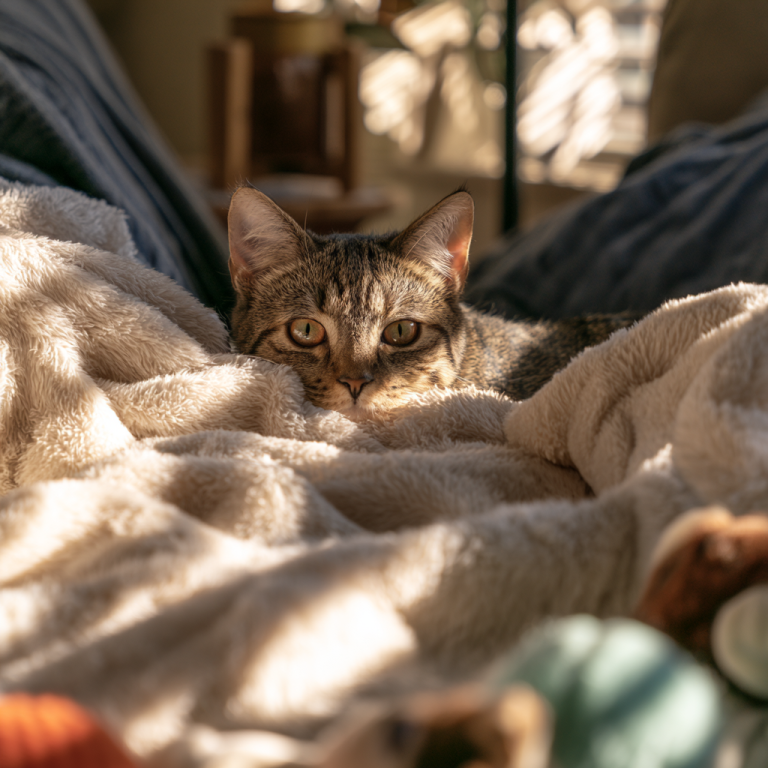
Observing a cat lounging in a sunbeam, consciously choosing when to engage or explore, encapsulates the essence of feline independence. This mastery over their environment allows them to thrive on their own terms, inviting humans to reflect upon their relationship with autonomy and personal empowerment.
The role of cats in symbolizing freedom
Beyond independence, cats also embody the freedom associated with living in the moment. Their playful antics, spontaneous bursts of energy, and curious exploration serve as reminders of life’s joys and the importance of embracing freedom.
In modern contexts, cats are often portrayed in literature and social media as symbols of rebellion and defiance against societal norms. Their unapologetic nature encourages individuals to embrace their true selves without fear of judgment, reinforcing cultural narratives around personal authenticity.
Conclusion: The Enduring Significance of Cat Symbolism
Cat symbolism represents a vast array of meanings that extend beyond mere appearances or behaviors. Throughout history, cats have held significant positions in various cultures, revered for their protective qualities, independence, and mystical associations. From ancient Egypt to contemporary art and literature, cats continue to inspire through their enigmatic presence.
As symbols of freedom and self-reliance, cats encourage us to embrace our own individuality while fostering connections that reflect our shared experiences. Whether revered in spirituality or portrayed in popular culture, the symbolism of cats endures, reminding us of the profound relationships we share with these captivating creatures.
Frequently Asked Questions
What does a cat symbolize in different cultures?
In various cultures, cats symbolize traits such as independence, mystery, and protection. Depending on the context, they can also embody good luck or bad luck, illustrating the complexities of their representation.
How are cats represented in mythology?
Cats are often depicted in mythology as mystical beings with divine connections, serving as symbols of protection or guidance. Their presence in stories highlights their revered status and the cultural beliefs surrounding their behavior and characteristics.
Are cats symbols of good luck or bad luck?
Cats can symbolize both good luck and bad luck, depending on cultural beliefs. For instance, while some cultures view black cats as omens of misfortune, others see them as protectors that attract good fortune.
What is the spiritual meaning of having a cat?
Having a cat often symbolizes a connection to one’s intuition and spirituality. Cats are viewed as guides that encourage mindfulness, promoting reflection and personal exploration through their independent nature and behavior.
How do cats symbolize independence?
Cats are seen as symbols of independence due to their solitary behaviors and self-sufficient lifestyle. Their ability to choose interactions and navigate their environments freely inspires admiration for their autonomy and encourages reflection on our own independence.