How Much Sleep Does a Cat Need? Understanding Feline Sleep Patterns
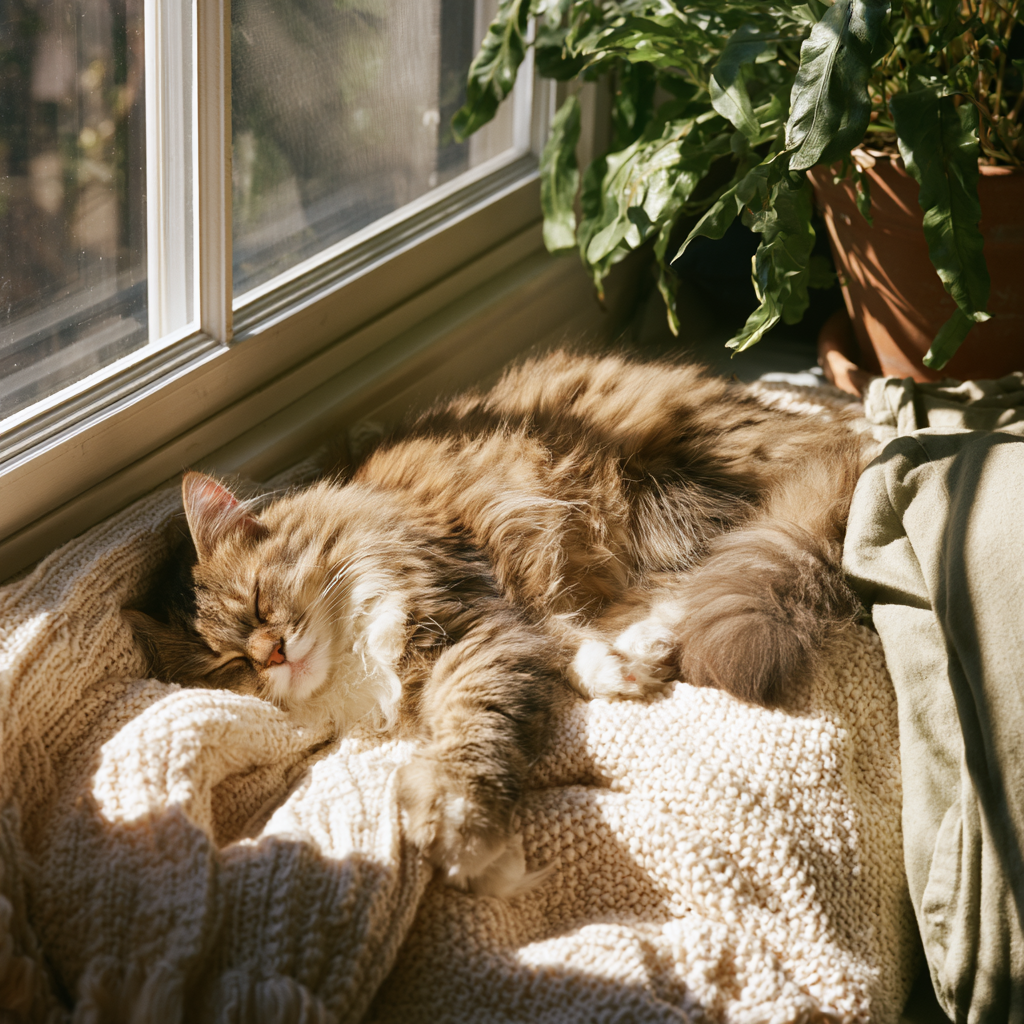
How Much Sleep Does a Cat Need? This is a question many cat owners may ponder as they watch their furry companions curl up for hours, seemingly in a deep slumber. Cats are known for their impressive sleeping habits, often napping throughout the day and night. Understanding the nuances of feline sleep patterns can help you determine whether your cat is getting the rest it needs and also highlight any irregularities in its sleeping habits that could warrant further observation or consultation with a veterinarian.
Quick answer: On average, adult cats require roughly 12 to 16 hours of sleep per day, while kittens may sleep up to 20 hours. Cats are crepuscular, meaning they are most active during dawn and dusk, influencing their sleep duration and patterns.
How Much Sleep Does a Cat Need?
Typical sleep duration for adult cats
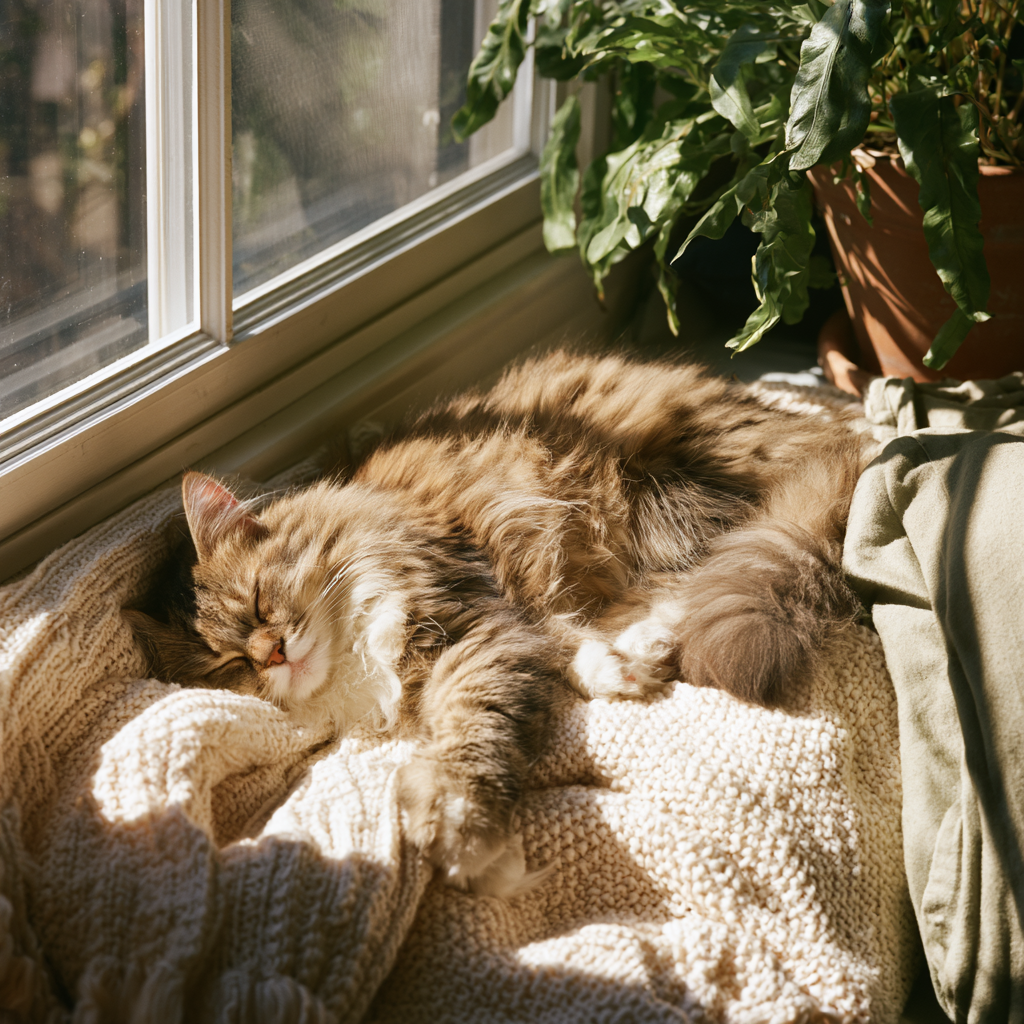
Adult cats typically sleep for about 12 to 16 hours each day. This sleep is not always continuous; rather, it is broken up into several periods throughout the day and night, aligning with their natural crepuscular behavior. Cats are known to alternate between light sleep and deeper sleep, which may occasionally include rapid eye movement (REM) phases. During these times, you may observe twitching or movement of their whiskers, indicating deeper engagement in dreaming, although the exact nature of their dreams remains largely a mystery.
Sleep needs for kittens vs. adults
Kittens need significantly more sleep than adult cats to support their rapid growth and development, often sleeping anywhere from 16 to 20 hours a day. This extended sleep allows their bodies to recover from the tiring play and learning sessions typical of their age. As kittens transition to adulthood, their sleep duration gradually decreases; they still need substantial sleep but begin to establish more defined cycles of activity and rest. Notably, as cats age, they may also experience slight changes in their sleep patterns, such as increased light sleeping or longer periods of napping throughout the day.
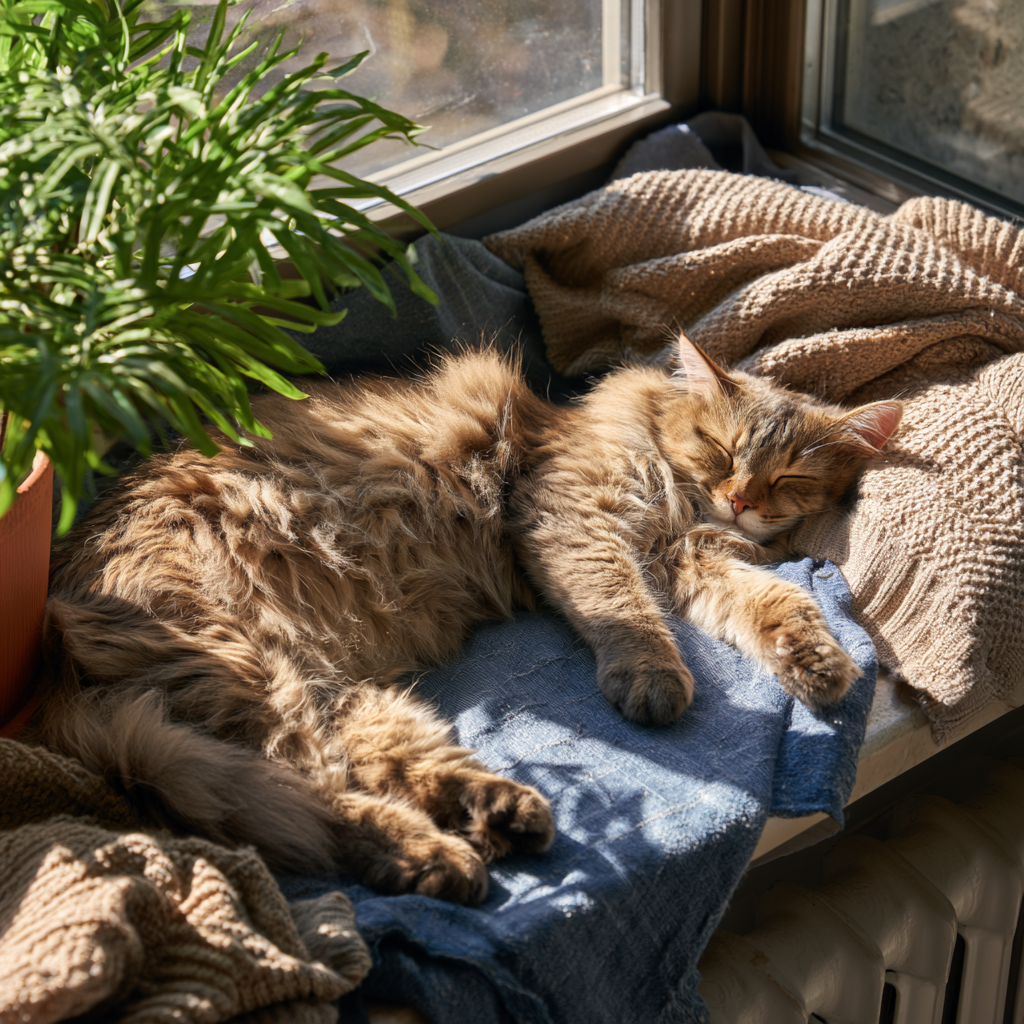
Understanding Cat Sleep Cycles
The stages of a cat’s sleep
Cats experience various sleep stages that can be categorized into light sleep and deep sleep. The light sleep phase is similar to the dozing off we may recognize in ourselves; in this state, a cat can be easily awakened. It is in this phase that they may flick their ears or twitch slightly. The deeper sleep phase, akin to restorative sleep for humans, involves slowed heart rates and relaxed muscles. During deep sleep, the cat’s breathing becomes steady, and they may enter REM sleep, where dreaming primarily occurs. This cycle of sleep stages allows cats to recharge physically and mentally, essential for their overall health and well-being.
How sleep cycles differ in cats and other animals
While mammals, including humans, experience various sleep stages, the duration and pattern of sleep cycles can differ significantly between species. For instance, dogs typically sleep about 12 to 14 hours a day, but their sleep is more evenly distributed across a 24-hour cycle, unlike cats. Other animals, such as rodents, exhibit different mechanisms aligned with their nocturnal behaviors. Cats possess a unique combination of both short bursts of intense activity followed by extended rest periods, a lifestyle deeply ingrained in their evolutionary history as solitary hunters. This adaptation ensures they remain alert and can conserve energy, preparing them for times of hunting and play.
Factors Influencing a Cat’s Sleep
Age-related sleep changes
As cats age, their sleep patterns can shift. Senior cats may sleep for longer durations but may also experience fragmented sleep, leading to waking periods throughout the night. These changes can be a natural part of the aging process, as older cats may struggle with arthritis or other health issues that can cause discomfort and affect their sleep quality. It’s essential to observe your senior cat’s sleep behavior closely, as any sudden changes—such as decreased sleep or restlessness—could indicate an underlying health concern needing veterinary attention.
Environmental factors affecting sleep
The environment plays a crucial role in a cat’s ability to achieve restful sleep. Factors such as noise, light, temperature, and space can significantly impact their sleeping patterns. Cats prefer quiet, dark, and warm spaces for optimal rest. Here are some tips for creating a favorable sleeping environment:
- Provide a comfortable bed in a quiet area, free from disturbances.
- Consider using soft blankets or thermal beds to help keep your cat warm.
- Avoid placing food or litter boxes too close to their resting area, as these can be distracting.
- Ensure that the sleeping area is in a controlled temperature range, ideally between 70°F and 80°F (21°C – 27°C), as cats are sensitive to extreme temperatures.
- Minimize abrupt noises during their sleep hours, and consider using white noise machines if environmental disturbances are unmanageable.
When observing your cat’s sleep habits, be vigilant for signs that may suggest an abnormality. If your cat appears overly lethargic, shows difficulty waking up, or demonstrates signs of distress during sleep (such as sudden jerks, vocalizations, or excessive grooming), it may signal a potential health issue. In such cases, consultation with a veterinarian is advisable, as they can provide a thorough evaluation and support for any underlying conditions affecting your cat’s rest and overall well-being.
Frequently Asked Questions
How much sleep do kittens need?
Kittens typically require about 16 to 22 hours of sleep each day. This extensive sleep is crucial for their growth and brain development during their formative months.
Do cats sleep more than dogs?
Generally, cats sleep more than dogs, averaging 12 to 16 hours a day compared to dogs, who may sleep around 12 to 14 hours. Individual needs can vary significantly based on age, activity level, and overall health.
What affects a cat’s sleep quality?
A cat’s sleep quality can be influenced by several factors, including age, physical health, environmental noise, temperature, and the presence of other pets. An optimal sleeping environment can significantly enhance their rest.
Is it normal for cats to sleep all day?
Yes, it is normal for cats to sleep a significant portion of the day, often 12 to 16 hours or more. Their crepuscular nature means they are naturally more active during dawn and dusk.
Can stress impact a cat’s sleep?
Yes, stress can negatively affect a cat’s sleep patterns. Changes in environment, routine, or the introduction of new pets can lead to anxiety, resulting in altered sleep behaviors and patterns.
What are the signs of an unhealthy sleep pattern in cats?
Signs of unhealthy sleep patterns in cats may include sudden increases or decreases in sleep duration, frequent waking during the night, or signs of restlessness such as pacing or excessive grooming. If these behaviors are observed, consulting a veterinarian is advisable.