Why Does My Dog Sniff Everything? Understanding Canine Behavior
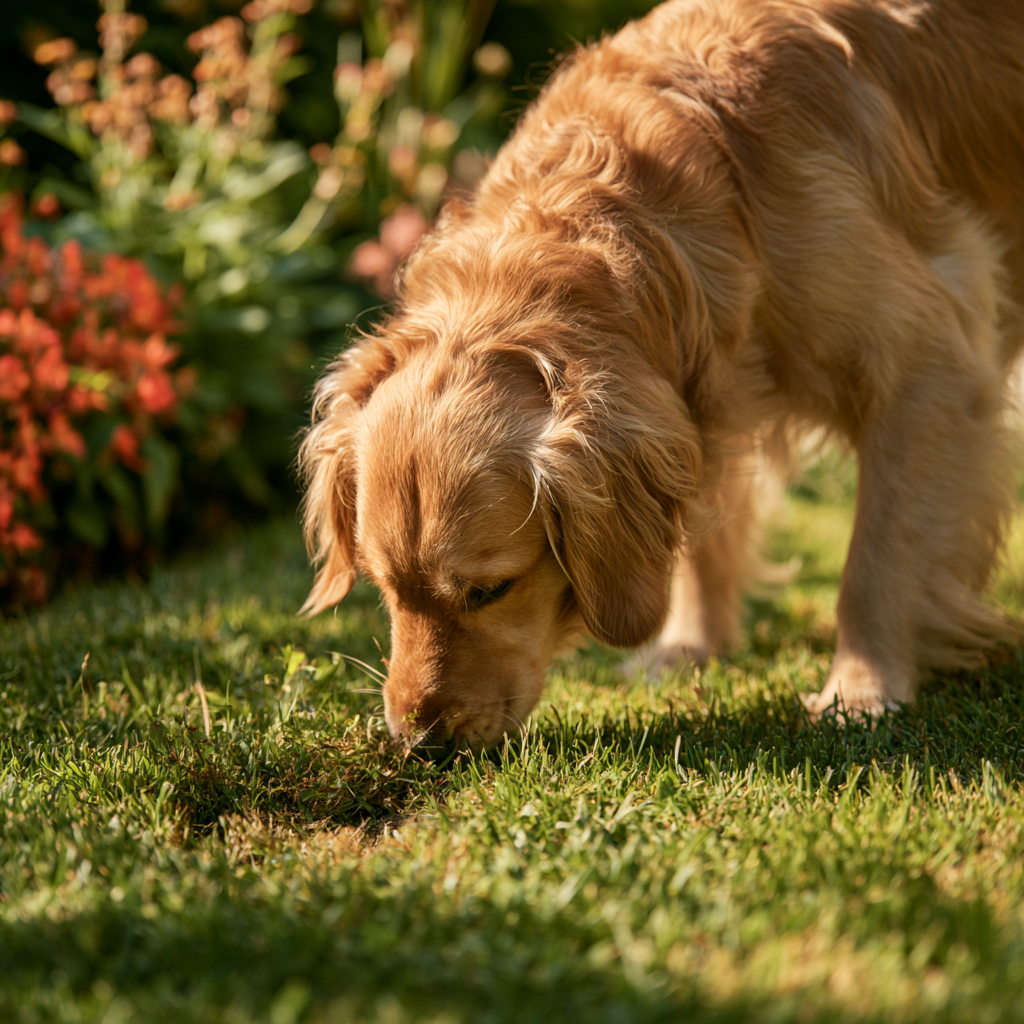
Why Does My Dog Sniff Everything? This behavior is a common observation among dog owners and often sparks curiosity. For many pet parents, excessive sniffing can become perplexing and raise questions about what’s driving this instinctive action. Understanding the underlying reasons for this behavior not only deepens our connection with dogs but also helps us address any specific needs they might have.
Quick answer: Dogs sniff everything primarily due to their highly developed sense of smell, which plays a crucial role in their exploration and understanding of the world. Excessive sniffing can stem from curiosity, anxiety, or even a need to gather information about their surroundings.
Why Does My Dog Sniff Everything?
Understanding a Dog’s Sense of Smell
A dog’s sense of smell is incredibly powerful, estimated to be around 10,000 to 100,000 times more sensitive than that of humans. This extraordinary ability allows dogs to detect scents at minute concentrations, making their olfactory system a key part of how they perceive the world. Dogs have approximately 300 million olfactory receptors in their noses compared to our mere 5 million, enabling them to discern between the scent of a human and that of another animal or object. The part of their brain that processes smells is also significantly larger than ours, underscoring the importance of scent in their everyday experiences.
Reasons for Excessive Sniffing
While all dogs engage in sniffing as a natural behavior, some may exhibit excessive sniffing under various circumstances. Understanding these reasons can assist owners in managing their dogs effectively:
- Curiosity: Much like humans, dogs are naturally inquisitive. This behavior can be seen when they encounter new environments or interesting objects.
- Anxiety: Some dogs may sniff excessively when they are stressed or anxious. This behavior may serve as a coping mechanism, helping them to calm themselves in unfamiliar situations.
- Information gathering: Dogs use sniffing to collect information about their surroundings. They may be determining how another dog has marked their territory or if a human has recently passed through an area.
- Medical reasons: In some instances, excessive sniffing could indicate a health issue, such as nasal infections or neurological conditions. It’s vital to monitor changes in behavior and consult a veterinarian if necessary.
The Importance of a Dog’s Sense of Smell
How Dogs Use Their Sense of Smell in Daily Life
In everyday life, dogs utilize their remarkable sense of smell for various practical and instinctual tasks. From assisting in search and rescue missions to detecting natural disasters and locating missing persons, they play an essential role in society. In domestic settings, sniffing also acts as a means of communication among dogs. For instance, a dog may greet another by sniffing its backside, gathering crucial information about the other dog’s health, diet, and emotional state. In addition, scent plays a vital role when dogs greet their human family members, often sniffing for familiar scents that indicate safety and comfort.
Differences Between Dog and Human Senses
Humans rely predominantly on vision for interpreting their surroundings, often overlooking the critical role of smell. However, for dogs, smell is their primary sensory cue. While people may not discern much from casual smells, a dog can detect a world rich with nuances in scents, filled with meaning regarding social interactions, potential threats, or food sources. For example, while we might catch a whiff of freshly baked bread and see it as desirable, a dog can detect the various ingredients and even recognize the individual’s scent who made it. This enhanced perception further emphasizes the distinctive nature of how dogs engage with their environment compared to humans.
Exploratory Behavior in Dogs
Why Dogs Sniff During Walks
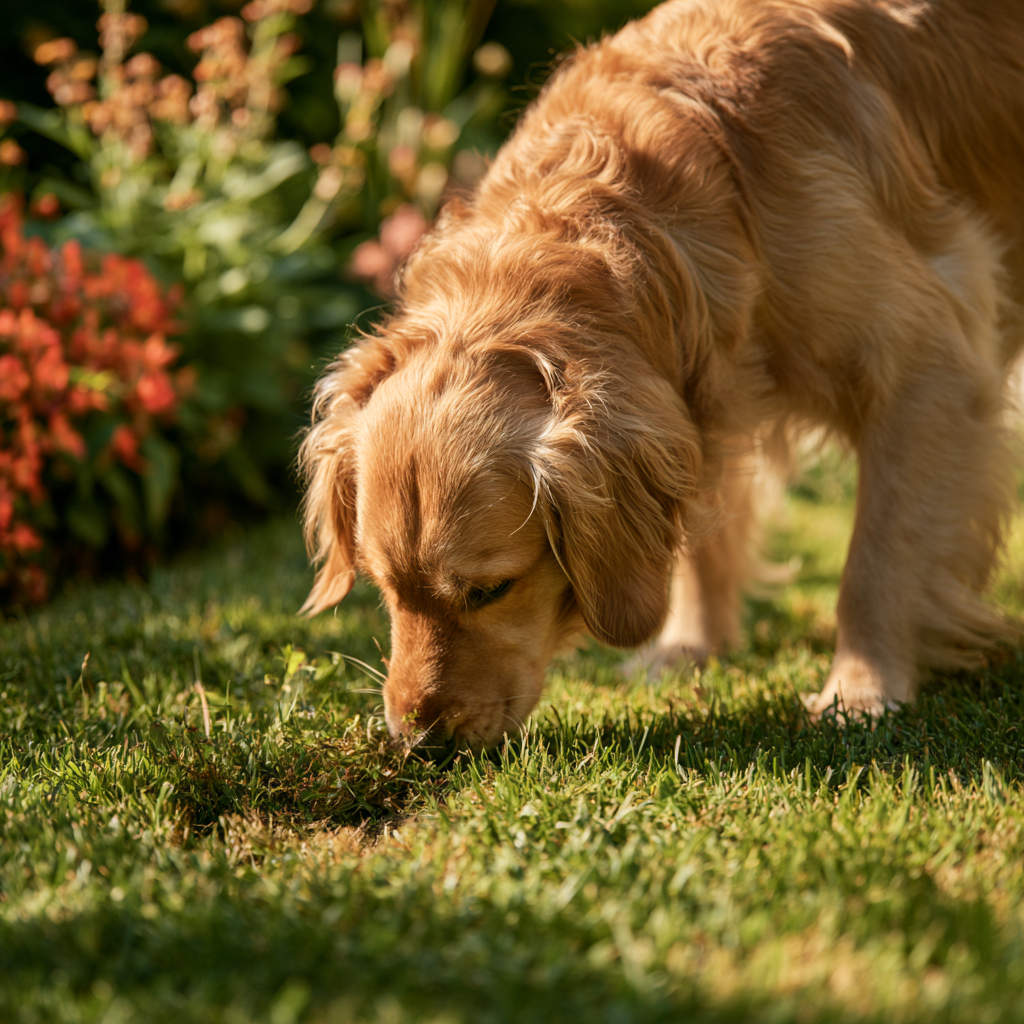
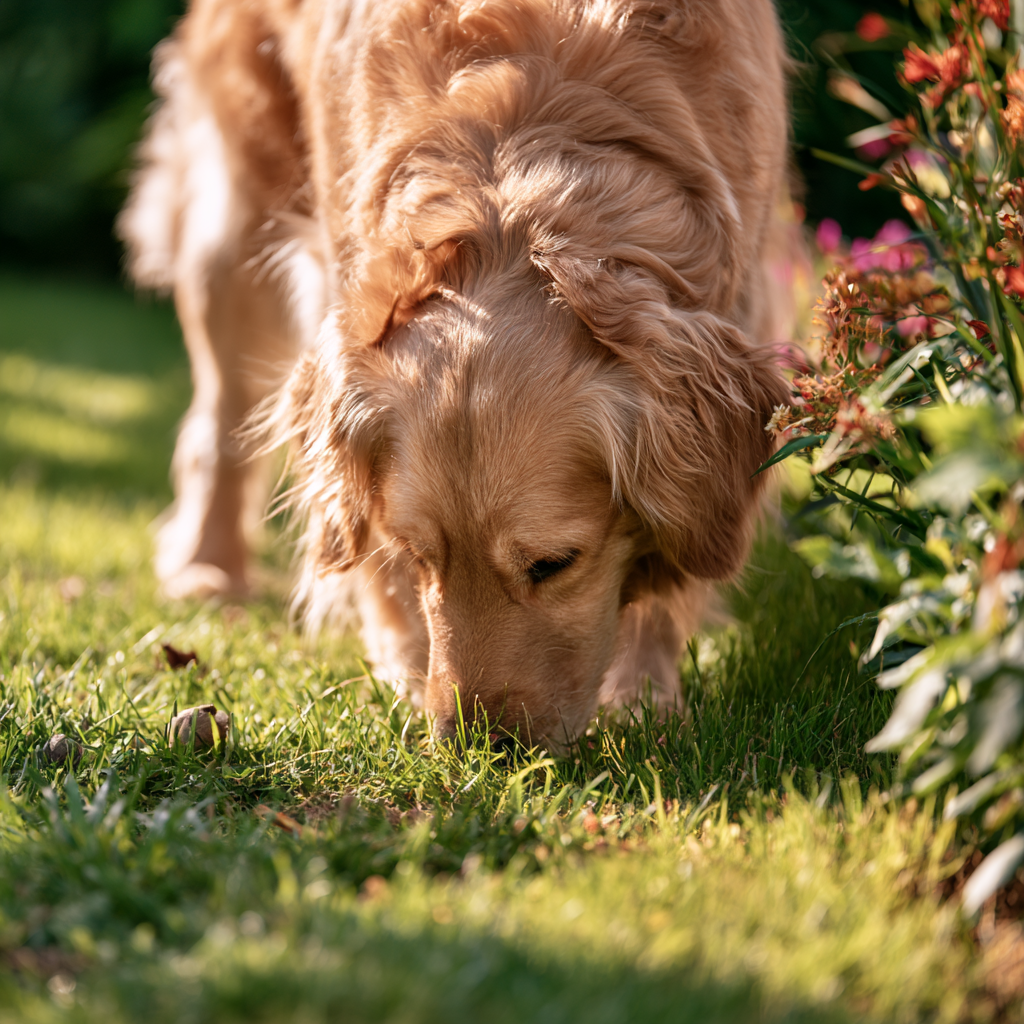
Walks provide an opportunity for dogs to explore a variety of scents as they encounter different environments and new territories. During these excursions, you may notice your dog stopping frequently to sniff objects, grass, or other areas. This behavior is not just a leisurely pastime but part of their natural instinct to explore and assess their surroundings. Each sniff offers a wealth of information about the animals that have passed by, what type of food might be nearby, or even potential dangers. Letting your dog take their time during walks to sniff can be beneficial for mental stimulation and satisfaction, which are essential for their overall well-being.
What Puppies Learn Through Sniffing
Puppies engage in extensive sniffing, which is crucial for their learning and development. By sniffing, they gain exposure to various scents that contribute to their understanding of the world. For instance, young dogs quickly learn to identify scents associated with food, other animals, and familiar humans. Sniffing during puppyhood can also enhance problem-solving skills, as they navigate their environment and find their way through challenges using scent trails. This behavior forms the foundation of their social skills and awareness, equipping them with the knowledge to navigate adult life effectively.
Situational Sniffing: What They’re Trying to Find
Identifying Unique Scents: Humans vs. Animals
Dogs have an exceptional ability to identify and differentiate between various scents, both human and animal. For example, when a dog sniffs a human, they may identify scents tied to emotions, health status, or even the food a person has recently consumed. Similarly, when dogs encounter other animals’ scents, they use this information to establish social hierarchies, identify potential mates, or ascertain if the individual is a threat. This ability is particularly notable in breeds developed for tracking or hunting, where scent perception is critical to their instinctual roles.
What a Dog’s Sniffing Tells Us About Their Environment
A dog’s sniffing can provide insights into their perception of the environment and their feelings about it. For instance, a dog that sniffs intently in a specific area may have detected an intriguing scent that captures their attention. Conversely, if a dog avoids certain areas or hurriedly sniffs and moves on, they may sense something unsettling or unfamiliar. Understanding these sniffing patterns can assist pet owners in interpreting their dog’s perceptions, which can support better guidance and reassurance in various situations.
When Sniffing is a Warning Signal
Signs of Distress in Sniffing Behavior
While sniffing is commonly a healthy and normal behavior, it can sometimes indicate distress. Observing changes in your dog’s sniffing habits is crucial. For instance, if your dog begins to sniff excessively around people or in certain situations, it may signal anxiety or fear. The following patterns may indicate distress rather than normal exploratory behavior:
- Sniffing combined with pacing or inability to sit still.
- A dog continuously sniffing without engaging with their environment or showing willingness to move forward.
- Excessive sniffing when introduced to new individuals or places, which can signify discomfort.
Understanding Anxious Sniffing
Anxious sniffing might occur when dogs feel threatened or uncertain about a situation. This can manifest in specific settings, such as crowded areas, noisy environments, or when meeting unfamiliar animals. In such cases, the dog’s body language may include stiff posture, raised hackles, or withdrawal, indicating feelings of stress. By recognizing these signs, you can gauge whether your dog is overwhelmed and needs more space or comfort in that situation.
Training Strategies for Excessive Sniffing
Positive Reinforcement Techniques
If your dog tends to engage in excessive sniffing that could lead to undesirable behaviors, positive reinforcement training can be an effective strategy. Begin by rewarding your dog when they focus on you or move past distractions without sniffing excessively. Utilize treats, praise, or toys as rewards to encourage this behavior. The goal is to condition your dog to seek your attention or guidance rather than get lost in the array of smells. Gradually increase the level of distraction as your dog becomes more responsive to these cues, allowing for a well-balanced exploration of their environment.
Creating Structure During Walks
Establishing structured routines during walks can help manage excessive sniffing. Consider implementing specific walking techniques, such as:
- Using short, focused walks that allow for controlled sniffing opportunities without causing distractions.
- Incorporating “sniff breaks,” during which you can allow your dog to explore scents in a controlled manner, rewarding them for staying within a designated area.
- Redirecting their focus when they become overly fixated on one spot or object, encouraging them to continue moving forward with gentle leash guidance.
By mixing structure and exploration, you ensure that your dog remains mentally engaged while teaching them self-control around potential distractions.
Frequently Asked Questions
What does it mean when my dog sniffs everything?
When a dog sniffs everything, it primarily means they are gathering information about their surroundings through their highly developed sense of smell. This behavior is natural and reflects their curiosity and instinct to explore.
Is it normal for dogs to sniff so much?
Yes, it is normal for dogs to sniff extensively, as it plays a crucial role in how they interact with the world. Their sense of smell is fundamental for gathering information, social communication, and environmental awareness.
How can I encourage my dog to stop sniffing?
To encourage your dog to reduce excessive sniffing, consider implementing positive reinforcement techniques and establishing structured walking routines that include designated sniffing zones and engaging activities.
Does sniffing help dogs feel relaxed?
Sniffing can help dogs feel more relaxed, especially in new or stressful environments. It allows them to take in information that can help reassure them and alleviate anxiety.
What does my dog smell when they sniff a lot?
When dogs sniff a lot, they are detecting various scents, such as pheromones from other animals, food residues, or environmental changes. Each scent carries specific information about other animals, humans, or events that have occurred in the area.