Understanding Cat Coat Patterns and Common ‘Smush Face’ Breeds
Understanding Cat Coat Patterns and Common “Smush Face” Breeds is a fascinating topic that intertwines genetics, beauty, and behavior in our feline companions. From the striking appearance of a cat’s coat to the unique structure of certain breeds, exploring these features can enhance our understanding of cat ownership and care.
Quick answer: Cat coat patterns vary widely and can influence both visual appeal and personality traits. Common ‘smush face’ breeds, including Persians and Exotic Shorthairs, are celebrated for their adorable appearance but also face unique health challenges due to their facial structure.
Understanding Cat Coat Patterns and Common ‘Smush Face’ Breeds
Overview of cat coat patterns
Cat coat patterns play a crucial role in visually distinguishing different breeds while also reflecting genetic diversity. Common patterns include solid, tabby, calico, and bicolor, each with its unique characteristics. Understanding these patterns can offer insight into a cat’s lineage and potential personality traits, although individual behavior can vary significantly.
- Solid: A single color throughout, these coats can express a wide range of hues, which might appeal more to some owners.
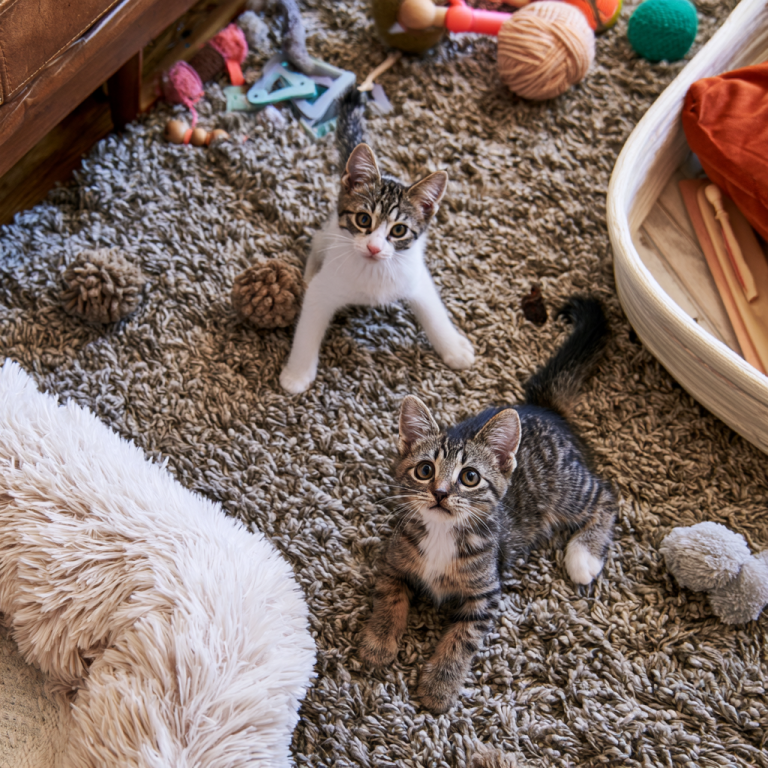
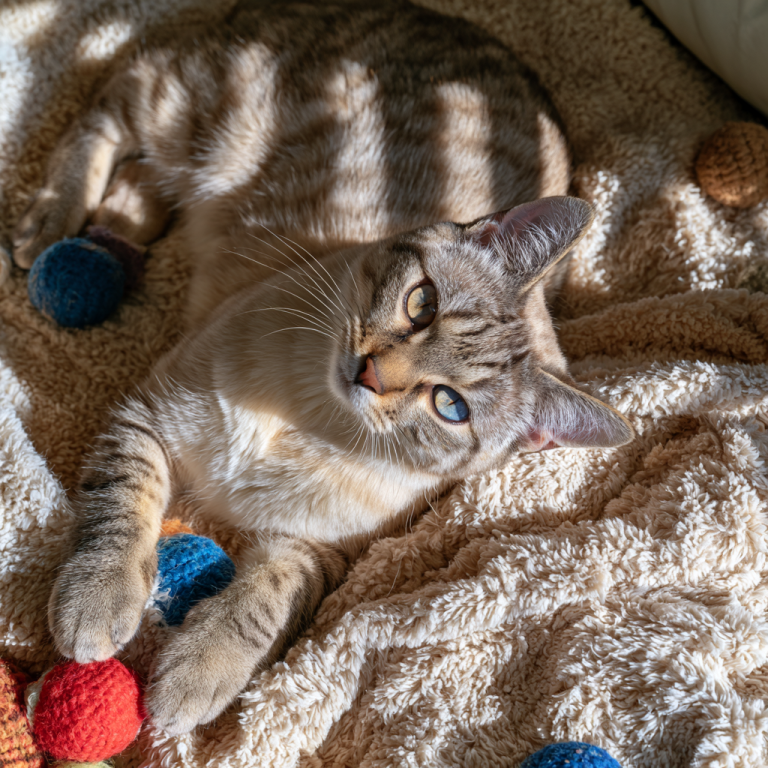
- Tabby: Commonly characterized by stripes or swirls, tabby coats come in classic, mackerel, ticked, and spotted varieties. These patterns can sometimes resonate with historical predatory behaviors.
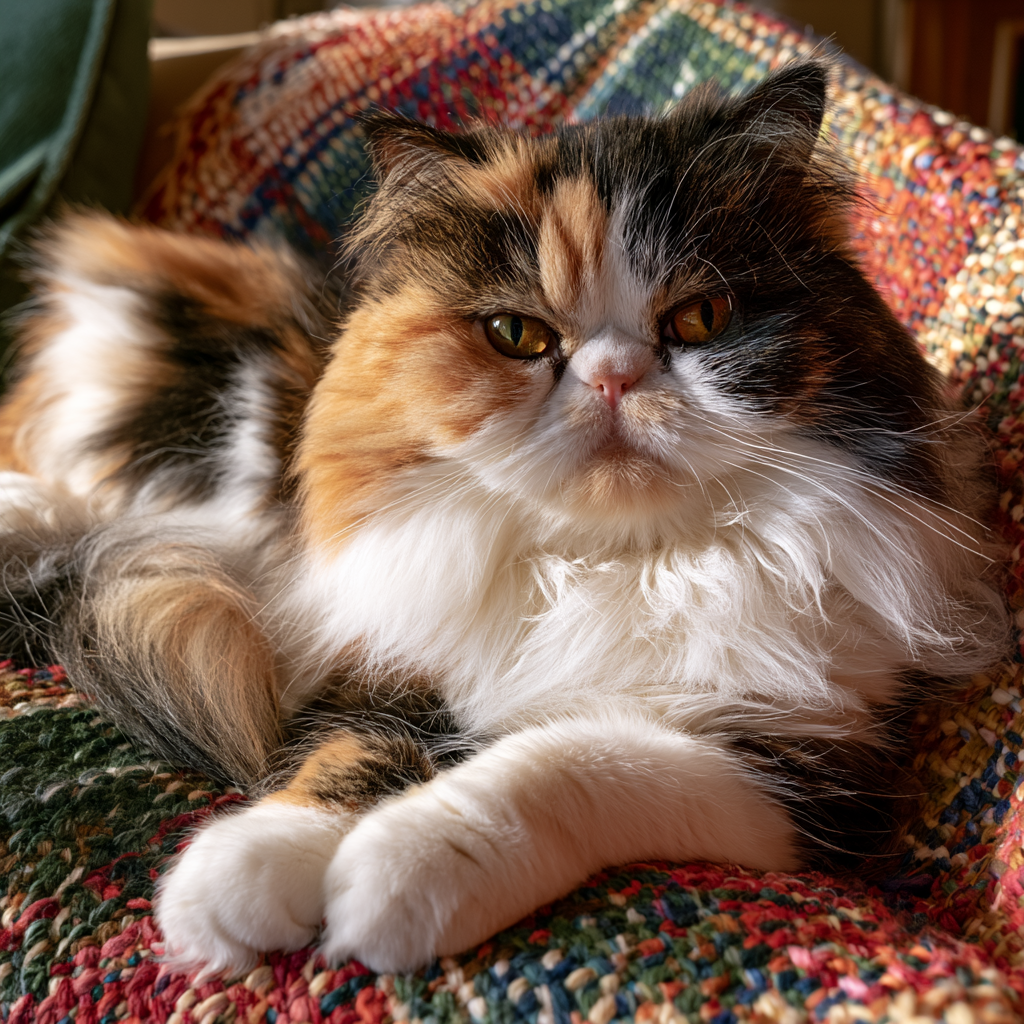
- Calico: Featuring patches of white, black, and orange (or cream), this pattern is often associated with female cats. While they are known for their unique appearance, they can also display assertive personalities.
- Bicolor: With a mix of white and another color, bicolor cats may exhibit distinct markings, evoking playful personalities.
The genetics behind these coat patterns can offer clues about inherited traits. For instance, certain colors or patterns may correlate with specific behavioral tendencies or predispositions to certain health issues. While these trends exist, they are far from universal. Individual temperament and experiences play a much more significant role in shaping behavior. Responsible breeding practices can also impact these characteristics and are essential for the welfare of the cats.
Common ‘smush face’ cat breeds
‘Smush face’ breeds refer to cats with brachycephalic traits, which are characterized by short noses and flat faces. These breeds include the Persian, Exotic Shorthair, and the British Shorthair. Each breed exhibits unique features and facial structures that contribute to their charming aesthetics but also demand careful consideration when it comes to care.
| Breed | Unique Traits | Care Needs | Health Issues |
|---|---|---|---|
| Persian | Long, luxurious fur; large, round eyes | Daily grooming; regular eye cleaning | Commonly face breathing problems, dental issues |
| Exotic Shorthair | Shorter coat; stocky and muscular build | Weekly grooming; regular ear cleaning | Similar to Persian, prone to respiratory issues |
| British Shorthair | Round face; dense, plush coat | Occasional grooming; manage weight | Potential heart issues; obesity risks |
When considering the adoption of a smush face breed, it is vital to evaluate each breed’s individual needs, including their familial lineage and past health issues. Engaging with reputable breeders committed to ethical practices can significantly reduce potential health risks and ensure a better quality of life for the cat.
Characteristics of Smush Face Breeds
Health considerations
Smush face breeds are susceptible to specific health concerns largely due to their unique anatomical features. The very conformation that makes them charming can also predispose them to various health issues, particularly related to their respiratory system. Brachycephalic obstructive airway syndrome (BOAS) is one of the most prevalent conditions, leading to difficulty breathing, especially during heat or exercise. Indicators of BOAS may include:
- Labored or noisy breathing
- Excessive snoring or snorting
- Fatigue or panting despite minimal exertion
Beyond respiratory issues, smush face breeds may experience ocular complications due to their prominent eyes, which are more prone to tear staining and injury. Regular veterinary check-ups are essential for early detection and intervention for these potential issues. Owners should also be observant, taking note of behavioral changes that may signal discomfort or health concerns.
Grooming requirements
Proper grooming is crucial for maintaining the health and well-being of smush face breeds, particularly because of their unique coats. While grooming needs may vary slightly among different breeds, routine attention is generally necessary. Here’s what to consider:
- Persians: Daily grooming helps prevent matting and controls shedding. Their long hair traps dirt and oils, so regular baths can also be beneficial.
- Exotic Shorthairs: Though their coat is shorter, they require weekly brushing to manage loose hairs and maintain skin health. Additionally, regular eye cleaning is essential to avoid tear staining.
- British Shorthairs: Occasional grooming should suffice for their dense coat. Keeping an eye on their diet is crucial because obesity can lead to various health complications.
Overall, developing a consistent grooming routine promotes not only the coat’s health but can also enhance the bond between the owner and the cat. Regular handling during grooming can help cats become more tolerant of being touched, which is particularly important for breeds that are more prone to discomfort in specific areas.
As we deepen our understanding of cat coat patterns and ‘smush face’ breeds, it becomes essential to emphasize responsible breeding practices. Ethical considerations should be a primary focus for potential owners and breeders, ensuring that the selected breeds are healthy, well-cared for, and that any inherited issues have been diligently managed or ethically bred out to prioritize animal welfare.
Frequently Asked Questions
What are common cat coat patterns?
Common cat coat patterns include tabby, solid, calico, tortoiseshell, and pointed varieties. These patterns contribute to the visual appeal and diversity of our feline companions.
Which breeds are considered ‘smush face’?
Breeds commonly known as ‘smush face’ include Persians, Exotic Shorthairs, Himalayans, British Shorthairs, and Scottish Folds. They are characterized by their short noses and broad facial structures.
How do coat colors affect cat behavior?
There is no definitive evidence that coat colors directly affect behavior; however, individual temperament and upbringing play more significant roles. Some owners may perceive differences based on the breed or coat color patterns due to hereditary traits.
What are the health issues in smush face breeds?
Smush face breeds can experience various health issues like respiratory problems, dental disease, and eye conditions. Their brachycephalic structure can create challenges that require attentive care.
How can I identify my cat’s coat type?
To identify your cat’s coat type, observe both the length and texture of their fur. Classification generally falls into short, medium, or long categories, and each type can have unique grooming requirements.
What grooming needs do smush face cats have?
Smush face cats typically require regular grooming, including daily brushing, facial cleaning, and dental care. These routines are essential for maintaining their coat health and overall well-being.
Are there different types of flat-faced cats?
Yes, flat-faced cats can be categorized into long-haired and short-haired breeds, such as Persians (long-haired) and Exotics (short-haired). Each type has specific grooming and health considerations.