The Ultimate Guide to Scottish Cat Breeds: Care, Colors, and Traits
The Ultimate Guide to Scottish Cat Breeds: Care, Colors, and Traits is your comprehensive resource for everything you need to know about these charming felines. Whether you’re a seasoned cat owner or considering adding a Scottish breed to your family, understanding their unique characteristics, care requirements, and health considerations is essential. This guide will delve into the fascinating world of Scottish cats, including their endearing qualities, coat colors, and the specific care each breed requires.
Quick answer: Scottish cat breeds encompass two primary types: the Scottish Fold and the Scottish Straight. Both breeds are known for their distinct physical features and affectionate nature. Proper care includes a balanced diet, regular veterinary check-ups, and specific grooming techniques based on coat type.
The Ultimate Guide to Scottish Cat Breeds: Care, Colors, and Traits
An Overview of Scottish Cat Breeds
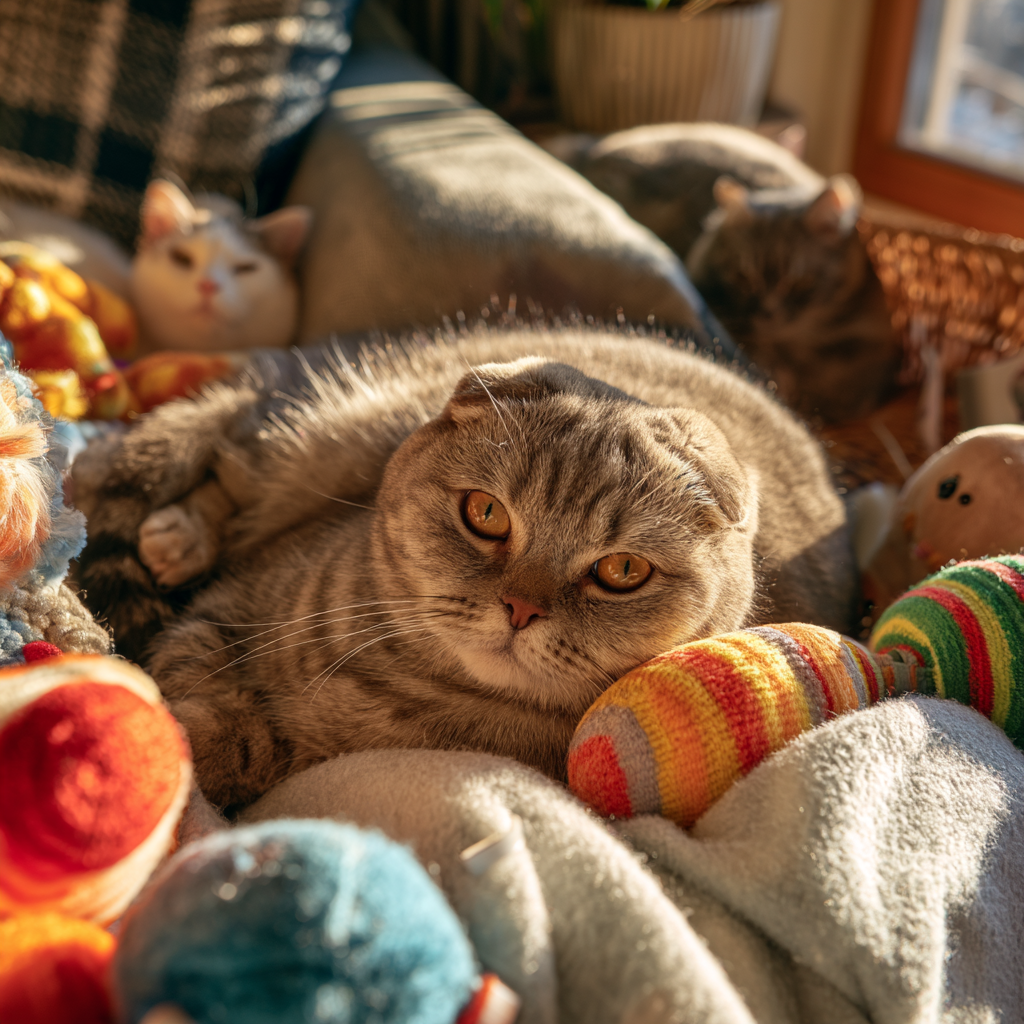
Scottish cat breeds are celebrated for their distinctive physical traits and endearing personalities. The two main types within this category are the Scottish Fold and the Scottish Straight. The Scottish Fold is notable for its unique folded ears and round face, which contribute to its overall charming appearance. Meanwhile, Scottish Straights have straight ears but share a similar overall look, with both breeds generally possessing strong bones and muscular builds.
When considering a Scottish cat, it’s essential to recognize that their temperament can vary significantly, influenced by individual experiences and upbringing rather than solely by breed traits. Socialization is key for both types; they tend to be friendly, playful, and loyal companions. Prospective owners should also understand the importance of environmental enrichment, as keeping these intelligent cats mentally stimulated can prevent behavioral issues.
Distinctive Colors and Patterns in Scottish Cats
Scottish cats come in an array of colors and patterns, which could play a role not only in their appearance but also possibly in their temperament and care requirements. Common coat colors include solid hues like black, white, blue, and cream, along with patterns such as tabby, bicolor, and pointed varieties.
The genetics behind coat color can lead to diverse patterns, and some studies suggest that cats with certain colors may exhibit slight personality traits; for example, orange cats are often described as more sociable. Additionally, grooming requirements may vary based on coat type. For instance, long-haired varieties may need more frequent grooming to prevent matting, while short-haired cats typically require less maintenance. Thus, potential owners should consider these factors in relation to their lifestyle and maintenance capability.
Understanding Scottish Cat Traits
Behavioral Traits of Scottish Folds
Scottish Folds are known for their playful and affectionate nature. They exhibit a range of behaviors that reflect their friendly disposition and inquisitiveness. One noticeable trait is their tendency to follow their owners around the house—curiosity driving them to explore various spaces while seeking interaction.
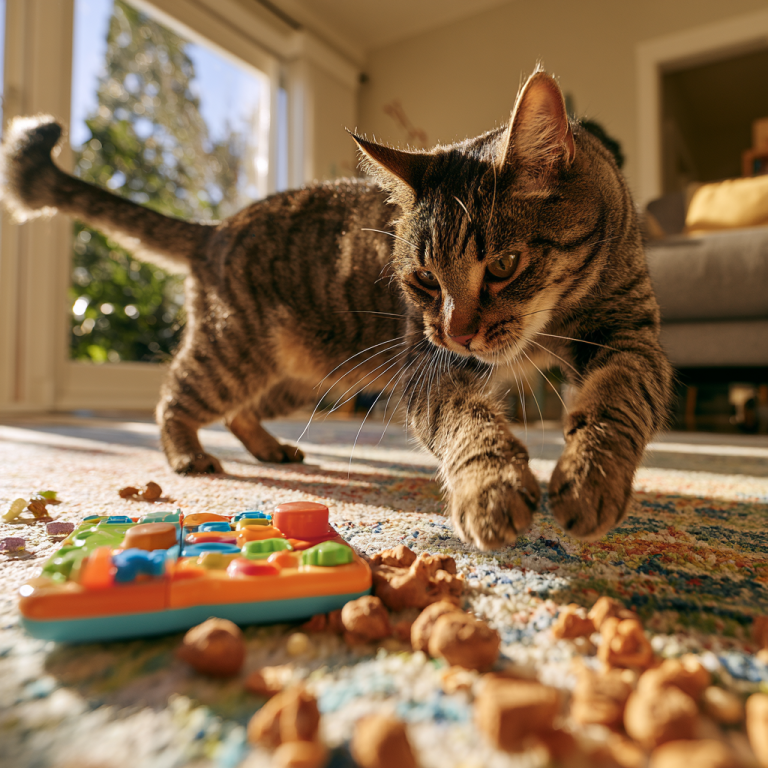
However, it’s vital to recognize that individual personality traits can vary significantly despite breed characteristics. Some Scottish Folds may be more laid-back, enjoying quiet time, while others may be highly active and need regular playtime. Tailoring activities to match their energy levels and preferences enhances their wellbeing. Typical forms of engagement include interactive toys, puzzle feeders, and gentle play sessions to keep both mind and body stimulated.
Care Needs of Scottish Straight Cats
Scottish Straight cats, while sharing many characteristics with their Fold counterparts, have distinct care needs that potential owners should understand. Their exercise requirements often mirror those of playful breeds; they benefit from regular play and exploration. Engaging them with various toys can help maintain healthy weight levels and improve overall happiness.
Nutrition is another crucial aspect of care. Owners should prioritize high-quality cat food tailored to their life stage, lifestyle, and specific dietary requirements. Consulting with a veterinarian can guide decision-making about the best food options, including whether to choose wet or dry food. It’s also essential to monitor their caloric intake, adjusting as needed to avoid obesity.
Regular socialization is fundamental for Scottish Straights as well. These cats thrive on interaction with humans and other pets. Ignoring their social needs can lead to behavioral problems, including stress-related issues. Simple steps such as inviting your cat to play or providing cozy spaces to observe family activities can nurture their need for companionship.
Health and Grooming for Scottish Cats
Common Health Issues in Scottish Breeds
Like any breed, Scottish cats can be predisposed to certain health issues. One of the most significant concerns for Scottish Folds is a genetic condition known as osteochondrodysplasia, which affects cartilage development. Although not all Scottish Folds will inherit this condition, it’s crucial to be aware of its potential impacts as these cats age. Regular check-ups with a veterinarian are recommended to monitor bone and joint health.
Scottish Straights, on the other hand, are generally seen as hardier and may experience fewer breed-specific health issues. However, they remain susceptible to common feline health concerns, such as dental disease, obesity, and urinary tract infections. Pet owners should prioritize preventive healthcare by adhering to vaccination schedules and obtaining regular tooth cleanings from their veterinarian.
Grooming Tips for Scottish Cats
Grooming plays a vital role in the overall health and well-being of Scottish cats, and the grooming routine may need to be adapted based on their coat type. Here are some tailored tips:
- Short-Haired Scottish Cats: Brush at least once a week to remove loose hair and prevent hairballs. A soft-bristle brush or rubber grooming mitt can work well for this coat type.
- Long-Haired Scottish Cats: Daily grooming is recommended to prevent matting and tangling. Use a slicker brush for detangling and a wide-toothed comb for undercoat maintenance.
- Nail Trimming: Trim nails every 2-3 weeks, paying attention to the quick to avoid bleeding. Use specialized cat nail clippers for safe trimming.
- Ear Cleaning: Check ears regularly for wax buildup or debris. Use a vet-recommended ear cleaner if needed but avoid inserting anything into the ear canal.
- Bathing: While cats generally groom themselves, an occasional bath may be necessary if they become particularly dirty or if they are prone to skin conditions. Use cat-specific shampoo and rinse thoroughly.
As with any grooming activity, always observe your cat’s reactions and adjust your approach accordingly, allowing them to guide the interaction based on their comfort level.
Frequently Asked Questions
What are the main traits of Scottish cat breeds?
Scottish cat breeds are known for their affectionate nature, playful characteristics, and distinctive physical appearance, particularly the Scottish Fold’s unique folded ears and round face. Both Scottish Folds and Scottish Straights are social cats that generally bond well with families.
How do I care for a Scottish Fold?
Caring for a Scottish Fold involves providing a well-balanced diet, regular veterinary check-ups, and ample social interaction. Playing with them using interactive toys and making time for affection will help ensure their emotional and physical health.
What colors do Scottish cats come in?
Scottish cats come in a variety of colors, including solid colors (white, black, blue), tabby patterns, and bi-color mixes. They can also exhibit colorpoint and Himalayan patterns, which add to their visual appeal.
What is the temperament of Scottish cats?
Scottish cats are known for being gentle, sociable, and engaging. They enjoy human companionship and can adapt well to various living environments, making them suitable pets for families or individuals with varying lifestyles.
Are Scottish cats prone to health issues?
Yes, Scottish cats, particularly Scottish Folds, can be prone to certain health issues such as osteochondrodysplasia, heart disease, and obesity. Regular vet visits and monitoring for any behavioral changes are essential to maintaining their health.
How often should I groom my Scottish cat?
Grooming frequency for Scottish cats depends on their coat length; short-haired cats can be brushed weekly, while long-haired cats may need more frequent grooming to prevent tangles. Regular checks of their ears, eyes, and nails are also recommended.
What is the lifespan of a Scottish Fold?
Scottish Folds typically have a lifespan of around 12 to 15 years, although some may live longer with proper care and regular veterinary attention. Factors such as health management and a balanced diet can influence their longevity.