Using Dog Cones: Tips for Post-Surgery Recovery and Healing
Using Dog Cones: Tips for Post-Surgery Recovery and Healing is a crucial topic for any pet owner facing the challenge of ensuring their dog’s comfort during recovery. After surgical procedures, dogs often need extra protection to prevent them from licking, biting, or irritating their wounds. A properly fitted cone can aid in this process, allowing wounds to heal while minimizing the chance of complications. However, the transition to wearing a cone can be stressful for some dogs, making understanding the best practices essential for easing this period of recovery.
Quick answer: Using dog cones effectively during post-surgery recovery involves understanding their purpose, introducing them gradually, and ensuring your dog is comfortable. Monitoring your pet’s behavior and exploring alternative solutions can help make this process smoother.
Using Dog Cones: Tips for Post-Surgery Recovery and Healing
Understanding the role of cones in recovery
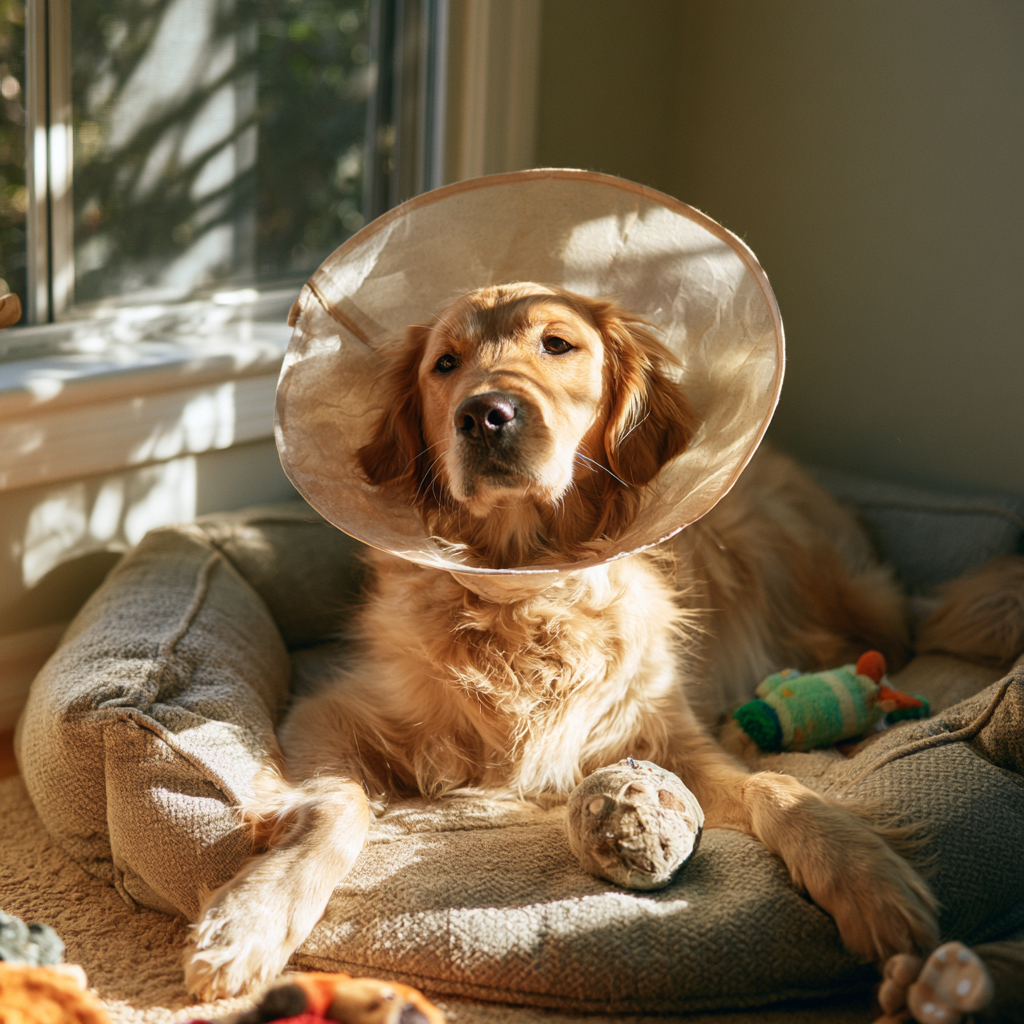
The primary function of a dog cone, often referred to as an Elizabethan collar, is to prevent pets from accessing areas that require healing. After surgery, dogs have a natural urge to lick or chew at incisions, which can lead to infections or reopening of wounds. Cones help restrict this behavior, allowing the surgical site to heal without interference. Additionally, the presence of the cone can discourage excited movements or jumps that might strain the healing area.
However, it’s crucial to recognize that not all dogs react to cones in the same way. While some may adapt quickly, others require more time to adjust. Understanding the dog’s individual temperament, anxiety levels, and specific surgery type can guide pet owners in utilizing cones effectively. Options for cones vary, including rigid plastic options, soft collars, or inflatable designs, each serving the same intended purpose but potentially impacting your dog’s behavior differently.
When to introduce the cone after surgery
Consulting your veterinarian is always a wise first step regarding cone usage post-surgery. Typically, the cone should be fitted immediately after the surgical procedure while your dog is still groggy from anesthesia. This early introduction helps establish a barrier before the dog fully regains its senses and instincts for licking or biting. However, it is essential to ensure the cone fits properly, allowing your dog to move comfortably without risk of injury or further damage to their wounds.
In some cases, if your dog appears to be in significant distress with the cone on, it may be worth considering a gradual introduction. Encouragement with gentle reassurance and short periods of wearing the cone can help with adaptation while still safeguarding the surgical area. Ultimately, adhering to your veterinarian’s guidance and observing your dog’s comfort levels will direct your decisions on when to have the cone on and off.
Adjusting Your Dog to the Cone
Introducing the cone gradually
When adapting your dog to a cone, a gradual approach often yields the best results. Start by allowing your dog to wear the cone for short intervals while engaging in a calming activity, such as resting on a cushioned bed or sitting beside you. This can help acclimatize them to the sensation of wearing the cone without overwhelming their senses.
Here are some steps to follow:
- Let your dog sniff the cone before putting it on. This familiarization can help reduce anxiety.
- Put the cone on for a few minutes while offering treats or engaging in light play to create positive associations.
- Gradually increase the duration they wear the cone, monitoring their comfort levels.
- Consistency is key; try to keep routines similar to their pre-surgery habits, which can reduce stress.
Tips for keeping your dog calm and collected
Using various techniques can help soothe your dog during their recovery with a cone. Familiar environments often provide comfort, as do certain calming stimuli. Here are some effective suggestions:
- Calming Scents: Use pheromone sprays or diffusers recommended by veterinarians, as these can promote relaxation.
- Gentle Massaging: Massaging your dog’s body, especially around their neck and shoulders, can help relieve tension while being mindful to avoid the area affected by surgery.
- Quiet Time: Creating a cozy space with blankets and favorite toys can reduce anxiety. Dim lights and soft music can further enhance their comfort.
- Distraction: Offering engaging toys, like puzzle feeders, can keep your dog mentally stimulated and distract from the cone.
Alternative Solutions to Traditional Dog Cones
Understanding soft and inflatable cone options
If your dog struggles immensely with a standard rigid cone, there are alternative types available that may provide more comfort while still keeping the wound secure. Soft cones are typically made from fabric and may offer more flexibility, allowing dogs some additional comfort as they move. Inflatable cones, resembling a neck pillow, can also be a good alternative. They create a barrier but allow for more peripheral vision and may feel less restrictive. However, it is essential to confirm that the alternative still meets the protective requirements necessary for healing.
When considering these options, evaluate their effectiveness in preventing your dog from reaching surgical areas. Consider a trial period with select alternatives, observing how your dog reacts and whether they still respect the boundaries set by each type of collar. Your vet can assist in recommending specific products based on your dog’s needs.
Evaluating fabric collars as alternatives
Fabric collars, often constructed from soft materials, are another viable alternative to traditional cones. These collars resemble regular collars but extend in a manner that prevents biting at wounds. Fabric collars may be more lightweight and comfortable but may not provide the same degree of protection as rigid or inflatable cones. It is essential to ensure that the collar fits snugly without being overly tight, as too much pressure can cause discomfort.
When evaluating fabric collars, consider the following:
- Ensure the collar is wide enough to prevent access to the surgical area.
- Look for adjustable options that can provide a customized fit.
- Monitor your dog closely to see if they manage to compromise the fabric collar in any way.
Ultimately, the choice between cone types should always consider the specific surgery and your dog’s behavior. Consulting your veterinarian can provide invaluable guidance tailored to your dog’s unique situation.
Monitoring Your Dog’s Comfort and Behavior
Signs of discomfort or stress wearing the cone
Throughout the recovery period, consistent monitoring of your dog’s behavior while wearing the cone will play a crucial role in their overall comfort and successful healing. Pay attention to the following signs that may indicate discomfort or stress:
- Anxious Behaviors: Whining, pacing, and attempts to remove the cone can signal distress.
- Change in Appetite: Refusal to eat or drink may indicate frustration or discomfort with the cone.
- Frequent pawing at the cone: This can suggest that your dog is feeling trapped or is not adjusting well.
- Lethargy: Sudden withdrawal from typical activities or play can reflect discomfort.
If you notice any of these behaviors persisting despite your soothing efforts, it may be time to reassess the cone type or consult with your veterinarian for further options and strategies.
Ensuring proper feeding and drinking
Feeding and hydration can become challenging while your dog is wearing a cone. To facilitate a seamless experience, consider the following strategies:
- Elevated Bowls: Using raised food and water dishes may allow your dog to eat and drink more comfortably without the cone getting in the way.
- Short Feeding Sessions: Offer smaller meals more frequently, reducing the time your dog must navigate the cone while consuming food.
- Slicing Food: If your dog normally eats solid food, cut it into smaller pieces to help minimize any struggle.
Always observe your dog during meal times, as this interaction can provide insights into how well they are adapting to the cone. If significant difficulties arise, consult your veterinarian to explore the best course of action for feeding during recovery.
Using Dog Cones: Tips for Post-Surgery Recovery and Healing can transform a challenging experience into a manageable one with preparation and attention. Remember to follow your vet’s guidance, adapt based on your dog’s responses, and embrace options that ensure comfort while protecting the healing process.
Frequently Asked Questions
How long should my dog wear a cone after surgery?
The duration can vary depending on the type of surgery, but generally, dogs should wear the cone until stitches are removed or a veterinarian advises otherwise. Close monitoring for signs of healing can guide you on when it’s time to remove the cone.
What are the best dog cone alternatives?
Some effective alternatives to traditional dog cones include soft cones made from padded fabric, inflatable collars that resemble a doughnut shape, and fabric collars designed as neck pillows. Each option varies in comfort and effectiveness, so consult with your veterinarian for recommendations based on your dog’s specific needs.
How can I keep my dog comfortable in a cone?
To keep your dog comfortable while wearing a cone, provide plenty of mental stimulation, establish a quiet recovery space, and maintain a consistent routine. Encouraging calm activities can help alleviate anxiety and promote a feeling of safety.
Can my dog sleep with a cone on?
Most dogs can sleep with a cone on, but it may take some adjustment. Ensure they have a comfortable sleeping area that is spacious enough to accommodate the cone without hindering their ability to rest.
What should I do if my dog refuses to wear a cone?
If your dog refuses the cone, try introducing it gradually and utilizing treats to create a positive association. If they continue to resist, consult your veterinarian to discuss alternative options that may be less stressful for them.
Are there cone collars for large dogs?
Yes, there are cone collars specifically designed for large dogs. Veterinary supply stores offer various sizes so that you can find a suitable cone that accommodates your dog’s size while still providing adequate protection.
How to clean a dog cone for hygiene?
Cleaning a dog cone can be done using mild soap and warm water, ensuring all surfaces are thoroughly scrubbed. Rinse well and allow it to air dry before placing it back on your dog to maintain hygiene during their recovery.