Why Does My Dog Bring Me Toys? Understanding Their Play Behavior
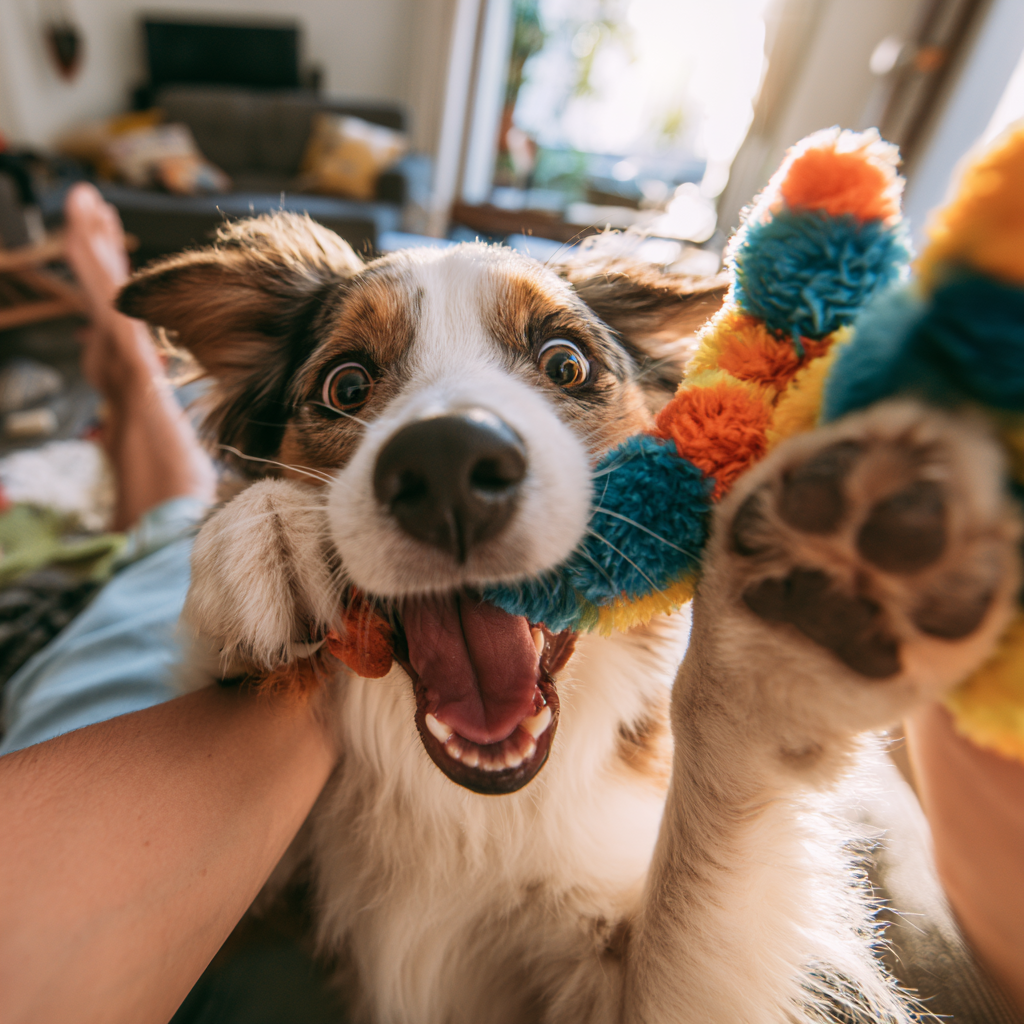
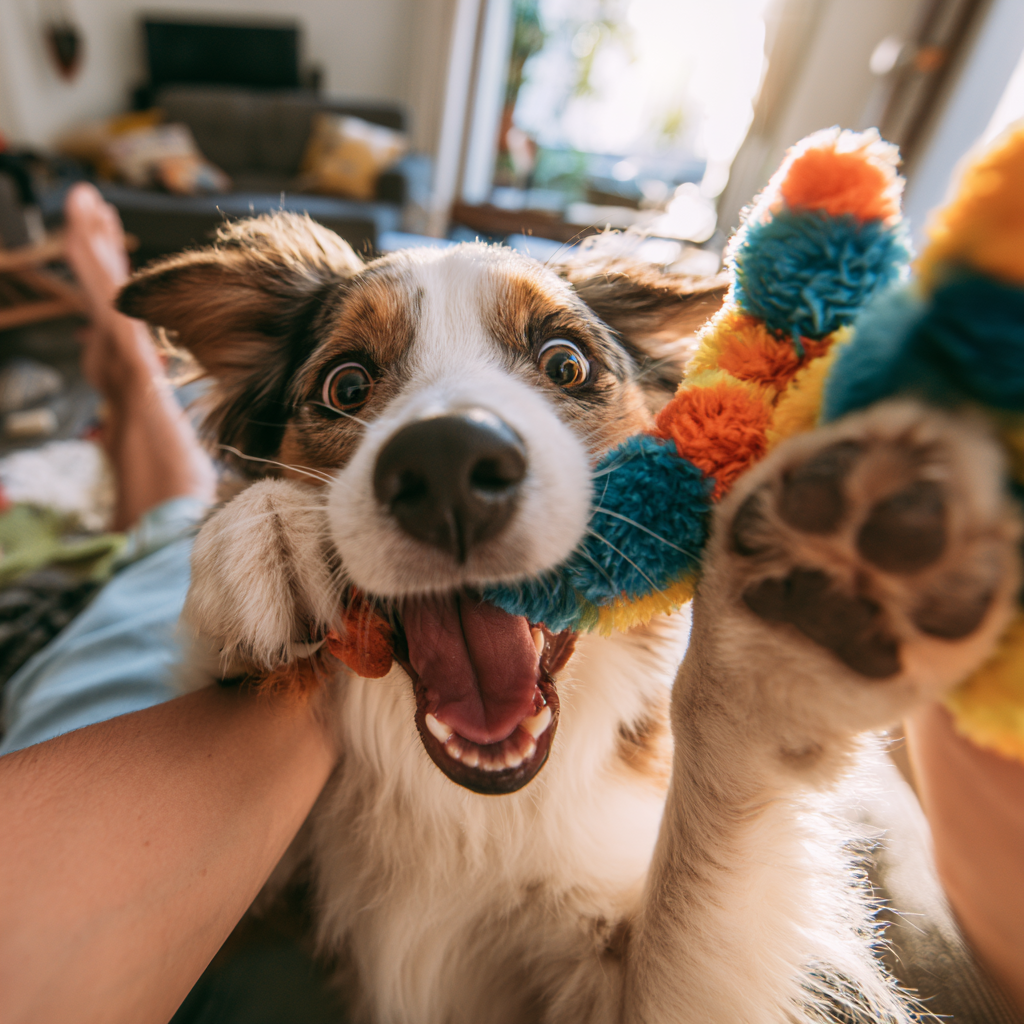
Why Does My Dog Bring Me Toys? This delightful behavior can leave many dog owners scratching their heads while simultaneously smiling at their furry friends’ antics. Understanding the motivations behind this behavior can strengthen your bond with your pet and enrich your interactions, making playtime even more enjoyable. Let’s delve into the intricacies of canine behavior to grasp why your dog might be presenting you with their favorite toys.
Quick answer: Dogs bring toys to their owners for a variety of reasons, often rooted in natural instincts, social bonding, or a desire for attention and interaction. It’s essential to understand these underlying behaviors to fully enjoy the connection with your canine companion.
Why Does My Dog Bring Me Toys? Exploring Canine Behavior
Natural instincts in dogs
Dogs have a rich history that influences their current behavior, and instinctual tendencies play a fundamental role in their actions. For instance, many breeds are genetically predisposed to specific activities, including retrieving, herding, or guarding.
Retrieving breeds, such as Labrador Retrievers or Golden Retrievers, often display a strong inclination to bring toys to their owners. This behavior can be traced back to their origins as hunting and retrieving companions. When your dog brings you a toy, it might be their instinctual way of saying, “Look what I found! Let’s play!” They may have a deep-seated urge to chase and bring items back, creating a playful interaction that aligns with their genetic heritage.
Herding breeds like Border Collies or Australian Shepherds may exhibit similar behaviors but with a twist. Instead of solely retrieving, they may present objects as a way to initiate movement or play. Engaging in manipulative behaviors, like nudging a toy toward you, can signal a desire for you to join in a game of chase or to be part of their activity.
Yet, it is critical to observe individual variations. A mixed-breed dog may exhibit retrieving behaviors but might not embody every trait associated with one specific breed. Understanding these nuances helps you appreciate your dog’s motivation to bring you their toys more deeply. Always keep an eye on how they communicate this desire and tailor your engagement accordingly.
Gifting behavior as a sign of affection
When your dog brings you a toy, it is often their way of demonstrating affection and inviting you into their world. This gifting behavior can be understood through the lens of social connection. Dogs are social animals that thrive on companionship and interaction with their owners.
However, it’s essential to consider that this behavior is not merely a straightforward display of love. Dogs may also present toys if they are feeling anxious, bored, or seeking your attention. For example, if you are busy, your dog may bring you a toy to signal that they want your interaction, not just to show affection but to alleviate their own feelings of restlessness or insecurity.
Misinterpretation of this behavior is common. While some may see a toy as a simple gift, it could indicate a need for emotional reassurance or a desire to shift focus away from stress. To avoid confusion, consider the context of your dog’s actions. Are they excited and wagging their tail, or are they presenting the toy softly, looking for comfort? Adjust your response based on these cues.
If you notice your dog frequently bringing toys in scenarios where they may feel stressed, consider introducing more structured play or a calm bonding routine to reassure them. Establishing a consistent environment can enhance your dog’s confidence and reduce their reliance on toys as stress relievers.
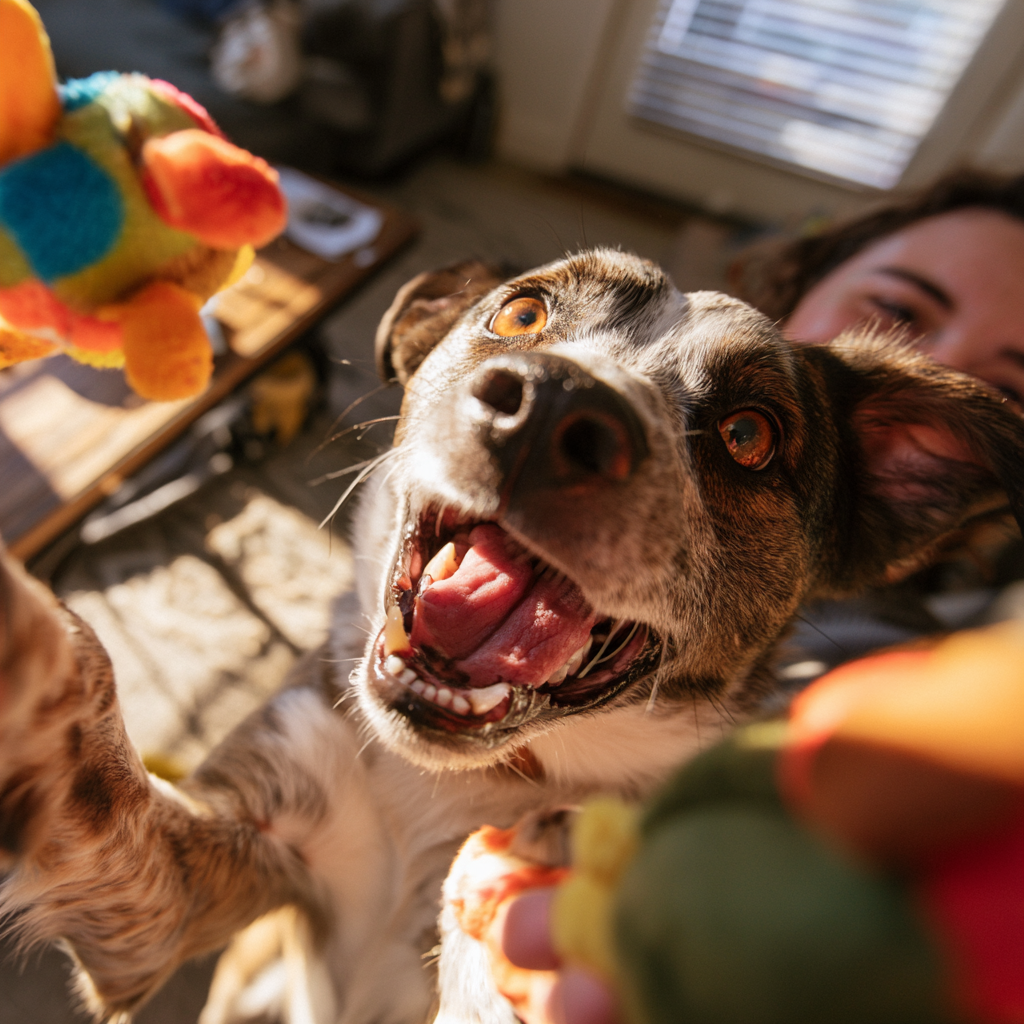
The Emotional Connection Between Dogs and Their Owners
How toys symbolize companionship
In a dog’s world, toys are more than just objects; they represent bonds and playful interactions with their humans. When your dog brings you their favorite toy, it’s often a way to signify their enjoyment of your company and create shared experiences.
The action of retrieving a toy can also reflect a desire for companionship and fun. It’s their way of inviting you to engage in a mutual activity, which fosters a deeper emotional connection between you both. This is particularly evident in breeds known for their interpersonal skills, where the connection between toy and owner is often profound.
Additionally, playtime serves as an essential role in maintaining a dog’s mental and emotional well-being. When you play together, whether it’s tug-of-war or fetch, you not only burn off energy but also build trust and collaboration. Dogs often see toys as extensions of their relationships. Your willingness to engage promotes feelings of safety and affection, reinforcing their desire to bring you toys.
Just like us, dogs have preferences, and understanding your dog’s favorite toys—whether it’s a plush squeaker or a rugged ball—can help you respond positively to their invitations. Pay attention to which toys excite them the most and consider incorporating those into your daily play routines.
Understanding your dog’s unique signals
Every dog is an individual, and each will exhibit unique signals when bringing you their toys. The enthusiasm they display, the particular way they approach you, and even the choices of toys themselves can provide clues to their feelings.
For example, a dog may drop a toy at your feet with excitement, prompting you to engage in play. Meanwhile, another dog may gently nudge you with a toy, expressing a softer need for attention or companionship. By closely observing these signals, you can better respond not only to your dog’s desire for interaction but also to their emotional states.
It is helpful to cultivate a repertoire of interactive games that match your dog’s play style. Common options include fetch, tug-of-war, or hide-and-seek. These activities cater to various communication styles while creating a sense of teamwork and fun.
Some dogs might also exhibit behaviors like whining or barking as they bring toys to you, which can signal impatience or eagerness. In these cases, recognize their excitement yet remain calm, encouraging them to express themselves while maintaining a gentler energy if they seem overly hyperactive. This helps them learn to balance their enthusiasm with patience, leading to a more fulfilling interaction.
In conclusion, understanding the myriad reasons behind why your dog brings you toys can foster a richer relationship between you and your canine companion. From instinctual behaviors to the emotional nuances of play, recognizing these aspects can help you engage with your dog more meaningfully. Paying attention to their signals and responding appropriately can lead to a happier, more connected bond. The next time your dog presents you with their favorite toy, remember the blend of instinct, affection, and companionship that motivates them to include you in their playful world.
Frequently Asked Questions
What does it mean when my dog brings me their toy?
When your dog brings you their toy, it often signifies their desire to engage with you, express affection, or invite you to play. This action can also reflect their instincts to retrieve, mirroring behaviors they developed as part of their ancestral pack dynamics.
Why do dogs like to fetch and return toys?
Dogs enjoy fetching and returning toys because it taps into their natural retrieval instincts, allowing them to mimic hunting behaviors while engaging in an interactive play experience. This activity provides mental stimulation and physical exercise, enhancing their overall well-being.
Is my dog trying to tell me something?
Yes, when your dog brings you a toy, they are often trying to communicate their desire for attention, play, or companionship. Observing their behavior and context can help you understand their specific message and how you can engage with them.
Do dogs bring toys as a sign of affection?
Absolutely! Bringing you toys can be a dog’s way of showing affection and building a bond with you. It demonstrates trust and a desire to share their belongings, which indicates a strong emotional connection.
How do I respond when my dog brings me a toy?
When your dog brings you a toy, consider responding enthusiastically to encourage the behavior. You can engage in play, offer praise, or even switch toys to keep the interaction lively. Always pay attention to their signals to create the most enjoyable experience for both of you.