What Does Your Pet Need? A Checklist for First-Time Owners
What Does Your Pet Need? A Checklist for First-Time Owners is a vital question for anyone considering welcoming a new furry family member into their home. Owning a pet can bring immense joy and companionship, but it involves careful planning and responsibility. This guide will help you prepare by equipping you with the essential knowledge and tools you need to ensure your pet thrives in its new environment.
Quick answer: First-time pet owners should gather essential supplies such as food, water bowls, grooming tools, bedding, and provide a safe environment. Understanding nutrition, routine health care, and the importance of training and socialization are equally critical in ensuring your pet’s well-being.
Essential Supplies for First-Time Pet Owners
Food and Water Supplies
One of the primary responsibilities of pet ownership is providing nutritious food and fresh water. Always select high-quality food tailored to your pet’s species, age, and specific dietary needs.
When shopping for pet food, look for the following:
- Species-Specific Formulas: Ensure the food is meant for either dogs, cats, or other animals you may have.
- Age Appropriateness: Puppies and kittens require different nutritional profiles compared to adult and senior pets.
- Ingredient Quality: Look for whole protein sources as the primary ingredients, avoiding fillers like corn or wheat.
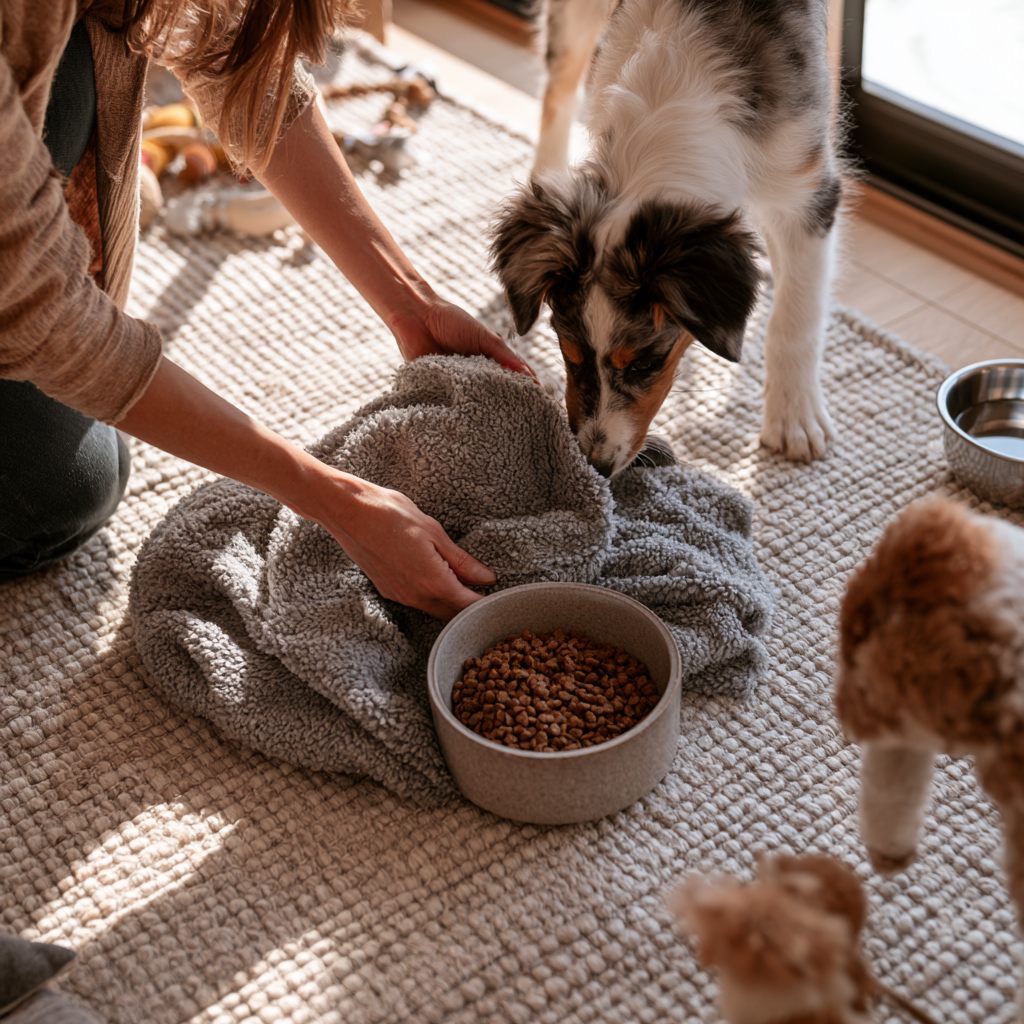
Investing in appropriate bowls can also enhance feeding experiences. Choose stainless steel or ceramic bowls for durability and easy cleaning, ensuring they are the right size based on your pet’s breed.
Grooming Tools
Grooming is essential for maintaining your pet’s health and comfort. Different pets have varying grooming needs based on their coat type and size. Essential grooming tools include:
- Brushes and Combs: Use appropriate brushes—slicker brushes for long-haired pets and bristle brushes for short-haired ones.
- Nail Clippers: Regular nail trimming prevents overgrowth and discomfort.
- Shampoo: Select pet-specific shampoo free of harsh chemicals.
Having these tools on hand not only keeps your pet looking good but can also help identify skin issues or parasites early on.
Bedding and Space
Creating a comfortable living space is vital for your new pet. Select a designated area for your pet’s bed, ensuring it’s in a quiet, safe spot away from high traffic.
Key components for bedding include:
- Pet Beds: Choose beds that fit your pet’s size and sleeping style, with washable covers for hygiene.
- Safe Space: Allocate a crate or small room where your pet can retreat to feel secure.
A safe and nurturing environment is essential for your pet’s stability as it adjusts to its new home.
What Does Your Pet Need? A Checklist for First-Time Owners
Creating a Safe Environment
Safety is crucial to successful pet ownership. Remove potential hazards from your home, including:
- Toxic Houseplants: Be aware of common toxic plants, such as lilies, azaleas, and philodendrons, which can harm pets if ingested.
- Household Chemicals: Store cleaning supplies, antifreeze, and other hazardous materials securely and out of reach.
- Electrical Cords: Use cord covers or tape to keep cords out of curious mouths.
Regularly check your home for new hazards and initiate the necessary changes to keep your pet safe.
Understanding Nutrition Needs
Proper nutrition for your pet is foundational to its health. Familiarize yourself with how to read pet food labels effectively. Start by understanding the key sections:
- Ingredients List: Ingredients are listed by weight. The first five items usually represent the main ingredients in your pet’s food.
- Nutritional Adequacy Statement: It indicates whether the food meets established standards for your pet’s life stage.
- Feeding Guidelines: These provide a general outline of how much food to give based on your pet’s weight and activity level.
Investing the time to understand pet nutrition labels will help guide your purchasing decisions and promote a healthy diet.
Routine Health Care Basics
Regular veterinary care is imperative for the long-term health of your pet. Consider the following components of routine health care:
- Vaccinations: Consult with your veterinarian about necessary vaccinations and their schedules.
- Parasite Control: Discuss prevention options for fleas, ticks, and heartworms with your vet.
- Regular Check-ups: Schedule annual exams to monitor your pet’s health and keep vaccinations up to date.
When selecting a veterinarian, consider factors such as location, services offered, and reviews from other pet owners for an informed decision.
Importance of Training and Socialization
Training your pet aids in developing a strong bond and ensures a harmonious household. Basic training can involve commands like sit, stay, and come, which contribute significantly to your pet’s obedience and safety. In addition, socialization is critical to help your pet adapt well to various experiences, people, and other animals.
Here are some tips for effective training and socialization:
- Start early: Begin training and socialization as soon as possible, especially with puppies and kittens.
- Use positive reinforcement: Reward good behavior with treats, praise, or playtime rather than punishment.
- Expose your pet to various environments: Gradually introduce your pet to new situations, including different sounds, surfaces, and social interactions.
By investing time in training and socialization, you can foster a well-adjusted, more confident pet, ready to embark on all sorts of adventures with you.
When considering What Does Your Pet Need? A Checklist for First-Time Owners, gathering the right supplies, ensuring a safe environment, and understanding health and nutrition are all essential. With preparation and informed care, you can provide a loving and healthy home for your new companion.
Frequently Asked Questions
What supplies do I need for a new pet?
For a new pet, essential supplies include food and water bowls, species-appropriate food, grooming tools, bedding, and toys. You may also need pet-safe cleaning supplies to help maintain a clean environment.
How do I create a safe space for my pet?
Creating a safe space involves removing potential hazards, securing loose items, and setting up a comfortable area where your pet can retreat. Ensure the space is free from dangerous objects and provides access to food, water, and bedding.
What is the best diet for my new pet?
The best diet varies between species and individual needs, so consult your veterinarian for tailored nutrition advice. Reading labels for high-quality ingredients and monitoring portion sizes based on age, activity, and weight is also crucial.
How often should I take my pet to the vet?
Generally, pets should visit the veterinarian at least once a year for wellness check-ups, vaccinations, and preventive care. Depending on your pet’s age, breed, and health status, more frequent visits may be necessary.
What toys are best for new pets?
Ideal toys depend on your pet’s species and preferences, but generally, interactive toys, chew toys, and mentally stimulating puzzles are beneficial. Observe your pet’s preferences to find toys that engage and entertain them.