The Easiest Pets to Take Care of for Beginners and Families
The Easiest Pets to Take Care of for Beginners and Families is a topic that resonates with many individuals looking to enhance their home life through the joy of pet ownership. People often seek animals that won’t overwhelm them with demands or stress. When considering which furry, scaly, or feathered companion to introduce to a household, it’s essential to weigh the time, cost, and maintenance involved. This article explores various pet options tailored for families and new owners, shedding light on the unique advantages of choosing easy-to-care-for pets.
Quick answer: The easiest pets to take care of for beginners and families include small dog breeds such as beagles and pugs, friendly cats, and fish like bettas or goldfish. These animals are relatively low-maintenance, providing companionship without significantly compromising time, effort, or finances.
The Easiest Pets to Take Care of for Beginners and Families
Introduction to Easy Pets
When embarking on the journey of pet ownership, beginners often look for animals that require less intensive care yet still provide warmth and companionship. Easy pets can include small dog breeds, cats, and even fish. Such pets tend to exhibit manageable needs compared to larger, more demanding animals, making them suitable for busy families where time and resources might be limited.
Choosing an easy pet doesn’t mean sacrificing the joy and fulfillment of pet ownership. These animals can be just as affectionate and playful as their more demanding counterparts. Starting off with a pet that fits into a family’s lifestyle helps to create a positive experience with less stress and frustration.
Why Choose Low-Maintenance Pets
Low-maintenance pets allow new owners to acclimate to the responsibilities of pet care without becoming overwhelmed. These animals typically need less social interaction, exercise, and grooming compared to higher-maintenance pets. For families with young children or busy schedules, low-maintenance animals often present a practical solution while still providing the love and loyalty that pets offer.
Furthermore, selecting a pet that requires minimal upkeep supports the well-being of the animal, as it can thrive in an environment where its needs are met without the owner feeling burdened. By keeping care requirements simple, families can focus on forming bonds with their pets, engaging in fun activities, and providing enriching interactions that enhance both their lives and those of their furry friends.
Ideal Pets for Families
Small Breeds of Dogs
Small dog breeds can be ideal companions for beginners and families. Breeds like the French Bulldog, Cavalier King Charles Spaniel, and Pug are known for their friendly nature and adaptability, making them suitable for various living situations. While small dogs generally require less exercise than larger dogs, they still need daily walks and playtime to stay mentally and physically stimulated.
Here are some considerations for specific small breeds:
- French Bulldog: Minimal grooming and short exercise needs, suitable for apartment living.
- Cavalier King Charles Spaniel: Requires moderate grooming due to its longer hair, but is playful and good-natured.
- Pug: Very affectionate with easy grooming; however, they can be prone to certain health issues like breathing problems.
Understanding the individual care requirements of these breeds helps ensure a happy and healthy companionship. Always consider temperament and energy levels, as even small dogs can have lively personalities that need attention and activity.
Cats: The Perfect Companions
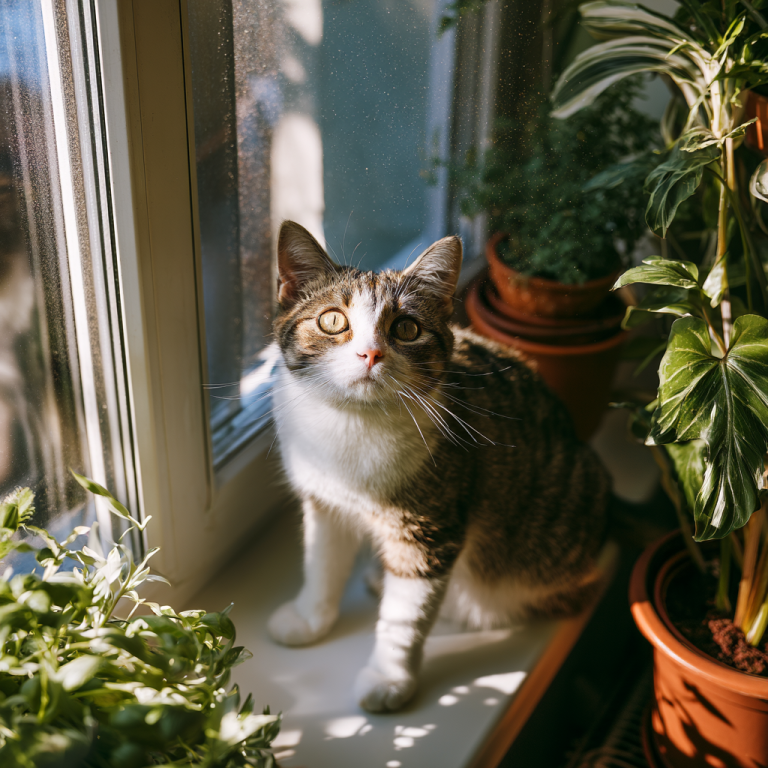
Cats are often regarded as low-maintenance pets that can fit seamlessly into family lifestyles. They are generally independent animals, capable of entertaining themselves for periods, which can accommodate busy schedules. Cats require less daily attention than dogs, allowing families the flexibility to engage in various activities without feeling guilty about neglecting their pet.
Moreover, cats are often litter trained from an early age, simplifying the overall care process. While they may benefit from interactive play and affection, they can also happily curl up in a sunny spot for hours, making them adorable companions without demanding constant care. Regular veterinary check-ups and a consistent feeding routine are still necessary, but overall care tends to be straightforward.
Fish: Minimal Care and Space Requirements
For families looking for pets that require very little interaction, fish can be a remarkable option. Betta fish, guppies, and goldfish are among the easiest fish to care for and often do well in smaller aquariums or bowls. Setting up a fish tank requires an initial investment in equipment such as a filter, heater, and water conditioner. Regular maintenance includes changing the water and cleaning the tank, which typically is manageable once a routine is established.
Here are some key points regarding fish care:
- Tank Size: Smaller tanks require more frequent water changes than larger tanks, making it crucial to select an appropriate size that balances ease and the well-being of the fish.
- Water Quality: Regular monitoring of water parameters like pH and ammonia levels is vital to ensure a safe environment.
- Feeding: Fish typically only require feeding once or twice a day, which can be a minimal commitment for busy families.
Fish can provide a calming visual experience and are a great option for families wanting a pet without direct engagement.
Benefits of Choosing Easy Pets
Time-Saving Advantages
One of the most significant benefits of selecting easy pets is the time-saving aspect. Pets that require minimal grooming and regular care allow families to dedicate time to work, school, and other responsibilities while still enjoying the companionship of an animal. This is particularly important for first-time pet owners who may still be learning the ropes of responsible pet ownership.
Easy pets often require brief daily routines rather than long stretches of time for walks or play. For instance, fish and cats can thrive on shorter attention spans, making them suitable for families with hectic schedules. This allows for a healthy balance between caring for pets and managing other aspects of life, ensuring that pet ownership remains enjoyable rather than burdensome.
Cost Considerations
Cost is another critical factor when choosing a pet. Low-maintenance pets typically incur lower expenses in areas such as food, grooming, and veterinary care. For example, cats and fish often require fewer visits to the vet than dogs, particularly large or high-energy breeds that may need more frequent exposure to health care professionals.
In terms of food, smaller dog breeds and cats generally consume less than larger dogs, contributing to overall long-term savings. Additionally, fish tanks, once set up, can be relatively inexpensive to maintain, although upfront costs may be higher depending on the complexity of the aquarium set-up.
Child-Friendly Options
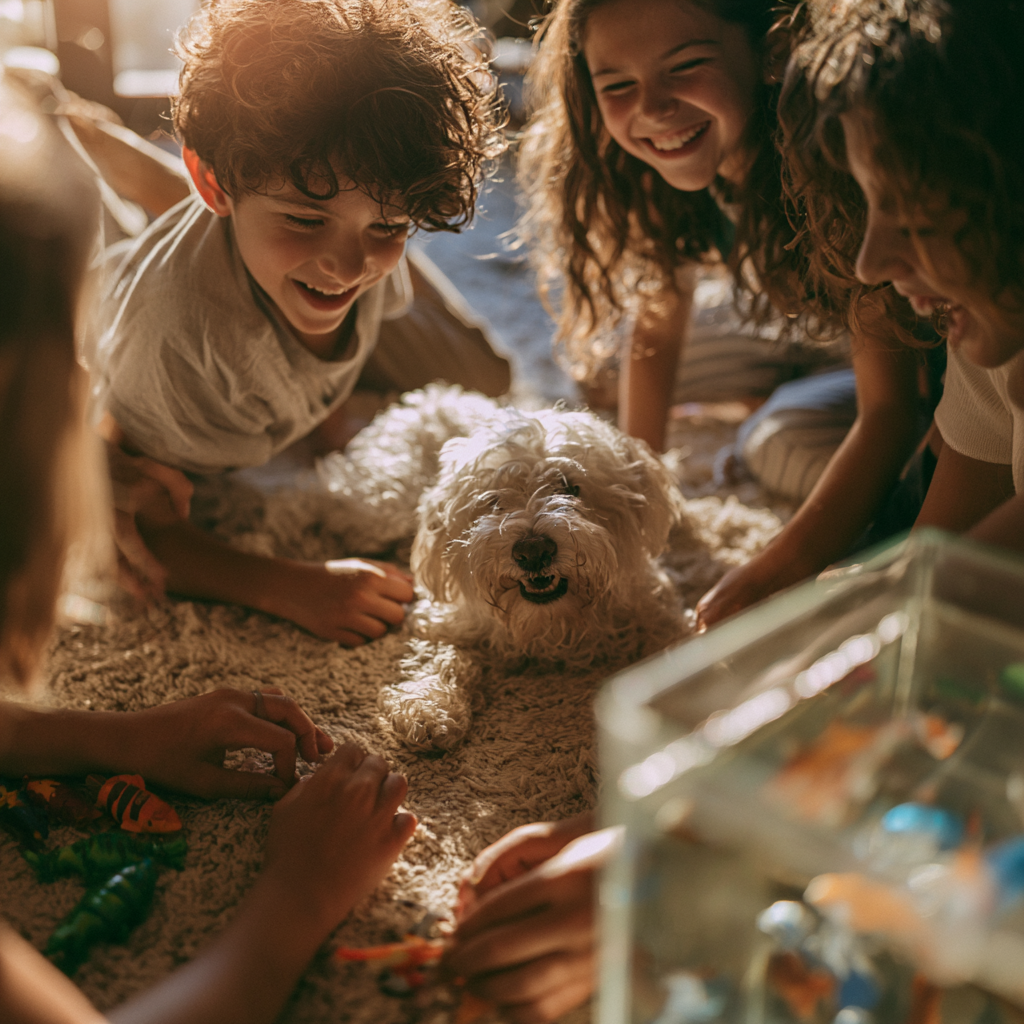
Easy pets are often the best choice for families with children. Small dog breeds, cats, and fish can create a harmonious environment where children learn about responsibility and empathy without being overwhelmed. Dogs and cats provide opportunities for children to engage in external play and bonding, while fish can teach basic biology and care skills.
Training small dog breeds can be especially rewarding; children often enjoy participating in obedience training exercises, building a sense of accomplishment and strengthening their bond with the pet. Parents can facilitate supervised interactions between kids and pets to foster an understanding of kindness and respect for animals from an early age.
Comparative Care Requirements
Comparing Dogs, Cats, and Other Pets
| Pet Type | Care Requirements | Time Commitment |
|---|---|---|
| Small Dog Breeds | Moderate (daily walks, playtime) | 1-2 hours daily |
| Cats | Low (litter box maintenance, feeding) | 30 minutes–1 hour daily |
| Fish | Minimal (tank maintenance, feeding) | 15-30 minutes weekly |
This table outlines the caregiving demands associated with different pets, helping prospective owners make informed decisions based on time availability and lifestyle preferences.
Understanding the Grooming Needs of Different Animals
Grooming needs can vary significantly among different types of pets. Cats, for instance, are naturally inclined to groom themselves, often requiring minimal human assistance unless they shed heavily, in which case they may need brushing several times a week. In contrast, small dog breeds like the Yorkshire Terrier or Maltese may need more frequent grooming due to their long coats, requiring regular brushing and occasional professional grooming.
Fish tanks also require routine cleaning and water conditioning; however, once established, a well-maintained aquarium minimizes the time needed for upkeep. Understanding these grooming requirements allows owners to prepare for their chosen pets’ specific needs, contributing to a better pet ownership experience.
Addressing Common Concerns with Easy Pets
Dealing with Allergies
Allergies are a common concern when selecting pets, particularly for families with sensitivities. Some dog breeds, such as Poodles and Bichon Frises, are considered hypoallergenic and may be more suitable for families worried about allergic reactions. Choosing low-shedding pets can help alleviate allergy symptoms by reducing the amount of dander and fur in the home.
Creating a pet-free zone in the home can also be beneficial, allowing family members with allergies to have a safe space. Regular cleaning, including vacuuming and dusting, can further minimize allergen concerns. Consulting with a veterinarian about specific breeds or pet types can also provide valuable insights into suitable options for allergy-prone households.
Pet Temperament and Family Dynamics
Understanding the temperament of various pets is essential for managing family dynamics. It’s important to select animals that are not only low-maintenance but also adaptable to the household environment. Small dog breeds, for example, can vary in temperament. For instance, a Beagle may exhibit high energy levels while a Shih Tzu can be more laid-back. Similarly, while cats generally maintain independent temperaments, some breeds like Ragdolls tend to be more social and friendly, making them excellent for family interaction.
Encouraging positive interactions between pets and family members is crucial. Supervised playtime helps prevent feelings of anxiety or stress in animals, fostering a safe environment for children and pets alike. The goal is a harmonious coexistence that includes everyone in the family while still prioritizing the animal’s comfort and needs.
Frequently Asked Questions
What are the best pets for beginners?
The best pets for beginners often include small dog breeds, cats, and fish. These animals typically require less maintenance, making them suitable choices for new pet owners.
How much time do easy pets require?
Easy pets generally require less time than larger or more demanding animals. Small dogs might need around 30 minutes of exercise each day, while cats and fish can adapt well with minimal interaction and care.
What pets are safe for children?
Small dog breeds and friendly cats are often seen as safe for children, offering companionship and affection. Fish and small rodents can also be suitable, providing low-maintenance options that teach children about responsibility.
Can pets be left alone during the day?
Many easy pets, such as cats and fish, can be left alone for extended periods, making them ideal for busy owners. However, it’s essential to ensure they have sufficient food, water, and safe environments.
What are low-maintenance pets?
Low-maintenance pets are animals that require less daily care and attention, such as small dog breeds, cats, and fish. These pets adapt well to varying schedules and typically have fewer grooming and exercise demands.
Which pets are best for small living spaces?
Fish, small dog breeds, and cats are often the best pets for small living spaces. These animals require less room to thrive and can comfortably coexist in apartments or smaller homes.