Setting Up Your First Aquarium: Essential Fish Supplies for Beginners
Setting Up Your First Aquarium: Essential Fish Supplies for Beginners is an exciting venture that can bring joy and tranquility to your home. With the right supplies and knowledge, you can create a beautiful underwater world that showcases vibrant fish and lush plants. However, embarking on this journey requires more than just enthusiasm; having a clear understanding of the essential supplies, fish selections, and maintenance routines is crucial for success.
Quick answer: To set up your first aquarium effectively, you will need specific equipment like a tank, filter, heater, and decorations, as well as a reliable water quality test kit. Choose beginner-friendly fish species that are compatible with each other, and follow a structured maintenance routine to keep your aquarium healthy.
Essential Fish Supplies for Beginners
Aquarium Equipment
The foundation of your aquarium lies in the equipment you choose. To start, consider these essential items:
- Aquarium Tank: A 20-gallon tank is a common choice for beginners, providing ample space while remaining manageable.
- Filter: A quality filter helps maintain water clarity and removes harmful substances. Brands like Aqueon and Marineland are well-regarded for their reliability.
- Heater: If you’re keeping tropical fish, a heater is essential. Look for adjustable heaters like those from Fluval or Marina.
- Lighting: Appropriate lighting varies depending on whether you have live plants. LED lights are energy-efficient and ideal for general use.
- Substrate: The right substrate fosters a healthy environment. For beginners, gravel or sand is often preferred, depending on the fish and plants.
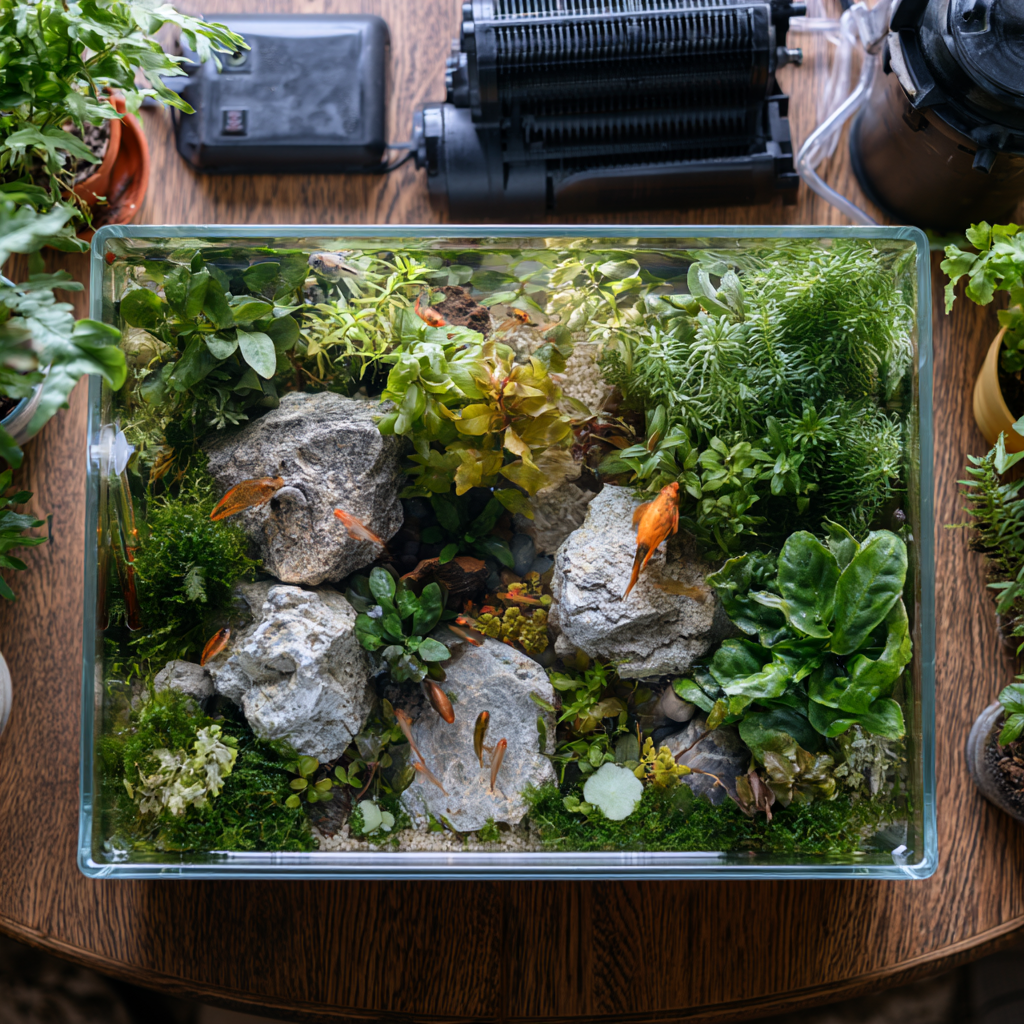
- Decorations and Plants: Items like caves, rocks, and live or artificial plants provide hiding spots and stimulation for fish.
Each component serves a role in creating a balanced ecosystem, so invest in quality products, even if it means spending a little more upfront.
Water Quality Test Kits
Monitoring water quality is crucial for maintaining a healthy aquarium environment. A reliable water quality test kit will help you keep an eye on important parameters:
- pH Levels: Maintain a stable pH level between 6.5 and 7.5 for most freshwater fish.
- Ammonia and Nitrite: These should ideally be at zero. Regular testing helps you catch any dangerous spikes early.
- Nitrate: Lower levels of nitrate are better, typically under 20 ppm for healthy habitats.
Consider user-friendly test kits from brands like API or Tetra that provide easy-to-read results. Testing the water regularly—ideally once a week—will help you stay on top of your aquarium’s health.
Choosing the Right Fish
Best Beginner Fish Species
Selecting the right fish is critical for beginners to ensure compatibility and a sustainable environment. Here are some excellent choices:
- Betta Fish: Colorful and visually striking, bettas are territorial but can thrive in community tanks with properly selected companions.
- Neon Tetras: Small and peaceful, these fish do well in schools of at least six and add lively movement.
- Zebra Danios: Hardy and adaptable, they can withstand variations in water quality, making them great for beginners.
- Guppies: Known for their vibrant colors, guppies breed easily but can overpopulate, so keep their numbers in check.
- Platies: These are not only attractive but also very sociable, integrating well into a community aquarium.
When selecting fish, consider their specific care requirements, such as water temperature, feeding habits, and social behavior.
Compatibility and Number of Fish
Understanding fish compatibility is crucial to avoid aggression and stress among tank inhabitants. Here are some practical examples:
| Fish Species | Compatibility |
|---|---|
| Betta Fish | Avoid with other males or fin-nippers; safe with small, non-aggressive species. |
| Neon Tetras | Compatible with guppies, platies, and other small fish; avoid larger, aggressive species. |
| Zebra Danios | Great with most community fish; can be territorial with their own species if overcrowded. |
| Guppies | Safe with peaceful fish; watch for overpopulation due to their breeding. |
| Platies | Compatible with almost all community fish; ensure they have companions. |
A common rule of thumb is to start with one inch of fish per gallon of water. Therefore, if you have a 20-gallon tank, you could safely house around 20 inches of fish, keeping in mind their adult sizes.
Setting Up Your First Aquarium: Essential Fish Supplies for Beginners
Steps to Prepare the Aquarium
Setting up your aquarium requires careful planning and execution. Follow these steps to prepare your tank:
- Start with a clean tank. Rinse it with warm water, avoiding soap or potentially harmful cleaners.
- Add the substrate—1 to 2 inches for fish, most are comfortable with this depth for burrowing.
- Install the heater and filter according to manufacturer instructions, ensuring all cables are tucked away for safety.
- Arrange decorations and plants. Provide hiding spots and open swimming areas for a balanced layout.
- Fill the tank with dechlorinated water, allowing it to submerge the substrate and decorations completely.
- Turn on the filter and heater. Set the heater to the temperature appropriate for your selected fish.
- Let the aquarium cycle for a minimum of 4-6 weeks before introducing fish to establish a healthy environment.
During the cycling phase, beneficial bacteria will develop to convert harmful ammonia into less toxic substances. This is a crucial part of making your aquarium fish-ready.
Making Your Aquarium Fish-Ready
Before introducing any fish, ensure your aquarium is properly cycled and ready. Here’s how:
- Test the water parameters regularly—ammonia and nitrite should be at zero, and nitrate should be low.
- Add a few fish at the start rather than introducing all at once. Monitor their health and behavior closely.
- Feed your fish lightly to avoid nutrient overload, which can cause spikes in ammonia levels.
- Observe your fish for signs of stress, such as rapid gill movement or hiding. Adjust conditions as needed.
Proper preparation plays a vital role in helping your new fish acclimate successfully to their environment, minimizing stress and health issues.
Aquarium Maintenance Tips for Beginners
Routine Maintenance Tasks
- Daily: Check on fish behavior and food residues. Remove leftovers to prevent water quality decline.
- Weekly: Test water parameters and do a partial water change (10-15%) to maintain quality.
- Bi-Weekly: Inspect the filter and clean any debris or buildup without disrupting the beneficial bacteria.
- Monthly: Clean the tank walls and any algae buildup carefully without harming the fish.
Consistency in these tasks will help maintain a balanced ecosystem and ensure your fish remain healthy.
Common Mistakes to Avoid
New aquarium owners often fall into some common traps. Being aware of these pitfalls can save you time and stress:
- Overstocking: Adding too many fish too quickly can cause spikes in ammonia and stress among fish. Always follow stocking guidelines.
- Neglecting Water Quality: Failing to regularly test water parameters can lead to unseen health issues in your fish.
- Poor Feeding Practices: Overfeeding can not only harm your fish’s health but also degrade water quality. Use appropriate amounts.
- Skipping the Cycling Process: Introducing fish into an uncycled tank can result in harmful conditions. Be patient, and allow beneficial bacteria to develop.
Avoiding these mistakes creates a more stable environment, making your aquarium more enjoyable and fulfilling.
With careful planning and a commitment to your aquarium’s needs, you can successfully set up and maintain your first aquarium. This rewarding endeavor can lead to a lively aquatic world right in your living room.
Frequently Asked Questions
What do I need to set up my first aquarium?
To set up your first aquarium, you will need an aquarium tank, filtration system, heater (if applicable), substrate, water quality test kits, and lighting. These supplies form the basic foundation for a healthy aquatic environment.
How do I choose fish for my aquarium?
Select fish that are known for being hardy and compatible, such as Betta fish, Neon Tetras, and Guppies. Research the temperament and space requirements of each species to ensure they will coexist peacefully in your tank.
What supplies are essential for a fish tank?
Essential supplies for a fish tank include the aquarium itself, a quality filter, heater (for tropical species), substrate, and water quality test kits. Additional equipment like lighting can support plant life and enhance the aquarium’s appearance.
How do I maintain a beginner aquarium?
Regular maintenance involves testing water quality weekly, performing partial water changes, and monitoring fish behavior. It’s also important to clean the filter and remove any debris while ensuring the tank’s ecosystem remains stable.
What is the best size tank for a first aquarium?
A 20-gallon tank is often recommended for beginners because it strikes a balance between providing enough space for fish while being manageable for maintenance. Larger tanks are generally more stable and forgiving of water parameter fluctuations.