What Foods Can Cats Eat? A Complete Guide
What Foods Can Cats Eat? Understanding what is suitable for our feline companions can often be a daunting task for cat owners. Cats are obligate carnivores, which means their diets must be predominantly protein-based. In this complete guide, we will explore various food options for cats, highlighting safe choices, harmful foods to avoid, and providing practical advice for feeding your cat throughout different life stages.
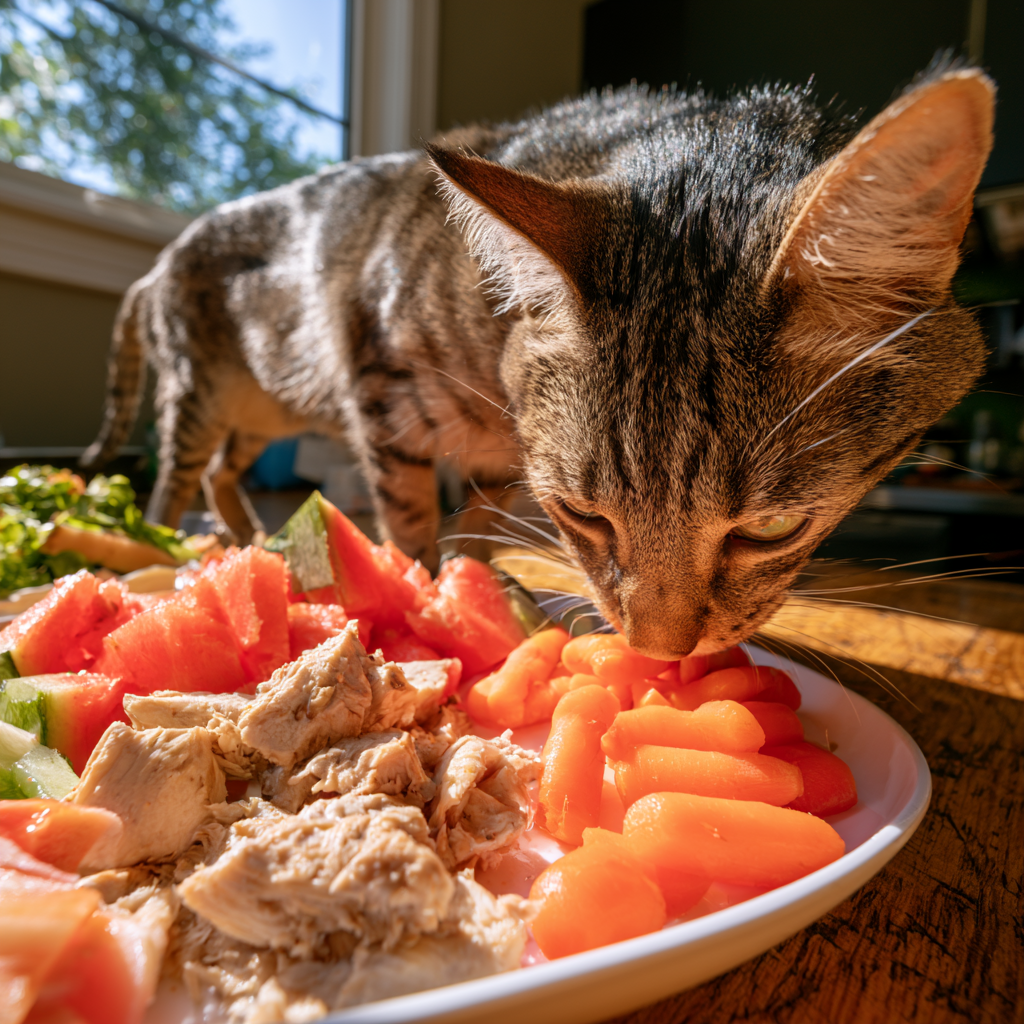
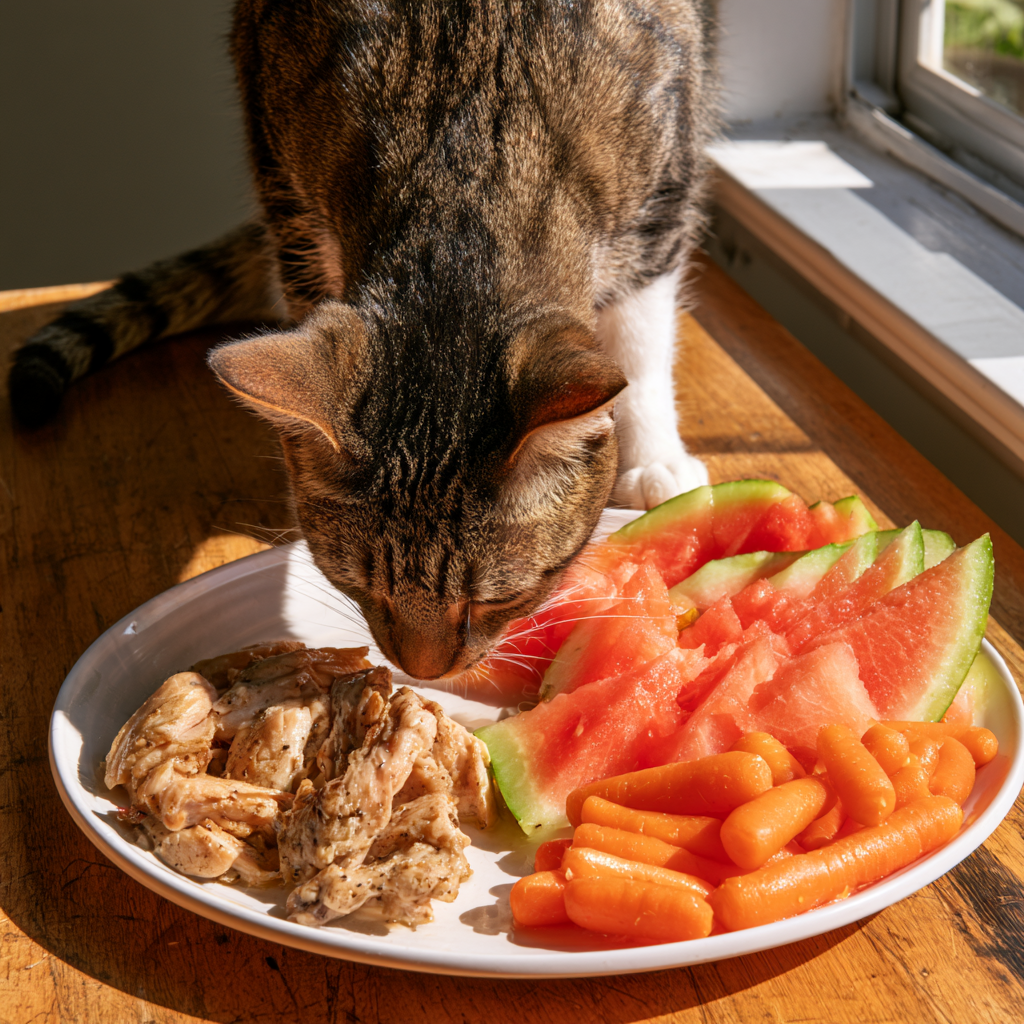
Quick answer: Cats can eat a variety of foods, including cooked meats like chicken and fish, certain fruits and vegetables like carrots and watermelon, and high-quality commercial cat foods that meet their nutritional needs. However, it is essential to avoid certain toxic foods and ensure that any new dietary changes are made gradually.
What Foods Can Cats Eat? A Complete Overview
Understanding a cat’s nutritional needs
Cats require a specific balance of nutrients for optimal health. Their diet should mainly consist of high-quality animal proteins, as they necessitate amino acids like taurine, which are primarily found in animal tissues. Additionally, fats are a vital energy source and enhance coat health. Unlike dogs, cats have a limited ability to digest carbohydrates, necessitating a diet lower in grains and starches. Water is also essential, so keeping your cat hydrated is crucial for overall well-being.
Benefits of a balanced diet for cats
Providing a balanced diet contributes significantly to your cat’s health. It helps maintain an ideal body weight, supports skin and coat health, and can improve dental hygiene. Additionally, a proper diet enhances energy levels and overall vitality. Cats that receive adequate nutrition often exhibit better behavior and cognitive function, making them more active and playful companions. Furthermore, a balanced diet can help prevent common health issues, such as obesity, diabetes, and kidney disease.
Common Safe Foods for Cats
Cooked meats that are safe
Cooked meats are among the safest and most nutritious foods you can offer your cat. Various meats provide essential nutrients and protein. Some safe options include:
- Chicken: Boneless, skinless cooked chicken is easy for cats to digest.
- Turkey: Similar to chicken, this lean meat is also a great protein source.
- Fish: Cooked salmon or tuna provides omega-3 fatty acids but should be offered in moderation.
- Lamb: Another excellent protein option for cats that may be sensitive to other meats.
Always serve these meats plain—avoid seasoning, onions, or garlic, as these can be harmful to cats.
Certain fruits and vegetables that are okay
Although cats are primarily carnivorous, some fruits and vegetables can be safe and healthy additions to their diet. Here are a few examples:
- Carrots: Cooked and mashed, carrots can be a tasty snack rich in vitamins.
- Green beans: A good source of fiber, they can aid in digestion.
- Blueberries: These are packed with antioxidants and can be offered in moderation.
- Watermelon: A hydrating fruit that can be served as a treat (remove seeds and rind).
Always introduce new fruits and vegetables gradually and in small amounts, watching for any digestive issues.
Commercial cat foods approved for dietary needs
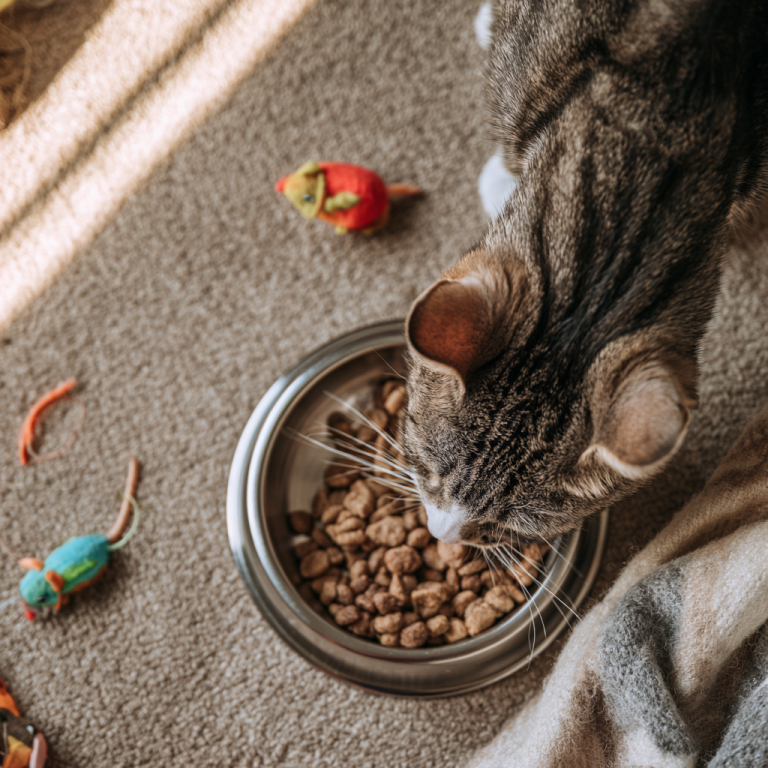
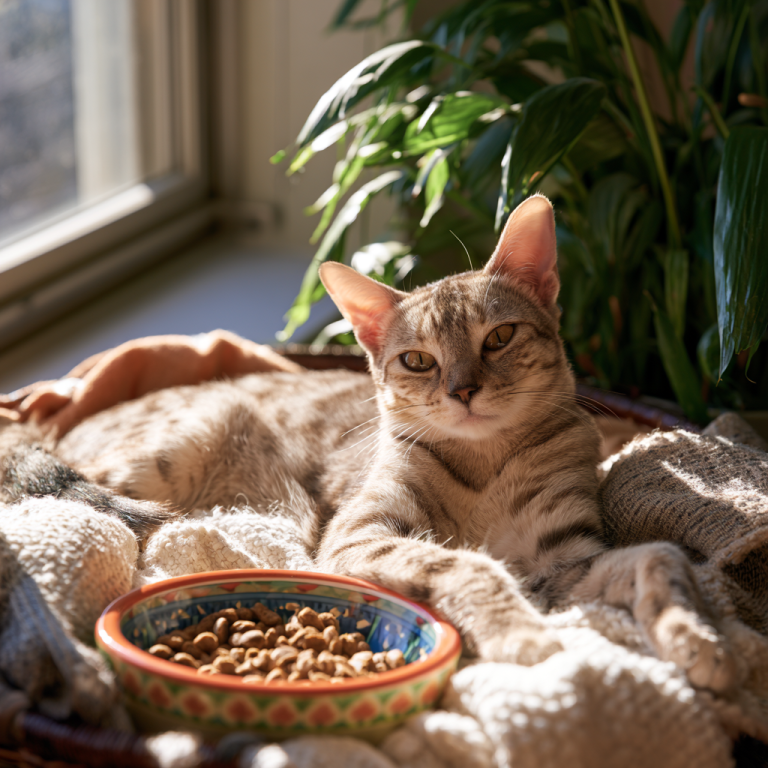
Choosing high-quality commercial cat food can simplify your feeding process while ensuring your cat receives balanced nutrition. Look for formulas that meet the standards set by the Association of American Feed Control Officials (AAFCO). These foods are specifically designed to cater to a cat’s dietary needs, and they come in various forms such as wet, dry, or semi-moist. Wet foods often have higher moisture content, which can help with hydration, whereas dry foods are convenient and help in dental health.
Foods to Avoid for Your Cat’s Health
List of toxic foods and their effects
Certain foods can be toxic to cats and should always be avoided. Here’s a list of common harmful foods:
- Onions and garlic: Can damage red blood cells and lead to anemia.
- Chocolate: Contains theobromine, which is toxic to cats.
- Grapes and raisins: Have been linked to kidney failure in cats.
- Alcohol: Can lead to severe health complications, including death.
- Avocado: Contains persin, which can be harmful to cats.
It is crucial to familiarize yourself with these foods and keep them out of reach.
Symptoms of food poisoning in cats
If your cat consumes something toxic, you might notice several symptoms that can indicate food poisoning. These symptoms can include:
- Vomiting
- Diarrhea
- Lethargy
- Loss of appetite
- Seizures or tremors
If you suspect your cat has ingested a toxic substance, consult your veterinarian immediately.
Creating Homemade Treats for Cats
Simple recipes for tasty cat treats
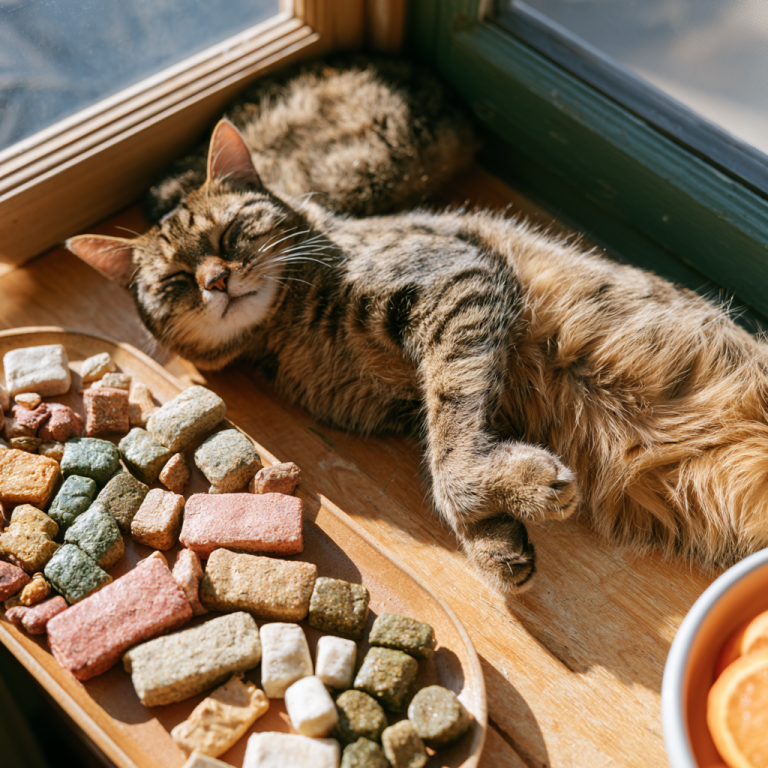
Making homemade treats for your feline friend can be a fun and rewarding task. Consider these simple recipes that use safe ingredients:
- Tuna balls: Combine one can of tuna in water (drained) with a beaten egg and oat flour. Form into small balls and bake at 350°F for 15 minutes.
- Chicken bites: Mix finely shredded cooked chicken with a little chicken broth and some ground oats, then bake until firm.
Always ensure that these treats are served in moderation to avoid disrupting your cat’s nutritional balance.
Using safe ingredients for your cat
When creating homemade treats, it is vital to use ingredients that are safe and suitable for your cat. Avoid any harmful additives or seasonings. Focus on quality meats, certain cooked vegetables, and cat-friendly grains like oats or rice. Be mindful of allergies or sensitivities that your specific cat may have, adjusting recipes accordingly to keep them safe and healthy.
Feeding Considerations for Different Life Stages
Dietary changes for kittens
Kittens experience rapid growth and development, necessitating a diet higher in protein and fat. A well-balanced food containing the right balance of nutrients is essential. Specially formulated kitten foods are ideal, supporting their energy levels and growth. We recommend regular feeding schedules and portion control, offering smaller, frequent meals throughout the day to match their metabolism.
Foods suitable for senior cats
As cats age, their dietary requirements change. Senior cats may need food with lower calories but higher fiber to maintain a healthy weight and ease digestion. The protein content should remain high to support muscle mass. It’s also beneficial to provide softer foods to accommodate dental health issues that are common in elderly cats. Be sure to consult your veterinarian regarding the best diet plan for your senior cat.
How to Introduce New Foods to Your Cat
Steps to safely change a cat’s diet
Introducing new foods into your cat’s diet should be done gradually to avoid digestive upset. Start by mixing a small amount of the new food with their current food. Gradually increase the proportion of the new food while decreasing the old food over a week or two:
- Start with a 25% new food and 75% old food mixture.
- Monitor your cat’s reactions and digestion.
- After a few days, if all is well, move to a 50/50 mixture.
- Continue increasing the new food until it makes up 100% of their diet.
Make sure to observe for any signs of distress or refusal to eat.
Monitoring for allergies or reactions
As you introduce new foods, keep a close eye on your cat’s health. Symptoms of food allergies can include itching, gastrointestinal upset, or unusual behavior. If you notice any adverse reactions, cease offering the new food immediately and consult your veterinarian for advice. Documenting the foods you’ve tried can help determine the cause of any undesirable reactions, making it easier for your vet to assess dietary needs.
Frequently Asked Questions
What human foods are safe for cats?
Safe human foods for cats include cooked meats like chicken and turkey, as well as certain fruits like blueberries and watermelon. Always ensure that these foods are plain, without seasoning, and serve them in moderation.
Can cats eat fruits and vegetables?
Yes, cats can eat certain fruits and vegetables, including cooked carrots and green beans. It’s important to introduce these foods gradually and monitor your cat for any adverse reactions.
Which foods should I avoid giving my cat?
Foods that should be avoided include onions, garlic, chocolate, grapes, and alcohol, as they can be toxic to cats. Familiarizing yourself with harmful foods is essential for your cat’s safety.
Are there any safe treats for cats?
Yes, there are various safe treats for cats, including homemade options like tuna balls or chicken bites. Always use cat-friendly ingredients and limit the quantity to prevent overfeeding.
How do I introduce new foods to my cat?
Introduce new foods by gradually mixing them with your cat’s current diet in small amounts. Monitor your cat for any adverse reactions throughout the transition process to ensure safety and comfort.