Black Scottish Cat: Characteristics and Care Tips
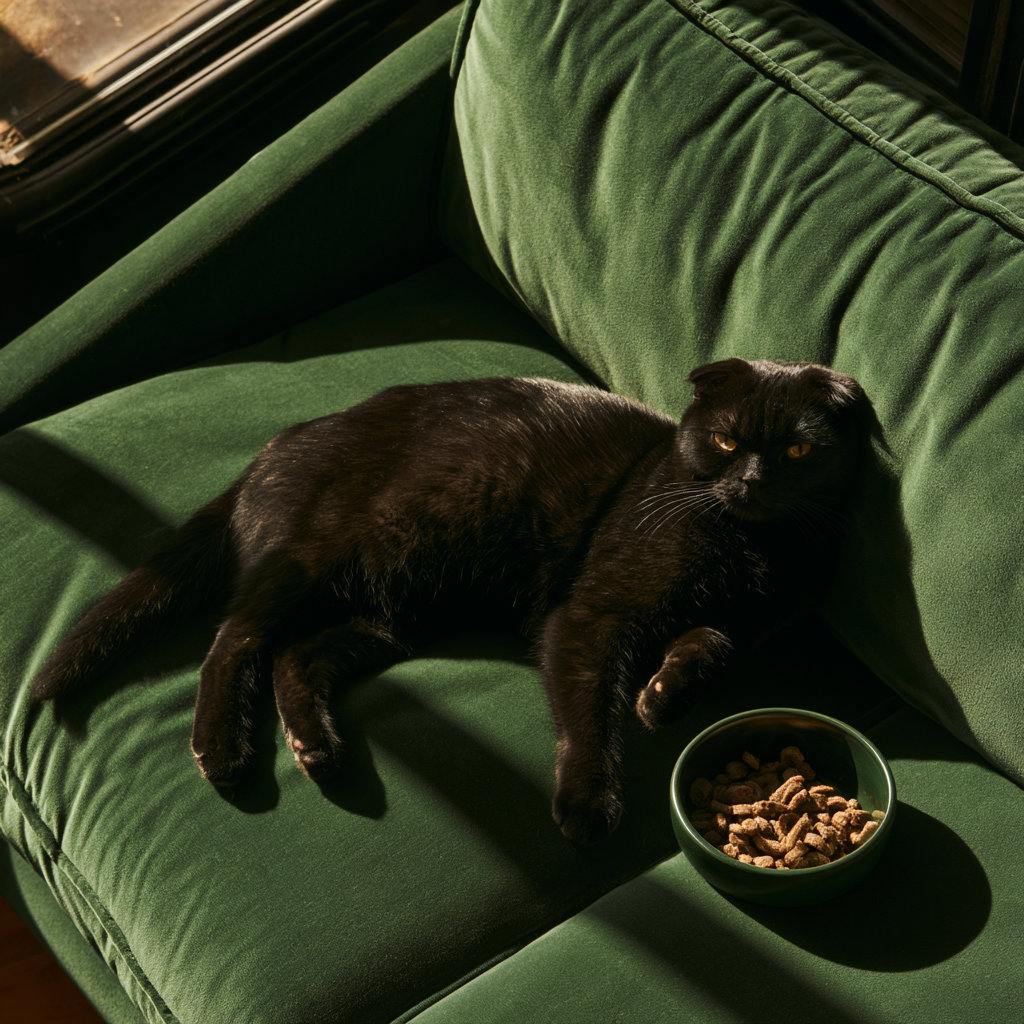
Black Scottish cats, particularly the charming Scottish Fold variety, have become increasingly popular among feline enthusiasts. Their striking appearance, characterized by sleek dark coats and endearing folded ears, draws many to consider them as companions. Beyond their visual appeal, understanding their distinctive traits and care needs is crucial for prospective and current owners to ensure a happy and healthy life for their black Scottish cats.
Quick answer: Black Scottish cats are known for their distinct appearance and temperament, featuring a sleek black coat and typical Scottish Fold ear structure. Proper care involves attention to nutrition, grooming, and health monitoring to foster their unique personality traits.
Understanding the Black Scottish Cat
Distinctive features of black Scottish cats
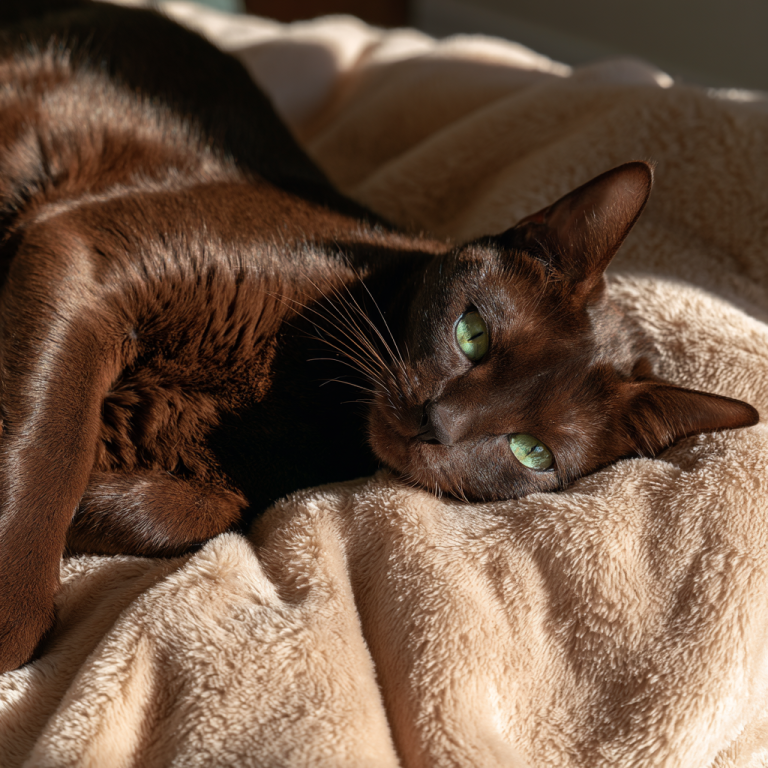
Black Scottish cats possess a unique and striking appearance that sets them apart from other breeds. Their short, dense fur often glistens under the light, reflecting a deep black hue that can appear almost blue in certain conditions. The defining feature of the Scottish Fold variant is, of course, their characteristic bent ears, which fold forward and down, giving them a distinctively sweet expression. This breed has a rounded face with prominent cheeks and large, expressive eyes — often in colors ranging from copper to gold. The robust body structure, with a muscular yet compact build, completes their overall look.
The personality traits of black Scottish cats
Black Scottish cats are often described as affectionate, intelligent, and adaptable. They typically enjoy the company of their human families and may form strong bonds with them, often following their owners around the house. Their curious nature drives them to explore their environment, making them enthusiastic participants in playtime. While they can be quite social, they may also appreciate some quiet time alone. Notably, the personality of each black Scottish cat can differ significantly based on their environment, socialization, and individual temperament; thus, personal interactions will always reveal more about their unique character.
Care Needs for a Black Scottish Cat
Feeding requirements and nutrition
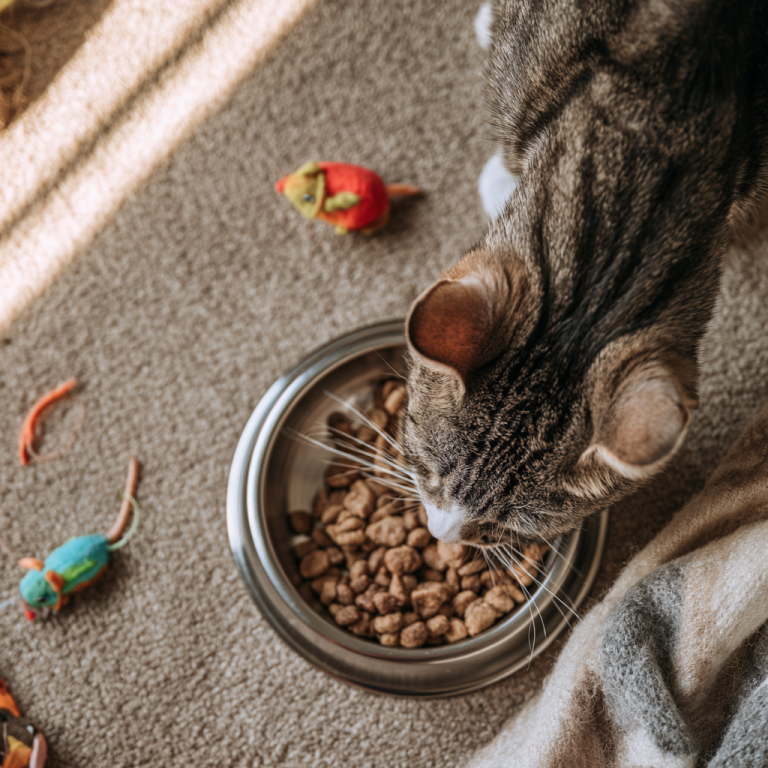
Maintaining a balanced diet is essential for the health of black Scottish cats. High-quality cat food, whether dry or wet, should be selected based on their age, size, and activity level. It’s generally recommended that their diet includes protein as the primary ingredient, ensuring that they receive adequate nourishment to sustain their energy levels and overall health. Here are some key tips for feeding:
- Choose food with animal-based protein sources, avoiding fillers like corn or wheat.
- Consult your veterinarian for portion sizes tailored to your cat’s specific weight and health needs.
- Provide fresh water daily, as hydration is essential for their overall well-being.
- Monitor their weight to prevent obesity, which can lead to health complications.
Grooming best practices for black Scottish cats
While the short coat of black Scottish cats may require less maintenance than long-haired breeds, regular grooming is still important. Weekly brushing can help minimize shedding and prevent hairballs, while also providing an opportunity to check for skin issues or parasites. Here are some grooming recommendations:
- Use a slicker brush or rubber grooming mitt to effectively remove loose hair.
- Check their ears regularly for wax build-up, especially in Scottish Folds, as they may be prone to ear issues.
- Trim their nails as needed, approximately every two to three weeks, to maintain paw health.
- Consider bathing your cat every few months, but only if necessary, as excessive bathing can strip natural oils from their coat.
Health Considerations for Black Scottish Cats
Common health issues and preventative measures
Like all breeds, black Scottish cats can be prone to specific health issues. One of the prominent concerns associated with Scottish Folds is osteochondrodysplasia, a genetic condition affecting cartilage development that can result in joint issues. Additionally, they may face similar health risks found in other breeds, such as heart disease and obesity. To minimize health risks, consider the following preventive measures:
- Schedule regular veterinary check-ups, at least once a year, to monitor their health.
- Stick to a balanced diet and exercise plan to maintain a healthy weight and promote overall wellbeing.
- Educate yourself about genetic conditions in Scottish Folds to better understand potential health risks.
- Provide environmental enrichment to avoid obesity from inactivity and boredom.
Signs of illness in black Scottish cats
Recognizing the signs of illness in your black Scottish cat can lead to early intervention, which is vital for their health. Some common indicators that your cat may be unwell include:
- Changes in appetite or water intake, either increased or decreased.
- Unusual lethargy, disinterest in play, or excessive sleeping.
- Behavioral changes such as hiding away or acting more aggressive than usual.
- Visible signs of discomfort, including difficulty walking or grooming themselves.
If you notice any of these symptoms, it is advisable to contact your veterinarian for an assessment.
Training and Behavior of Scottish Fold Cats
Effective training methods for black Scottish cats
Training a black Scottish cat can be a rewarding endeavor, thanks to their intelligence and willingness to interact. Start with positive reinforcement techniques, emphasizing rewards rather than punishment. Here’s how to begin training your cat effectively:
- Use treats or toys as a reward to motivate your cat during training sessions.
- Start with basic commands such as “sit” or “come,” using consistent cues and gestures.
- Keep training sessions short (5-10 minutes) to maintain their interest and focus.
- Be patient and adjust your methods depending on their responses; some cats may learn faster than others.
Always remember to observe your cat’s comfort level and adjust accordingly, allowing them to choose whether to engage or take a break.
Understanding the behavior signals of your cat
Understanding your black Scottish cat’s behavior signals can help create a harmonious relationship. Every cat communicates differently, and it’s crucial to interpret their cues accurately. Common signals include:
- Tail position: A raised tail often indicates happiness, while a low or puffed tail can signify fear or aggression.
- Purring: This can indicate contentment, but it can also occur if they are in pain.
- Hiding: If your cat is more reclusive than usual, it may be a signal they’re feeling unwell or stressed.
- Vocalizations: Meowing, growling, or hissing conveys a range of emotions depending on the context.
By being attentive to these signals, you can better respond to their needs and create a comfortable and trusting environment.
Frequently Asked Questions
What are the traits of a black Scottish cat?
Black Scottish cats are characterized by their sleek black coats, distinctive folded ears in the Scottish Fold variety, and a round face with large, expressive eyes. They are often affectionate, intelligent, and adaptable, forming strong bonds with their families.
How do I care for a black Scottish Fold?
Caring for a black Scottish Fold involves providing high-quality nutrition, regular grooming to manage shedding, and monitoring their health for common issues. Ensure they receive regular veterinary check-ups and maintain an enriched environment to support their physical and mental well-being.
What health issues are common in Scottish cats?
Scottish cats, particularly Scottish Folds, can face health issues like osteochondrodysplasia, which affects cartilage development, as well as heart disease and obesity. Preventive care, including regular vet visits, is essential to minimize these risks.
Can black Scottish cats be trained?
Yes, black Scottish cats can be trained using positive reinforcement techniques. They respond well to rewards like treats or play when learning commands and behaviors, making training an enjoyable experience.
What is the lifespan of a black Scottish cat?
The lifespan of a black Scottish cat typically ranges from 12 to 15 years, though this can vary based on genetics, diet, and overall care. Regular veterinary check-ups and a healthy lifestyle can contribute to a longer, healthier life.