Why Does My Cat Suddenly Run Around the House?
Why Does My Cat Suddenly Run Around the House? If you’ve ever experienced your feline friend bursting into a flurry of energy, darting from room to room, or pouncing on invisible prey, you’re not alone. Understanding this sudden behavior can provide insights into your cat’s natural instincts and health. In this article, we’ll explore common reasons for these zany outbursts and offer tips for managing your cat’s energy levels.
Quick answer: Cats can suddenly run around due to natural play behaviors, bursts of energy, or reactions to environmental factors. It’s important to differentiate between normal playful behavior and signs of stress or health issues, which may require further investigation.
Understanding Why Does My Cat Suddenly Run Around the House?
Natural Play Behavior in Cats
Cats are instinctual hunters, and their sudden bursts of energy often relate to their natural play behavior, which is essential for their physical and mental well-being. Play mimics hunting, allowing cats to practice their stalking, pouncing, and capturing skills. Understanding this behavior is crucial in recognizing whether your cat’s antics are simply playful expressions or indicative of something more concerning.
Scientific studies indicate that engaging in play is vital for a cat’s overall health. Regular play helps prevent obesity, stimulates mental faculties, and satisfies their predatory drive. Cats thrive on a variety of play types, which can include interactive play with their owners or solo play with toys. When a cat suddenly runs around, it often reflects an instinctive need to engage in these behaviors, particularly during periods of high motivation, such as dawn or dusk, commonly known as crepuscular activity.
Examples of Common Play Patterns
Observing your cat during its bursts of energy can reveal much about their play patterns. Here are a few common behaviors to watch for:
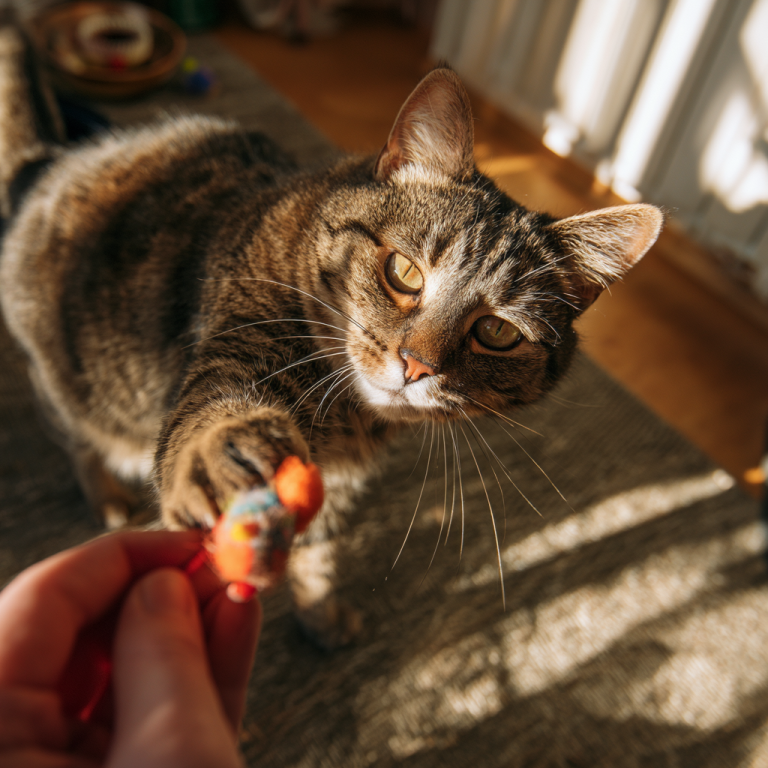
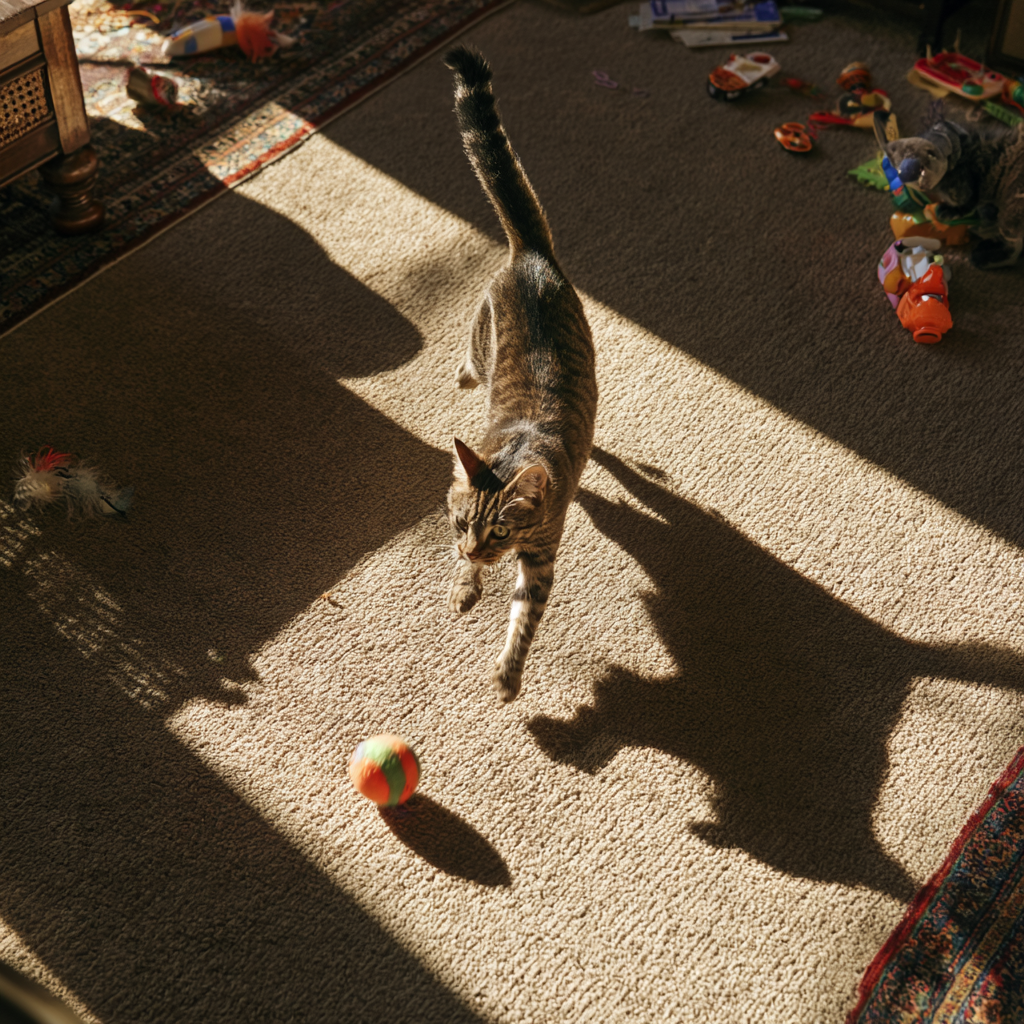
- Pouncing: Cats may jump and pounce on toys, their owners, or even furniture as if they are capturing prey.
- Chasing: You’ll often see them chase after imaginary insects or prey, running quickly from room to room.
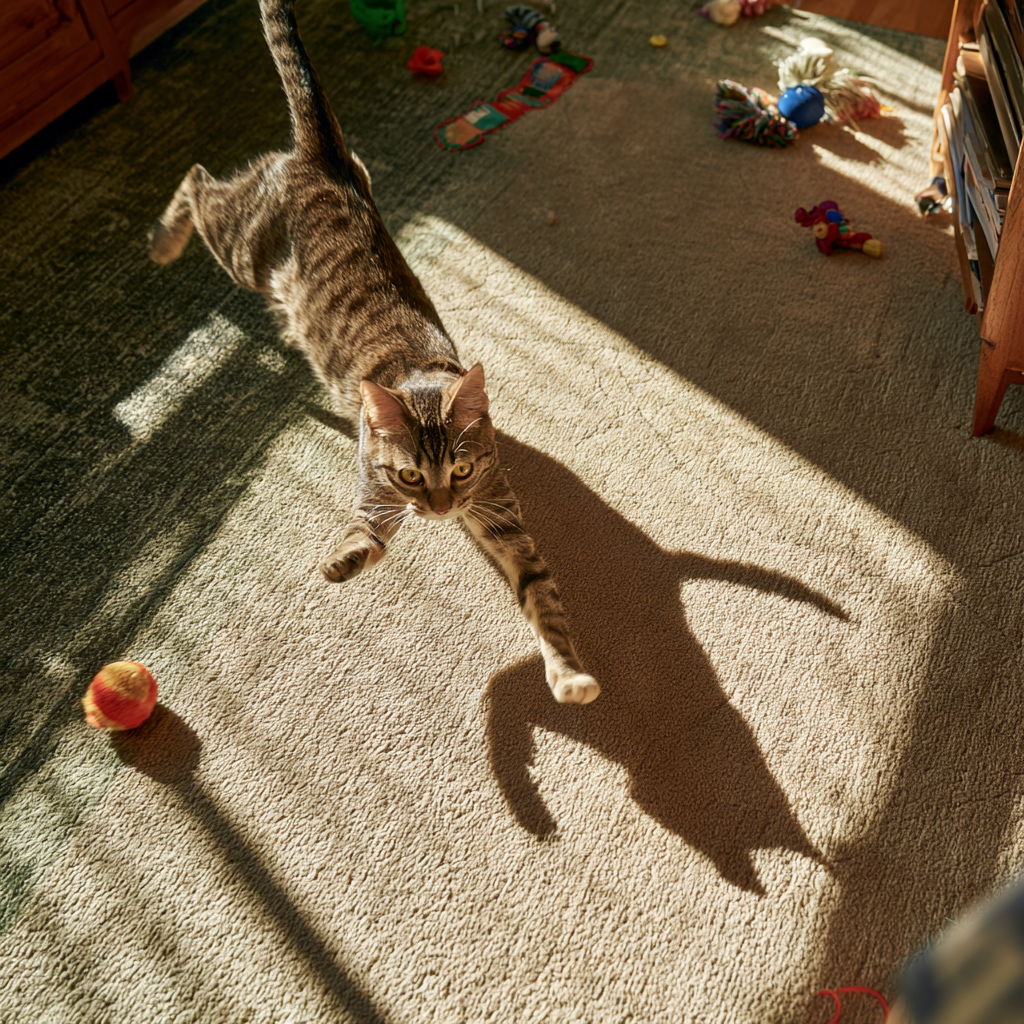
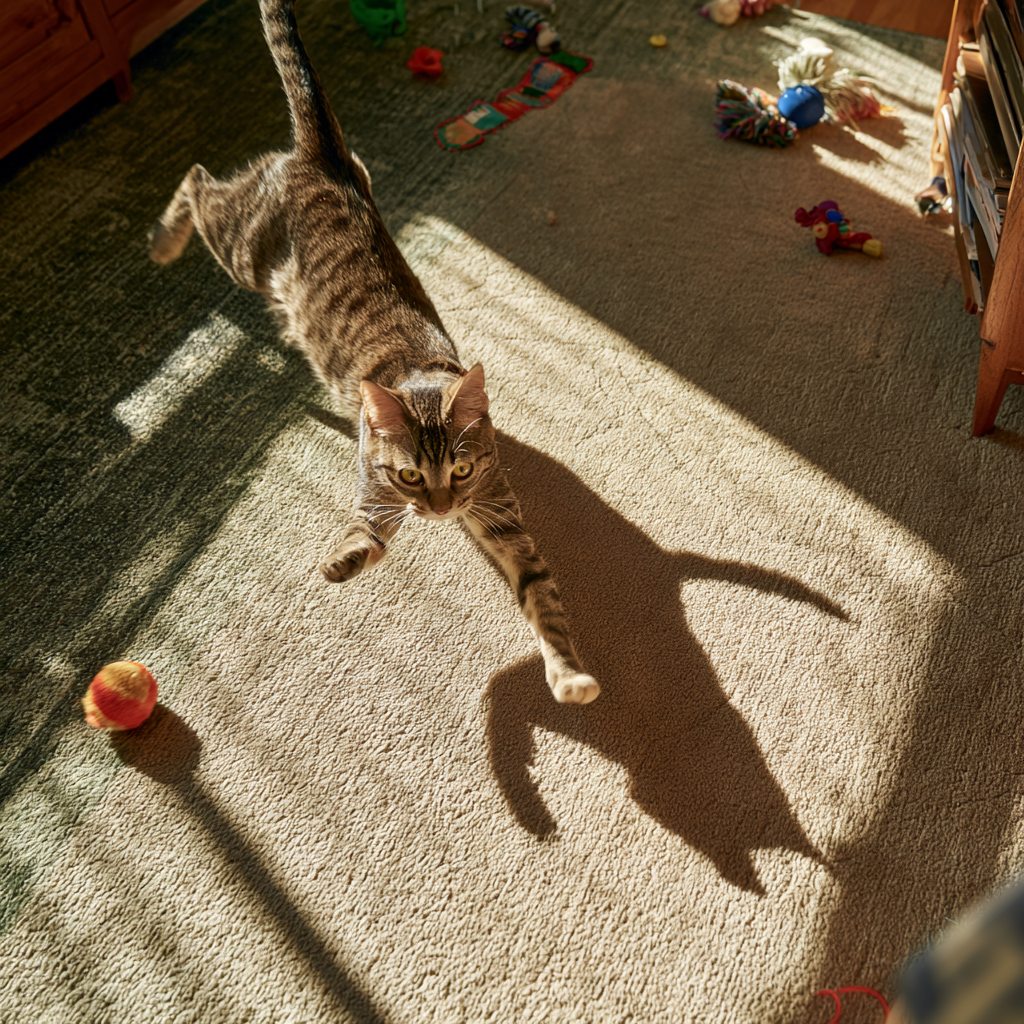
- Zoomies: Known colloquially as “the zoomies,” cats can sprint wildly, often at surprising speeds, around the house.
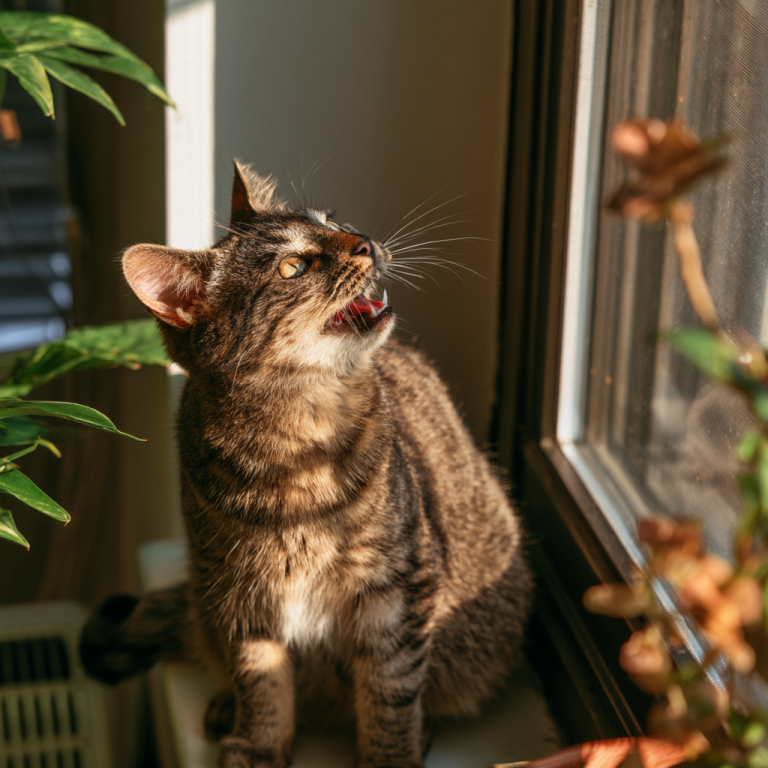
- Vocalizations: Some cats will vocalize during these episodes, adding an exuberant sound to their playtime.
Recognizing these play patterns helps you understand that sudden energetic outbursts can simply be a reflection of your cat’s natural instincts at play.
Potential Health and Emotional Triggers
Stress Factors in the Home Environment
While playful behavior is usually harmless, there are instances where sudden hyperactivity may stem from stress factors within a cat’s environment. Changes such as new family members, moving to a new home, or even the introduction of new pets can disrupt a cat’s sense of security. Cats are sensitive creatures, and fluctuations in their daily routines can lead to anxiety, which might prompt frantic running as a coping mechanism.
Common stress factors include:
- High noise levels: Loud noises, such as construction or fireworks, can frighten a cat and lead to erratic behavior.
- Presence of unfamiliar animals: Stray animals or aggressive pets can trigger fear, resulting in hyperactive behavior as a way to cope.
- Changes in routine: Moving furniture, changing feeding times, or altering daily schedules can disturb your cat’s sense of normalcy.
If your cat’s sudden bursts of energy increase concurrently with any of these stress factors, it is important to assess and mitigate the source of stress to help restore your cat’s sense of comfort.
Health Issues That May Cause Hyperactivity
In some cases, sudden hyperactivity can be indicative of underlying health issues. Conditions such as hyperthyroidism or neurological disorders can cause unusual behavior. It’s essential to be aware of other symptoms that may accompany hyperactivity, including:
- Weight loss despite normal or increased appetite
- Changes in grooming habits, such as excessive grooming or neglecting grooming altogether
- Visible signs of discomfort or pain
- Changes in litter box habits
If you observe any of these signs along with hyperactivity, a visit to the veterinarian is warranted to rule out any serious health concerns.
Managing Your Cat’s Sudden Energy
Creating a Stimulating Environment
A stimulating environment can help manage your cat’s energy levels and prevent boredom-induced hyperactivity. Consider incorporating the following elements:
- Diverse types of toys: Provide a variety of toys, such as feather wands, laser pointers, and interactive puzzle toys to engage your cat.
- Vertical space: Utilize shelves or cat trees that allow your cat to climb and observe its environment from a height.
- Playtime routines: Implement structured playtime sessions, especially during peak energy times like early morning and evening.
- Outdoor time: If safe, consider leash training your cat or creating a secure outdoor enclosure for supervised exploration.
These enhancements foster both mental and physical stimulation, allowing your cat to channel its energy positively.
Calming Techniques for Overactive Cats
For those cats that may require assistance in managing bursts of energy, several calming techniques can help. These include:
- Environmental modifications: Create quiet spaces where your cat can retreat to feel secure. This can include cozy beds in less-trafficked areas.
- Calming products: Consider using calming pheromone diffusers, sprays, or calming collars designed to help reduce anxiety.
- Soothing music: There is music specifically composed for cats that may help to calm them during hyperactive episodes.
- Yoga or meditation for pets: Engaging in gentle stretches with your pet or simply relaxing together can provide comfort.
Integrating these techniques into your cat’s daily routine can promote a calmer demeanor, especially during those unpredictable moments of hyperactivity.
By understanding the various factors underlying sudden bursts of energy in your cat, you can better tailor an engaging environment that meets its needs while ensuring its health and emotional well-being. If you notice ongoing concerns that don’t improve with lifestyle adjustments, seeking veterinary advice can provide further guidance and support.
Frequently Asked Questions
Why does my cat have sudden energy bursts?
Sudden energy bursts in cats can be attributed to their natural instincts for play and hunting. Environmental factors and emotional triggers may also contribute to this behavior, making it crucial to understand the underlying causes.
Is my cat’s behavior normal?
While it is common for cats to experience bursts of energy, especially during certain times of day, observing your cat’s behavior in context is essential. If their energy levels seem excessive or accompanied by distress, further evaluation may be necessary.
What causes cats to run around like crazy?
Cats may run around due to their instinctual behaviors, such as hunting and playing, or as a response to stressors in their environment. Each individual cat may exhibit distinct triggers for this phenomena.
When should I be concerned about my cat’s behavior?
You should be concerned about your cat’s behavior if they consistently display excessive hyperactivity or if it is accompanied by other worrying symptoms, such as changes in appetite or weight. Consulting a veterinarian can provide clarity and guidance.
How can I calm my cat down?
Calming techniques can include creating a quiet environment for your cat, engaging in gentle petting, or using calming products specifically designed for cats. Monitoring their interactions and managing their surroundings is key to a tranquil atmosphere.