Why Does My Cat Lick Me? Understanding Feline Affection
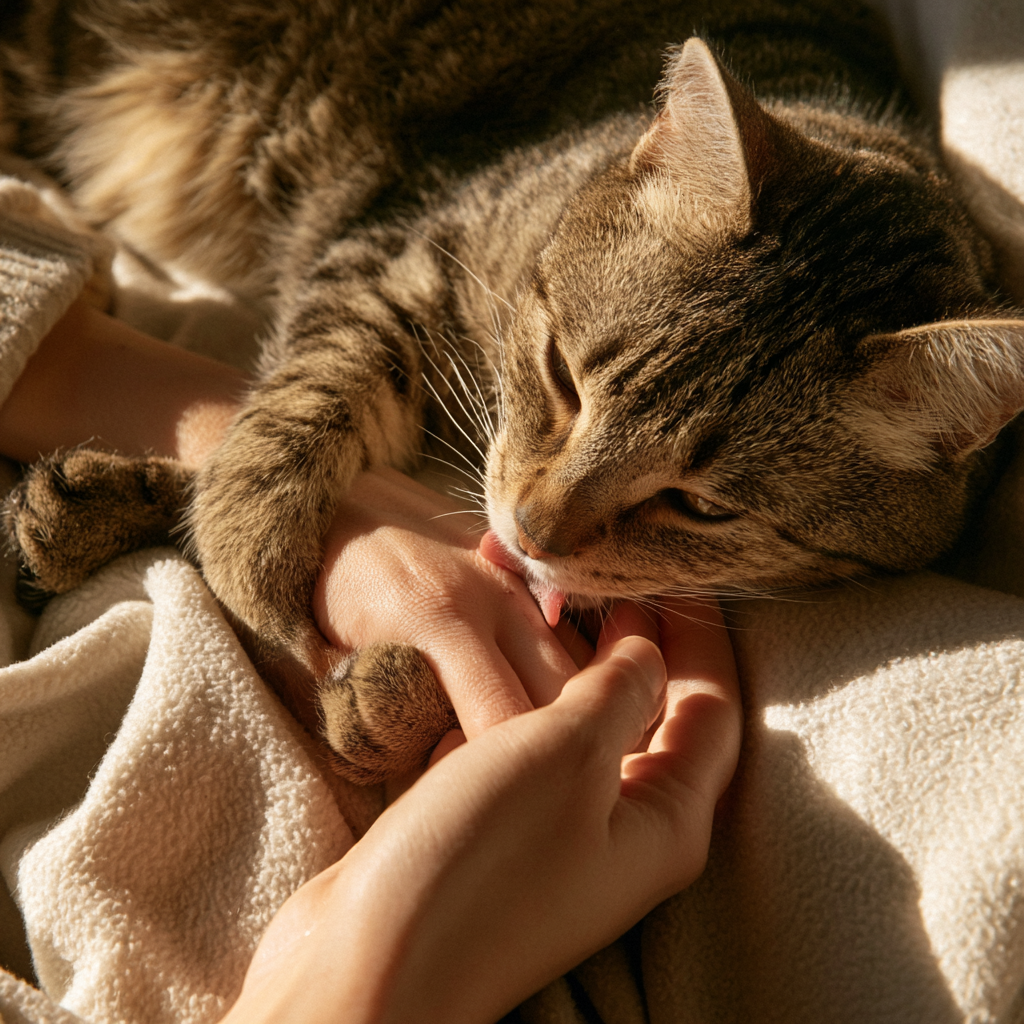
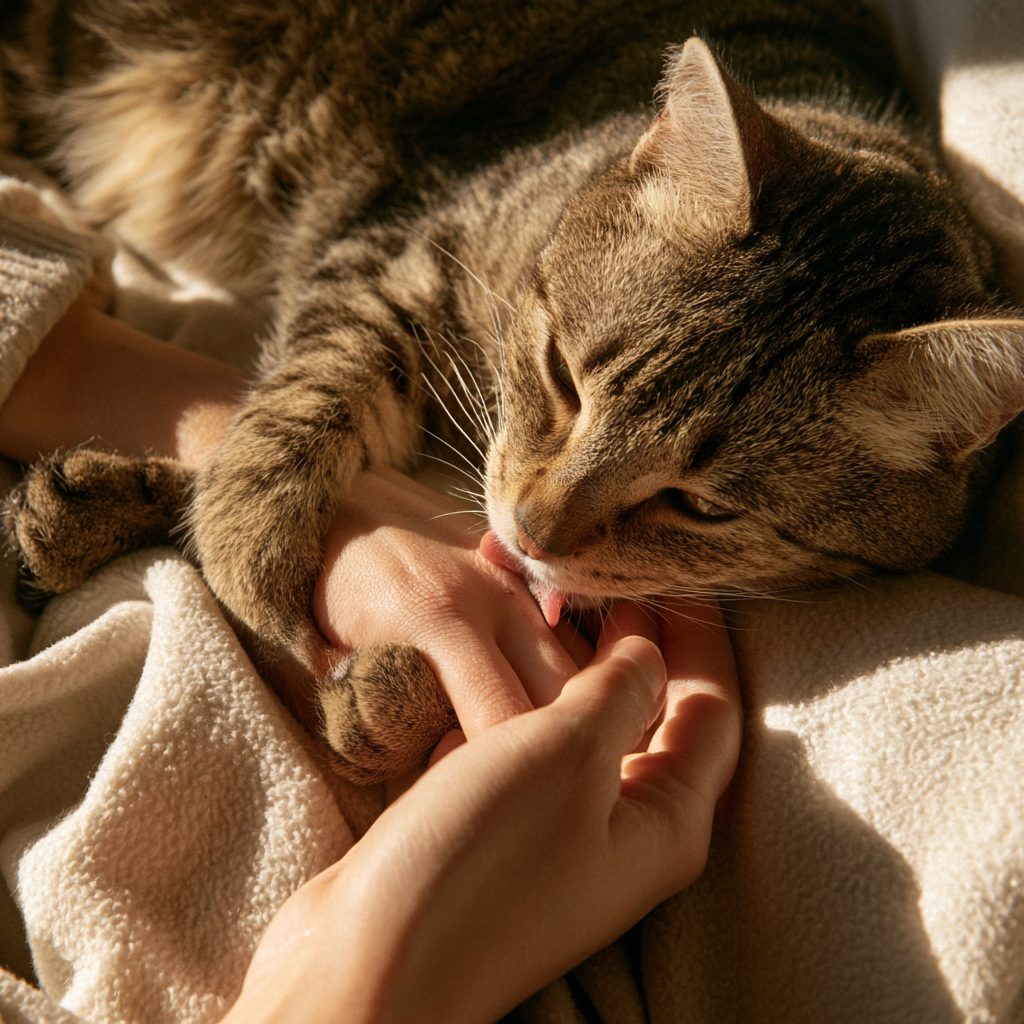
Why Does My Cat Lick Me? This common question arises for many cat owners who observe their feline friends exhibiting this intriguing behavior. Cats often lick their humans, which can leave us wondering what it signifies. Understanding the nuances of feline licking can help strengthen our bond with our pets, enhance our care strategies, and ensure we’re meeting their emotional and physical needs.
Quick answer: Cats lick their owners for various reasons, including affection, grooming behavior, and as a means of communication. While it’s often a sign of bonding, the context and mood can affect what this behavior truly means.
Why Does My Cat Lick Me? Exploring the Reasons
Affection as a primary motive
One of the primary reasons cats lick their owners is to express affection. This behavior is often reminiscent of how they would interact with their mothers or littermates. Kittens begin licking around their mother’s face and body shortly after birth, and this nurturing behavior instills a sense of comfort and safety. When your cat licks you, it can be an attempt to show love and appreciation.
However, it is essential to recognize that each cat is an individual. While some may frequently lick their humans as a way of demonstrating affection, others may reserve this behavior for very specific moments or circumstances. For instance, a cat may lap at your hand when you’re relaxing on the couch, seeking a deeper bond during peaceful moments. Conversely, a more independent cat might only lick when they want something, like your attention or a treat.
Grooming as a bonding activity
In addition to showing affection, licking can serve as a grooming behavior known as allogrooming. Cats groom each other as a part of social bonding, and when they lick their owners, they may consider you part of their social circle. This grooming activity can help reduce tension and strengthen their feelings of security in the relationship.
Instinctively, cats lick to maintain hygiene and remove dirt or loose fur from their fur. When they transfer this behavior to you, it may signify that they feel comfortable enough to treat you as a family member. For example, if your cat approaches you while you’re resting, licking your face or hands, they may be expressing trust and familiarity, almost like an invitation to connect on a personal level. However, if the licking becomes excessive, it may signal anxiety or a need for reassurance.
Behavioral Insights: What Licking Means
Communication through licking
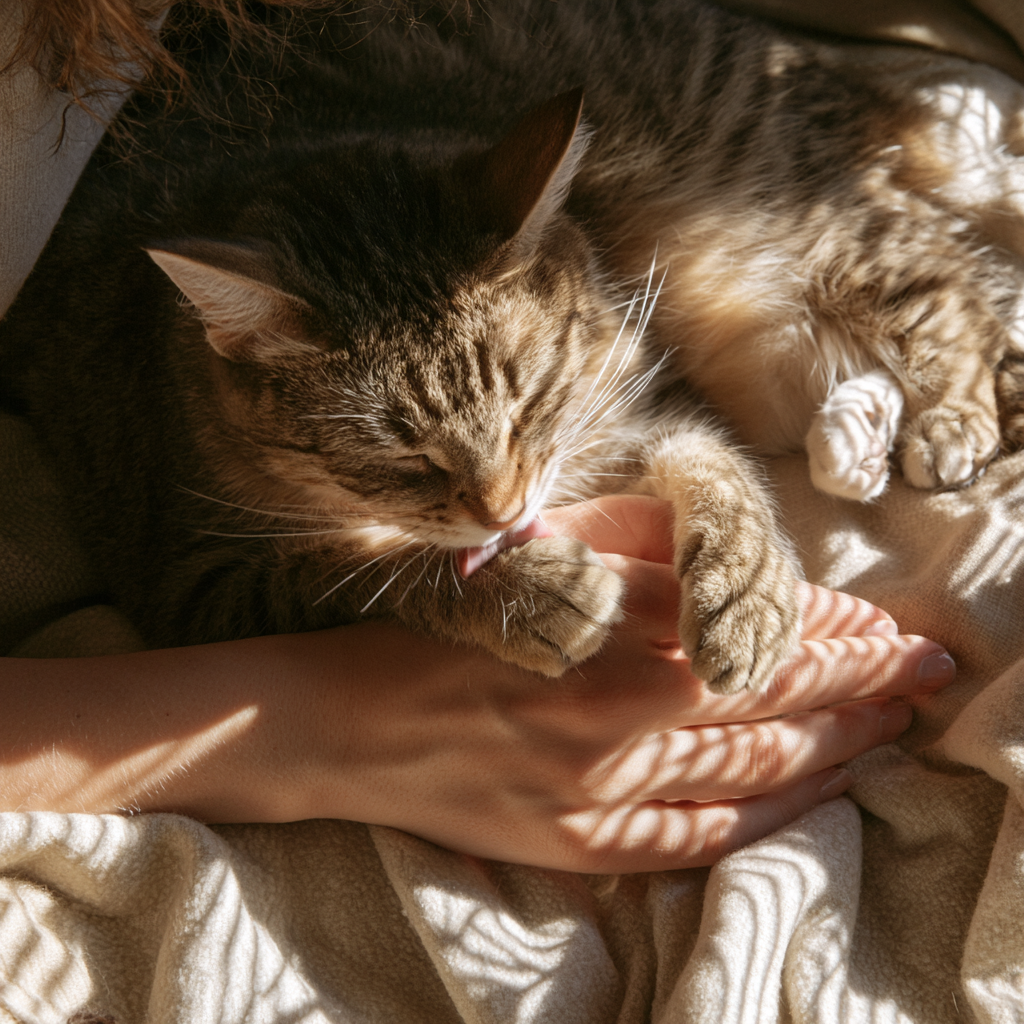
Cats communicate through various behaviors, and licking is one of their many tools for inter-animal communication. While affectionate licking can be a friendly gesture, certain types of licking can convey different emotional states. For example, a gentle lick may suggest love and appreciation, while a more aggressive or repetitive licking could reflect frustration or agitation.
Consider the scenario where your cat approaches you, purring softly as they lick your arm. This behavior is likely a calming interaction, whereas if they’re licking quickly and erratically, this could suggest they are feeling threatened or uncertain. Observations during licking can help clarify the intended message. For instance, if your cat’s eyes are narrowing and ears are flattened while licking, they may not be in a comfortable headspace. In such cases, it may be beneficial to give them space to decompress.
Stress-relief or comfort behavior
For many cats, licking is also a self-soothing technique. This behavior can provide comfort and relief during stressful or uncertain situations. Many cat owners might notice increased licking during thunderstorms, when new animals appear, or during trips to the vet. A cat licking you during such stressors may be seeking comfort in your presence, knowing they can rely on you for reassurance.
An example of this comfort behavior can be when a cat licks your hand or knee while you’re watching television. They might be acting to self-soothe if they feel anxious and see you as a source of stability. Monitor their overall demeanor in these moments, as licking alongside other anxious behaviors such as hiding, excessive vocalization, or aggression could indicate that they need more support or adjustments in their environment to reduce their stress.
Understanding Context and Signals in Cat Licking
Interpreting body language during licking
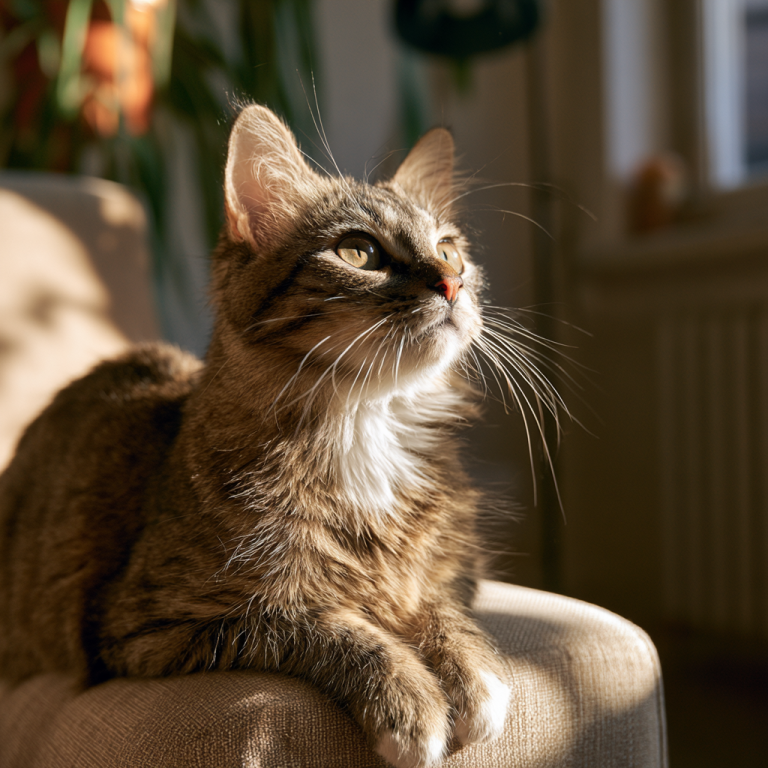
The context in which a cat licks can reveal much about their emotional state. Pay close attention to their body language. If your cat is relaxed, with a slow blink, upright ears, and a relaxed tail while licking, it’s likely a positive display of affection. In contrast, a cat that licks while its body is tense, tail flicking, or ears are back may be displaying discomfort or irritability. This is especially true if they suddenly shift to more aggressive behaviors, indicating that they might be overwhelmed.
Also, every cat has nuanced cues that are specific to their personality. If your cat frequently engages in licking, it’s crucial to monitor other signals that accompany this behavior. These observations can help you interpret their emotional landscape better and respond appropriately. For instance, if they respond to your petting with licks, they may appreciate the touch and want to engage further.
When licking may indicate anxiety
Although licking can signify affection and bonding, it may also indicate that something is amiss. Cats that excessively lick themselves or their humans may be displaying behavioral issues often tied to anxiety or stress. Such behaviors can sometimes progress into over-grooming, which may lead to skin infections or hair loss.
To differentiate between typical affectionate licking and excessive licking resulting from anxiety, observe the frequency and context of the behavior. A cat that licks you occasionally while resting is generally calm, while a cat that licks excessively might be looking for a way to relieve tension or express discomfort with their environment.
If you notice that your cat has started licking you more than usual or is licking themselves to the point of creating bald patches, it may be time to take action. Modifying their environment, such as providing more places to hide, climbing structures for exploration, or additional playtime, might help ease their stress levels. If these interventions do not yield improvement, consulting a veterinarian or a feline behaviorist can provide further insights and tailored strategies.
Understanding the reasons behind your cat’s licking behavior can enhance your interaction and strengthen your bond. When asking yourself, “Why Does My Cat Lick Me?”, consider the context of the behavior and observe their emotional state. This attentiveness promotes a supportive environment for your cat, addressing their needs, enhancing their happiness, and fostering a healthy pet-owner relationship.
Frequently Asked Questions
Why does my cat lick me sometimes?
Cats lick their owners as a form of affection, mimicking a grooming behavior they exhibit with fellow felines. It can also signify trust, comfort, and inclusion in their social group.
Is it normal for cats to lick their owners?
Yes, it is normal for cats to lick their owners as a bonding activity. However, the context and frequency of this behavior can provide important insights into their emotional state.
What does it mean when my cat licks me excessively?
Excessive licking can indicate stress, anxiety, or discomfort. If your cat’s licking becomes problematic, it’s essential to assess their environment and consult with a vet if necessary.
Could my cat be anxious when licking me?
Yes, licking may signify anxiety or offer comfort in stressful situations. If your cat licks excessively or shows other signs of stress, it might be time to explore the underlying cause.
How can I tell if my cat is licking for affection?
To determine if your cat is licking for affection, observe their body language and environment. Relaxed body posture and context of cuddling usually indicate affectionate licking, while agitation may suggest discomfort.