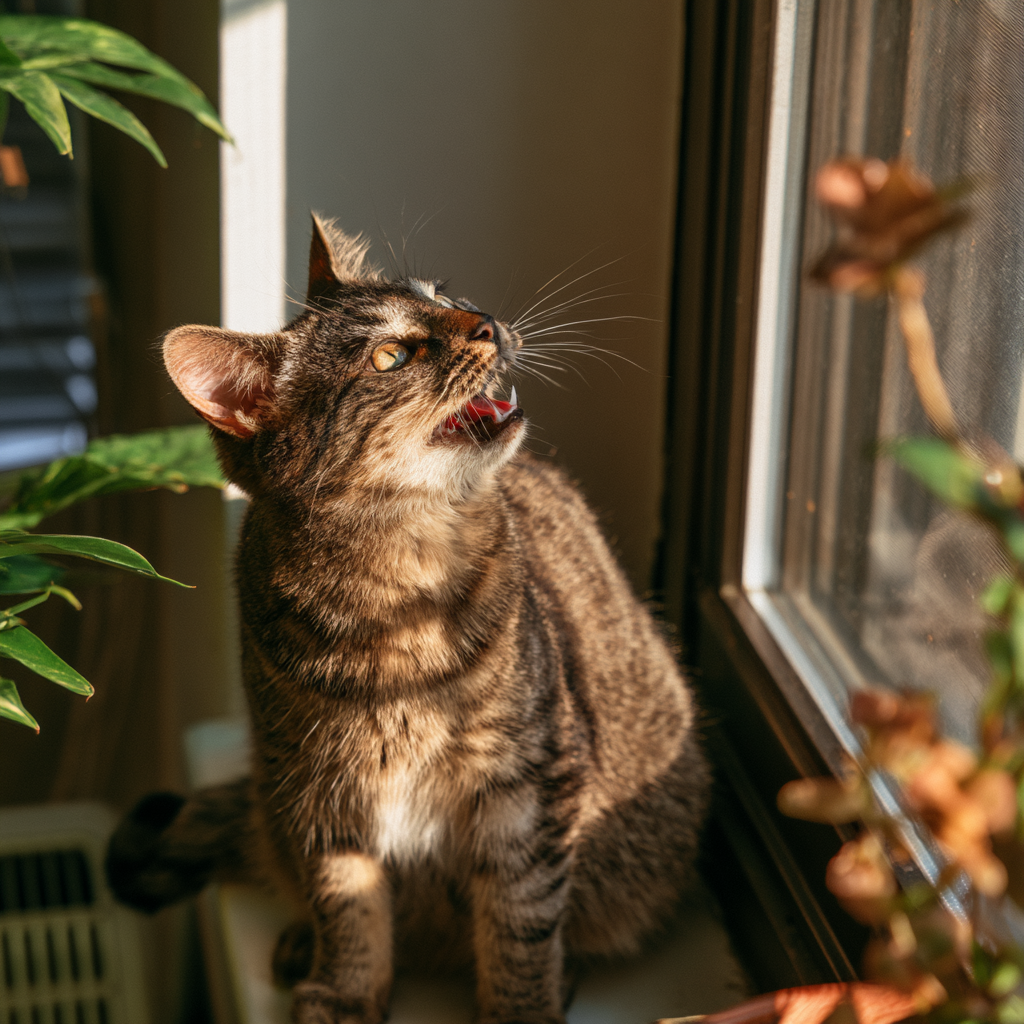
Why Do Cats Meow So Much? Understanding Feline Vocalization
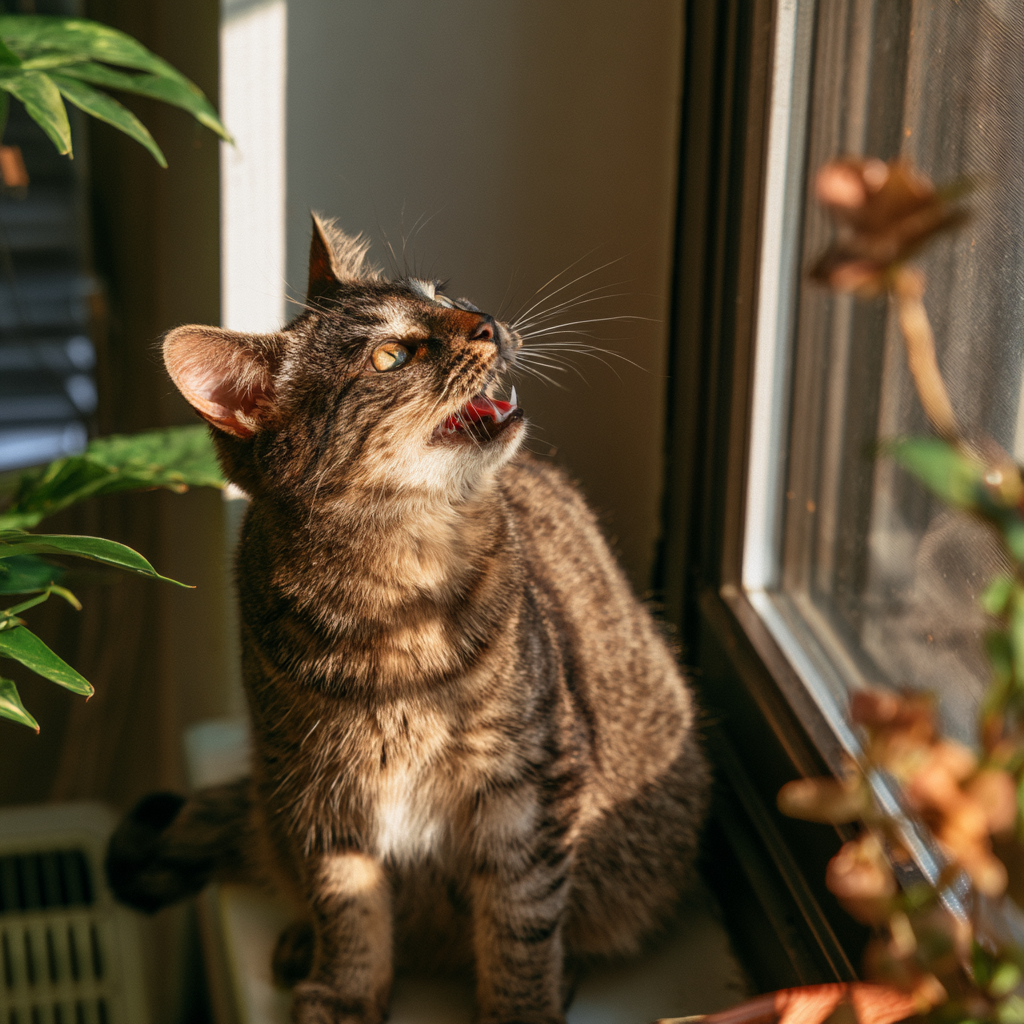
Why Do Cats Meow So Much? This common question arises for many cat owners, especially when their feline friend seems to vocalize more than expected. Understanding the motivations behind a cat’s meowing can shed light on its needs, emotions, and overall well-being. In this article, we will explore the various reasons why cats meow, how they communicate through their vocalizations, and what you can do if your cat’s meowing becomes excessive.
Quick answer: Cats meow as a way to communicate with humans, expressing needs such as hunger, attention, or discomfort. Their vocalizations can vary widely in tone and intensity, often influenced by their individual personalities and circumstances.
Why Do Cats Meow So Much? A Deep Dive
Common reasons for cat meowing
Meowing is a cat’s primary form of communication with humans. Unlike dog barking, which is often directed at both humans and other dogs, a cat’s meow is usually aimed at its human companions. Some common reasons for feline meowing include:
- Hunger: A cat may meow to signal that it’s time for a meal or to express dissatisfaction with its food.
- Attention: Cats can meow to seek interaction, petting, or simply companionship, especially if they are feeling lonely.
- Discomfort or pain: A cat may vocalize more if they’re in discomfort, trying to communicate that something is wrong.
- Stress or anxiety: Changes in the environment, such as a new pet or moving to a new home, can lead to increased meowing.
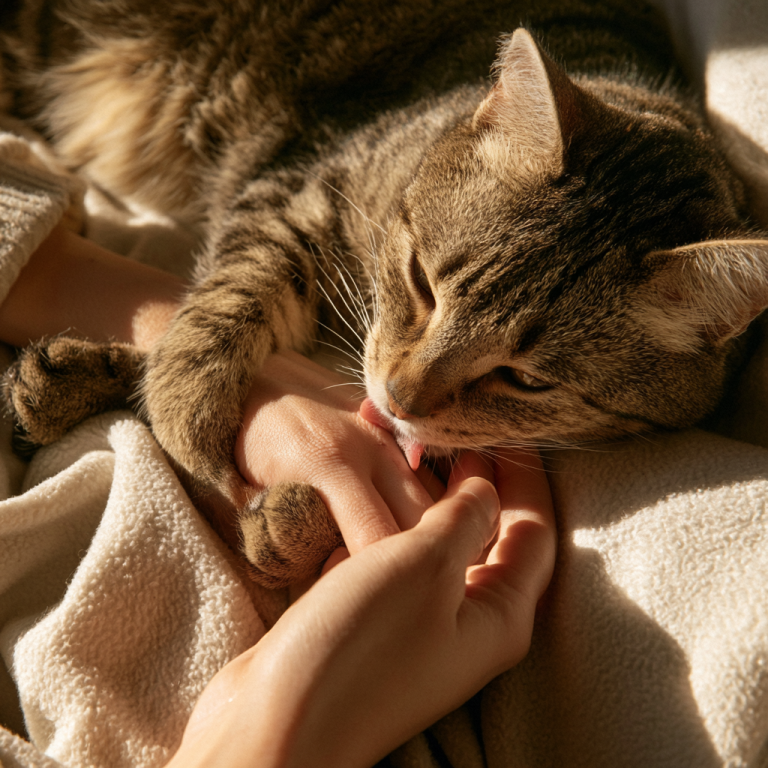
- Affection: Some cats will meow when they are particularly comfortable and want to share their contentment.
Do cats meow for attention or food?
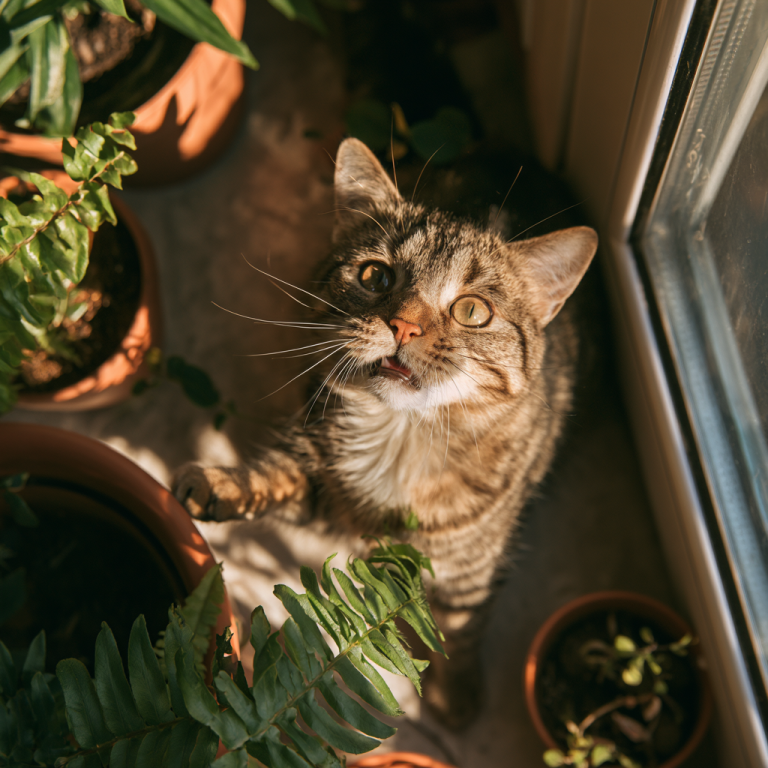
While both attention-seeking and hunger are common reasons for a cat’s vocalizations, they can often overlap. A cat that is meowing for food may also be seeking attention, as they have learned that their calls elicit a response from their human caregivers. When assessing whether your cat’s meowing relates to food or attention, observe their body language. For example, if your cat is pacing around the food bowl and meowing persistently, it’s likely expressing hunger. If they are rubbing against you or following you around while vocalizing, they may be seeking affection and interaction. Understanding your cat’s context is vital in interpreting their vocalizations accurately.
Communication in Cats: Understanding Their Vocalizations
Meowing as a form of feline communication
Meow variations reflect a cat’s age, personality, and emotional state. Kittens initially use meows to communicate with their mother; as they grow, they adapt their vocalizations based on the responses of humans. An adult cat’s meow can range from soft purring to harsh yowling, indicating different emotions. Each cat has its unique vocal signature, making it essential for pet owners to familiarize themselves with their own cat’s meows.
In addition to pitch and volume, the context of the situation also influences the meaning behind a cat’s vocalizations. For instance, a high-pitched, urgent meow might signify distress or excitement, while a low, drawn-out meow could indicate annoyance or a demand for immediate attention. Regularly tuning into these differences strengthens the bond between you and your feline companion.
Age-related meowing behaviors in cats
Age plays a significant role in a cat’s vocalization patterns. Kittens and young cats tend to have more frequent and varied meows, often using them to engage with their owners and express their needs. As cats mature, their meowing may decrease unless they become accustomed to having their voices heard. Senior cats, however, may exhibit increased vocalizations due to age-related health issues, cognition changes, or simply a longing for companionship as they become more dependent on their humans.
In some cases, older cats experience cognitive dysfunction syndrome (CDS), which can lead to disorientation and, consequently, increased vocalization. Recognizing these subtle shifts in your cat’s vocal behavior as they age can inform how best to respond to their needs.
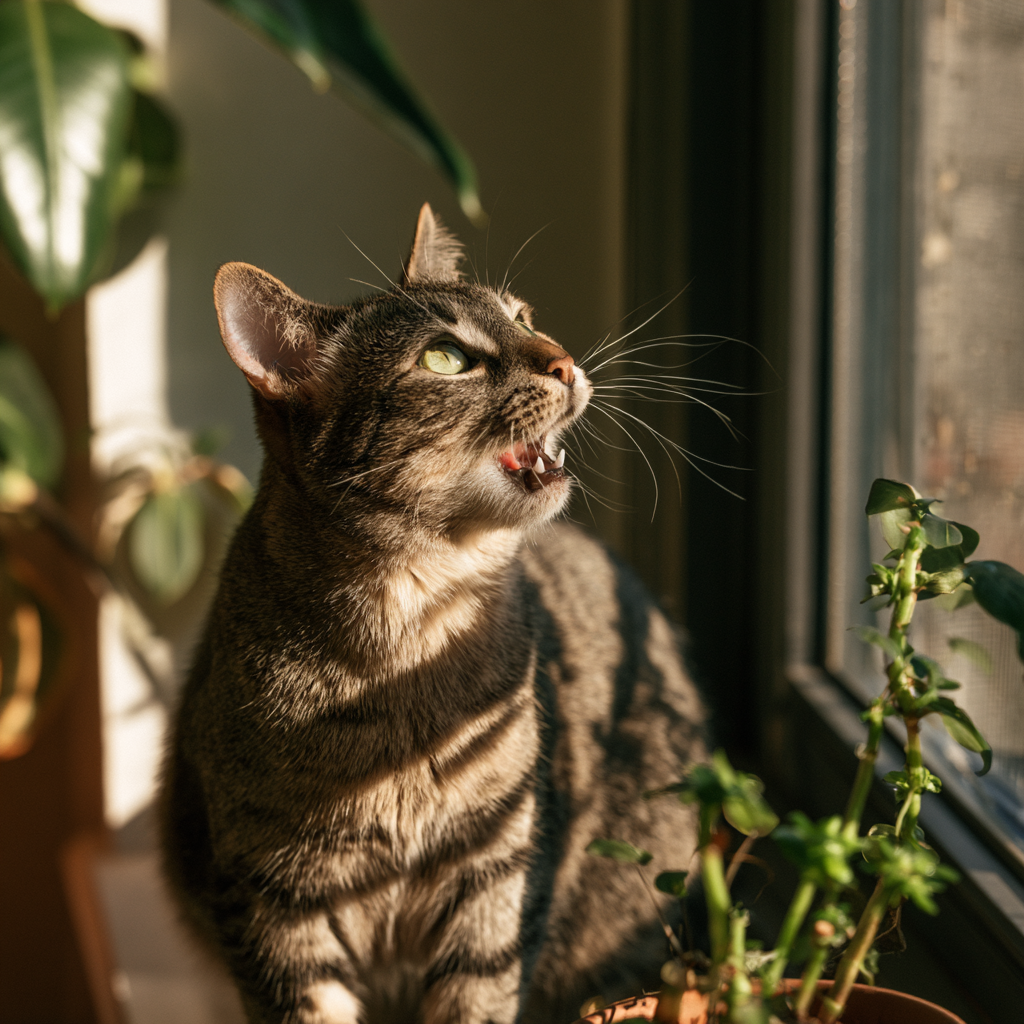
Health and Environmental Factors
Health issues that cause increased vocalization
Changes in vocalization can sometimes be linked to health problems. For instance, hyperthyroidism, a common condition in older cats, may cause increased vocalization, excessive hunger, and weight loss. Additionally, urinary tract infections, dental pain, or other ailments can lead to discomfort, prompting your cat to meow more frequently.
If your cat suddenly begins to meow excessively or if the vocalization is accompanied by other concerning symptoms—such as changes in appetite, lethargy, or alterations in grooming habits—it’s a good practice to monitor their behavior and consult with a veterinarian if the issue persists. Remember to observe not just how much they meow, but also any accompanying signs that might indicate a serious health concern, as early intervention is often critical for help.
Environmental factors influencing meowing
A cat’s environment can significantly influence its vocal behavior. Factors such as the presence of other animals, changes in routine, or even shifts in household dynamics can lead to increased vocalization as cats attempt to express anxiety or stress. For instance, a new pet adopted into the household may cause one cat to vocalize more frequently as it tries to establish boundaries or express discomfort with the change.
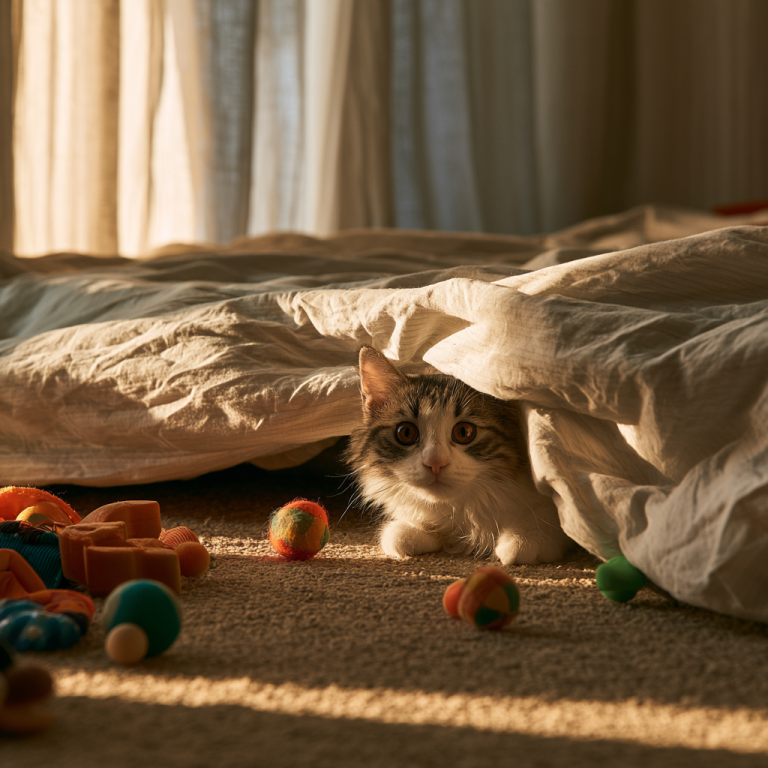
Environmental enrichment can help mitigate some of this stress. Engaging your cat with toys, interactive play, and designated quiet spaces can help reduce anxiety and, in turn, excessive meowing. Cats respond well to stimulation that allows them to play and showcase their natural hunting instincts, which may reduce their need for vocal communication.
Managing Excessive Meowing
How to reduce your cat’s excessive meowing
If you find your cat’s meowing becomes excessive, there are several steps you can take to help manage this behavior. Start by identifying the triggers that may be prompting your cat to vocalize so much. Follow these tips to help reduce excessive meowing:
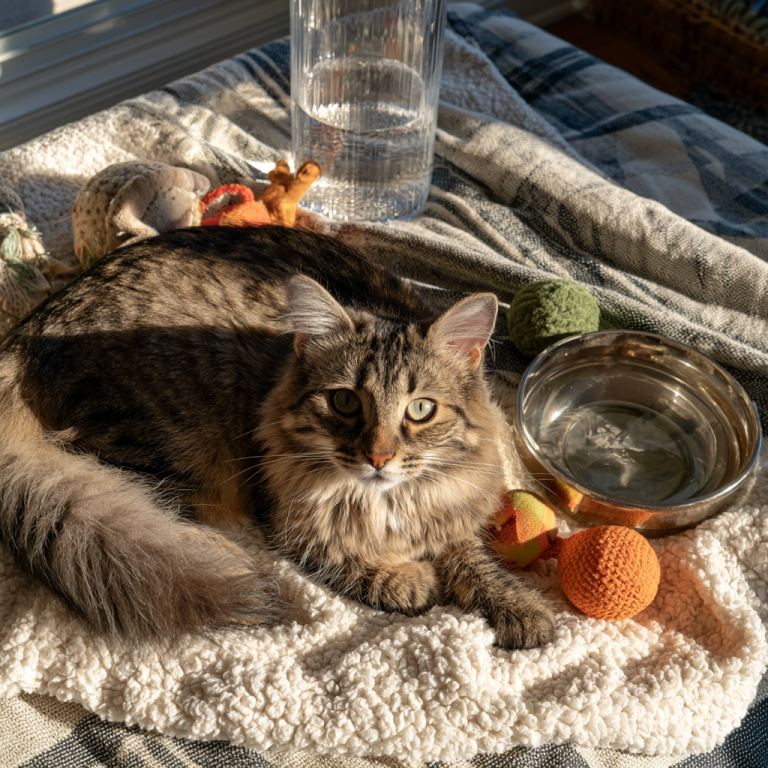
- Assess needs: Make sure your cat’s basic needs, such as food, water, and litter box cleanliness, are being met.
- Increase playtime: Spend more time interacting with your cat through play sessions to tire them out and satisfy their need for attention.
- Create a routine: Establish a consistent schedule for feeding, play, and interaction, providing stability and predictability.
- Environmental enrichment: Provide toys, climbing structures, and scratching posts to keep your cat engaged and distracted from excessive vocalization.
- Offer quiet spaces: Ensure your cat has access to serene zones where they can retreat when feeling overwhelmed or anxious.
Consistency is key—over time, these adjustments can help your cat feel more secure and may lessen their vocal tendencies.
When to seek veterinary advice for vocalization
While all cats meow, it is essential to discern when increased vocalization may necessitate veterinary intervention. If your cat’s meowing suddenly escalates without clear reasons, or if it is accompanied by other signs of distress or health issues such as vomiting, difficulty urinating, or notable behavioral changes, do not hesitate to consult a veterinarian. Additionally, if your cat becomes increasingly vocal during nighttime hours or is exhibiting signs of confusion, these could be indicators of underlying health issues that require professional insight.
Understanding and addressing your cat’s vocalizations can improve not only their quality of life but also enhance the bond you share. Keeping an open line of communication through observation and care solidifies the trust between you and your feline companion.
Frequently Asked Questions
Why do some cats meow more than others?
Some cats are naturally more vocal due to their personality traits and early life experiences, while others may be quieter. Individual differences among breeds also play a role, as some breeds are known for being more talkative.
Do cats meow to get our attention?
Yes, many cats will meow to get their owners’ attention, whether they seek interaction, food, or playtime. Cats quickly learn that vocalization is an effective way to communicate their needs.
What does it mean when a cat meows constantly?
Constant meowing may indicate that a cat is trying to express a specific need, such as hunger or attention, or it could signal discomfort or distress. It’s important to observe the context and any accompanying behaviors for clues.
Can stress cause a cat to meow more?
Yes, stress can lead to increased vocalization in cats. Stressors in the environment, such as changes in routine or conflicts with other pets, may cause a cat to vocalize excessively as a response.
How can I reduce my cat’s excessive meowing?
To reduce excessive meowing, identify potential triggers, provide mental and physical stimulation, establish a routine, and consider training commands. If challenges persist, seeking guidance from a veterinarian or animal behaviorist can be beneficial.