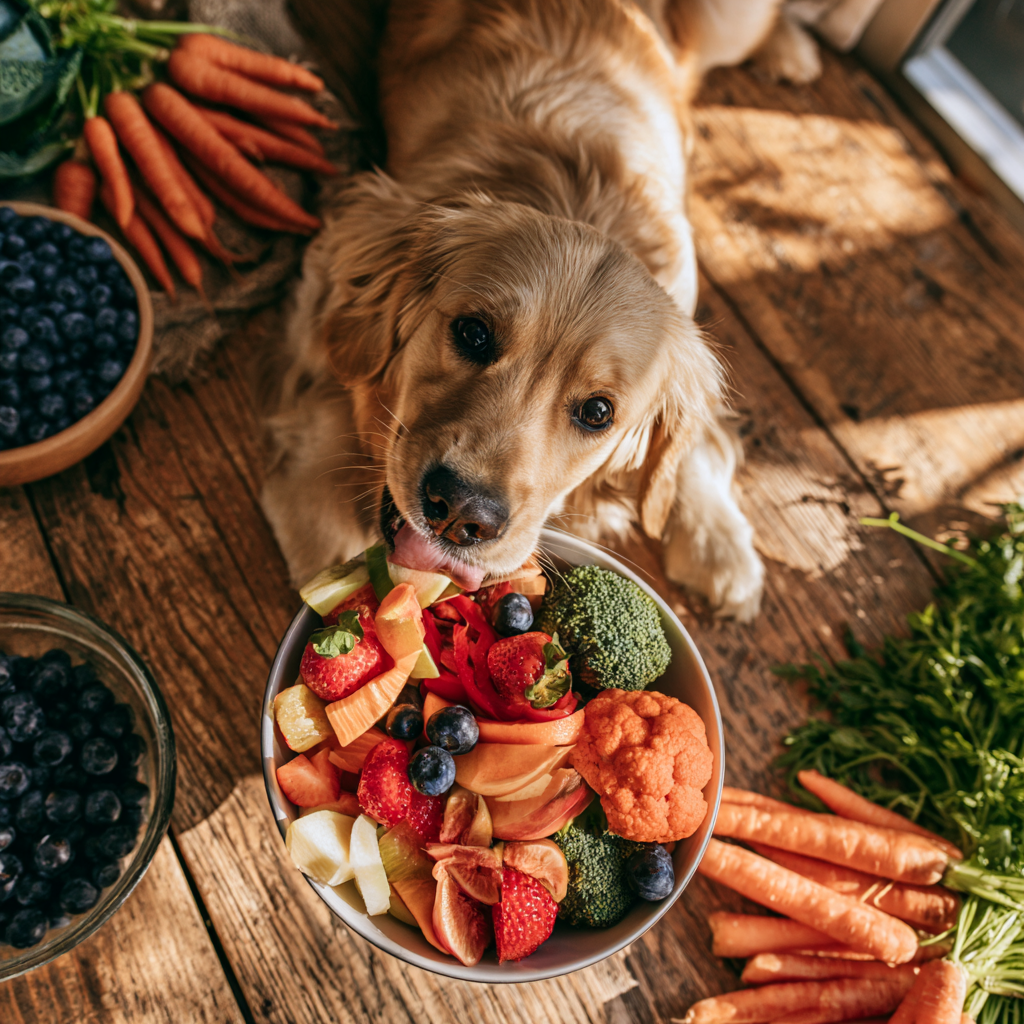
What Foods Can Dogs Eat? A Complete Guide for Pet Owners
What Foods Can Dogs Eat? Understanding what human foods are safe for our canine companions is essential for providing a balanced diet while also treating them to occasional delights. Dogs, like humans, need a variety of nutrients to thrive, and understanding their dietary needs can foster better health and happiness. In this guide, we will explore various food options, including fruits, vegetables, and other human foods that are safe and beneficial for dogs, and those that should be avoided.
Quick answer: Dogs can eat a variety of fruits, vegetables, and some human foods that are safe and healthy. However, it is crucial to avoid certain toxic foods and introduce new items gradually to monitor for any adverse reactions.
What Foods Can Dogs Eat? An Overview
Understanding Dog Nutrition
To maintain optimal health, dogs require a balanced diet that consists of proteins, fats, carbohydrates, vitamins, and minerals. Proteins assist in muscle formation and repair, while fats provide energy and support cell health. Carbohydrates play a pivotal role in digestion and energy sustainment. Essential vitamins and minerals contribute to bone strength, immune function, and overall vitality. It’s imperative to ensure that the food you provide meets the nutritional guidelines suggested by organizations like the American Kennel Club (AKC), tailored to your dog’s age, breed, and size.
Observing how your dog reacts to various foods is essential, as individual preferences can differ, and some dogs may have specific allergies or sensitivities to certain ingredients. Monitoring their weight is also crucial; overfeeding can lead to obesity, which is a common concern in domestic dogs.
How to Prepare Food for Your Dog
When preparing food for your dog, safety and cleanliness should be top priorities. Ensuring that all ingredients are fresh and free from contaminants can help prevent health issues. Here are simple recommendations:
- Wash fruits and vegetables thoroughly to remove pesticides and dirt.
- If cooking meat, ensure it is properly cooked without any seasonings, sauces, or additives that could harm dogs.
- Cut foods into manageable pieces to avoid choking hazards, especially for smaller breeds.
- Introduce new foods gradually, mixing them with regular meals to observe how your dog responds.
This process encourages healthy eating habits and prevents digestive upsets.
Safe Fruits for Dogs
Apples and Their Benefits
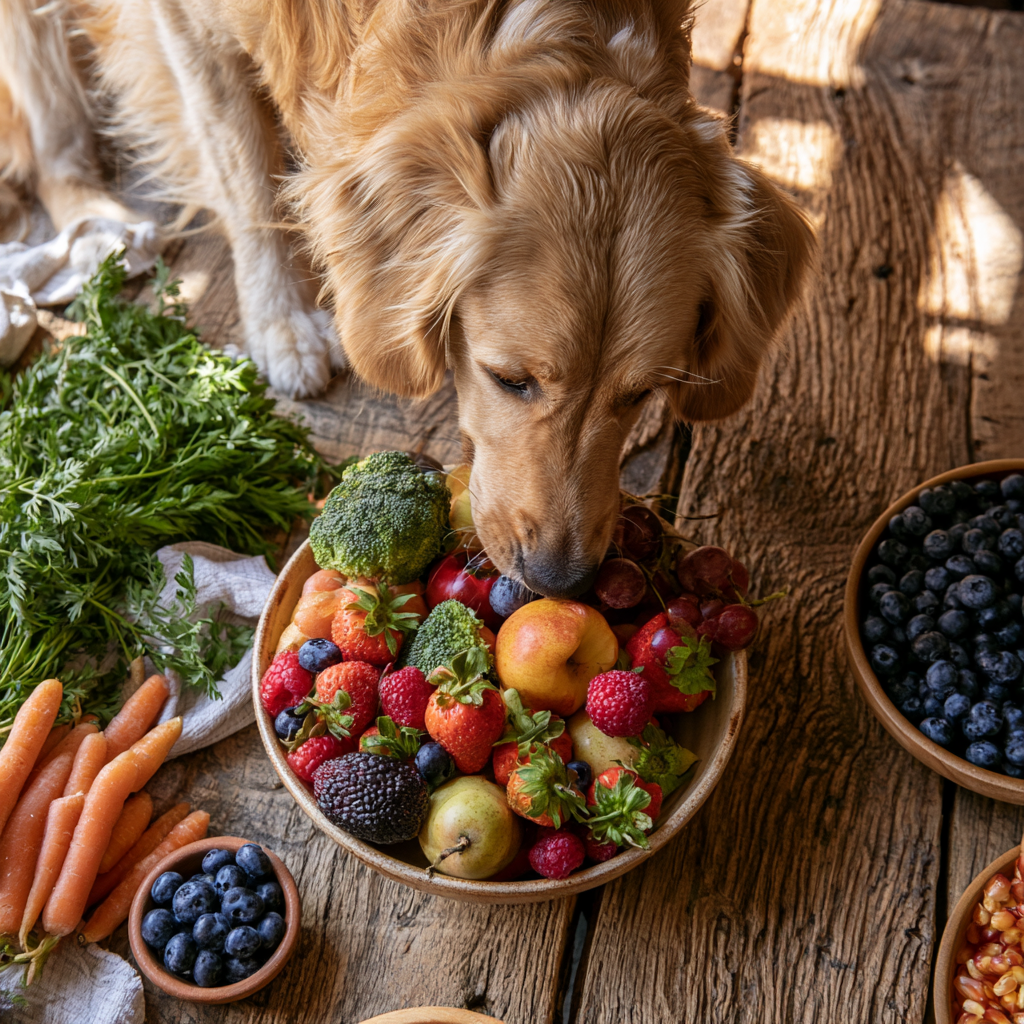
Apples can be a refreshing snack for dogs and are an excellent source of vitamins A and C, as well as fiber. They can promote dental health by helping to clean teeth as your dog chews. It’s best to serve apples in small, manageable slices, making sure to remove the seeds and core as these can pose a choking hazard or contain cyanide, which is toxic in large amounts.
Some dogs may prefer apples with the skin on, but it’s a good idea to assess your dog’s tolerance. If they show signs of digestive distress, consider peeling them in the future.
Blueberries for Antioxidants
Blueberries are packed with antioxidants that can benefit your dog’s immune system and overall health. They are also low in calories, making them an excellent treat option for dogs watching their weight. You can serve them fresh, freeze them for a cool snack, or even mash them into homemade dog treats.
Always observe how your dog reacts to any new food. While blueberries are generally safe, individual dogs may have unique digestive responses.
Vegetables Dogs Can Enjoy
Carrots as a Crunchy Snack
Carrots are a popular and nutritious treat that many dogs enjoy. High in beta-carotene, carrots can contribute to good vision and a healthy skin coat. They are low in calories, making them a suitable option for dogs on a diet. Raw carrots can be a crunchy snack, providing both hydration and stimulation while chewing.
Always cut carrots into appropriate-sized pieces, particularly for smaller breeds. Some dogs might prefer them cooked, as this can make them softer and easier to chew, but avoid adding any seasoning.
Pumpkin for Digestive Health
Pumpkin is another fantastic option for dog diets. It’s rich in fiber, which can aid in digestion and help regulate bowel movements. A small amount of plain cooked or canned pumpkin (not pumpkin pie filling) can be mixed into your dog’s food as a supplement.
Incorporating pumpkin into meals can also help alleviate issues such as diarrhea or constipation, providing relief for dogs with sensitive stomachs. However, always start with small amounts to monitor tolerance.
Common Human Foods Dogs Can Eat
Cooking with Chicken for Dogs
Chicken is often a primary protein source for many commercial dog foods, and cooked chicken can be an excellent addition to homemade diets as well. Always ensure that the chicken is thoroughly cooked and free from bones, as these can splinter and cause choking or digestive blockages.
You can mix shredded chicken into your dog’s food for enhanced flavor or use it as a reward during training sessions. However, watch for any signs of allergies, which some dogs may develop over time.
Rice and Pasta in Dog Diets
Plain, cooked rice and pasta can also be safely included in your dog’s diet. They provide carbohydrates that can offer energy and are particularly helpful for dogs recovering from digestive issues. Be sure to prepare them without any spices, sauces, or additives that could be harmful.
When introducing rice or pasta, consult with your veterinarian, especially if your dog has any pre-existing health conditions or dietary restrictions.
Foods to Avoid for Dogs
Common Toxic Foods to Stay Away From
Certain human foods can pose severe risks to dogs. These include:
- Chocolate: Contains theobromine, which is toxic even in small quantities.
- Grapes and raisins: Can lead to kidney failure in some dogs.
- Onions and garlic: These can damage red blood cells and lead to anemia.
- Xylitol: A sugar substitute found in many sweets and gum, which can cause insulin shock.
Being aware of these toxic foods is essential for keeping your dog safe. Familiarize yourself with other harmful ingredients and ensure that guests are aware of your dog’s dietary restrictions.
Understanding Food Allergies in Dogs
Food allergies in dogs may manifest through various symptoms such as skin irritations, gastrointestinal distress, or chronic ear infections. Common allergens include beef, dairy, wheat, and chicken. If you suspect your dog might have a food allergy, consult your veterinarian for guidance on elimination diets and allergy testing.
Keeping a food diary can also be useful for tracking what your dog consumes and any reactions that occur subsequently.
Treats and Snacks Suitable for Dogs
Homemade Dog Treat Recipes
Making homemade dog treats can be a rewarding activity, providing a chance to offer your dog healthy, nutritious snacks without preservatives. Here’s a simple recipe to try:
- 1 cup whole wheat flour
- 1/2 cup unsweetened applesauce
- 1/2 cup peanut butter (ensure it’s xylitol-free)
- 1 egg
Mix ingredients, roll into shapes, and bake at 350°F (175°C) for about 15 minutes. Always let them cool completely before offering them to your dog.
Choosing Store-Bought Dog Treats
When selecting store-bought treats, always read labels carefully. Look for products that prioritize natural ingredients and avoid those with artificial additives, fillers, or excessive sugars. Opt for treats that align with your dog’s dietary needs and monitor how they react to new snacks.
Consulting with your veterinarian can also help in making informed choices, especially if your dog has specific dietary preferences or needs.
Frequently Asked Questions
What fruits can dogs eat?
Dogs can safely eat a variety of fruits, including apples, blueberries, bananas, and watermelon. It’s important to remove seeds and cores and introduce them gradually to see how your dog reacts.
Are vegetables safe for dogs?
Many vegetables are safe for dogs, such as carrots, green beans, and pumpkin. However, be sure to cut them into appropriate sizes and monitor your dog for any adverse reactions.
Can dogs eat chicken?
Yes, cooked chicken is generally safe for dogs and can be a great source of protein. Always ensure the chicken is boneless and free from oils or seasonings.
What human foods are toxic to dogs?
Some human foods toxic to dogs include chocolate, grapes, raisins, onions, garlic, and xylitol. It’s essential to keep these foods out of reach to prevent serious health issues.
How to introduce new foods to dogs?
Introduce new foods to dogs gradually by mixing a small amount with their regular food. Monitor their reaction to identify any potential allergies or sensitivities.
What common snacks can dogs have?
Common snacks suitable for dogs include plain cooked meats, certain fruits like apples and bananas, and vegetables such as carrots and green beans. Always ensure they are served in safe portions.
Is peanut butter safe for dogs?
Peanut butter is generally safe for dogs as a treat, provided it is free from xylitol. Always serve it in moderation to avoid excessive calorie intake.
What should I avoid feeding my dog?
Avoid feeding your dog foods like chocolate, grapes, raisins, onions, and anything containing xylitol. Always check for harmful ingredients in both homemade and store-bought foods.