How to Help a Dog With Separation Anxiety: 4 Effective Strategies
How to Help a Dog With Separation Anxiety is a concern faced by many dog owners, as this condition can significantly affect a pet’s quality of life. Understanding the symptoms and underlying causes is the first step towards effective management. By employing a variety of practical strategies, owners can help their dogs become more comfortable when left alone, leading to a happier and more relaxed pet.
Quick answer: To help a dog with separation anxiety, observe for signs of distress, identify underlying causes, and implement gradual training techniques. Environmental adjustments and therapeutic aids may also be beneficial, and consulting a professional can provide additional support.
Understanding the Symptoms of Separation Anxiety
Recognizing the Signs of Anxiety
Identifying separation anxiety in dogs is crucial for implementing effective solutions. Symptoms may vary from one dog to another, but common signs include:
- Destructive behavior: Excessive chewing, digging, or clawing at doors and windows while you’re away.
- Vocalization: Continuous barking, whining, or howling during your absence.
- Inappropriate elimination: Urinating or defecating indoors, even if house-trained.
- Restlessness: Pacing or circling when left alone, displaying an inability to settle down.
- Soliciting attention: Clinginess when you are home, often following you from room to room.
It’s essential to remember that not all signs of distress are indicative of separation anxiety. Context matters, and observing your dog’s behavior in various situations can clarify whether the anxiety occurs specifically during separations.
Common Causes of Separation Anxiety
Understanding the root causes of separation anxiety is key to addressing it effectively. Often, anxiety originates from:
- Poor early socialization: Dogs that weren’t adequately exposed to being alone during their critical developmental stages may struggle with separation later on.
- Past trauma: Experiences like abandonment, neglect, or abuse can lead to a heightened fear of separation.
- Changes in routine: Sudden shifts in environment or family dynamics, such as moving homes or the loss of a family member (human or pet), can trigger anxiety.
- Genetics: Some breeds, due to their temperament, may be more predisposed to anxiety issues, with individual variation influencing how each dog responds.
Recognizing these causes helps in tailoring a response that addresses the individual dog’s needs and circumstances.
How to Help a Dog With Separation Anxiety
Practical Training Techniques to Reduce Anxiety
Training your dog to cope with separation anxiety requires patience and consistency. Gradual desensitization is often recommended as a primary technique. This involves:
- Short departures: Begin by leaving your dog alone for a few minutes and gradually increasing the time as they become more comfortable.
- Positive reinforcement: Reward your dog with treats or praise when they remain calm during your absence.
- Training cues: Use cues such as “stay” to build your dog’s independence, helping them learn that being alone can be a positive experience.
- Practice leaving and returning: Make your departures and arrivals low-key to prevent signaling that leaving is a negative experience.
Every dog is unique; therefore, it’s crucial to monitor how your pet responds to each step and adjust the approach accordingly. Over time, you may notice that your dog is less anxious during your absences.
Environmental Adjustments to Create a Safe Space
Creating a safe and comforting environment is essential when managing a dog with separation anxiety. Implement the following changes:
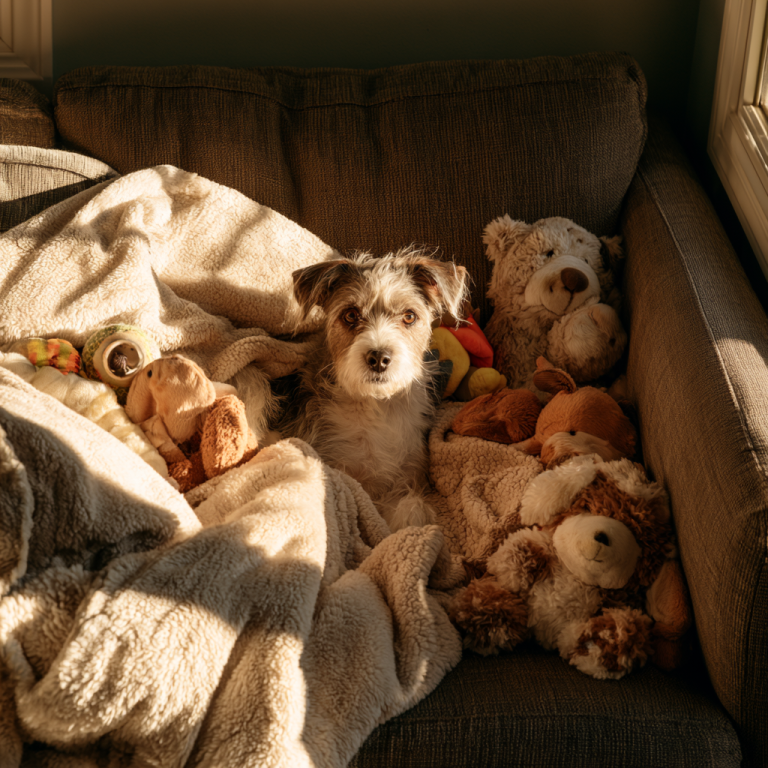
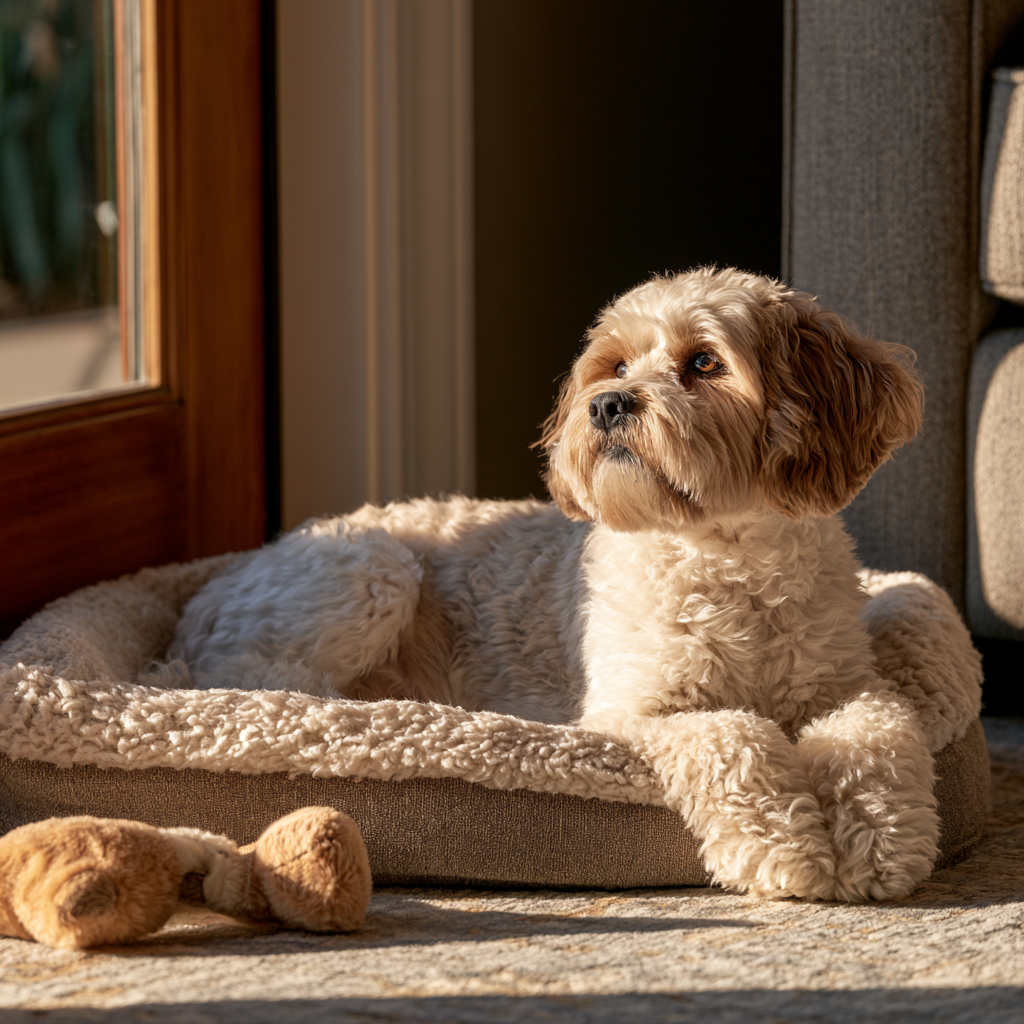
- Safe area: Designate a specific room or area with their bed, favorite toys, and familiar smells. This should be a space where they feel secure.
- Background noise: Leaving a TV or radio on may drown out noises outside that could trigger anxiety, offering a sense of companionship.
- Comfort items: Providing an item with your scent, like an old shirt, can help comfort your dog in your absence.
- Interactive toys: Puzzle toys or treat-dispensing toys can keep your dog mentally stimulated and distracted while you’re away.
These adjustments can help establish a calming environment, allowing your dog to feel safer and more settled.
Using Therapeutic Aids and Seeking Professional Help
In some cases, additional support through therapeutic aids or professional help can greatly benefit dogs with separation anxiety. Consider the following options:
- Calming supplements: Products that contain ingredients like melatonin, valerian root, or L-theanine can support relaxation. Always consult your veterinarian for recommendations suited to your dog’s specific needs and health considerations.
- Thundershirts: These pressure wraps can provide a sense of security for anxious dogs, functioning similarly to swaddling an infant.
- Professional training: Enlisting the help of a certified dog trainer or behaviorist can provide tailored strategies. They can offer guidance suited to your dog’s temperament and the unique challenges you face.
- Veterinary assistance: If anxiety persists despite your efforts, a vet may recommend medication to help manage behavior alongside training efforts. This should always be considered within the context of a comprehensive approach.
Finding the right combination of techniques and aids may take time. The key is to remain observant, adapt strategies based on your dog’s responses, and know when to seek help.
When implementing these strategies, stay patient and committed to the process. Progress might be gradual, but with persistence, you can help your dog better manage their anxiety.
Frequently Asked Questions
What causes separation anxiety in dogs?
Separation anxiety in dogs can stem from a variety of factors, including a lack of early socialization, trauma or loss of a companion, or drastic changes in their environment or routine. Individual history significantly influences a dog’s tendency to develop anxiety.
How do I know if my dog has separation anxiety?
Signs of separation anxiety may include excessive barking or whining, destruction of household items, pacing, drooling, and distress upon your departure or return. Observing these behaviors can help identify if your dog is experiencing anxiety when left alone.
What are effective training methods for anxious dogs?
Effective training methods include desensitization, where you gradually increase the time you are away, and counter-conditioning, which associates your departures with positive experiences. Reinforcing calm behavior through commands and rewards can also be beneficial.
Can certain products help with dog separation anxiety?
Yes, therapeutic aids such as calming collars, pheromone diffusers, and anxiety-reducing supplements can assist dogs facing separation anxiety. However, it’s important to monitor their effectiveness and consider individual responses.
How long does it take to train a dog with separation anxiety?
The time it takes to train a dog with separation anxiety varies greatly based on the individual dog’s history, temperament, and consistency of training techniques. Progress may be slow, but persistent, positive reinforcement can lead to improvement over weeks or months.
Are there any natural remedies for dog anxiety?
Natural remedies for dog anxiety can include calming supplements derived from herbs like chamomile and valerian or incorporating products such as anxiety wraps that provide gentle pressure. Always consult with a veterinarian before administering any remedies.
What are the signs my dog is anxious when I leave?
Signs that your dog may be anxious when you leave include vocalizations like barking or whining, attempts to escape, destructive behavior, and signs of distress such as pacing or excessive panting. Observing your dog’s behavior during absences can reveal anxiety levels.
How to help a puppy with separation anxiety?
To help a puppy with separation anxiety, implement gradual desensitization, start with short departures, and create a safe space filled with comforting toys. Positive reinforcement during calm moments can help build their confidence when left alone.