How to Tell If Your Dog Is Happy: Key Indicators
How to Tell If Your Dog Is Happy is a question many pet owners seek to answer. Understanding the signs of happiness can enhance the bond between you and your furry companion, ensuring their needs are met. Dogs communicate primarily through body language, vocalizations, and behaviors, which can reveal a lot about how they are feeling on a given day. Being attuned to these indicators allows us to provide an environment that fosters joy and well-being.
Quick answer: To determine if your dog is happy, observe their body language, vocalizations, playfulness, and how they respond to bonding activities. Signs of happiness may include a wagging tail, an eager stance during play, and a relaxed demeanor. However, be aware of context to accurately interpret their emotions.
Understanding Canine Body Language
Physical cues of happiness in dogs
Dogs express their emotions in various physical ways, and recognizing these can help you understand how to tell if your dog is happy. A relaxed dog will exhibit several key bodily signals:
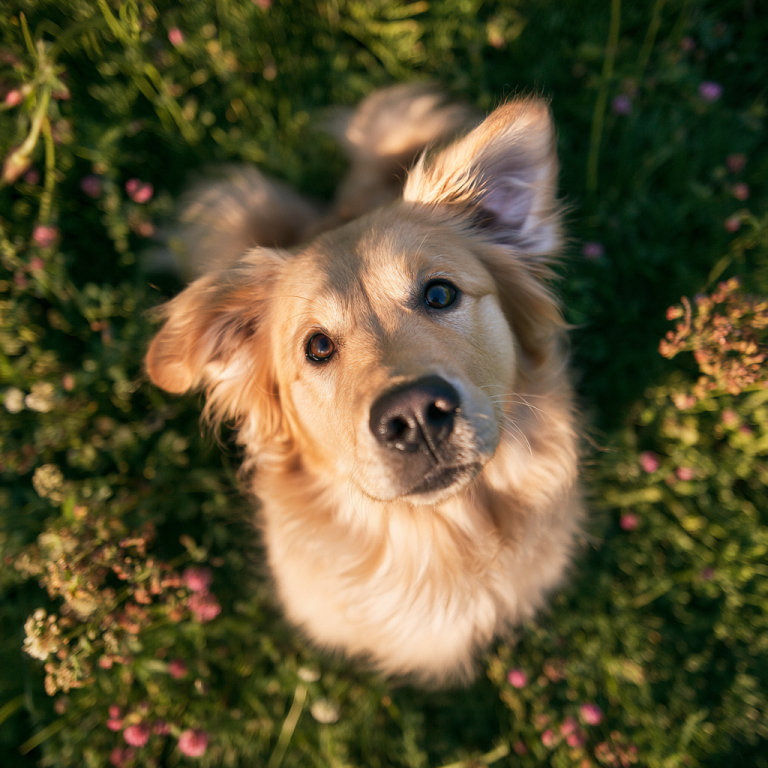
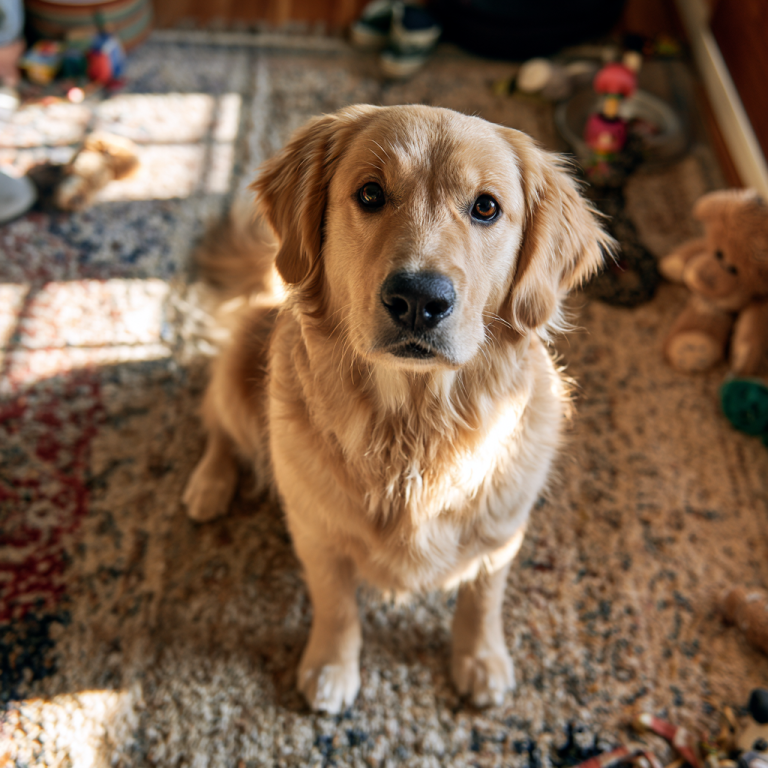
- Relaxed posture: A happy dog typically has its body relaxed, with its head held high and ears in a neutral position. This contrasts with tense or stiff body language, which may indicate discomfort or stress.
- Soft eyes: Look for bright, soft eyes without the whites showing prominently. A dog whose eyes appear squinty and calm is often feeling content.
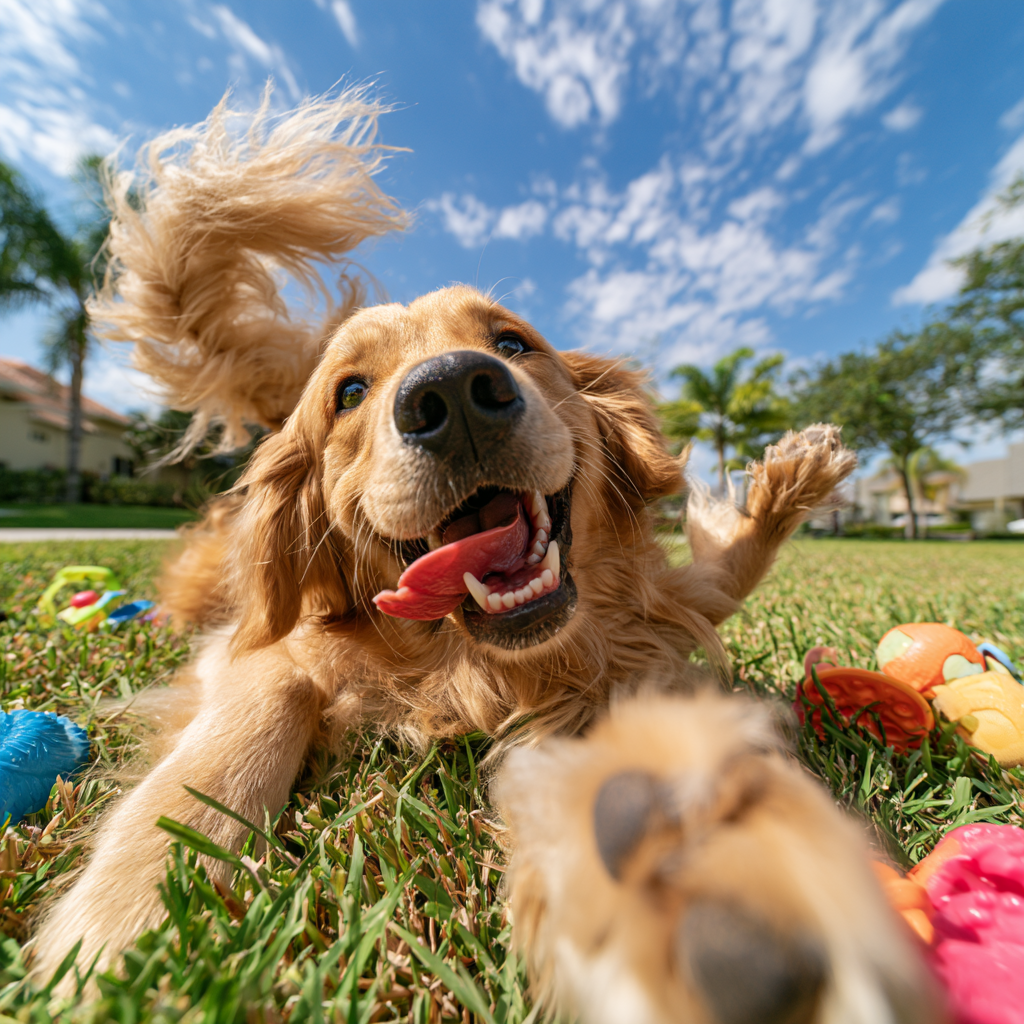
- Open mouth: Often described as a “smiling” stance, a slightly open mouth with a relaxed jaw can suggest happiness. This is different from panting, which can indicate excitement or a reaction to heat.
By focusing on these physical cues, you can gauge your dog’s emotional state and work towards creating a happy atmosphere.
Importance of tail wagging
Tail wagging is one of the most recognized signals of canine emotion. However, not all tail wags are created equal. A happy tail wag usually has several characteristics:
- High and fast wagging: A tail held high and wagging rapidly suggests excitement and joy. Pay attention to the overall body movement, as this reinforces happy feelings.
- Whole-body wagging: When a dog appears to wag its entire body in sync with the tail, it’s often a clear sign of a joyful disposition.
- Fluid motion: A happy wag will be smooth and continuous, while erratic or stiff wagging may indicate unease or agitation.
Despite the general indicators, it’s essential to interpret tail wagging in the context of the dog’s overall behavior. A wagging tail combined with a tense body or other signs of distress can suggest mixed emotions or anxiety rather than pure happiness.
How to Tell If Your Dog Is Happy in Daily Life
Playfulness and its significance
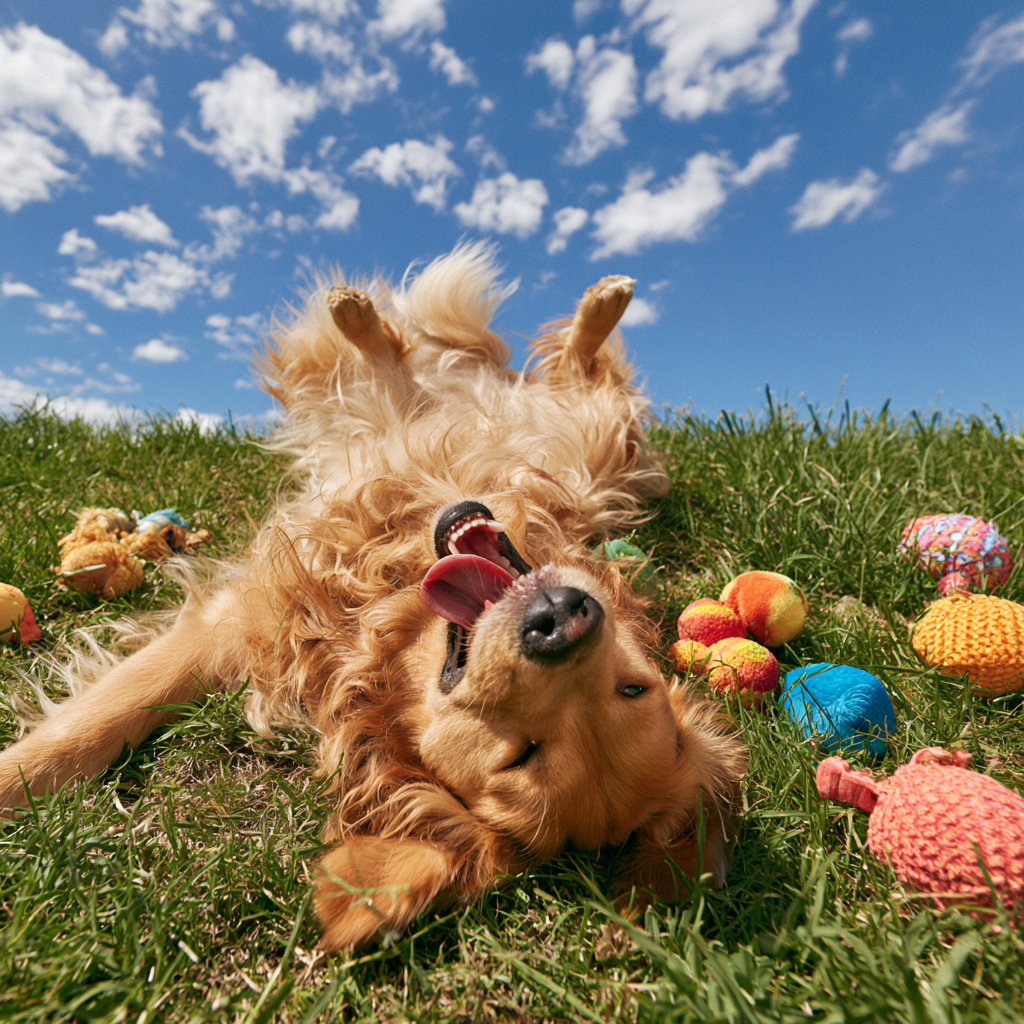
Playfulness is often a direct indicator of a dog’s happiness. Engaging in playful behavior not only showcases joy but also benefits their physical and mental health. Signs that your dog is happy during play might include:
- Invite to play: A playful dog may approach with a play bow, where they lower their front legs while keeping their rear end in the air, signaling eagerness for interaction.
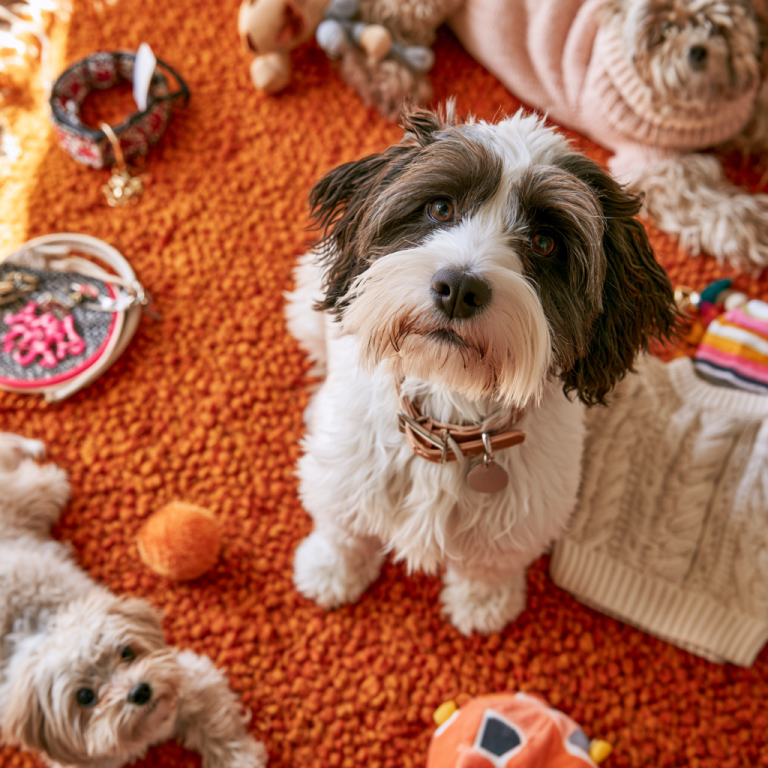
- Engagement with toys: Happy dogs will actively seek out toys, retrieve them, and enjoy chasing them around. This demonstrates both happiness and enthusiasm.
- Social play: If your dog enjoys interacting with other dogs or people during play, this social behavior can be a strong indication of their happiness.
Observing your dog’s play behavior can also give you insights into their preferences and personality, allowing for more tailored activities that promote happiness.
Vocalizations and their meanings
Vocalizations play a significant role in how to tell if your dog is happy. Dogs use various sounds to communicate, and some vocalizations are particularly associated with positive feelings:
- Barking with enthusiasm: A happy bark tends to be higher-pitched and consistent, often accompanied by play behavior. In contrast, low, growly barks may signal displeasure or frustration.
- Whining or whimpering: While whining can sometimes indicate distress, it can also suggest excitement when your dog is anticipating playtime or your arrival home.
- Howling: Some breeds howl when they are happy, especially if they are vocalizing along with music or in response to other dogs.
Being attentive to these sounds, especially in different contexts, can enhance your understanding of your dog’s emotional state. Always consider the surrounding environment and any concurrent behaviors to determine the exact meaning behind their vocalizations.
Interactions that Enhance Happiness
Regular exercise and mental stimulation
To keep your dog happy, establishing a routine that includes regular exercise and mental engagement is key. Engaging activities provide an outlet for pent-up energy and enhance their overall well-being. Here are some effective options:
- Daily walks: These not only provide physical exercise but also expose dogs to new smells, sights, and sounds, which can enhance their mood.
- Interactive toys: Puzzle feeders or treat-dispensing toys encourage dogs to work for their treats, providing mental stimulation that can lead to satisfaction and happiness.
- Training sessions: Teaching new tricks or commands can be both mentally rewarding and a bonding experience, fostering happiness through positive reinforcement.
By making these activities part of your daily routine, you can greatly improve your dog’s emotional health and happiness.
Bonding activities that promote joy
Bonding activities play a crucial role in ensuring your dog’s happiness. Engaging with your pet in meaningful ways fosters a strong relationship built on trust and love. Consider incorporating the following activities:
- Quality time: Simply spending time together, whether watching TV or lounging, can strengthen your bond and provide comfort to your dog.
- Outdoor adventures: Hiking, playing at the dog park, or even a swim at a dog-friendly beach can all be exciting ways to engage your dog and create lasting memories.
- Massage and grooming: These physical interactions not only promote relaxation but also allow you to check your dog’s body for any abnormalities while nurturing your relationship.
These bonding activities enhance your dog’s happiness by providing companionship, love, and trust that is essential to their emotional well-being.
Cautionary Signs of Stress
Recognizing stress in happy dogs
While we often look for signs of happiness, it is equally important to be aware of indicators that may suggest stress or anxiety, even in dogs that typically appear to be happy. Some common signs of stress to watch for include:
- Excessive panting: Though panting can occur during play, excessive panting at rest might indicate discomfort or anxiety.
- Avoidance behavior: If your dog turns away, hides, or shows signs of reluctance to engage, it may be experiencing stress.
- Tail position: A tail that is tucked between the legs, especially if coupled with other signals like flattened ears, suggests fear or anxiety rather than joy.
By staying attuned to these behaviors, you can address any underlying issues and help maintain a positive environment for your pet.
When happiness can turn to anxiety
It’s important to recognize that happiness can sometimes transition into anxiety, particularly if a dog feels overwhelmed or stressed. Situations like loud noises, sudden changes in routine, or introductions to new pets can trigger this response. Signs that your dog’s happiness is turning into anxiety include:
- Restlessness: Pacing, whining, or performing repetitive actions can indicate that your dog is on edge and feeling anxious.
- Destructive behavior: A normally calm and happy dog may chew on furniture or objects when feeling overwhelmed or anxious.
- Change in demeanor: A previously playful dog that suddenly withdraws or becomes less interactive may be experiencing anxiety due to a triggering factor.
Being attentive to these shifts in behavior, along with encouraging calmness and reassurance, can help manage your dog’s emotional health effectively.
Frequently Asked Questions
What are the signs of a happy dog?
Happy dogs typically display relaxed body language, playful behavior, and a wagging tail. They may also engage positively with their environment and demonstrate excitement when interacting with people or other animals.
How to tell if my dog is excited?
Signs of an excited dog include wagging tails, playful barking, a bright demeanor, and enthusiastic movements such as jumping or spinning. These behaviors are often accompanied by a playful posture, inviting interaction.
Can dogs smile?
Dogs may not ‘smile’ in the same way humans do, but they can show their happiness through relaxed facial expressions, open mouths, and bright, soft eyes. These cues can resemble a smile, indicating a state of joy or contentment.
What behaviors indicate my dog is content?
A content dog often exhibits relaxed body language, including a wagging tail and relaxed ears. They may also engage in quiet play or cuddle with their owners, demonstrating ease and comfort within their environment.
How to know if my dog feels safe?
A dog that feels safe will generally display relaxed posture, engage playfully, and approach people or other dogs with confidence. Their body language, such as a relaxed tail and open mouth, typically indicates comfort and security.
Why is my dog acting differently?
Changes in behavior can signal stress, anxiety, or health issues. Observing the context of these behaviors, such as recent changes in the environment or routine, can help identify potential triggers and determine whether professional help is needed.
What to do if my dog shows signs of anxiety?
If your dog shows signs of anxiety, it’s essential to create a calm environment and monitor their behavior closely. Consulting with a veterinarian or a certified animal behaviorist can help develop a tailored strategy to address their specific needs.