Why Does My Dog Stare at Me? Understanding the Behavior
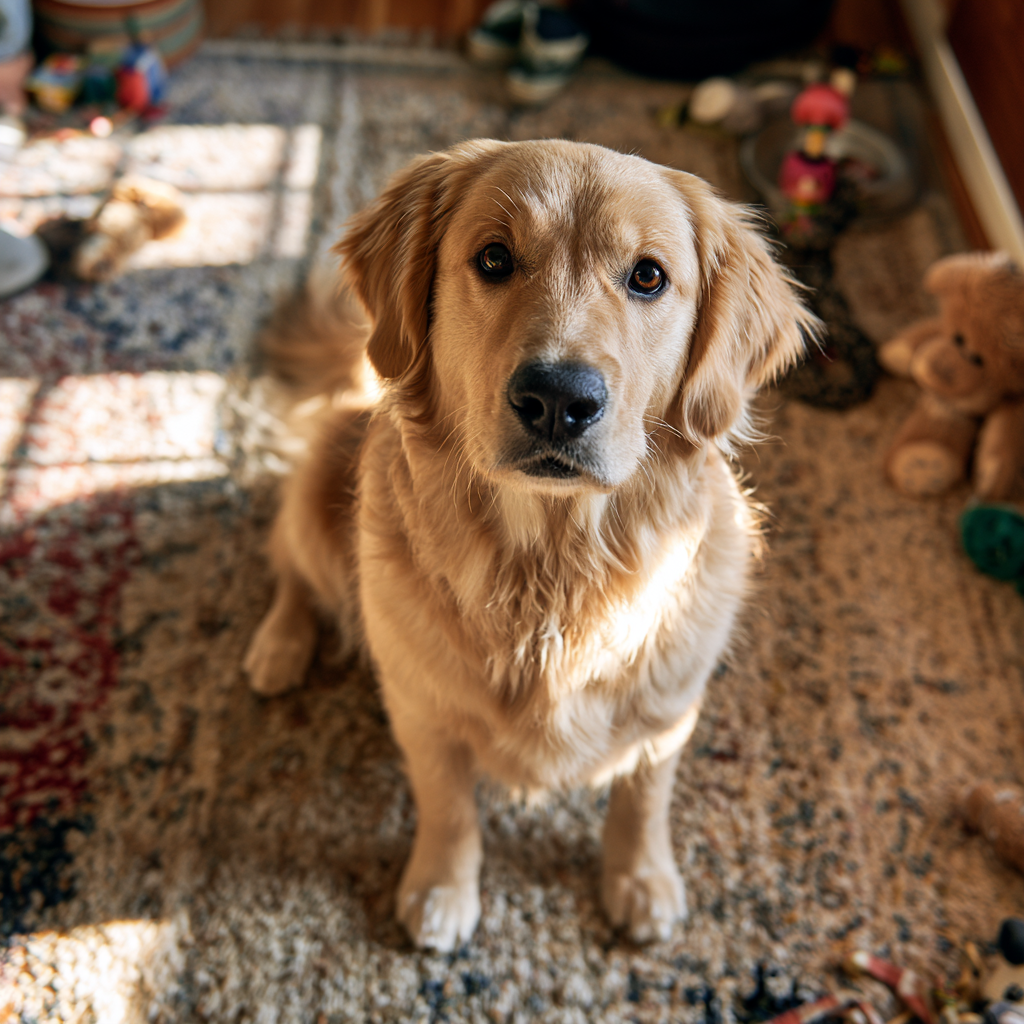
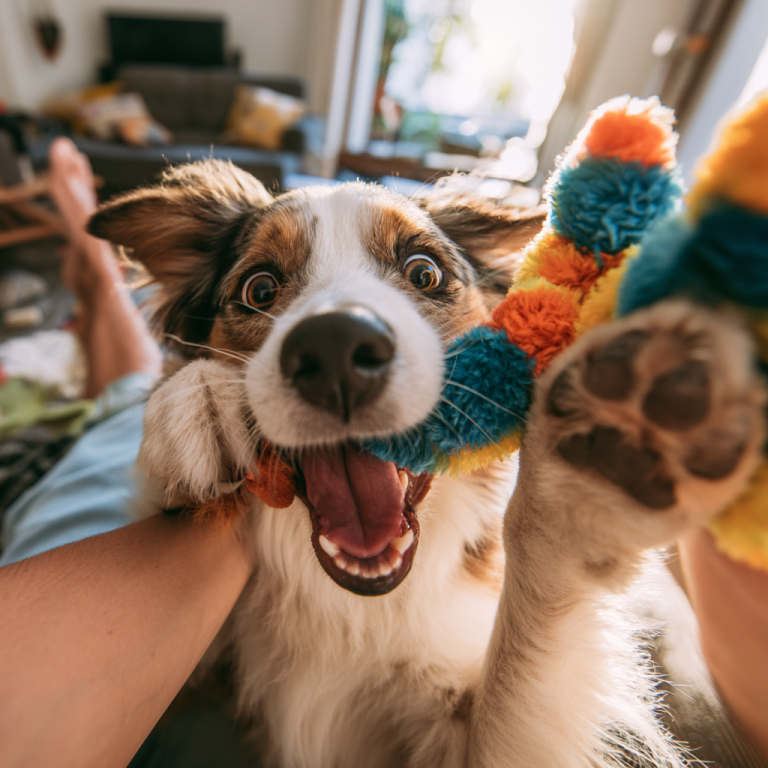
Why Does My Dog Stare at Me? This is a question many dog owners find themselves asking, especially during those moments when your furry friend seems fixated on you, eyes wide and unblinking. Understanding this behavior is key to better communication and a stronger bond with your dog. It’s not always straightforward why our canine companions hold our gaze, but a deep dive into their behaviors and motivations can provide some clarity.
Quick answer: Dogs may stare at us to express affection, seek attention, communicate needs, or showcase anxiety. Recognizing the context and accompanying body language is essential for accurately interpreting this behavior.
Why Does My Dog Stare at Me? Exploring the Behavior
Understanding dog affection through eye contact
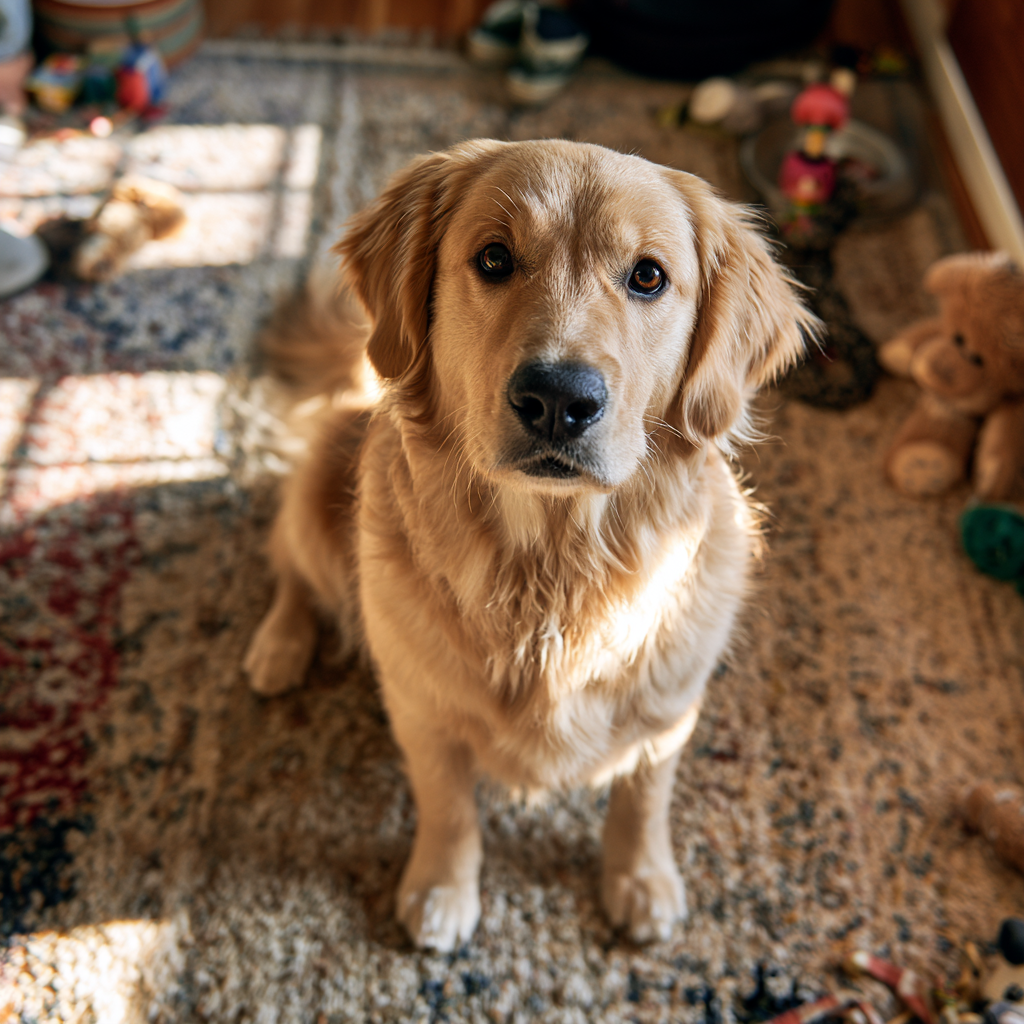
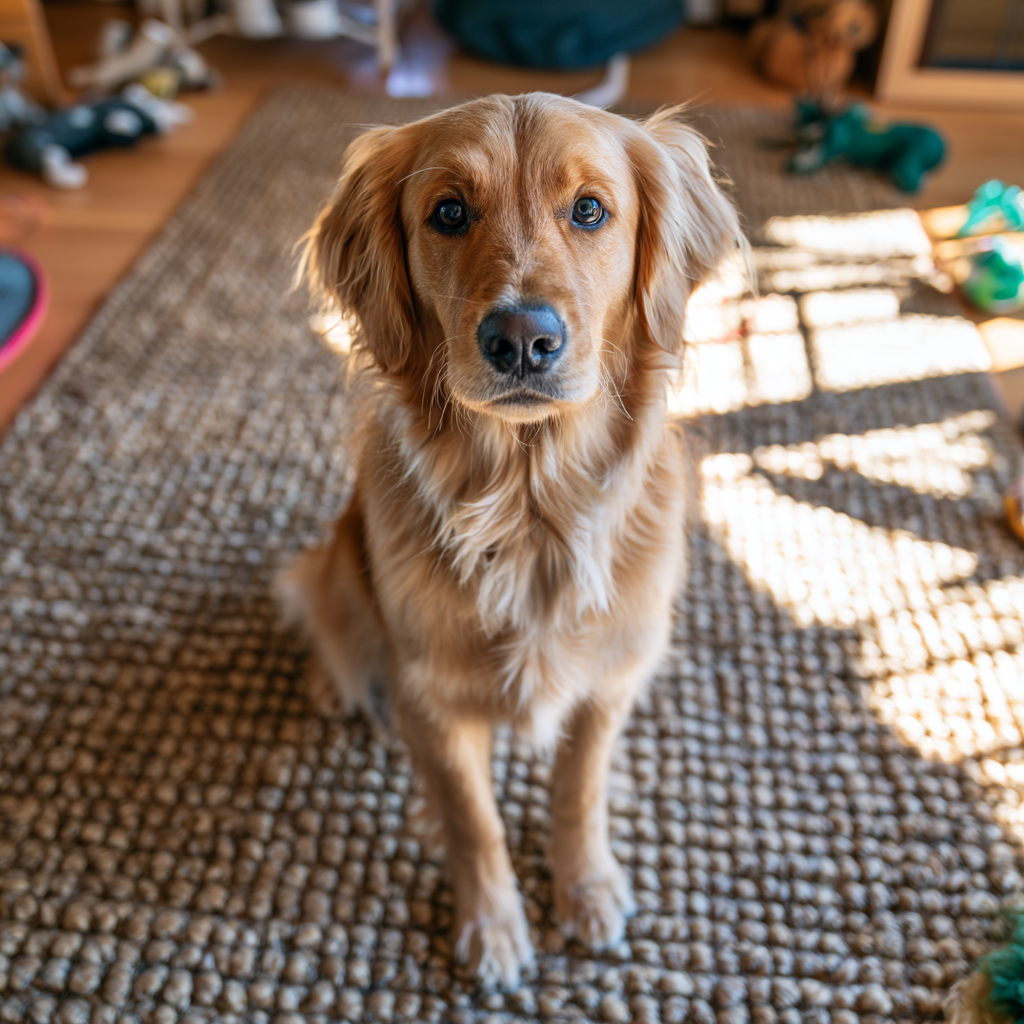
Many dog owners find themselves melting under their pet’s gaze, and there’s a reason for this emotional connection. When dogs stare at us, particularly with relaxed eyes, it can be a sign of affection. Dogs have evolved alongside humans for thousands of years, and this gaze can foster a deep bond between species.
Research suggests that mutual eye contact between dogs and their human companions can trigger the release of oxytocin, known as the “love hormone.” When your dog looks at you with soft eyes and perhaps even approaches, it’s likely expressing trust and an emotional connection. For example, you might notice your dog gazing at you while you’re both lounging on the couch, their eyelids slightly droopy and a relaxed posture. This is a positive interaction indicating comfort and love.
The implications of direct eye contact in dogs
While affectionate staring is a significant aspect of how dogs interact with us, direct eye contact can convey various messages depending on the context. In canine body language, sustained staring can also be seen as a challenge or a signal of dominance, especially among unfamiliar dogs.
If your dog stares at another dog with a tense body, raised hackles, and an open mouth, it could be an assertive gesture. Similarly, if a dog you’ve just met locks eyes with you wide-eyed while backing away, it could be a sign of discomfort or fear. Thus, understanding the nuances of your dog’s body language and the context of the gaze is crucial. If you observe signs of stress, such as lip licking or yawning, it’s best to give your dog space and redirect their attention.
Interpreting Your Dog’s Stare
Staring as a communication tool
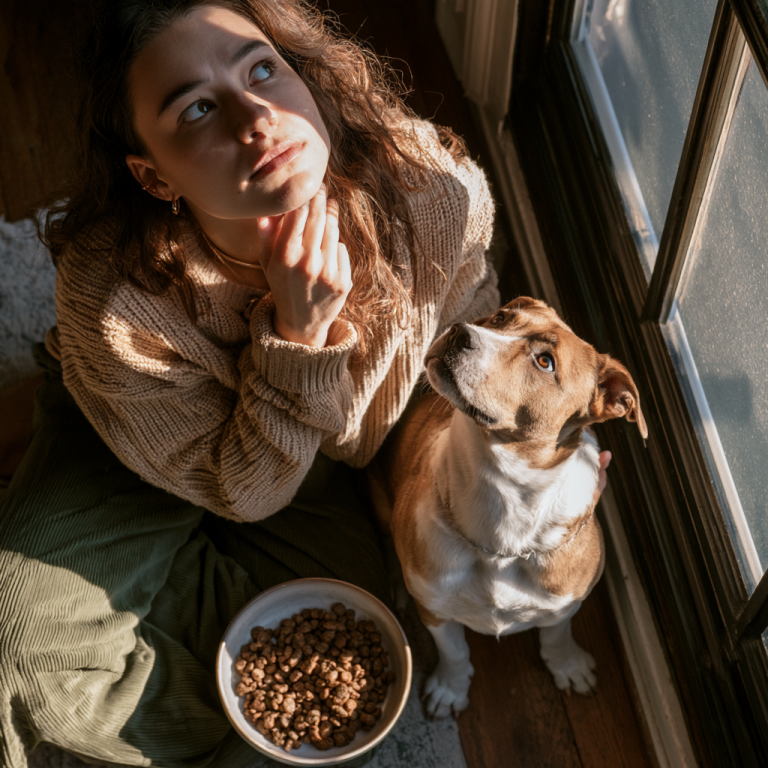
Dogs are adept communicators, and staring is one of many ways they indicate their needs or desires. If your dog positions itself near the treat jar and looks at you intently, it’s likely trying to convey their wish for a snack. Likewise, if your dog stares at you while you prepare to walk out the door, they may be letting you know they want to join you for a walk.
To enhance your understanding of this behavior, pay attention to the context in which the staring occurs. Is it around mealtimes? During playtime? This will help you interpret what your dog is trying to say. Additionally, you can respond positively—giving a treat when your dog stares at you can reinforce this method of communication, but be aware that not all dogs will use this strategy in the same way. Individual learning styles vary, so be ready to adapt your responses to your dog’s distinct personality.
Signs of anxiety: when staring may indicate distress
While a dog’s stare can often signify affection or a request for interaction, it can also point to underlying anxiety or discomfort. If your dog seems fixated on you while exhibiting other signs of stress—such as panting, pacing, or trembling—the stare may indicate that your pet is feeling overwhelmed or frightened.
A common scenario might be during a thunderstorm; if your dog stares wide-eyed at you, it may be seeking reassurance from you as they experience fear. In such instances, responding with calm voice cues and positive interaction can help soothe your dog. Offering a safe space, such as a quiet room, in combination with your comforting presence can greatly help alleviate their anxiety. However, if your dog’s anxious behaviors persist, consulting with a veterinarian or a professional animal behaviorist may be necessary to create a tailored plan.
Why breed differences matter in interpreting staring behavior
When considering why your dog might stare at you, recognizing breed differences is important, though it is crucial to remember that individual temperament plays a more significant role than breed traits. Some breeds, like Border Collies and Labrador Retrievers, may have a natural tendency to engage more directly with humans. This engagement often manifests in sustained eye contact, as these breeds tend to be highly trained and responsive to their owners.
Conversely, breeds that are more independent, such as Afghan Hounds or Basenjis, might engage less frequently in direct eye contact and more often exhibit subtle communication cues. Their staring may be more pronounced when seeking reassurance or during moments of uncertainty. Here’s a quick overview of how staring might differ among various breeds:
| Breed Type | Typical Staring Behavior | Context of Staring |
|---|---|---|
| Working Breeds (e.g., Border Collie) | Frequent and direct eye contact | Seeking commands or attention during activities |
| Companion Breeds (e.g., Cavalier King Charles Spaniel) | Soft gaze indicating affection | During gentle interactions or while relaxing |
| Independent Breeds (e.g., Basenji) | Less direct staring | Primarily during uncertain moments or to gauge comfort |
This summary serves both dog owners and trainers alike, offering a glimpse into how breed can influence the behaviors we observe. However, while breed tendencies exist, do not lose sight of your dog’s individual personality and past experiences, which often provide deeper insights into their specific behaviors.
Being aware of these factors can lead to richer interactions and a stronger bond with your dog. If you find yourself consistently puzzled by your dog’s staring, consider their life history, along with their current emotional state, to decipher what your furry friend might be trying to communicate.
Frequently Asked Questions
Why does my dog stare at me with wide eyes?
Wide eyes may indicate that your dog is in a state of alertness or heightened interest. It could also signal anxiety, especially if accompanied by other signs of distress such as panting or pacing.
Is it normal for my dog to stare at me?
Yes, it’s typical behavior for dogs to stare at their owners. Dogs often use this gaze to communicate feelings of affection, to seek attention, or to express curiosity about their surroundings.
What does it mean when my dog stares at me while I eat?
If your dog stares at you while you’re eating, they may be expressing curiosity about your food or hoping for a treat. This behavior is often learned, as dogs anticipate that staring might lead to being fed.
Should I be concerned if my dog stares at me?
Not necessarily. While staring can often convey love or communication, it could also mean your dog is anxious or uneasy in certain settings. Always pay attention to accompanying body language to better understand their needs.
Why does my dog follow me and stare?
If your dog follows you and stares, it is typically a sign of attachment or a desire for companionship. This behavior indicates they feel secure with you and are seeking interaction, attention, or guidance.