How Often Should You Bathe Your Dog? Essential Guidelines
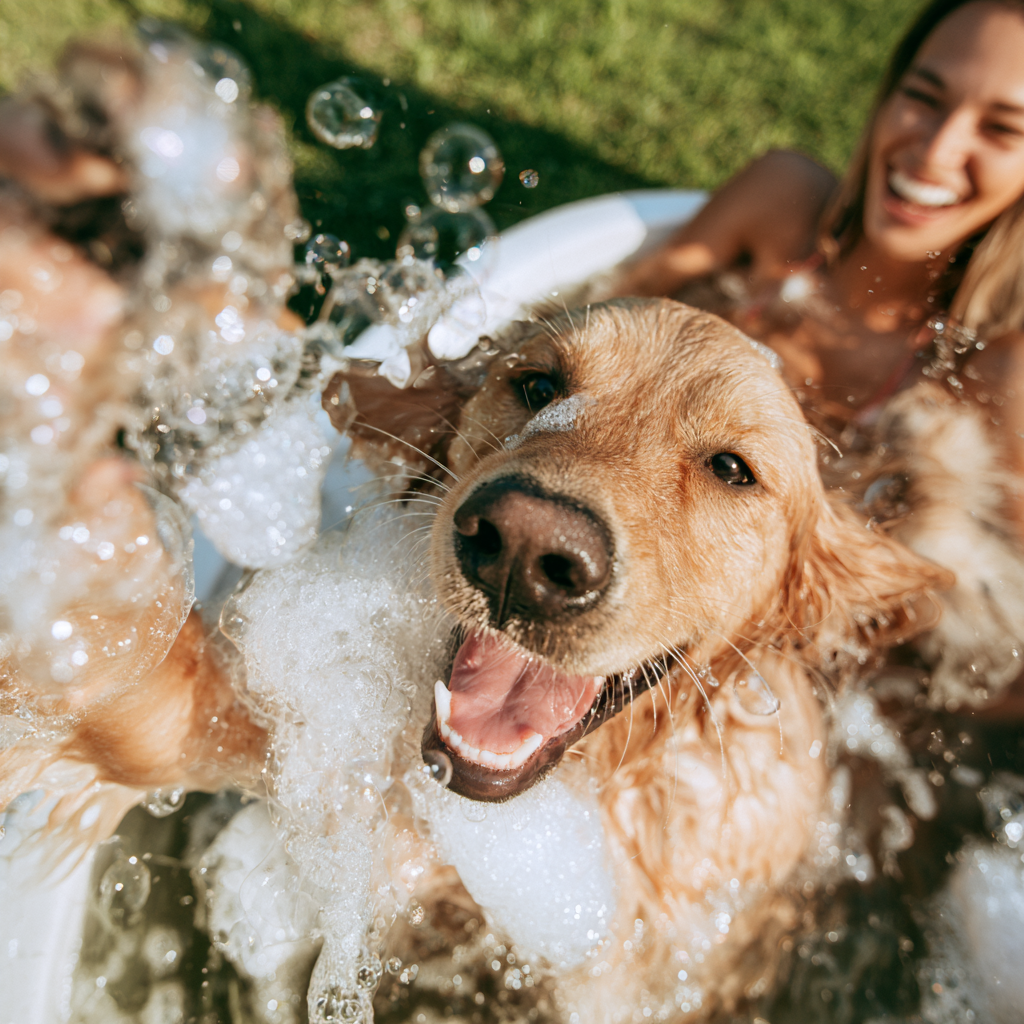
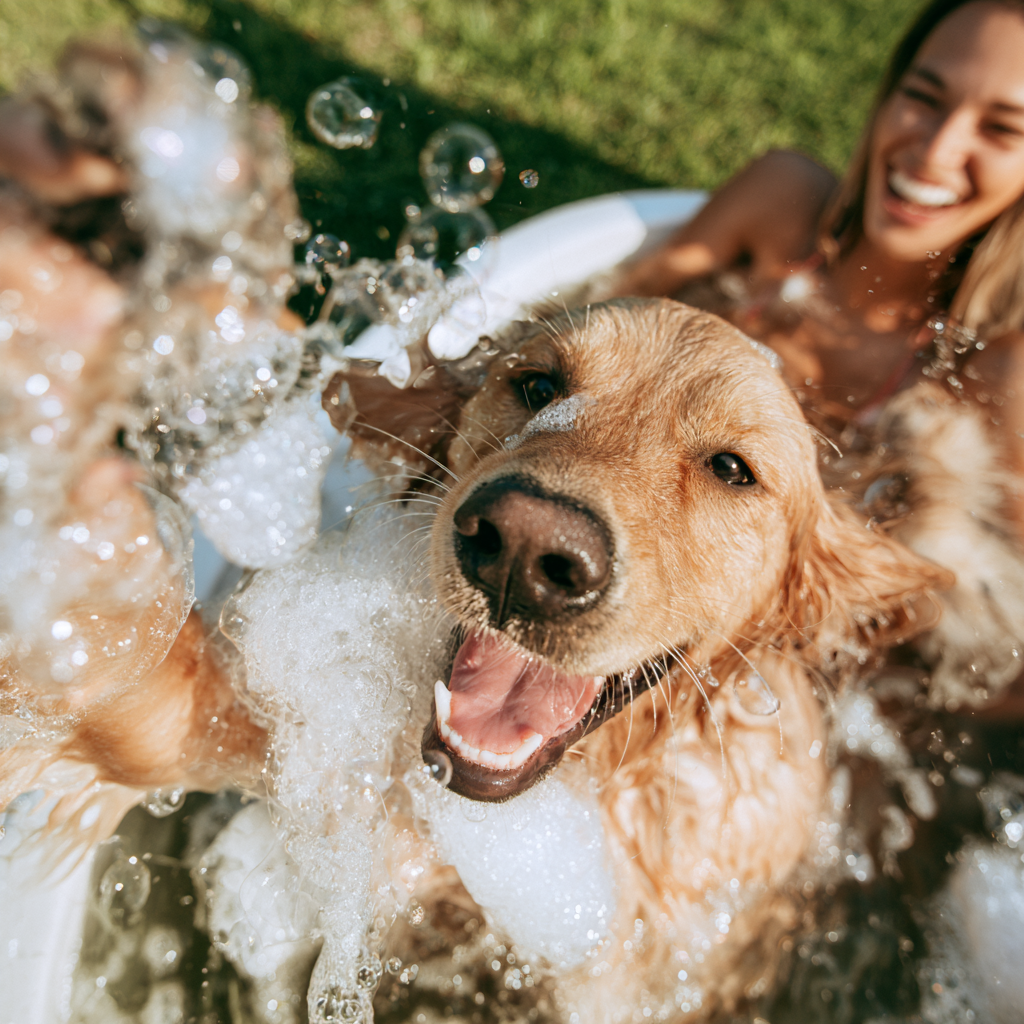
How Often Should You Bathe Your Dog? This common concern among dog owners isn’t just about cleanliness; it also involves considering the health of your dog’s skin and coat. Bathing too frequently can lead to skin dryness and irritation, while infrequent washing can allow dirt and odors to accumulate. Finding the right balance is essential for your dog’s overall well-being.
Quick answer: The frequency of bathing your dog depends on various factors, including breed, coat type, and activity level. For most dogs, bathing every four to six weeks is typically sufficient, but some may require more or less based on their individual needs.
How Often Should You Bathe Your Dog? Factors to Consider
Breed and coat type considerations
Different breeds exhibit a wide range of coat types, which can significantly influence how often you should bathe your dog. For instance, breeds with long, thick coats such as the Samoyed may benefit from more frequent grooming and bathing, potentially every four weeks. Their fur traps dirt and can mat easily if not maintained properly.
Conversely, breeds with short hair, like the Beagle, generally require less frequent bathing, possibly only once every few months, as their coats do not trap dirt as easily and are less prone to matting. Here’s a closer look at specific breed and coat type recommendations:
| Breed | Coat Type | Recommended Bathing Frequency |
|---|---|---|
| Beagle | Short-haired | Every 8-12 weeks |
| Golden Retriever | Medium-length, water-repellent | Every 4-6 weeks |
| Shih Tzu | Long, flowing | Every 3-4 weeks |
| American Bulldog | Short-haired | Every 2-3 months |
| Poodle | Curling, hypoallergenic | Every 4-6 weeks |
While these are general guidelines, individual dogs may have specific skin health considerations or lifestyle habits that influence their bathing needs more than their breed alone.
Dog activity level and hygiene needs
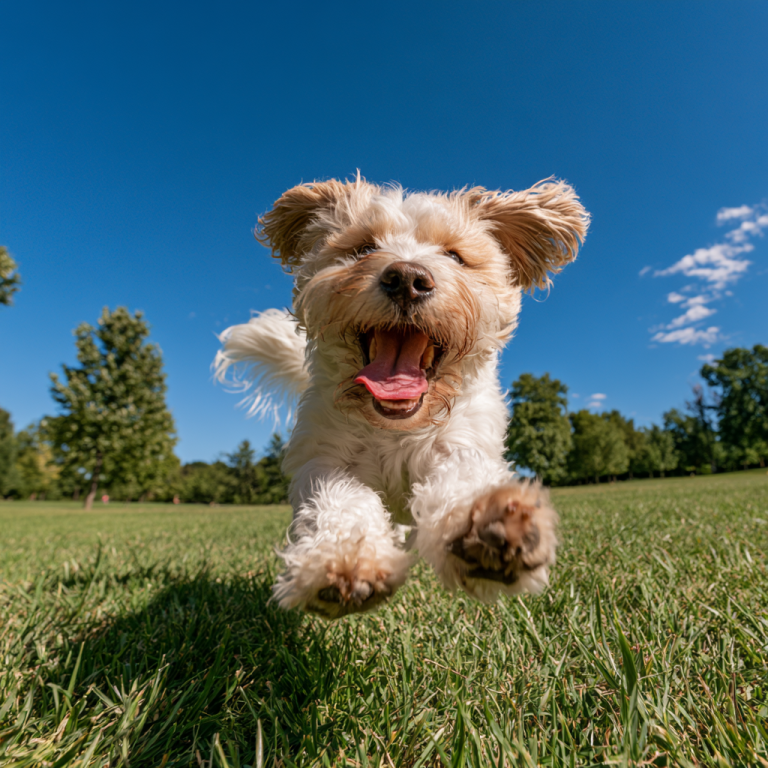
A dog’s lifestyle and activity level play pivotal roles in determining how often they require a bath. Active dogs who love to run in the mud, swim in lakes, or romp around in fields may accumulate dirt and odor much faster than their more sedentary counterparts. For these pups, baths could be necessary after particularly messy outings—often within a week or so of engaging in such activities.
For instance, if your dog enjoys swimming, you might find yourself giving them a bath more frequently to remove chlorine or salt from their coats. Alternatively, dogs that have less exposure to outdoor environments can typically go longer between washes. Observing your dog after they partake in specific activities can help you determine their ideal bath schedule:
- Swimmers: Bath after every swim to wash off chemicals and prevent skin issues.
- Outdoor Explorers: Bath as needed when dirt or debris is excessive.
- House Pets: Regular grooming might suffice, allowing for longer intervals between baths.
Recognizing these grooming needs ensures that your dog stays clean without risking skin health from over-bathing.
Skin health and bathing frequency
Maintaining your dog’s skin health is paramount when considering bathing frequency. Over-bathing can strip natural oils that protect the skin, leading to dryness, irritation, and even dermatitis. For dogs with sensitive skin or pre-existing skin conditions, like allergies or eczema, excessive washing may exacerbate discomfort.
Conversely, neglecting to bathe can lead to dermatological issues, with dirt and oils building up potentially causing infections or skin irritations. The key is to find a balance based on your dog’s skin type. Here are some best practices:
- Monitor Skin Condition: Regularly check for dryness, redness, or flakiness. Adjust bathing frequency if any of these signs appear.
- Consult a Vet: If your dog has known skin sensitivities, seek veterinary advice on personalized bathing schedules.
- Choose the Right Shampoo: Use gentle, dog-specific shampoos that maintain skin hydration.
Understanding the dual implications of bathing—both positive and negative—will help you maintain your dog’s hygiene while also promoting healthy skin.
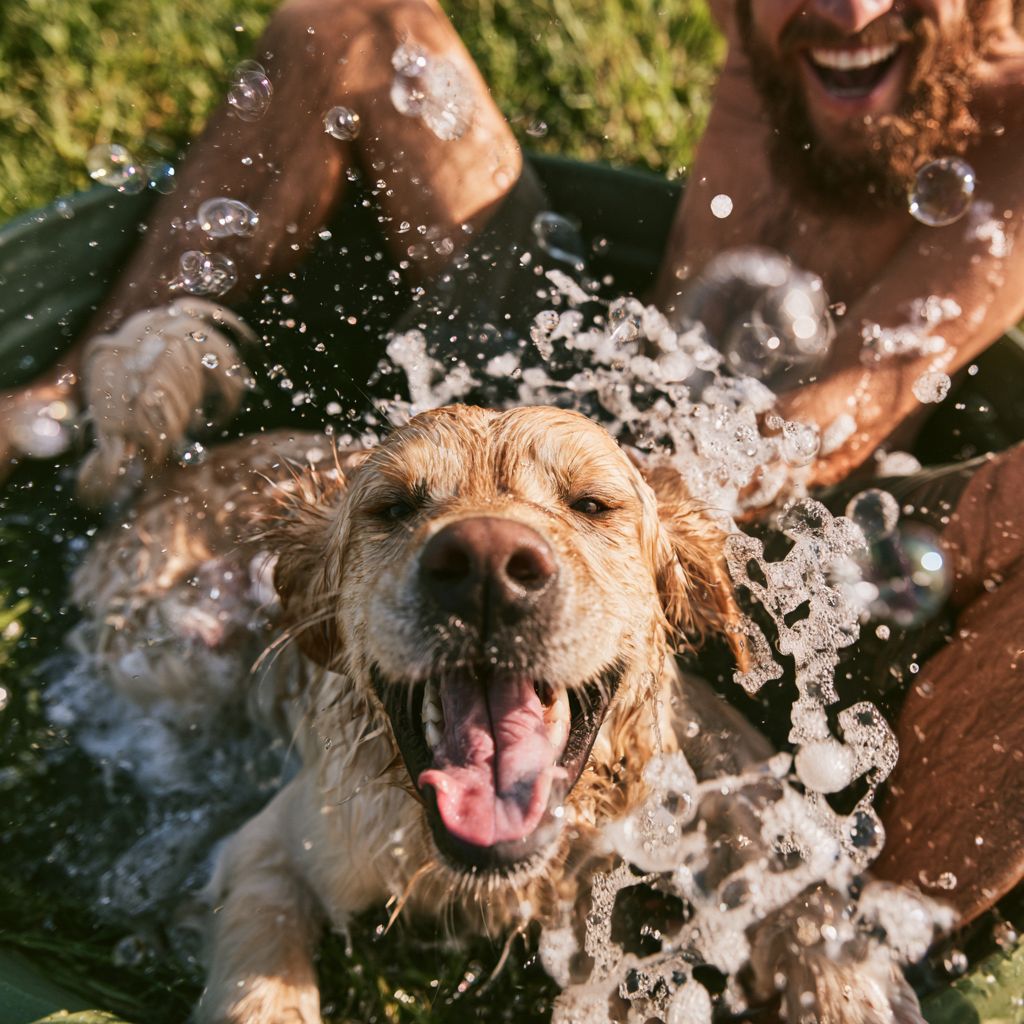
Understanding Your Dog’s Bathing Needs
How the environment affects bathing frequency
Environmental factors play a significant role in dictating how frequently you should bathe your dog. Dogs living in dusty, rural, or polluted environments may require more frequent baths to remove accumulated dirt and allergens. In contrast, dogs residing in controlled, clean indoor settings may stay relatively clean for longer periods.
Humidity and temperature also matter. In warm and humid conditions, dogs can develop odor more quickly, often indicating the need for more baths. For instance, if you reside in a warm climate where your dog frequently interacts with other animals, they may need a bath more often than during cooler months.
By observing your dog’s interactions and surroundings, you can gauge their cleanliness needs effectively.
Seasonal bathing tips for dogs
Each season presents unique challenges that can alter your dog’s bathing requirements.
- Spring/Summer: Warmer weather may lead to increased outdoor activity and exposure to pollen, dirt, and other allergens. Bathing every 3-4 weeks during these months can help reduce allergens and remove dirt buildup.
- Fall: As leaves fall and environments become muddy, you might find your dog returning indoors dirty. Regular baths or spot cleaning could be beneficial to keep coat conditions optimal.
- Winter: In colder months, bathing too much can lead to dry skin. Consider reducing baths during this time to once every 6 weeks unless your dog gets particularly dirty. Additionally, wiping down their paws after walks can help keep them clean without a full wash.
Adapting your dog’s bath schedule with the seasons can keep their coat healthy and clean throughout the year.
Signs indicating your dog needs a bath
Recognizing the right time for a bath is crucial for your dog’s comfort and hygiene. Here are several signs that can indicate when your dog might need a bath:
- Odor: A noticeable smell, especially in areas like the ears or paws, typically means it’s time for a wash.
- Visible Dirt: If you can see dirt or grime on your dog’s fur after play sessions, a bath is warranted.
- Oily Coat: If your dog’s coat feels greasy to the touch, it may need a bath to restore cleanliness.
- Skin Irritation: Signs like excessive scratching or redness can often suggest the need for a clean.
In general, most dogs can go from 4 to 8 weeks between baths, but those engaged in regular dirty play might require washing more frequently. Making routine assessments based on these criteria will foster a better understanding of when to treat your furry friend to a bath.
Above all, consider your dog’s personality and comfort level. Some dogs may be more sensitive or anxious about bathing, making it essential to observe their cues and ease them into the bathing process—potentially consulting a veterinarian for nervous individuals.
Frequently Asked Questions
How often should I bathe my dog?
Most dogs typically should be bathed every four to six weeks, but this can vary depending on factors such as breed, activity level, and skin health.
Can I bathe my dog too often?
Yes, bathing your dog too frequently can strip their coat of natural oils, leading to dry skin and irritation. It’s important to monitor your dog’s skin condition and adjust their bathing schedule accordingly.
What is the best way to bathe a dog?
The best way to bathe a dog involves using lukewarm water, a well-suited dog shampoo, and taking care to rinse thoroughly to avoid any skin residue. Always observe your dog’s comfort and adjust your technique based on their reaction.
What should I use to wash my dog?
Use a shampoo specifically formulated for dogs, ideally one that matches your dog’s skin type or coat condition. Avoid human shampoos, as they can disrupt the pH balance of your dog’s skin.
How long between dog baths?
The time between dog baths can range from four weeks to several months, depending on breed, activity level, and skin condition. Regularly assessing your dog’s coat and skin will help you determine the ideal bathing interval.