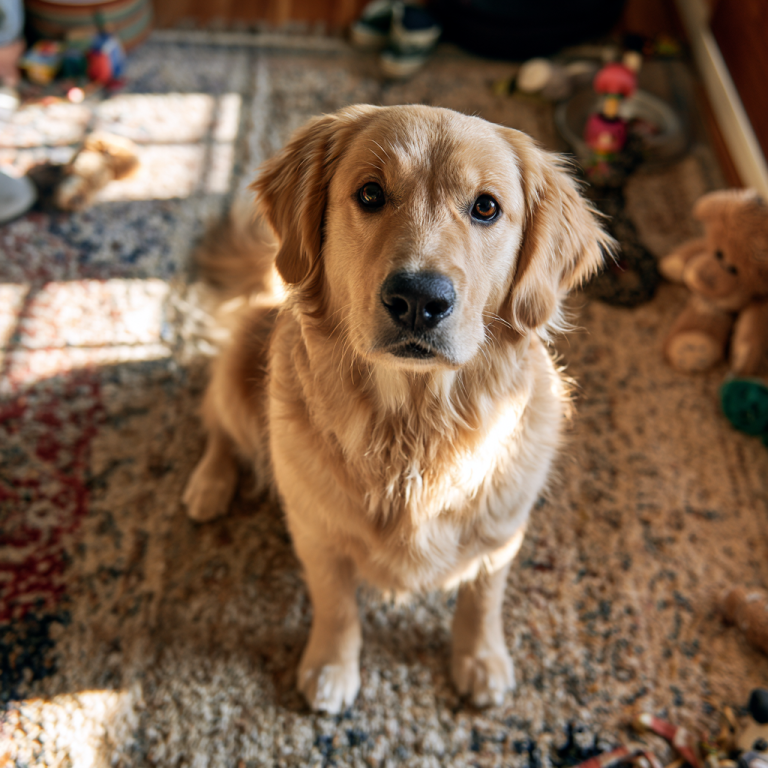
Why Do Dogs Tilt Their Heads? Understanding This Cute Behavior

Why do dogs tilt their heads? This charming behavior often leaves us wondering what thoughts are swirling in their furry heads. You may have noticed your canine companion tilting its head when it hears a new sound or is trying to engage with you. While it can be adorable to see, understanding the reasons behind this behavior can enhance our bond with our pets. Dogs communicate in diverse ways, and a head tilt can be a fascinating glimpse into their world.
Quick answer: Dogs tilt their heads primarily to better understand sounds or signals around them, facilitated by their unique hearing and communication traits. This behavior can also indicate excitement or anxiety, depending on the context of the situation.
Why Do Dogs Tilt Their Heads?
Understanding Dog Communication
Dogs utilize a complex array of sounds, body language, and signals to communicate with humans and other animals. The head tilt can be part of this communication method, reflecting their keen ability to interpret auditory clues. When a dog hears a sound, such as a squeaky toy or the sound of their owner calling, tilting their head can help them pinpoint the source of the noise more accurately.
Additionally, this behavior also serves to showcase attentiveness. For instance, when you speak to your dog, a head tilt can indicate that they are processing your words or trying to make sense of what you are conveying. A dog’s capacity to connect human verbal cues with visual signals exemplifies its social nature. This interaction builds understanding between the dog and its owner, fostering positive relationships. Notably, some dogs may exhibit this behavior more frequently than others, often influenced by individual experiences, past interactions, and training.
What Could a Head Tilt Indicate?
The common head tilt can signal a variety of emotions and situations for dogs. Here are some potential interpretations of this behavior:
- Curiosity: Dogs may tilt their heads when they encounter unfamiliar sounds or sights, demonstrating an inquisitive nature.
- Excitement: When a dog is particularly happy or engaged, such as during playtime, a head tilt may reflect joy and enthusiasm.
- Confusion: A tilt might also indicate that a dog is uncertain or trying to make sense of a situation, especially if their body language appears tense or withdrawn.
- Anxiety: In some instances, head tilts can be associated with stress or discomfort, particularly if accompanied by other signs like whimpering or excessive yawning.
To understand your dog’s emotional state, it’s crucial to observe the overall context of the head tilt. Look for other body language cues, such as tail position, ear orientation, and vocalizations. For instance, a wagging tail with a head tilt could indicate excitement, while flat ears and a tilted head may suggest insecurity or fear.
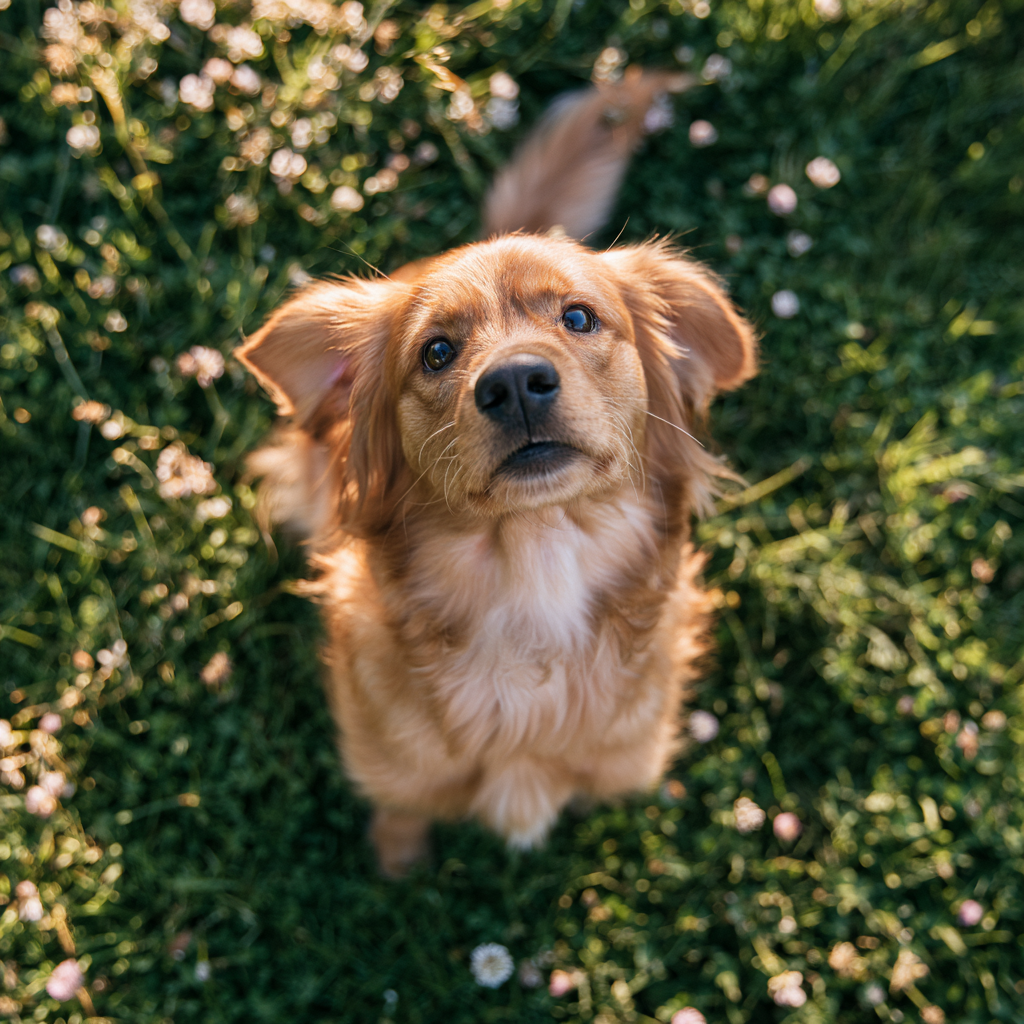
Factors Influencing Head Tilts
The Role of Sound and Hearing
Dogs have a remarkable auditory system that allows them to hear a broader range of frequencies than humans can. This extraordinary hearing ability can play a significant role in the head tilt behavior. When dogs hear sounds at different pitches, their instinct to tilt their heads may enable them to locate the sound source more accurately.
For example, high-pitched sounds, such as a whistle or a child’s toy, can prompt many dogs to tilt their heads. This behavior often occurs when they are trying to decipher whether the sound is relevant or important. Dogs may also respond to the tone and emotional content in a person’s voice. Hearing excitement or distress in a voice may trigger them to tilt their heads, trying to engage and understand what is happening.
Head Tilting as a Social Behavior
The head tilt can also be viewed as a social behavior that signifies a dog’s desire to interact. Dogs are social animals and often tune into their owner’s emotions and intentions. When you speak or react to your dog, they may respond with a head tilt to signal attentiveness and ensure you feel heard and understood.
In social contexts, head tilting can foster mutual engagement and positively impact the human-animal bond. For instance, when a dog tilts its head while looking at its owner, it creates an inviting and warm atmosphere, encouraging harmonious interactions. Furthermore, trainers often use praise and positive reinforcement when dogs display head tilting during training sessions, making it not only a communicative gesture but also a bridge to successful learning.
Signs of Anxiety or Discomfort
While many dogs tilt their heads to express curiosity or engage socially, it’s important to be aware that this behavior may also stem from anxiety or discomfort. Certain situations, such as loud noises, unfamiliar environments, or stressful interactions, could lead to head tilting as an indicator of unease.
If a dog frequently tilts its head, especially in conjunction with other concerning behaviors — like excessive barking, growling, or hiding — it may be experiencing distress. To address this, consider implementing calming techniques, such as:
- Creating a safe space: Set up a cozy and quiet area where your dog can retreat when feeling anxious.
- Desensitization: Gradually introduce your dog to the source of anxiety in controlled and positive situations, like low-volume noises or gradual exposure to new environments.
- Calming products: Some dogs may benefit from calming collars, pheromone diffusers, or anxiety-reducing supplements, but always consult with your veterinarian before introducing new products.
Observing the body language that accompanies head tilts is essential. If you notice consistent signs that your dog is experiencing anxiety, do not hesitate to consult with a veterinarian or a professional animal behaviorist for further guidance.
Understanding why dogs tilt their heads involves a combination of factors — from their social nature and communication styles to their sensitivities to sound. Each dog’s experience is unique, influenced by their individual temperament and environment. By observing these nuances, we can foster stronger connections with our canine companions and better support their emotional well-being.
Frequently Asked Questions
What does a dog head tilt signify?
A dog head tilt often signifies curiosity or engagement when attempting to understand sounds or commands better. This behavior reflects how dogs process auditory signals and seek to connect with their human companions.
Do all dogs tilt their heads?
Not all dogs will tilt their heads, as individual behavior can vary based on factors such as breed, temperament, and past experiences. While many dogs exhibit this behavior, it is not universal among all canines.
How do dogs communicate visually?
Dogs communicate visually through body language, facial expressions, and gestures. They use cues like tail position, ear direction, and overall posture to convey emotion and intent to both other dogs and humans.
Is a head tilt a sign of happiness?
A head tilt can indicate happiness, especially when it is paired with a wagging tail and relaxed body posture. However, context matters; a tilted head might also signal confusion or uncertainty in certain situations.
Can a head tilt indicate a medical issue?
Yes, a head tilt can sometimes indicate a medical issue, particularly if it occurs frequently or alongside other signs of distress. If a dog’s head tilt seems unusual or is coupled with other concerning symptoms, consulting a veterinarian is advisable.
Why do puppies tilt their heads?
Puppies may tilt their heads as they explore their surroundings and learn to understand sounds and commands. This behavior contributes to their development and helps them bond with their human caregivers in playful interactions.
How can I encourage my dog to tilt its head?
You can encourage your dog to tilt its head by using an enthusiastic tone of voice, asking them questions, or enticing them with treats. Engaging them in playful interactions can foster this behavior, making it a fun part of your communication.