Bird Care Basics: A Guide to Local Bird Shops and Supplies
Bird Care Basics: A Guide to Local Bird Shops and Supplies is essential for anyone looking to provide optimal care for their feathered companions. Whether you’re a seasoned bird owner or a newcomer considering welcoming a bird into your home, understanding the dietary needs of your pet and knowing where to source their supplies are critical steps in ensuring their health and happiness. In this guide, we’ll explore the intricacies of bird diets and offer insights on how to choose the best local bird shops for your needs.
Quick answer: Proper bird care begins with understanding their dietary requirements and sourcing high-quality supplies from reliable local shops. Always consider the specific needs of your bird species and look for shops that prioritize animal welfare and product quality.
Understanding Bird Dietary Requirements
Birds have unique and varied dietary needs, which can vary significantly between species. A well-balanced diet is vital for maintaining their health, energy levels, and overall well-being. Understanding these requirements is essential for any bird enthusiast.
Types of bird food
Bird food can generally be categorized into several types:
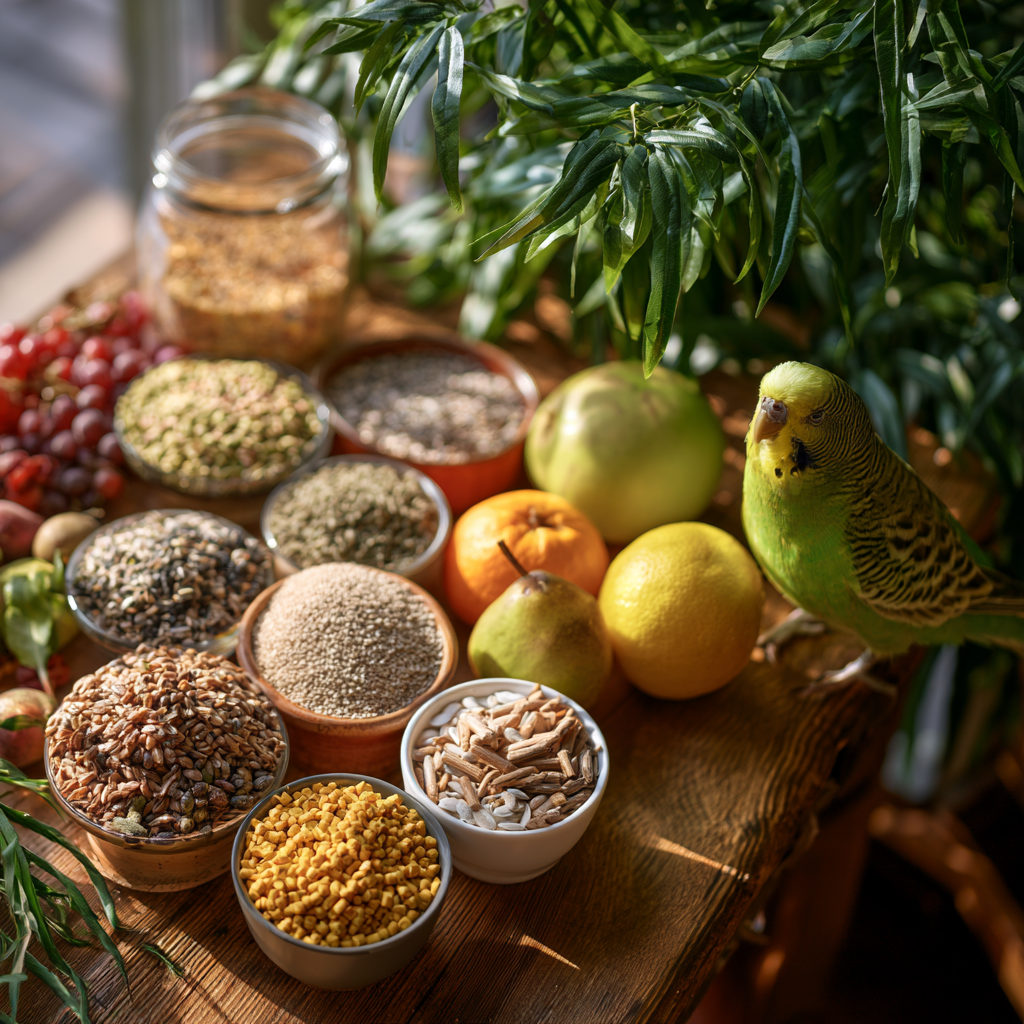
- Pellets: Many avian specialists recommend pellets as the primary diet for pet birds since they offer a balanced nutritional profile. They are formulated to meet the dietary requirements of specific species.
- Seeds: While seeds are common and can be a favorite for many birds, they should not comprise the entire diet. Seeds often lack essential vitamins and minerals. However, they can be a good supplement if offered in moderation.
- Fresh fruits and vegetables: These can provide vital nutrients and hydration. Birds often enjoy dark leafy greens, carrots, apples, and berries. Always research which produce is safe for your specific bird type.
- Treats: These can include nuts or commercially prepared bird treats. They should only be a small part of the diet and used sparingly, especially with high-fat items like nuts.
When you introduce new foods to your bird, it is beneficial to do so gradually. Observe their reaction and ensure that they enjoy and tolerate the new additions.
Nutritional needs for different bird species
Different species of birds have distinct nutritional requirements. For instance, a cockatiel’s diet might differ significantly from that of a parakeet or an African Grey. Here are some examples:
- Small birds (e.g., canaries and finches): These birds thrive best on a mixture of quality seeds, fresh fruits, and vegetables. A fortified pellet can also be beneficial.
- Medium-sized birds (e.g., budgerigars and cockatiels): A balanced diet should primarily consist of high-quality pellets along with a variety of fruits and veggies and occasional seeds.
- Large birds (e.g., macaws and conures): Larger birds require more diverse diets, including a greater volume of fresh produce and occasional high-fat treats. Specialized pellets designed for larger species are recommended.
When considering your bird’s dietary needs, always consult with an avian veterinarian to design the best nutrition plan tailored to your pet’s species, age, and health conditions.
Bird Care Basics: A Guide to Local Bird Shops and Supplies
Finding the right supplies and resources to care for your bird can be daunting. However, local bird shops can be a treasure trove of information and quality items that cater specifically to avian needs.
Finding local bird shops
To locate local bird shops, consider these methods:
- Search online: Use search engines to find bird shops in your area. Terms like “local bird store” or “pet bird supplies near me” can yield several results.
- Ask at vet clinics: Avian veterinarians often have recommendations for high-quality bird shops, as they understand the needs of your pet best.
- Community forums and groups: Online communities dedicated to bird care can provide insights into the best local shops. Members often share their experiences about different vendors.
- Social media platforms: Look for local bird-focused groups on platforms like Facebook or Instagram, where pet owners often share valuable recommendations.
Visiting local bird shops allows you to assess the environment, the knowledge of staff, and the quality of products offered.
Evaluating shop offerings and quality
When considering a bird shop, it’s essential to assess both the quality of the products and the general care of the animals sold. Here are some key indicators to look for:
- Animal welfare standards: Look at how the animals are housed. Signs of neglect, such as dirty cages or undernourished birds, are red flags. Ensure that the shop showcases healthy, well-cared-for birds.
- Product sourcing: Evaluate whether the shop stocks reputable brands for food and supplies. Research brands that are known for quality ingredients and ethical sourcing.
- Staff knowledge: Staff should be knowledgeable and willing to answer questions about bird care and the products they sell. They should be able to guide you towards the best options for your specific bird species.
- Return policies: A good shop often has fair return policies for their products, which indicates confidence in their quality and service.
Lastly, offset the convenience of local shops with online retailers, particularly for rare finds. Online shops can offer a broader selection, but always consider the advantages of direct interaction and local support when possible.
Safety Note: It is crucial for pet birds to have regular check-ups with an avian veterinarian. Keeping up with wellness visits helps monitor your bird’s health and allows for proactive measures against any health issues. If you notice unusual changes in behavior or diet, consult your veterinarian promptly.
Understanding Bird Care Basics: A Guide to Local Bird Shops and Supplies enables you to provide the best care for your avian family members. By being informed about their dietary requirements and knowing how to find quality resources, you can create a fulfilling environment for your pet bird.
Frequently Asked Questions
What supplies do I need for a pet bird?
Essential supplies for a pet bird include a proper cage, high-quality bird food, fresh fruits and vegetables, water dishes, and safe toys for enrichment. It’s also advisable to have perches, grain storage containers, and cleaning supplies on hand to ensure a healthy environment.
Where can I find local bird shops?
Local bird shops can be found through online directories like Google Maps and Yelp, or by asking fellow bird owners and veterinarians for recommendations. Social media groups dedicated to bird care also often share useful shop suggestions.
How to set up a bird cage?
Setting up a bird cage involves ensuring it’s large enough for the species you own, placing perches at various heights, including food and water dishes, and adding toys for enrichment. Be sure to avoid placing the cage in drafty or high-traffic areas for the bird’s comfort.
What type of food is best for my bird?
The best food varies by species, but generally includes a mix of high-quality pellets, seeds, and fresh fruits and vegetables. It’s crucial to research the specific dietary needs of your bird’s species to provide balanced nutrition.
What are essential toys for birds?
Essential toys for birds include items that encourage mental stimulation and physical activity, such as swings, foraging toys, and chewing options. It’s essential to ensure all toys are safe and free from toxic materials to prevent accidental harm.